Gyeongju Eupseong
Gyeongju Eupseong (Korean: 경주읍성; Hanja: 慶州邑城), also known as Gyeongju Eupseong Fortress, is a significant Goryeo-era hill castle located in Gyeongju, South Korea. Recognized as a Historic Site of South Korea since January 21, 1963, this fortress represents an important example of Korean medieval urban fortifications and reflects the historical continuity from the Goryeo to the Joseon periods.
Historical background and significance
The fortress was originally constructed during the Goryeo dynasty (918–1392), serving as a fortified town or eupseong, which was a walled city designed to protect administrative centers and local populations. Gyeongju itself was historically the capital of the ancient Silla kingdom, and the Eupseong played a critical role in the region's defense and administration during the subsequent dynasties. The fortress walls enclosed a town area that was continuously inhabited from the Goryeo period through the Joseon dynasty (1392–1897).
Architectural features and construction
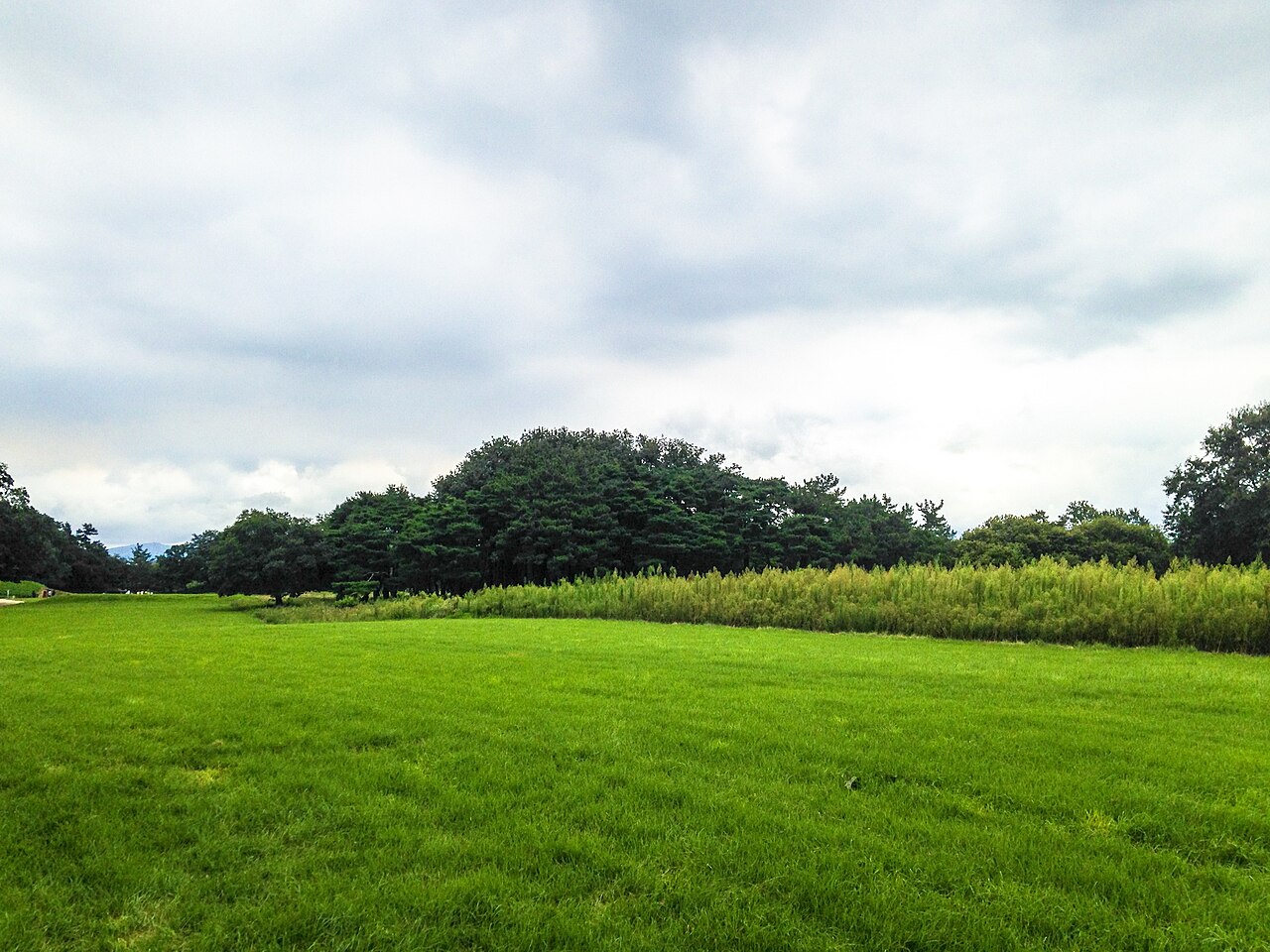
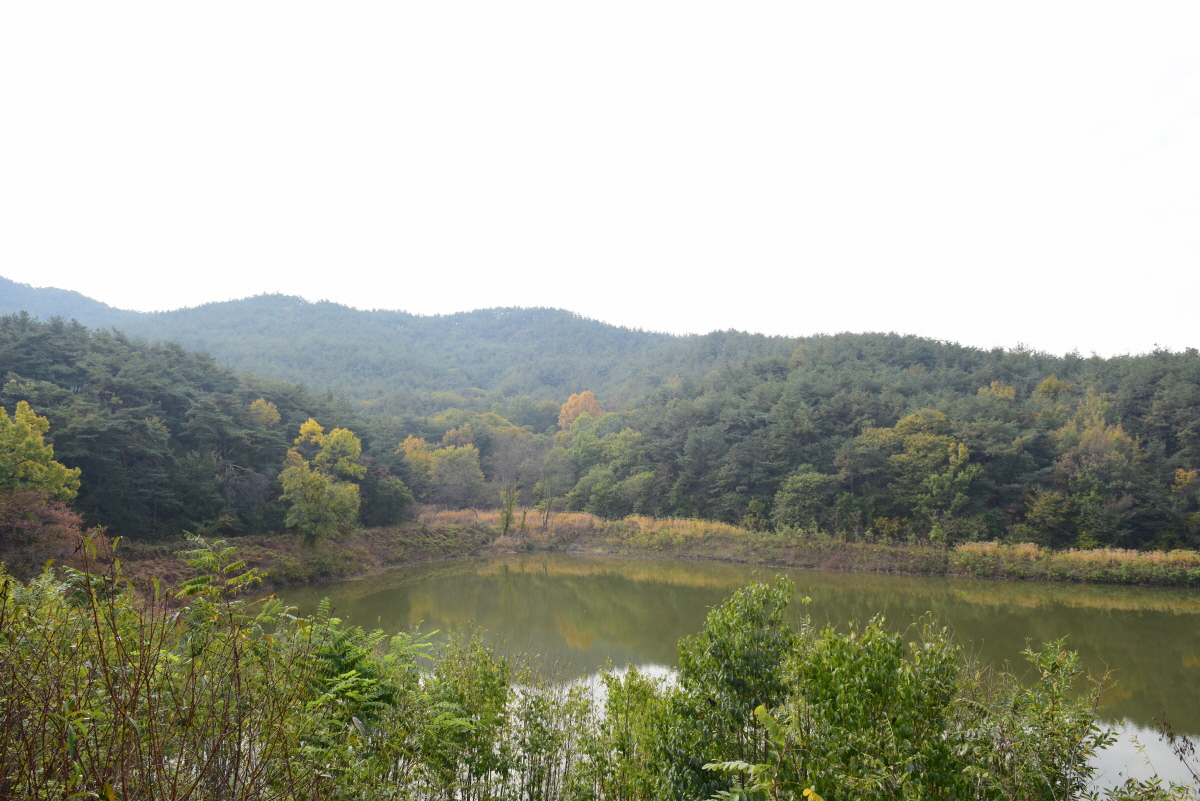
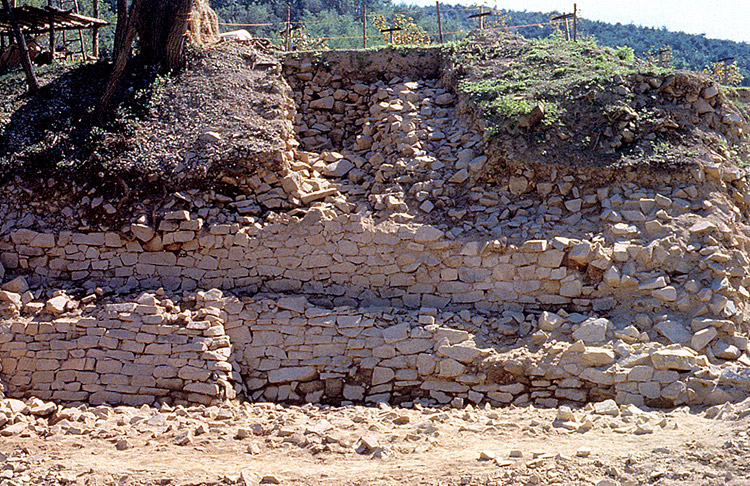
The fortress is classified as a hill castle, built strategically on elevated terrain to maximize defensive advantage. Its walls were constructed primarily of stone, designed to withstand both military assaults and natural erosion. The layout typically included fortified gates, watchtowers, and battlements to allow defenders to monitor and repel attackers effectively. The walls formed an irregular polygonal shape conforming to the contours of the hill, a common feature in Korean fortress design to optimize natural topography.
Inside the walls, the town would have contained residential quarters, administrative buildings, and possibly military barracks, although much of the original internal structures have not survived or were demolished over time.
Destruction and restoration
During the 20th century, under Japanese colonial rule (1910–1945), the fortress was largely demolished as part of broader efforts to suppress Korean cultural heritage and modernize urban areas. This demolition severely damaged the original structure, leaving only fragments of the walls and foundations.
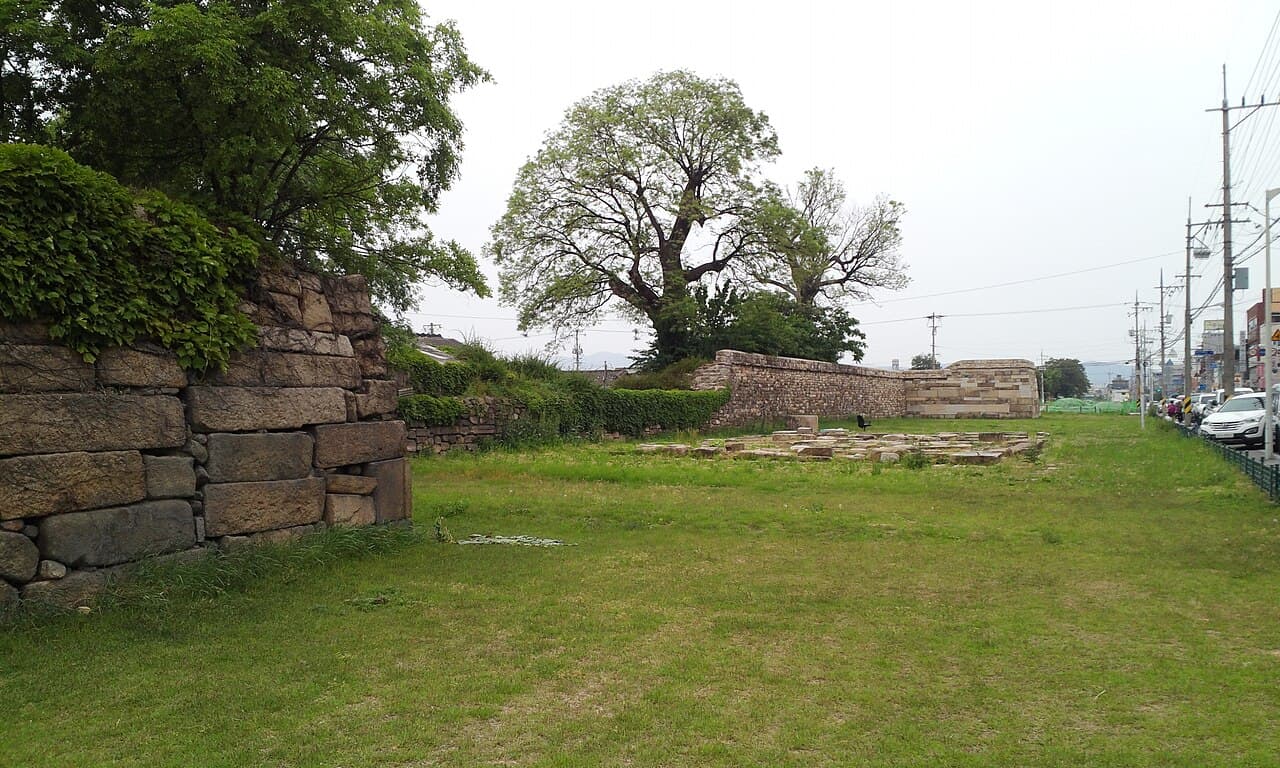
Starting in the 2010s, efforts have been made to restore Gyeongju Eupseong to its pre-colonial state. Restoration projects have focused on rebuilding sections of the stone walls, reconstructing gates, and preserving remaining archaeological features. These efforts have transformed the site into a cultural and historical tourist attraction, providing visitors with insight into Korea's medieval fortification architecture and urban history.
Current status and tourism
Today, Gyeongju Eupseong is a partially restored fortress that serves as a prominent cultural heritage site. It attracts tourists interested in Korean history, architecture, and archaeology. The site is accessible to visitors who can walk along the restored walls and explore the surrounding area, which includes other historical landmarks in Gyeongju, such as ancient temples, royal tombs, and museums.
The fortress's restoration and preservation contribute to the broader appreciation of Korea's medieval fortification systems and the historical continuity of the Gyeongju region from its Silla origins through the Goryeo and Joseon dynasties.
Architectural context within Korean fortresses
Gyeongju Eupseong exemplifies the traditional Korean eupseong type fortress, characterized by stone walls built on natural hills and incorporating the landscape into defensive design. Unlike large standalone castles or palaces, eupseongs were walled towns that combined urban functions with military defense. This type of fortress was common during the Goryeo and Joseon periods, reflecting the need for local administrative centers to be protected against invasions and internal unrest.
The fortress's design reflects practical military architecture rather than ornamental styles, emphasizing robust construction and strategic placement. Its walls and gates were constructed to provide strong defense without excessive embellishment, typical of Korean military architecture of the time.
Visiting information and cultural impact
Visitors to Gyeongju Eupseong can experience a tangible connection to Korea's medieval past. The site is part of the larger Gyeongju Historic Areas, which include numerous UNESCO World Heritage sites related to the ancient Silla kingdom. While the fortress itself is not a UNESCO site, its preservation enhances the overall historical landscape of the region.
Tourists can explore the fortress grounds, learn about its history through informational displays, and appreciate the craftsmanship of traditional Korean stone fortifications. The restoration has also helped promote local cultural identity and awareness of Korea's architectural heritage.
Frequently asked questions (FAQ)
- When was Gyeongju Eupseong originally built?
- Gyeongju Eupseong was originally constructed during the Goryeo dynasty, which lasted from 918 to 1392.
- What is the architectural style of Gyeongju Eupseong?
- Gyeongju Eupseong is a traditional Korean hill castle known as an eupseong, characterized by stone walls built on elevated terrain for defense.
- Can visitors explore the fortress today?
- Yes, visitors can explore the partially restored fortress, walk along the reconstructed walls, and learn about its history at the site.
- Why was the fortress demolished in the 20th century?
- The fortress was largely demolished during the Japanese colonial period as part of efforts to suppress Korean cultural heritage and modernize urban areas.
- Is Gyeongju Eupseong part of any UNESCO World Heritage site?
- While Gyeongju Eupseong itself is not a UNESCO World Heritage site, it is located within the Gyeongju Historic Areas, which include several UNESCO-listed sites related to the ancient Silla kingdom.
Photo gallery

Information
Loading map...
Visitor reviews
No reviews yet. Been here? Write the first review and help other travelers!
Write the first reviewVisited this castle? Share your experience
Your review helps other travelers and adds first-hand knowledge to our encyclopedia.