Witostowice Castle
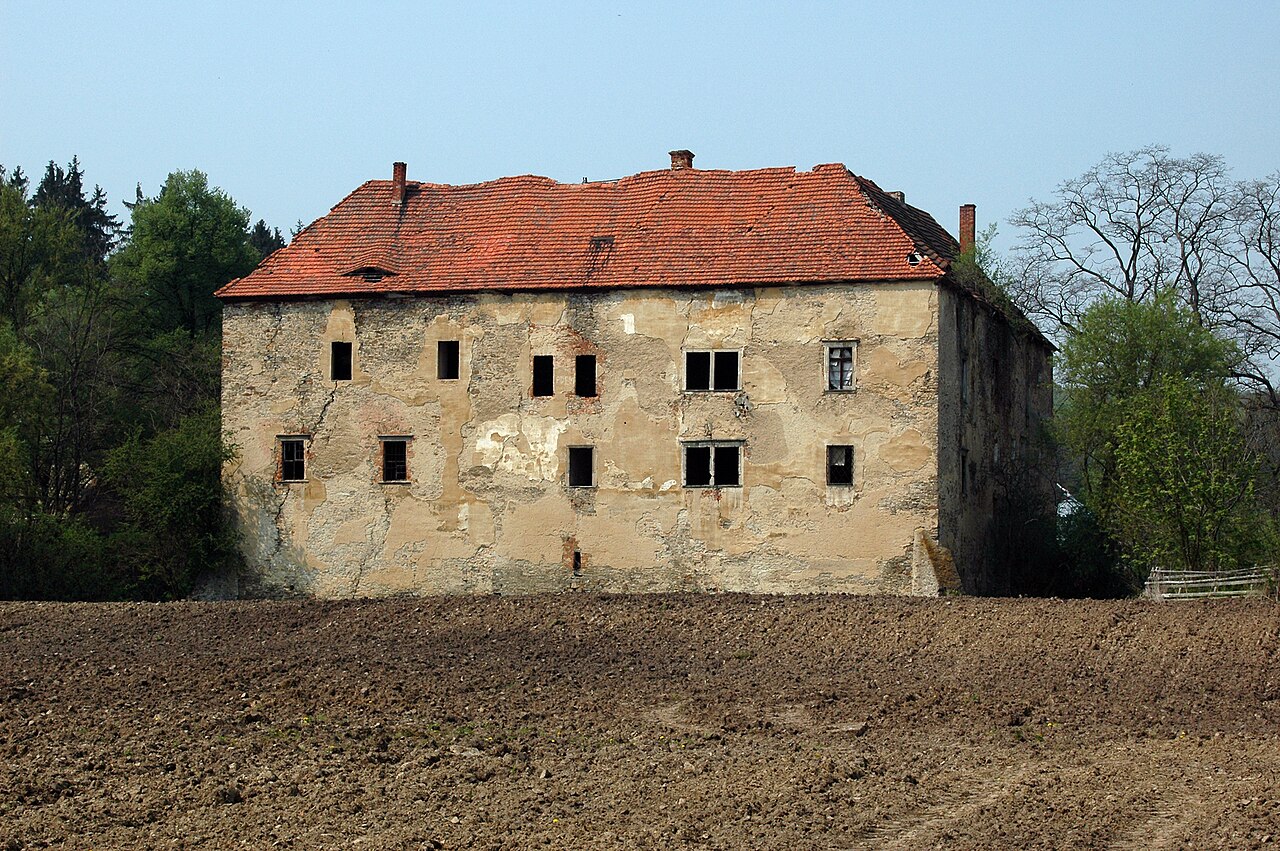
Witostowice Castle stands as a significant example of medieval fortification architecture in Poland, located in the village of Witostowice within the municipality of Ząbkowice Śląskie. Constructed in the first half of the 14th century by the Piast dukes, this castle reflects the strategic and residential needs of the Late Medieval period in the region. Its evolution over several centuries showcases changes in military technology, architectural style, and ownership that mirror broader historical trends in Central Europe.
Medieval origins and architectural layout
The castle was originally built as a hill castle with a strong defensive purpose, incorporating a defensive tower, a residential building, an attached chapel, and various economic outbuildings. These structures were enclosed by protective curtain walls and surrounded by a moat, emphasizing its role as a fortified noble residence. The presence of a moat and the castle's positioning on elevated ground provided natural and constructed defenses against potential attackers.
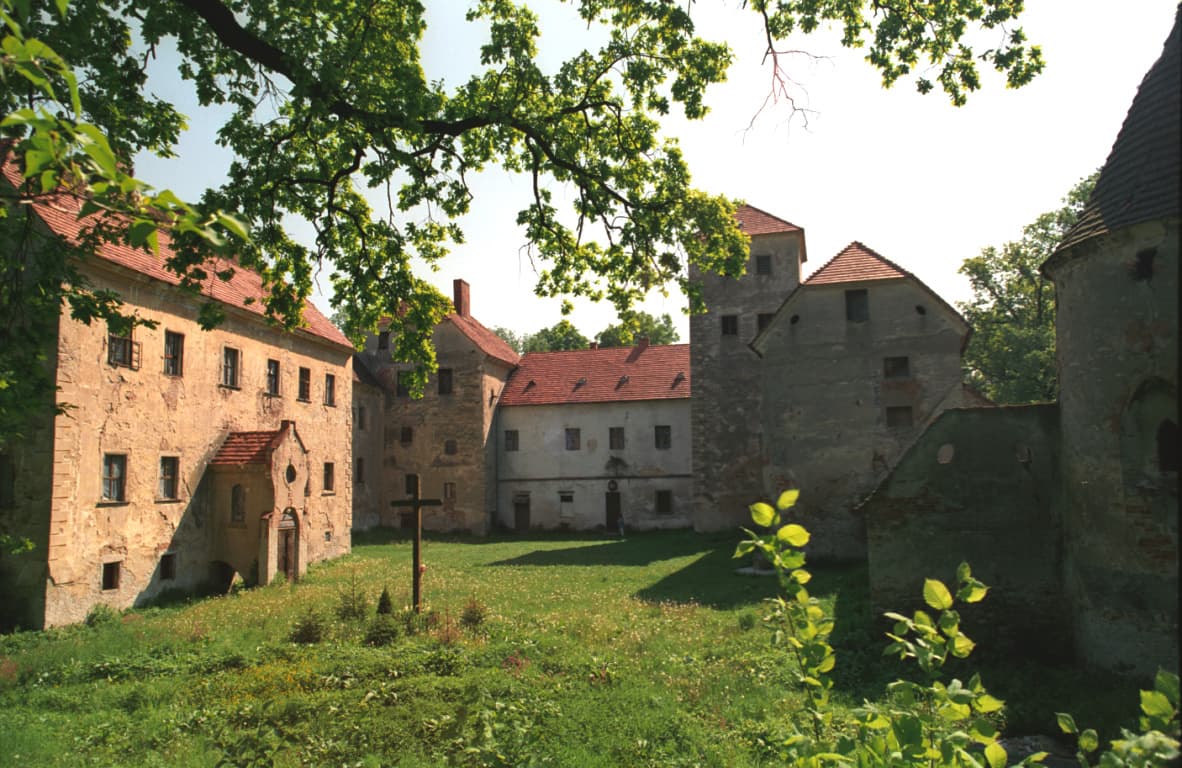
The castle's layout was organized around a nearly square courtyard, enclosed on three sides by residential and economic wings and on the fourth side by a curtain wall flanked by two round towers. This design is typical of medieval fortifications aiming to balance residential comfort with military defense.
Defensive features and moat system
One of the most distinctive features of Witostowice Castle is its double moat system. The castle is surrounded by an inner moat and an outer moat, separated by an earthen rampart equipped with bastions. These bastions served as platforms for archers or artillery, enhancing the castle's defensive capabilities. This layered defense system is a hallmark of medieval military architecture adapted to local terrain and the evolving nature of siege warfare.
Such a complex moat arrangement not only provided physical barriers but also created psychological deterrents against invaders, securing the castle’s inhabitants and assets.
Historical ownership and transformations
Originally under the control of the Piast dukes, the castle's ownership passed to local knights during the Middle Ages, reflecting the feudal system where military stewardship was often delegated to vassals. In the 16th and 17th centuries, the castle underwent significant reconstruction, adopting a more regular, almost square plan. These changes likely responded to advancements in military technology and the changing needs of residential comfort and status.
In 1736, the castle was acquired by the Cistercian monks from the nearby Henryków monastery. This transition marked a shift in the castle's role, incorporating religious functions alongside its residential and defensive purposes. The monks commissioned statues of Saint John of Nepomuk and Saint Florian from the renowned Jaschke sculptors’ workshop in Bardo, underscoring the castle's evolving cultural and religious significance.
Fire damage, reconstruction, and secularization
A major fire in the 18th century caused extensive damage to the castle, prompting a rebuilding process that reduced its defensive features. This reconstruction aligned with the broader decline of fortified residences as military strongholds and the growing emphasis on residential and religious functions.
The secularization movement of 1810 led to the confiscation of the castle from the Cistercian monks, reflecting political and religious reforms sweeping through the region. This change marked the beginning of a new chapter in the castle's history, shifting from ecclesiastical to secular control.
20th-century use and restoration efforts
After the Second World War, the castle was repurposed by a state-run agricultural enterprise during the era of the Polish People’s Republic. Renovation efforts in 1969 and 1970 aimed to preserve the structure, particularly focusing on the central wing and the Renaissance chapel.
Since 1994, Witostowice Castle has been privately owned. Restoration has concentrated on the ground floor of the central wing and the chapel, which remains active as a place of worship on Sundays and holidays. The castle is currently available for sale, representing both a historical monument and a potential private residence or cultural site.
Architectural and cultural significance
The castle complex exemplifies a water castle typology with its extensive moat system and fortified layout. The Renaissance chapel within the central wing is a notable feature, preserving the religious heritage of the site and serving as a rare example of a chapel integrated into a defensive residential complex.
The surrounding walled park suggests the presence of landscaped grounds, possibly used for leisure or agricultural purposes, typical of castle estates evolving beyond purely military functions.
Despite damage and modifications over centuries, Witostowice Castle retains key elements of its medieval fortifications, including round towers, bastions, and curtain walls, providing valuable insight into the defensive strategies and architectural practices of the Late Medieval period in Silesia.
Frequently asked questions (FAQ)
- How do I get to Witostowice Castle?
- Witostowice Castle is located in Ząbkowice Śląskie, Poland, and is easily accessible by car or public transportation. If traveling by train, the nearest station is Ząbkowice Śląskie, from where you can take a taxi or walk to the castle. Local buses also connect nearby towns to Ząbkowice Śląskie.
- What is the historical significance of Witostowice Castle?
- Witostowice Castle is a remarkable example of medieval architecture, dating back to the 14th century. It played a significant role in the region's defense and served as a residence for local nobility. The castle's history is intertwined with various historical events and legends, making it a fascinating site for history enthusiasts.
- When was Witostowice Castle built?
- Witostowice Castle was constructed in the 14th century, specifically around the year 1360. It was commissioned by the local nobility as a fortified residence and has undergone various renovations throughout the centuries. The castle's architecture reflects the Gothic style prevalent during its construction.
- Can I visit Witostowice Castle year-round?
- Yes, Witostowice Castle is open to visitors year-round, but it's essential to check specific opening hours as they may vary by season. During peak tourist season, guided tours are available, providing insights into the castle's history and architecture. It's recommended to visit earlier in the day to avoid crowds.
- Why is Witostowice Castle a must-visit attraction?
- Witostowice Castle is a must-visit for its stunning architecture and rich history that offers a glimpse into Poland's medieval past. The castle's picturesque setting and well-preserved structures make it a popular spot for photography and exploration. Additionally, the surrounding area boasts beautiful landscapes and local cultural experiences.
- Is it possible to take guided tours at Witostowice Castle?
- Yes, guided tours are available at Witostowice Castle, providing an in-depth look at its history and architecture. These tours are typically led by knowledgeable guides who can share fascinating stories and insights about the castle. Reservations are recommended during peak seasons to ensure a spot on the tour.
- What are the ticket prices for visiting Witostowice Castle?
- Ticket prices for Witostowice Castle are generally affordable, with discounts available for students and seniors. Admission fees may vary based on whether you choose a self-guided or guided tour. It's advisable to check the official website or contact the castle for the most current pricing information before your visit.
- What are the opening hours for Witostowice Castle?
- Witostowice Castle typically opens at 10 AM and closes at 6 PM, but these hours can change depending on the season and special events. It's best to verify the current opening hours on the official website before planning your visit. Early arrival is encouraged to make the most of your time exploring the castle.
- What nearby attractions should I visit while in Ząbkowice Śląskie?
- While visiting Witostowice Castle, you can also explore other nearby attractions such as the Ząbkowice Śląskie Market Square and the Church of St. Nicholas. The area is rich in historical sites, including other castles and natural parks, making it a great destination for a full day of sightseeing. Don't miss the opportunity to enjoy local cuisine at nearby restaurants.
Photo gallery

Information
Sources & official resources
Verify the information above using these authoritative references.
Loading map...
Visitor reviews
No reviews yet. Been here? Write the first review and help other travelers!
Write the first reviewVisited this castle? Share your experience
Your review helps other travelers and adds first-hand knowledge to our encyclopedia.