Siemisławice
Siemisławice castle stands as a remarkable example of a late medieval hill castle in Poland, originally constructed in 1445 under the initiative of the knight Jerzy Czirn. The initial structure likely took the form of a fortified residential tower, typical of the Gothic architectural style prevalent during that period. This tower served both defensive and residential purposes, reflecting the turbulent times and the need for strongholds in the Polish countryside.
Architectural evolution and Renaissance transformation
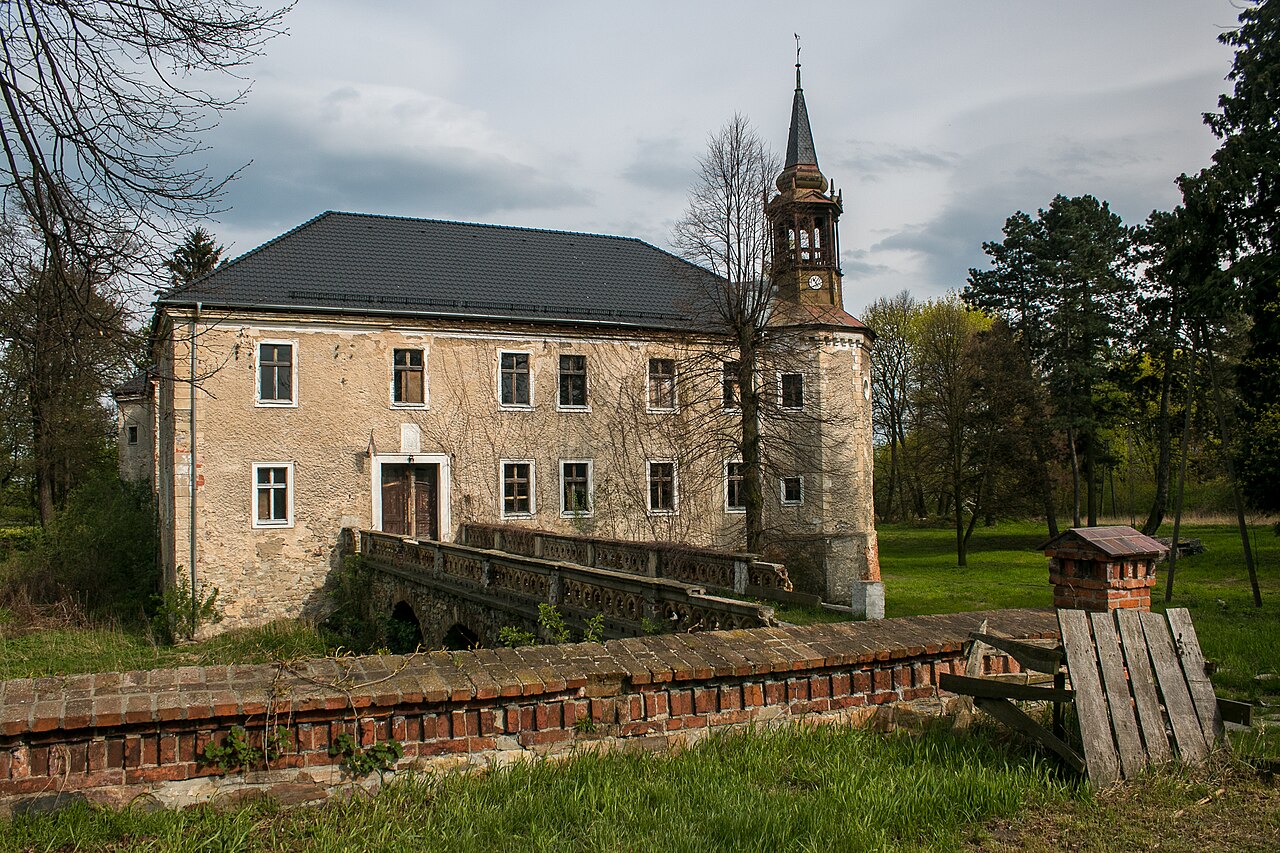
In 1609, the original Gothic castle underwent a significant transformation, replaced by a late Renaissance castle built on a rectangular plan. This new structure incorporated a quadrangular tower aligned with the main entrance axis, a common feature in Renaissance castle design that emphasized symmetry and grandeur. The castle's facade was enhanced with decorative elements, including a richly adorned two-light Renaissance portal bearing heraldic shields and the date of construction, which remains one of the most striking architectural details preserved to this day.
The castle's walls also feature fragments of sgraffito decoration, a popular Renaissance technique involving layered plaster to create intricate patterns and imagery, adding artistic value and visual interest to the exterior surfaces. Additionally, the tower is equipped with a sundial, an element that not only served practical timekeeping functions but also symbolized the Renaissance fascination with science and the natural world.
Historical significance and ownership
During the mid-17th century, the castle came under the ownership of Christian, Duke of Brzeg, who transformed it into his summer residence. This change in function from a defensive fortress to a leisure residence reflects broader socio-political shifts in the region, where many castles were adapted for comfort and status rather than purely military purposes. The castle's adaptation under Duke Christian likely included interior modifications to suit residential needs while maintaining its imposing exterior.
In the 19th century, further renovations were undertaken, updating the castle's structure and possibly its interiors to align with contemporary tastes and needs. These changes contributed to the castle's current well-preserved state, allowing visitors today to appreciate its layered history and architectural evolution.
Architectural features and current condition
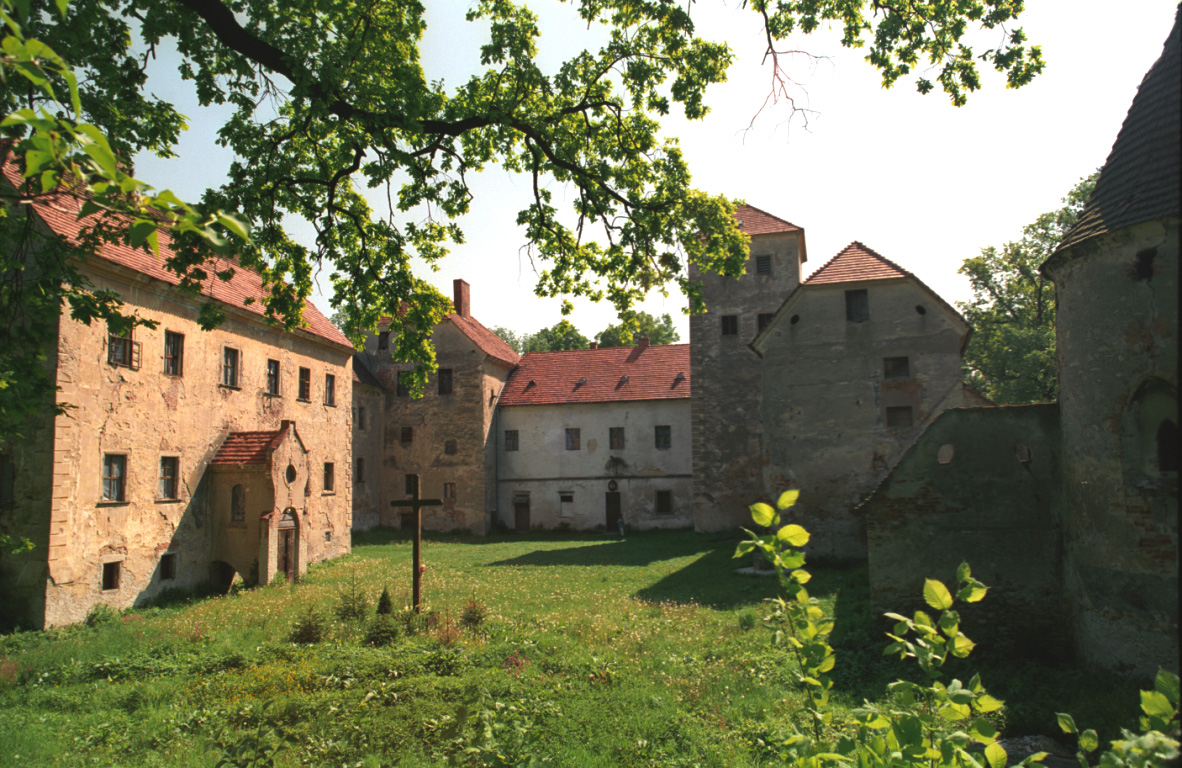
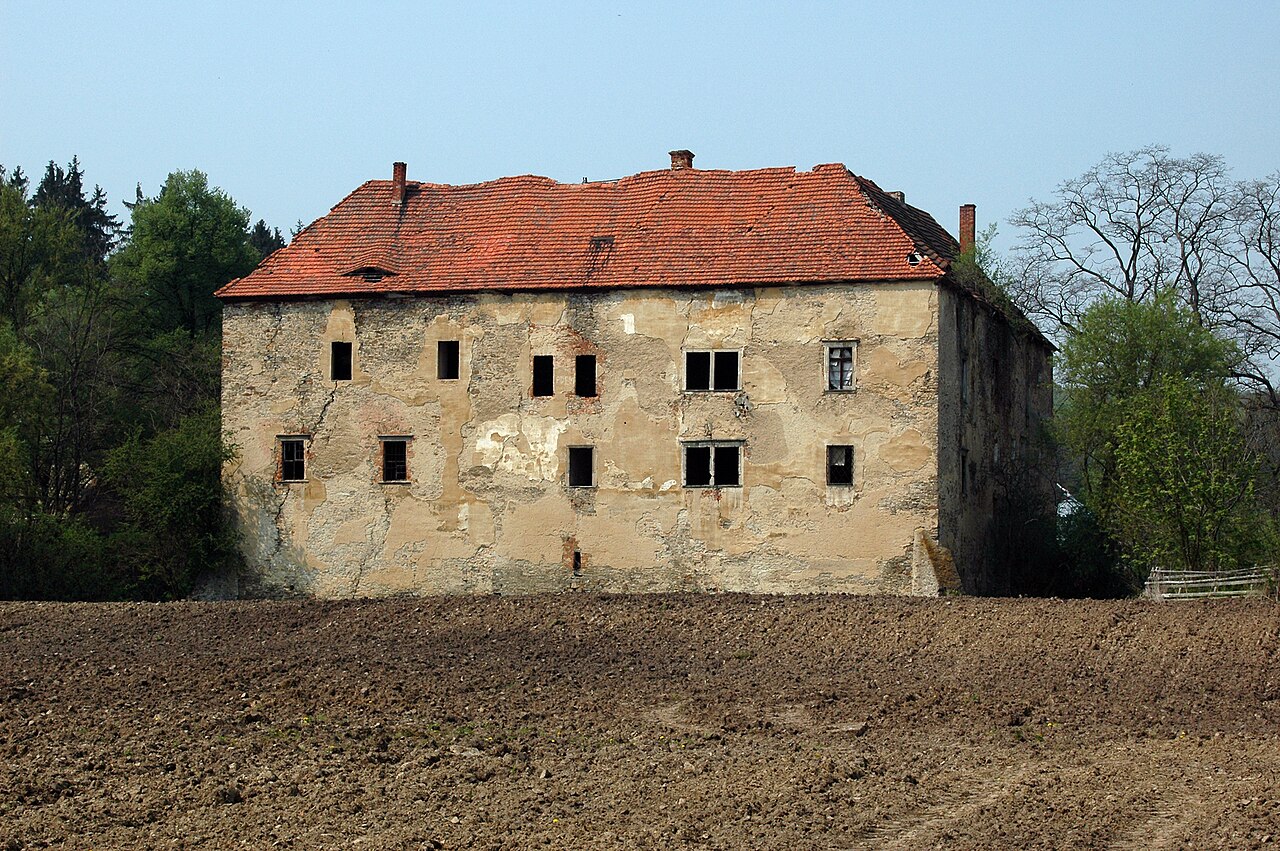
Today, Siemisławice castle presents as a two-story building crowned with a tower positioned on its central axis. The castle's layout and preserved elements offer valuable insights into the architectural transitions from Gothic fortifications to Renaissance residences. The Renaissance portal remains a highlight, showcasing intricate heraldic carvings that speak to the noble lineage and historical prestige of its owners.
The presence of sgraffito fragments on the facades enriches the castle's aesthetic and historical narrative, while the sundial on the tower continues to attract attention for its blend of functionality and artistry. The castle's well-maintained condition allows it to serve as a cultural monument and a testament to Poland's architectural heritage.
Visiting Siemisławice castle
Visitors to Siemisławice castle can explore its exterior architectural details and appreciate the blend of medieval and Renaissance styles. While the interior access and specific visitor facilities may vary, the castle remains a significant landmark in the region of Siemisławice, Poland, offering a glimpse into the historical lifestyle and architectural advancements of its era.
The castle's location on a hill provides scenic views of the surrounding landscape, enhancing the visitor experience. Its preservation status ensures that it stands as a valuable educational resource for those interested in castle architecture and Polish history.
Frequently asked questions (FAQ)
- How do I get to Siemisławice Castle?
- Siemisławice Castle is located in the picturesque village of Siemisławice, Poland. You can reach it by car or public transport from nearby cities, with the nearest major town being Częstochowa. Be sure to check local bus schedules for the most convenient travel options.
- What is the historical significance of Siemisławice Castle?
- Siemisławice Castle dates back to the 14th century and has played a crucial role in the region's history. Originally built as a defensive structure, it has witnessed numerous historical events and has undergone several renovations over the years, reflecting various architectural styles.
- When was Siemisławice Castle built?
- Construction of Siemisławice Castle began in the late 14th century, specifically around 1380. It has since been expanded and renovated, showcasing elements from the Gothic and Renaissance periods, making it a fascinating site for history enthusiasts.
- Can I take guided tours of Siemisławice Castle?
- Yes, guided tours are available at Siemisławice Castle, providing visitors with in-depth information about its history and architecture. It is advisable to check the castle's official website for tour schedules and availability, especially during peak tourist seasons.
- Why is Siemisławice Castle considered an architectural gem?
- Siemisławice Castle is admired for its blend of Gothic and Renaissance architectural styles, featuring impressive stonework and detailed facades. The castle's layout and surrounding gardens also enhance its aesthetic appeal, making it a popular spot for photography and exploration.
- Is it possible to visit Siemisławice Castle year-round?
- Yes, Siemisławice Castle is open to visitors throughout the year, although hours may vary seasonally. It's recommended to check the official website for the most current opening hours and any seasonal events that might enhance your visit.
- What are the ticket prices for visiting Siemisławice Castle?
- Ticket prices for Siemisławice Castle are generally affordable, with discounts available for students and seniors. Group rates may also apply, so be sure to inquire when planning your visit to ensure the best experience.
- What is the best time to visit Siemisławice Castle?
- The best time to visit Siemisławice Castle is during the spring and early autumn when the weather is mild and the surrounding gardens are in full bloom. Additionally, visiting during local festivals can provide a unique cultural experience that enhances your trip.
- Are there any nearby attractions to visit along with Siemisławice Castle?
- Yes, there are several nearby attractions, including historical sites and natural parks that offer a full day of exploration. Consider visiting the nearby town of Częstochowa, home to the famous Jasna Góra Monastery, or enjoy the scenic beauty of the surrounding countryside.
Information
Loading map...
Visitor reviews
No reviews yet. Been here? Write the first review and help other travelers!
Write the first reviewVisited this castle? Share your experience
Your review helps other travelers and adds first-hand knowledge to our encyclopedia.