Windawa
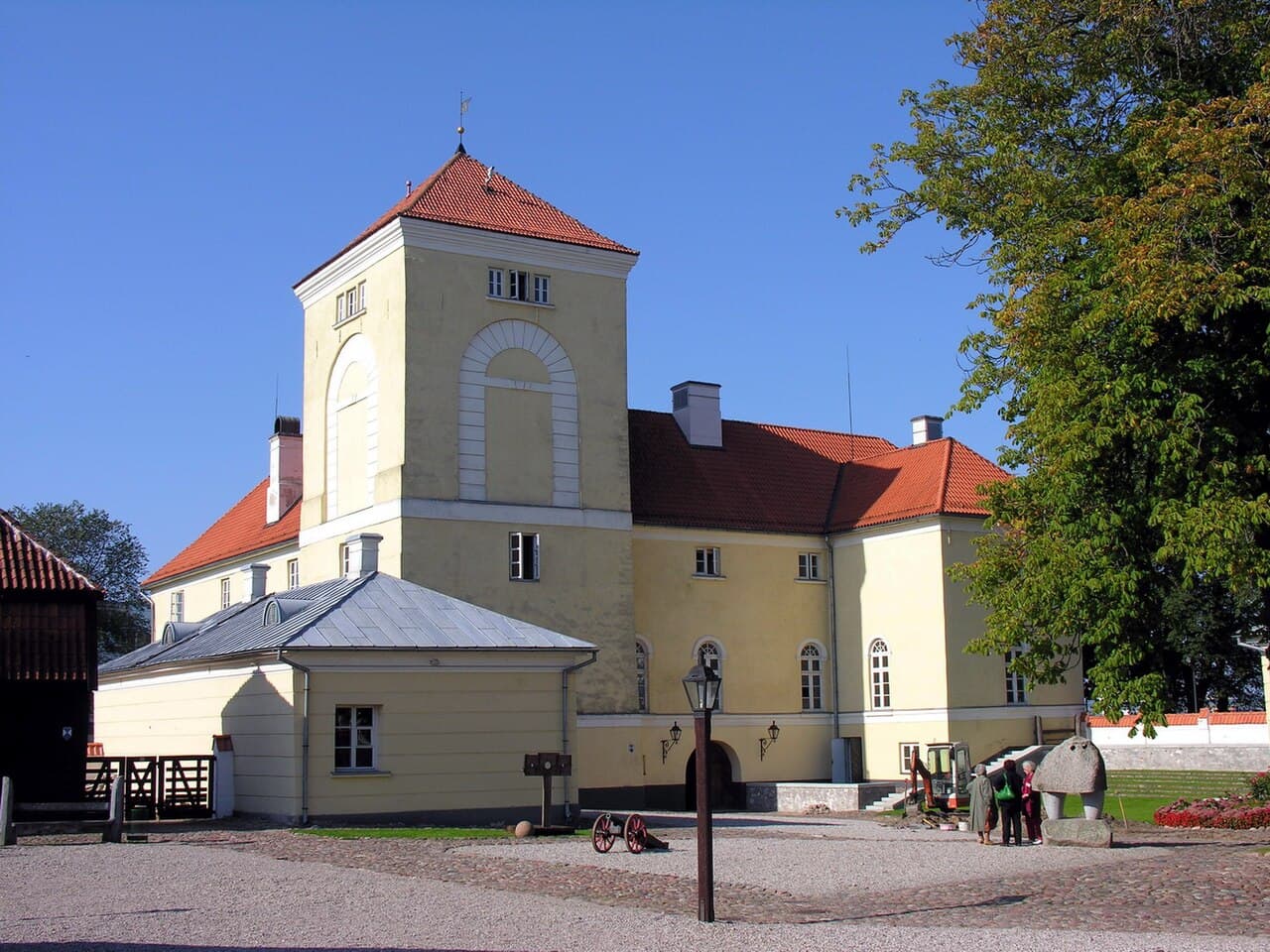
Ventspils Castle, located in Windawa (Ventspils), Latvia, stands as a remarkable example of a bastioned fortress built by the Livonian Order in the 13th century. This castle, also known historically as Windawa Castle, has evolved through centuries of military, religious, and administrative use, preserving a rich heritage that reflects the complex history of the Courland (Kurzeme) region.
The castle’s origins trace back to the mid-13th century when the Teutonic Knights and the Livonian Order extended their control over the territory at the mouth of the Venta River. The first documented mention of the settlement dates to 1263, though it is likely that the initial stone fortifications appeared in the 1280s. By 1291, the presence of a komtur (commander) named Detlev confirms the castle’s role as a military and administrative center. The castle was designed as a convent-type fortress typical of the Order, intended as the seat of the komtur and the convent.
Architectural development and layout
The earliest structure was a massive square tower measuring approximately 10 by 10 meters. This tower served both defensive and practical functions, including storage and command quarters. In the mid-14th century, the castle expanded to form a roughly square layout of about 32.5 by 33.5 meters with an internal courtyard. The southeastern corner features a tower that projects slightly beyond the main curtain wall, enhancing defensive capabilities.
The castle gate, about 3 meters wide, was positioned adjacent to this corner tower, controlling access to the interior. In the early 15th century, the main tower was heightened to five stories, improving its defensive and observational functions. The curtain walls and internal buildings were raised to the height of the third floor and roofed, completing the typical Livonian Order convent castle form.
Internal spaces and functions
The castle’s interior was organized according to the Order’s regulations. The first floor housed essential service rooms such as the treasury, kitchen, storerooms, and stables. The second floor contained the most important chambers: the chapel in the eastern wing, the chapter house to the north, and the refectory and dormitory in the western wing. The komtur’s private quarters were located within the main tower, emphasizing his authority and security.
The third floor was primarily used for defense and armory storage. Access between floors was provided by a wooden gallery (cloister) built within the courtyard. The castle walls were constructed mainly of brick, with corners reinforced by large limestone blocks for stability. The external walls were approximately 2 meters thick, while internal walls facing the courtyard measured about 1.5 meters.
Historical transformations and military significance
Following the secularization of the Livonian Order in 1559, Ventspils Castle became part of the newly formed Duchy of Courland and Semigallia. It served as a military garrison, reflecting the strategic importance of its location near the Baltic Sea and the Venta River estuary. During the Polish-Swedish War (1659–1660), the castle was severely damaged by fire but was promptly rebuilt, although it lost much of its original military significance.
In the 18th century, the castle’s chapel was adapted for use as a Lutheran church. After the region was absorbed into the Russian Empire in 1795, the castle underwent Baroque-style modifications, including the reconstruction of the main tower in 1798. The tower was later converted into a port lighthouse in the late 19th century, reflecting changing functional needs.
19th and 20th century adaptations
Throughout the 19th century, the castle saw significant internal modifications. The wooden cloisters were replaced with masonry galleries, and many large rooms were subdivided into smaller compartments, including prison cells. From 1832 to 1959, the castle functioned as a prison, one of its longest continuous uses.
During World War I, the castle was used by German forces as a prisoner-of-war camp. After the war, it housed Soviet border guard units, which unfortunately led to deterioration due to military use. The castle was vacated by the military in 1985, paving the way for preservation efforts.
Restoration and modern use
Restoration plans initially aimed to return the castle to its medieval appearance, but political changes delayed these efforts. In 1995, a new restoration project focused on the castle’s early 19th-century appearance, preserving its layered historical character. Since 2002, the castle has housed a modern museum showcasing its history and architecture.
Restoration works included the removal of Soviet-era additions, demolition of partition walls, and the installation of a glass roof over the courtyard, creating a protected exhibition space. Notable discoveries during restoration include 15th-century frescoes and a gothic portal, which are key highlights of the museum’s collection.
The castle chapel and the reconstructed komtur’s chamber provide visitors with insight into the religious and administrative life of the medieval Order. The castle today serves as a cultural venue, hosting concerts, exhibitions, and educational programs, thus maintaining its role as a significant landmark in Ventspils.
Architectural significance and heritage value
Ventspils Castle is considered the best-preserved Livonian Order convent castle in Courland, notable for its brick construction with limestone reinforcements and its well-defined bastioned fortress layout. Its evolution from a medieval military stronghold to a modern museum reflects the broader historical shifts in the Baltic region.
The castle’s defensive walls, towers, gate, and courtyard exemplify medieval fortress design adapted to the local geography and political context. The preservation of interior elements such as the chapel, chapter house, refectory, and dormitory offers rare insight into the daily life of the Livonian Order knights and administrators.
Today, Ventspils Castle stands not only as a monument to medieval military architecture but also as a vibrant cultural institution, bridging the past and present through its museum exhibitions and community events.
Frequently asked questions (FAQ)
- How do I get to Windawa Castle?
- Windawa Castle is located in Ventspils, Latvia, and is easily accessible by car or public transport. If you are traveling by bus, there are regular services from major cities in Latvia to Ventspils. Additionally, the castle is within walking distance from the Ventspils city center.
- What is the historical significance of Windawa Castle?
- Windawa Castle dates back to the 13th century and played a crucial role in the medieval defense system of the region. It has witnessed numerous historical events and changes in rule, making it an important site for understanding Latvia's history. Today, it stands as a testament to the architectural styles and fortification techniques of the time.
- When was Windawa Castle built?
- Construction of Windawa Castle began in the early 13th century, specifically around 1240. It was built by the Livonian Order as a strategic fortification against invasions. Over the centuries, it has undergone several renovations and restorations to preserve its historical value.
- Can I visit Windawa Castle year-round?
- Yes, Windawa Castle is open to visitors year-round, though specific areas may be closed during winter months for maintenance. It’s advisable to check the official website for any seasonal changes in visiting hours and available tours. The castle offers a unique experience in every season.
- Why is the architecture of Windawa Castle unique?
- The architecture of Windawa Castle combines Gothic and Romanesque elements, reflecting the various influences of the periods in which it was built. Its thick stone walls, narrow windows, and fortified towers are characteristic of medieval military architecture. The castle's design not only served defensive purposes but also showcased the power of its rulers.
- Is it possible to explore the interior of Windawa Castle?
- Yes, visitors can explore the interior of Windawa Castle, including its historical exhibits and beautifully preserved rooms. Guided tours are available, providing insights into the castle's history and architecture. Be sure to check the schedule for any special events or exhibitions that may enhance your visit.
- What are the ticket prices for Windawa Castle?
- Ticket prices for Windawa Castle are quite affordable, with discounts available for students and seniors. Children under a certain age can often enter for free. It's best to check the official website for the most up-to-date pricing information and any special offers.
- When is the best time to visit Windawa Castle?
- The best time to visit Windawa Castle is during the late spring and early summer months when the weather is pleasant and many outdoor activities are available. Additionally, various cultural events and festivals are often held during this time, enhancing the visitor experience. Autumn offers beautiful scenery, while winter provides a magical, snow-covered atmosphere.
- What nearby attractions should I visit while in Ventspils?
- While visiting Windawa Castle, you can also explore the beautiful Ventspils beach, the Ventspils Lighthouse, and the charming city center with its vibrant shops and cafes. The Ventspils Creative House and the Seaside Open-Air Museum are also popular spots for families and history enthusiasts. There’s plenty to enjoy in the surrounding area!
Photo gallery

Information
Website
Visit websiteSources & official resources
Verify the information above using these authoritative references.
Loading map...
Visitor reviews
No reviews yet. Been here? Write the first review and help other travelers!
Write the first reviewVisited this castle? Share your experience
Your review helps other travelers and adds first-hand knowledge to our encyclopedia.