Winchester Castle — United Kingdom castle

Winchester Castle

The round table of knights fame at winchester castle
Winchester, England, United Kingdom
Late Medieval (14th–15th c.)
Partially Preserved

Winchester Castle in Winchester, England, is a site steeped in history that spans from Roman times through the medieval period to modern days. Among its most famous features is the Round Table of Knights Fame, a large wooden table displayed in the castle's Great Hall. Although it is now understood to be a later medieval creation rather than the original Arthurian artifact, this table has become a potent symbol of the legendary King Arthur and his knights.

The Round Table currently hanging in Winchester Castle dates to the late 13th century, crafted from English oak. It was likely made around 1290 for a tournament celebrating the betrothal of one of Edward I's daughters. This event was part of a chivalric festival that sought to evoke the ideals of knighthood and the Arthurian legend. The table itself is painted with the names of the knights of the Round Table and features a central depiction of King Arthur, which was repainted during the reign of Henry VIII, reflecting Tudor iconography.

Historical significance of winchester castle

The castle stands on a site originally fortified by the Romans around AD 70 as a fort to protect the settlement of Venta Belgarum. This Roman earthwork forms the foundation of the castle's defensive position, with a large rampart still visible today.

Following the Norman Conquest, William the Conqueror established the first Norman castle here in 1067, making it one of England's earliest Norman fortifications. It served as a royal administrative center and military stronghold for over a century. The castle played a notable role during the civil war known as The Anarchy in the 12th century, including the Rout of Winchester in 1141.

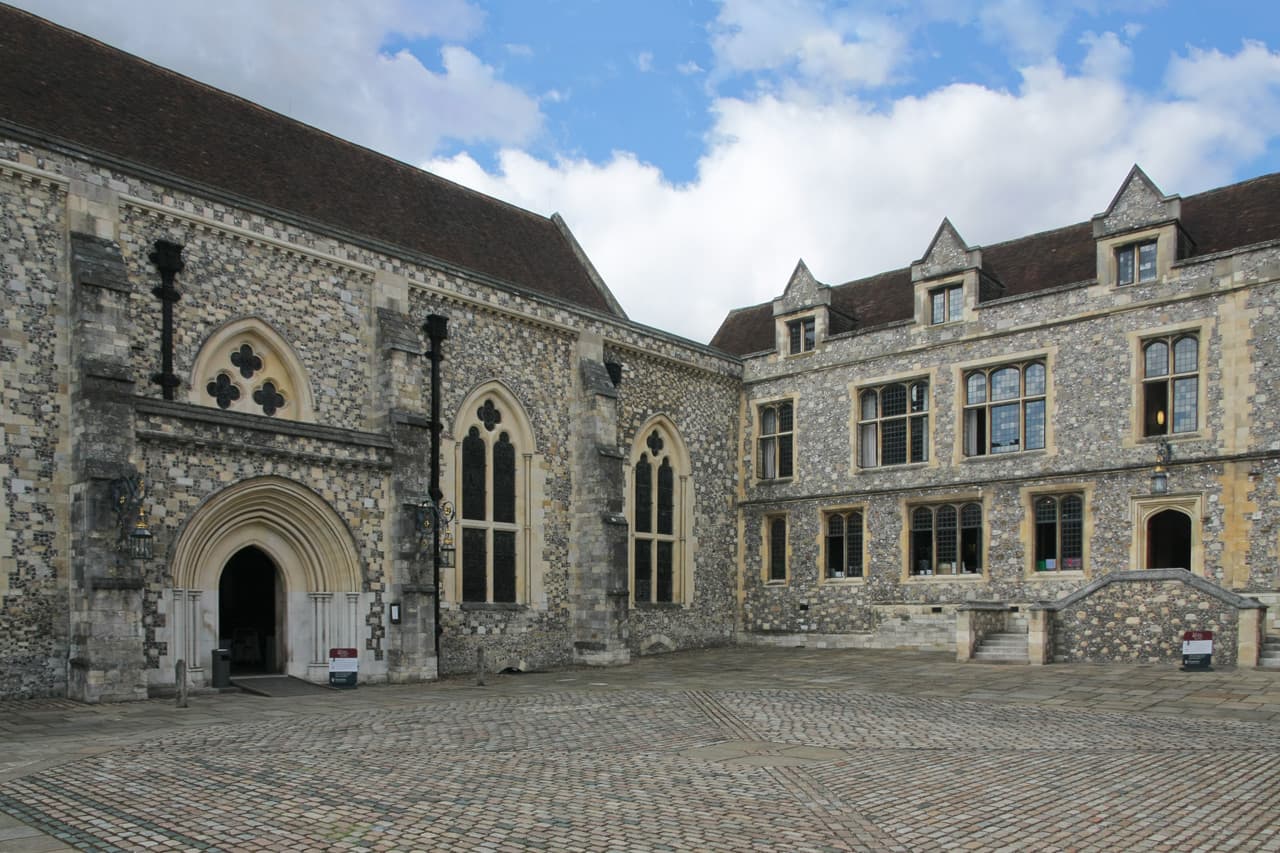
King Henry II reinforced the castle with a stone keep designed to protect the royal treasury and important documents like the Domesday Book. The castle was further expanded under King Henry III, who was born at Winchester and commissioned the construction of the Great Hall between 1222 and 1235. This hall is one of the finest surviving examples of a 13th-century aisled hall in England.

Architectural features and the great hall

The Great Hall is the castle’s most prominent surviving structure, built primarily from flint with stone dressings. It measures approximately 110 feet long by 55 feet wide and high, following the double cube design principle. Originally, the hall featured lower walls and dormer windows, which were replaced over time by tall two-light windows with early plate tracery, characteristic of the period's Gothic style.

The hall’s interior once housed the Round Table, which remains its centerpiece. The table's circular shape symbolizes equality among the knights, a key element of the Arthurian mythos. The hall also displays the Winchester Panels, illuminated pictorial works thought to depict twenty-five knights and illustrate medieval concepts of life and chivalry.

Nearby, remnants of the castle's Norman fortifications survive, including a round tower with sally ports, which provided strategic defense mechanisms during sieges. The castle complex also includes the Jews’ Tower, where a rare Hebrew inscription from 1287 attests to the presence of the medieval Jewish community in Winchester.

Later history and uses of winchester castle

After the medieval period, Winchester Castle transitioned from a royal residence to a civic building. Following the accession of Elizabeth I in 1558, the castle became city property and was used as a prison and courthouse. Notably, it held religious prisoners such as the nun Elizabeth Sander and hosted high-profile trials, including that of Sir Walter Raleigh for treason in 1603.

During the English Civil War, the castle was held by Royalist forces until captured by Parliamentarians in 1646. In 1649, Oliver Cromwell ordered the castle's partial demolition. Plans for a royal palace on the site by Charles II and architect Christopher Wren were never realized.

The Great Hall continued to serve judicial functions into the 20th century, hosting the Bloody Assizes after the Monmouth Rebellion and trials related to the Provisional IRA. It ceased operating as a criminal court in 1974 and is now managed as a museum by the Hampshire Cultural Trust.

The castle grounds and queen eleanor’s garden

Behind the Great Hall lies Queen Eleanor’s Garden, established in 1986 to evoke the style of a medieval garden, complementing the historic atmosphere of the site. The garden features period-appropriate plants and landscaping, providing visitors a sense of the castle's medieval environment.

The castle's location near the Westgate and surviving city walls offers a comprehensive glimpse into Winchester's layered history, from Roman military beginnings through Norman and medieval royal administration to modern civic use.

Today, Winchester Castle and its Great Hall remain essential cultural landmarks, attracting visitors interested in England's rich medieval heritage, the enduring legend of King Arthur, and the architectural grandeur of one of the country's most significant historic sites.

Frequently asked questions (FAQ)

How do I visit Winchester Castle and the Round Table?
Winchester Castle is open to visitors daily from 10:00 to 16:00. Tickets can be purchased on-site or online, with prices typically around £8 for adults and £5 for children.
What is the historical significance of the Round Table?
The Round Table is a 13th-century artifact linked to King Arthur's legend, created for a tournament celebrating Edward I's daughter's betrothal. It symbolizes medieval chivalry and knighthood.
Can I see the Round Table inside the Great Hall?
Yes, the Round Table is prominently displayed inside the Great Hall of Winchester Castle, which is one of the finest surviving medieval halls in England.
Is Winchester Castle accessible for visitors with mobility issues?
The Great Hall and main exhibition areas are accessible, but some parts of the castle grounds may have uneven surfaces. Visitors with mobility concerns should check in advance for assistance.
What other attractions are near Winchester Castle?
Nearby attractions include the Winchester Cathedral, the Westgate Museum, and the historic city walls, all within walking distance of the castle.

Photo gallery

Winchester Castle
Click to view

Photo by Martin Kraft•CC BY-SA 3.0

1 photo • Click any image to view in full screen

Information

Hill Castle

Opening hours

10:00-16:00, daily

Ticket prices

£8 adult, £5 child

Current owner

Hampshire Cultural Trust

Sources & official resources

Verify the information above using these authoritative references.

Loading map...

Visitor reviews

No reviews yet. Been here? Write the first review and help other travelers!

Write the first review

Visited this castle? Share your experience

Your review helps other travelers and adds first-hand knowledge to our encyclopedia.
Write a review

(5/5)

0/2000 characters

Your review will be visible after admin approval

Nearby castles

0.8 km
Wolvesey Castle — United Kingdom castle

Wolvesey Castle

Winchester, United Kingdom

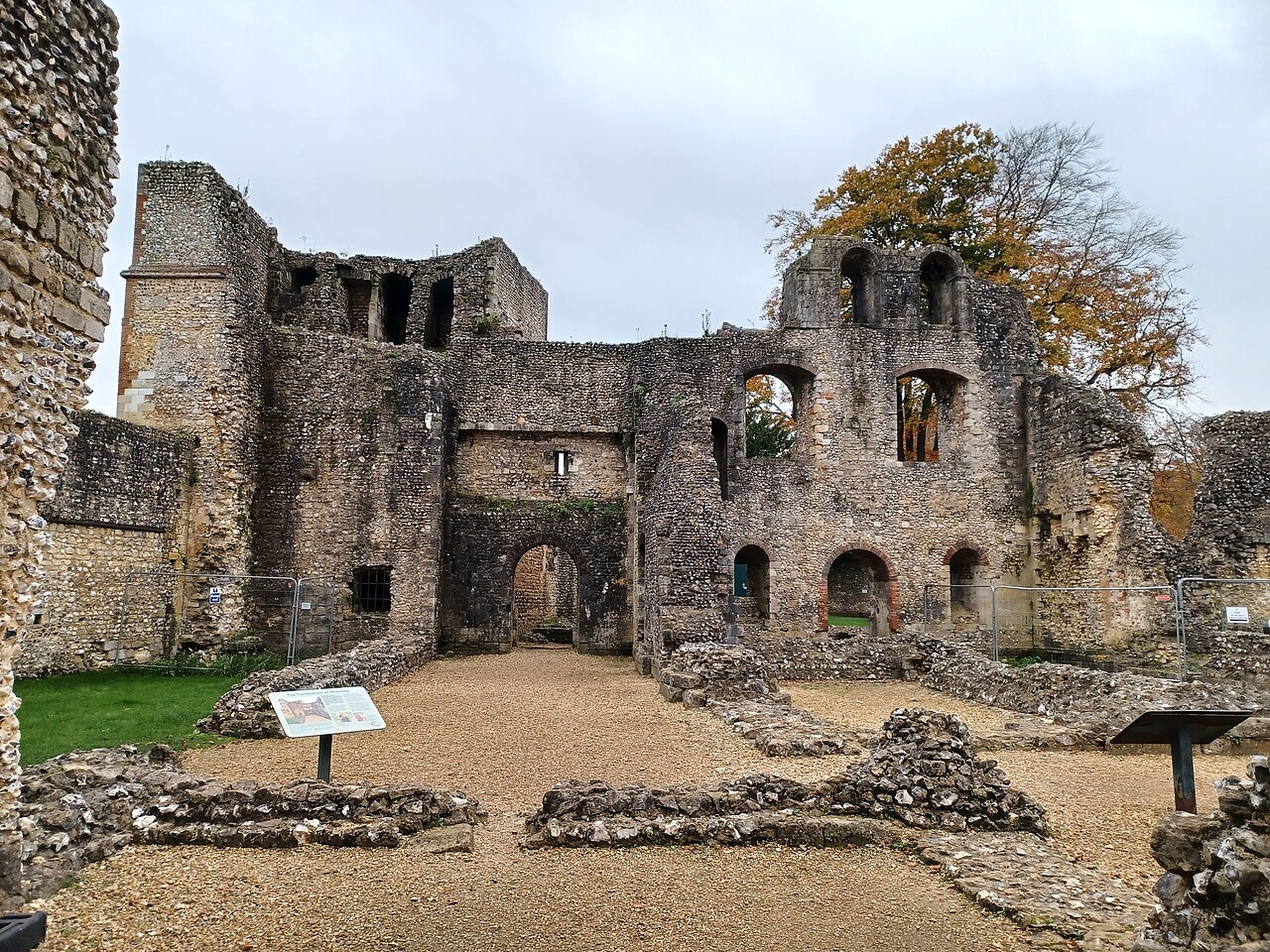
Wolvesey Castle stands as a remarkable example of a fortified episcopal palace located in Winchester, England. Its origins trace back to a site historically known as Wulveseye or Wulf's island, an eyot in the River Itchen with a history reaching back to Roman times. The castle's location, approximately 34 meters above sea level, occupies a small island in a generally flat valley, providing natural defensive advantages that were enhanced by medieval fortifications.The castle's significance lies not only in its military and defensive roles but also in its ecclesiastical function as the residence of the Bishop of Winchester. This dual purpose shaped its architecture and historical trajectory, intertwining religious authority with feudal power during the medieval and early modern periods.Early foundations and episcopal developmentThe earliest documented construction on the site began around 970 AD when Bishop Æthelwold of Winchester established a palace on the island. This marked the beginning of Wolvesey Castle's role as a central episcopal residence. The location was strategically chosen for its defensible position and proximity to Winchester, a major ecclesiastical and political center in England.In the early 12th century, around 1110, Bishop William Giffard undertook significant building works, including the addition of a new hall on the southwest side of the complex. This expansion reflected the growing importance of the bishopric and the need for more substantial residential and administrative spaces.The fortifications of henry of bloisBetween 1135 and 1138, the castle underwent major enhancements under Henry of Blois, Bishop of Winchester and brother to King Stephen. Henry fortified the palace by constructing a curtain wall around the site and adding a second hall on the western side. These defensive measures were a response to the volatile political climate of the time, particularly the civil war known as The Anarchy.The curtain walls, built in the mid-12th century, remain one of the castle's most prominent features today. They exemplify the medieval military architecture of the period, combining robust stone construction with strategic design to protect the bishop's residence from siege and attack.Military significance and siegesWolvesey Castle played a notable role in several conflicts during the 12th and early 13th centuries. In 1141, it withstood a siege during the Rout of Winchester, a critical event during The Anarchy that underscored the castle's defensive strength.Later, in June 1216, during the First Barons' War, the castle was again besieged. At that time, Oliver fitz Regis defended the stronghold against forces led by Prince Louis of France. This siege highlighted Wolvesey's strategic importance as a fortified episcopal seat capable of resisting military assaults.Renaissance and early modern transformationsBy the 16th century, Wolvesey Castle had evolved to accommodate not only military and ecclesiastical functions but also royal ceremonial uses. Notably, the palace hosted the wedding breakfast of Queen Mary I of England and Philip II of Spain in 1554, demonstrating its continued prestige and suitability for significant state occasions.The castle's fortunes declined sharply during the English Civil War. In 1646, Parliamentary forces largely destroyed the palace, leaving it in ruins. This destruction marked the end of Wolvesey's role as a major episcopal residence and military fortress.Following the medieval period, a Baroque palace was constructed nearby in 1684 by Thomas Finch for Bishop George Morley. Most of this later structure was demolished by 1786, except for the west wing, which was refurbished in 1926 and returned to use as an episcopal residence. This continuity of ecclesiastical habitation links the historic site to the present day.Architectural remains and featuresThe surviving ruins of Wolvesey Castle provide a vivid glimpse into its medieval past. The curtain walls, primarily from the mid-12th century, still stand prominently, enclosing the site and conveying its fortified character.Within the enclosure, the footprint of the principal hall remains visible, including a large round arch and a well-preserved Norman window. These architectural elements reveal the castle's original Romanesque style and construction techniques.The most significant intact medieval structure is the 15th-century chapel attached to the southern range of the palace. This chapel remains in active use, serving as a direct link to the site's religious heritage and continuing episcopal functions.Surrounding landscape and contextWolvesey Castle is situated amidst agricultural land with a moderate rural population density, providing a peaceful setting that contrasts with its historic military and administrative roles. Adjacent to the castle are portions of the old city walls of Winchester, which themselves hold historical significance and contribute to the site's heritage value.Cultural significance and preservationToday, the ruins of Wolvesey Castle are recognized as a Grade I listed site, reflecting their exceptional cultural and historic importance. The site is maintained by English Heritage, ensuring the preservation of its architectural features and facilitating public access and education.The castle's layered history as a fortified episcopal palace, a military stronghold during key historical conflicts, and a venue for royal ceremonies makes it a compelling destination for visitors interested in medieval architecture, English history, and ecclesiastical heritage.

High Medieval (11th–13th c.)
Details
17.5 km
Danebury Hill Camp — United Kingdom castle

Danebury Hill Camp

, United Kingdom

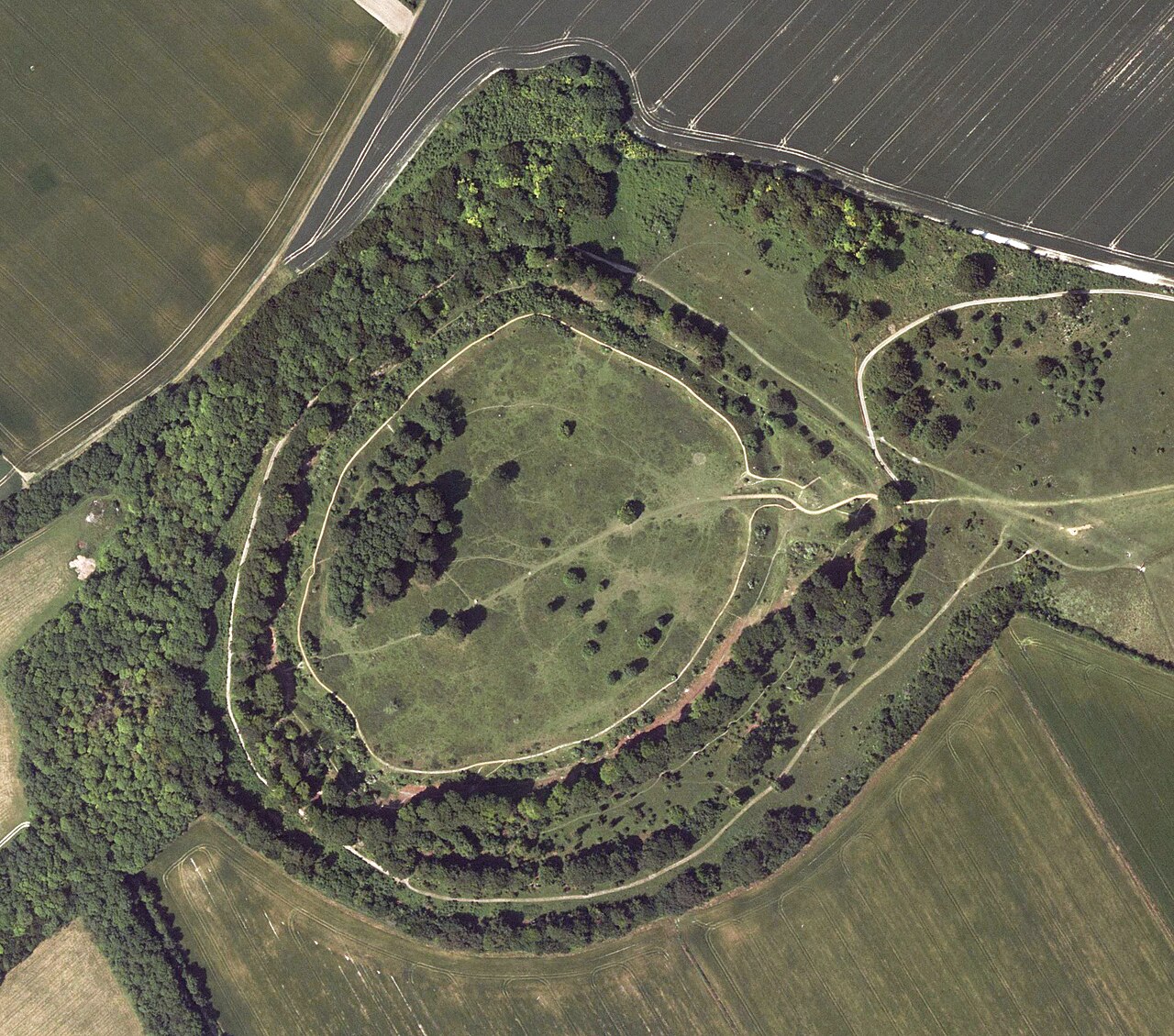
Danebury hill camp is a prominent Iron Age hillfort located in Hampshire, England, approximately 19 kilometres northwest of Winchester. This extensive archaeological site covers about 5 hectares (12 acres) and stands as one of the most intensively excavated hillforts in Britain. The site was systematically excavated during the 1970s by the renowned archaeologist Barry Cunliffe, whose work significantly advanced the understanding of Iron Age fortifications and settlements. Historical context and significance Constructed in the 6th century BC, Danebury was occupied for nearly 500 years, spanning much of the Iron Age. This period saw a proliferation of hillforts across the Wessex region, reflecting social and political changes among the communities. Danebury is considered a type site for hillforts due to the depth of archaeological research conducted here, which has provided crucial insights into the construction, use, and evolution of such sites. Architectural features and fortifications Danebury hill camp is classified as a hill castle rather than a bastioned fortress, as it predates medieval fortification styles. The fort is situated on a prominent hilltop, utilizing natural contours to enhance its defensive capabilities. Its fortifications include multiple concentric ramparts and ditches that were remodelled several times during its occupation, resulting in a complex and developed defensive system. The ramparts were constructed using earth and timber, forming substantial banks that would have been topped with wooden palisades. The entrances were carefully designed to control access, with evidence of inturned gateways that would have been easily defensible. The interior of the hillfort likely contained domestic structures, storage pits, and areas for craft production, reflecting a vibrant community life. Archaeological discoveries and research impact The excavations led by Barry Cunliffe uncovered a wealth of material culture including pottery, metalwork, animal bones, and evidence of agricultural practices. These findings have shed light on the daily lives, economy, and social organization of the Iron Age inhabitants. The site also revealed evidence of seasonal occupation and possible ritual activities, contributing to broader interpretations of hillfort functions beyond mere military defense. Danebury's excavation methodology set new standards in archaeological practice, combining detailed stratigraphic analysis with environmental sampling. This comprehensive approach has made Danebury a benchmark for studying prehistoric hillforts across Europe. Preservation and current status Today, Danebury hill camp is protected as a Scheduled Monument and is part of a Local Nature Reserve known as Danebury Hillfort. The surrounding area is designated as a Site of Special Scientific Interest (SSSI), highlighting its ecological as well as historical importance. Visitors can explore the earthworks and enjoy panoramic views of the Hampshire countryside, though no standing stone structures remain. Interpretive signage and public access paths provide educational opportunities, making Danebury a valuable resource for both heritage tourism and academic study.

Early Medieval (5th–10th c.)
Details
18.9 km
Southampton Castle — United Kingdom castle

Southampton Castle

Southampton, United Kingdom

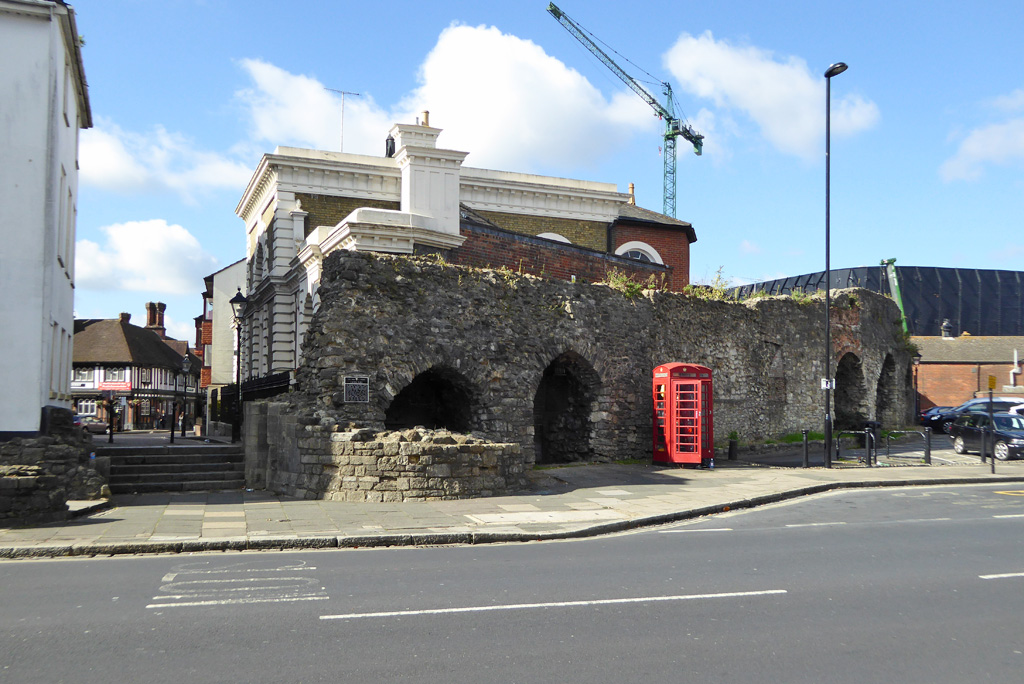
Southampton Castle stands as a significant historical site in the town of Southampton, located in Hampshire, England. Originally constructed shortly after the Norman conquest of England in 1066, the castle was strategically positioned in the north-west corner of the town, overlooking the vital River Test. Its initial design followed the typical motte and bailey style, featuring a wooden keep atop an artificial mound (motte) and an enclosed courtyard (bailey) surrounded by a protective palisade and ditch. This early fortification was built to assert Norman control over the newly conquered territory and to protect the important port town of Southampton. Development from wooden fortification to stone castle By the late 12th century, Southampton Castle underwent significant transformation as the wooden structures were replaced with stone fortifications, reflecting advances in military architecture and the need for more durable defenses. The castle became a royal stronghold, playing a pivotal role in the protection and administration of the town, which was a key hub in the wine trade through the Southampton docks. The stone castle included substantial curtain walls, towers, and a fortified gatehouse, designed to withstand sieges and raids. Medieval military significance and architectural features During the 13th century, Southampton Castle's importance waned somewhat, but it remained a notable defensive site. The threat of French raids during the Hundred Years' War in the 1370s prompted King Richard II to commission extensive rebuilding efforts. These renovations transformed Southampton Castle into one of the first English castles equipped to mount cannon defenses, marking a significant adaptation to the evolving nature of warfare. The castle's walls were reinforced, and new towers were constructed to accommodate artillery, making it a formidable coastal fortress. Key architectural elements Motte and bailey layout: The original wooden fortifications were typical of early Norman castles, with a raised earthwork (motte) and enclosed courtyard (bailey). Stone curtain walls: Replacing timber defenses, these thick walls provided enhanced protection against siege engines and attacks. Gatehouse and towers: Fortified entry points and towers allowed defenders to control access and improve surveillance. Artillery adaptations: The late 14th-century rebuild included embrasures and platforms for mounting early cannon, reflecting military innovation. Decline and later history Despite its upgrades, Southampton Castle's military relevance declined in the 16th century as new fortification technologies and political changes reduced the need for such medieval strongholds. In 1618, the castle was sold to private property speculators, marking the end of its use as a royal fortress. Over the following centuries, the site underwent various changes, including the construction of a Gothic mansion in the early 19th century, which incorporated some of the castle's remains. Eventually, much of the castle site was flattened and redeveloped as Southampton expanded, leaving only a few visible remnants today. These archaeological ruins provide valuable insights into the castle's layered history and architectural evolution from a Norman wooden fortification to a stone fortress adapted for artillery warfare. Archaeological significance and preservation Today, Southampton Castle is recognized as an important archaeological site that illustrates the development of medieval military architecture and the strategic importance of Southampton as a port town. Excavations and studies have revealed foundations, wall fragments, and other structural elements that help historians and visitors understand the castle's original layout and subsequent modifications. The site is managed to preserve these remains and educate the public about the castle's historical role. Although only ruins remain, Southampton Castle's story reflects broader themes in English history, including Norman conquest, medieval warfare, and the transition to gunpowder artillery.

Details