Southampton Castle
Southampton Castle stands as a significant historical site in the town of Southampton, located in Hampshire, England. Originally constructed shortly after the Norman conquest of England in 1066, the castle was strategically positioned in the north-west corner of the town, overlooking the vital River Test. Its initial design followed the typical motte and bailey style, featuring a wooden keep atop an artificial mound (motte) and an enclosed courtyard (bailey) surrounded by a protective palisade and ditch. This early fortification was built to assert Norman control over the newly conquered territory and to protect the important port town of Southampton.
Development from wooden fortification to stone castle
By the late 12th century, Southampton Castle underwent significant transformation as the wooden structures were replaced with stone fortifications, reflecting advances in military architecture and the need for more durable defenses. The castle became a royal stronghold, playing a pivotal role in the protection and administration of the town, which was a key hub in the wine trade through the Southampton docks. The stone castle included substantial curtain walls, towers, and a fortified gatehouse, designed to withstand sieges and raids.
Medieval military significance and architectural features
During the 13th century, Southampton Castle's importance waned somewhat, but it remained a notable defensive site. The threat of French raids during the Hundred Years' War in the 1370s prompted King Richard II to commission extensive rebuilding efforts. These renovations transformed Southampton Castle into one of the first English castles equipped to mount cannon defenses, marking a significant adaptation to the evolving nature of warfare. The castle's walls were reinforced, and new towers were constructed to accommodate artillery, making it a formidable coastal fortress.
Key architectural elements
- Motte and bailey layout: The original wooden fortifications were typical of early Norman castles, with a raised earthwork (motte) and enclosed courtyard (bailey).
- Stone curtain walls: Replacing timber defenses, these thick walls provided enhanced protection against siege engines and attacks.
- Gatehouse and towers: Fortified entry points and towers allowed defenders to control access and improve surveillance.
- Artillery adaptations: The late 14th-century rebuild included embrasures and platforms for mounting early cannon, reflecting military innovation.
Decline and later history
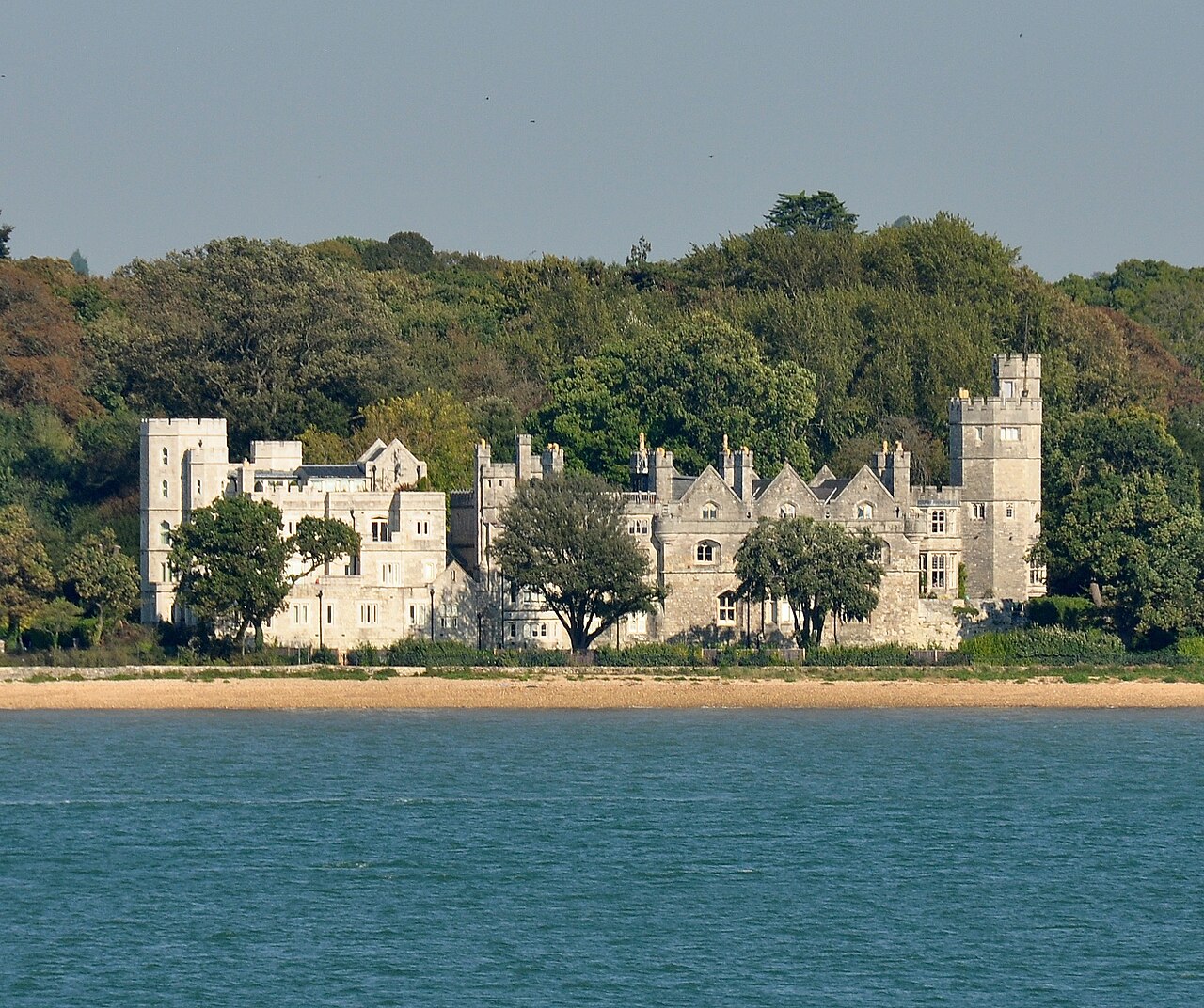
Despite its upgrades, Southampton Castle's military relevance declined in the 16th century as new fortification technologies and political changes reduced the need for such medieval strongholds. In 1618, the castle was sold to private property speculators, marking the end of its use as a royal fortress. Over the following centuries, the site underwent various changes, including the construction of a Gothic mansion in the early 19th century, which incorporated some of the castle's remains.
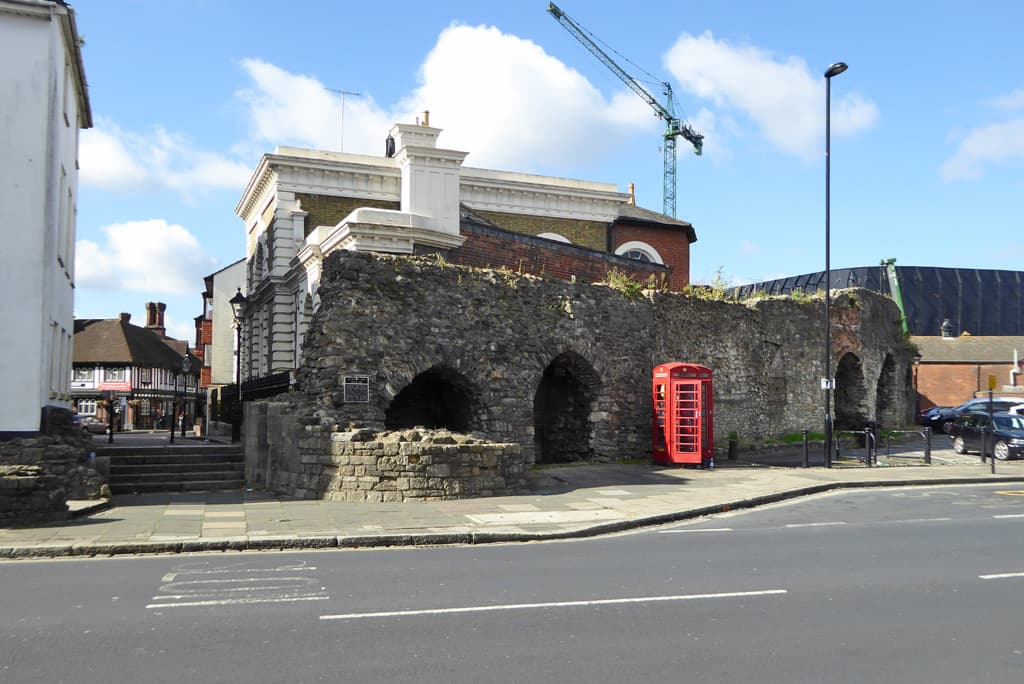
Eventually, much of the castle site was flattened and redeveloped as Southampton expanded, leaving only a few visible remnants today. These archaeological ruins provide valuable insights into the castle's layered history and architectural evolution from a Norman wooden fortification to a stone fortress adapted for artillery warfare.
Archaeological significance and preservation
Today, Southampton Castle is recognized as an important archaeological site that illustrates the development of medieval military architecture and the strategic importance of Southampton as a port town. Excavations and studies have revealed foundations, wall fragments, and other structural elements that help historians and visitors understand the castle's original layout and subsequent modifications.
The site is managed to preserve these remains and educate the public about the castle's historical role. Although only ruins remain, Southampton Castle's story reflects broader themes in English history, including Norman conquest, medieval warfare, and the transition to gunpowder artillery.
Frequently asked questions (FAQ)
- What is the historical significance of Southampton Castle?
- Southampton Castle, originally built in the 13th century, played a crucial role in England's maritime history. It served as a defense against invasions and was a significant departure point for ships heading to France during the Hundred Years' War.
- When was Southampton Castle built?
- Construction of Southampton Castle began in 1140 and was completed in the following decades. The castle has undergone various renovations and modifications over the centuries, reflecting the architectural styles of different periods.
- What are the opening hours of Southampton Castle?
- Southampton Castle is open to visitors from 10 AM to 5 PM daily, but it's advisable to check the official website for any seasonal variations or special events that may affect these hours.
- Can I access Southampton Castle with a wheelchair?
- Yes, Southampton Castle aims to be accessible to all visitors. There are ramps and designated paths to help those with mobility issues navigate the site comfortably.
- What are the ticket prices for visiting Southampton Castle?
- Admission to Southampton Castle is typically priced at £6 for adults and £3 for children. Family tickets and concessions are also available, providing affordable access for everyone.
- When is the best time to visit Southampton Castle?
- The best time to visit Southampton Castle is during the spring and summer months when the weather is pleasant, and the gardens are in full bloom. Additionally, various events and activities are often scheduled during these seasons, enhancing the visitor experience.
- Are there any nearby attractions to visit along with Southampton Castle?
- Yes, nearby attractions include the SeaCity Museum, which explores Southampton's maritime history, and the Tudor House and Garden, showcasing the rich heritage of the city. Exploring these sites can provide a fuller understanding of Southampton's historical context.
Photo gallery

Information
Loading map...
Visitor reviews
No reviews yet. Been here? Write the first review and help other travelers!
Write the first reviewVisited this castle? Share your experience
Your review helps other travelers and adds first-hand knowledge to our encyclopedia.