Wilton Castle
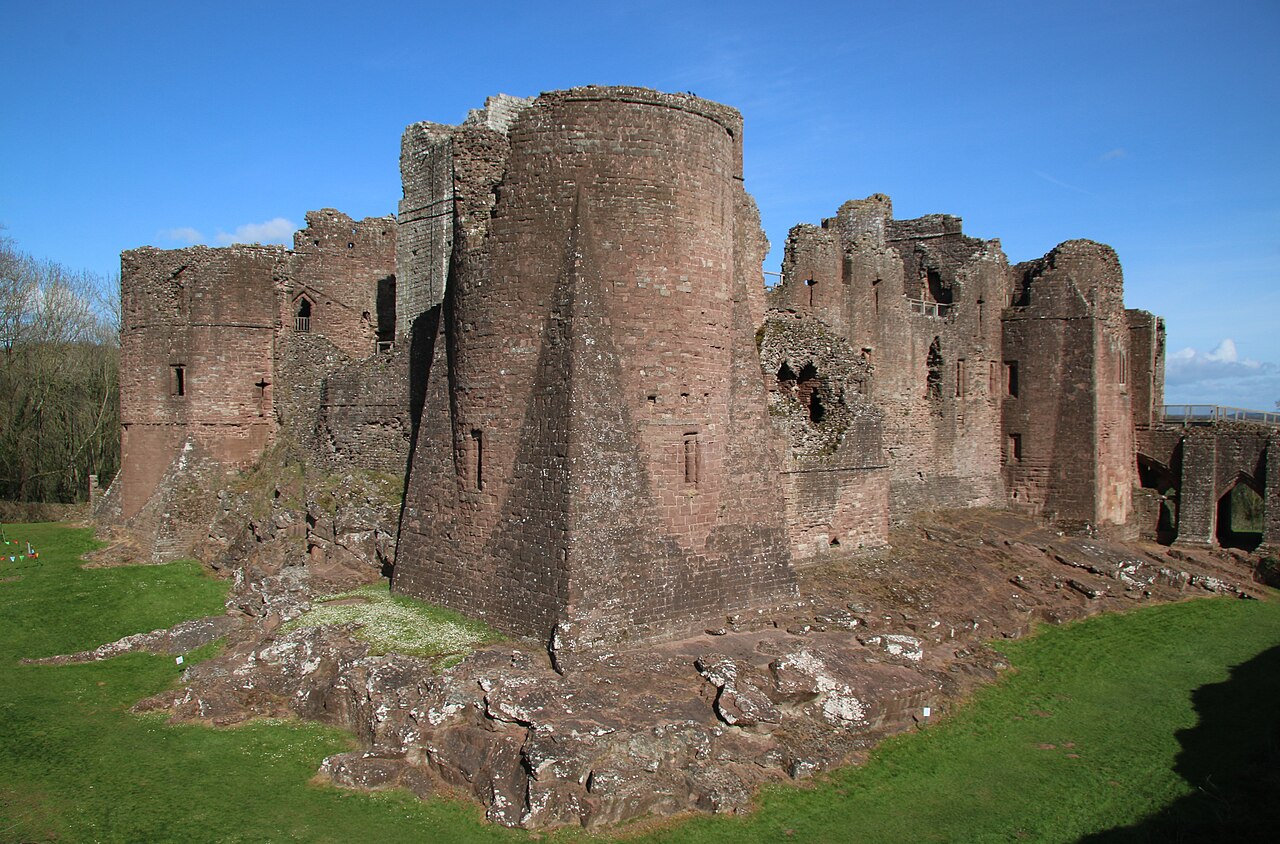
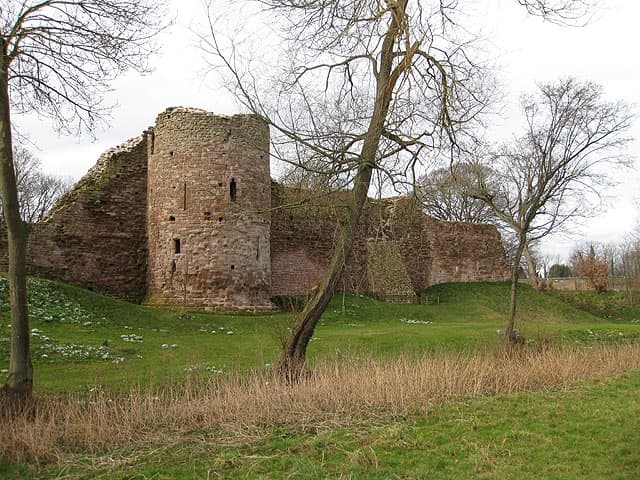
Wilton Castle is a 12th-century Norman hill castle situated in south-eastern Herefordshire, England, near the town of Ross-on-Wye on the banks of the River Wye. The castle takes its name from the manor it was historically associated with and stands as a significant example of medieval fortifications in the Welsh Marches region. Though largely ruined, the castle's remains still reach battlement height, offering insight into its former defensive strength and the prominence of its lords.
The origins and early history of Wilton Castle
The castle was constructed in the 12th century during the high medieval period, a time when the Normans were consolidating their control over England and the borderlands with Wales. It was originally established by the Longchamp family, notable Norman lords who served as Bailiffs of Normandy, Chancellors of England, and sheriffs of Hereford and the Welsh Marches. The Longchamps were influential figures during the reign of King John but also became his adversaries, reflecting the turbulent politics of the era.
Despite claims made by Matilda de Grey (née de Cantilupe) in 1292 that the castle dated back to the reign of Edward the Confessor (1042–1066), historical evidence confirms that Wilton Castle was built no earlier than 1154. The assertion that the castle was held as a Marcher Lordship with special rights was also inaccurate, underscoring the complex feudal disputes over land and titles in this border region.
The castle's association with the Grey family and the Welsh Marches
Following the Longchamps, the castle passed to the de Cantilupe family, and subsequently to the Grey family, who became the Barons Grey of Wilton. This family was a prominent dynasty of Norman-descended Marcher Lords who played a significant role in the governance and military affairs of the Welsh borderlands. They held Wilton Castle from at least 1308, using it as a power base to exert influence across Herefordshire and into Wales.
The Greys were involved in various military and political events in the region, reflecting the ongoing conflicts between the English crown and Welsh principalities. Their tenure at Wilton Castle illustrates the strategic importance of such fortifications in controlling border territories during the medieval period.
Architectural features and defensive structures
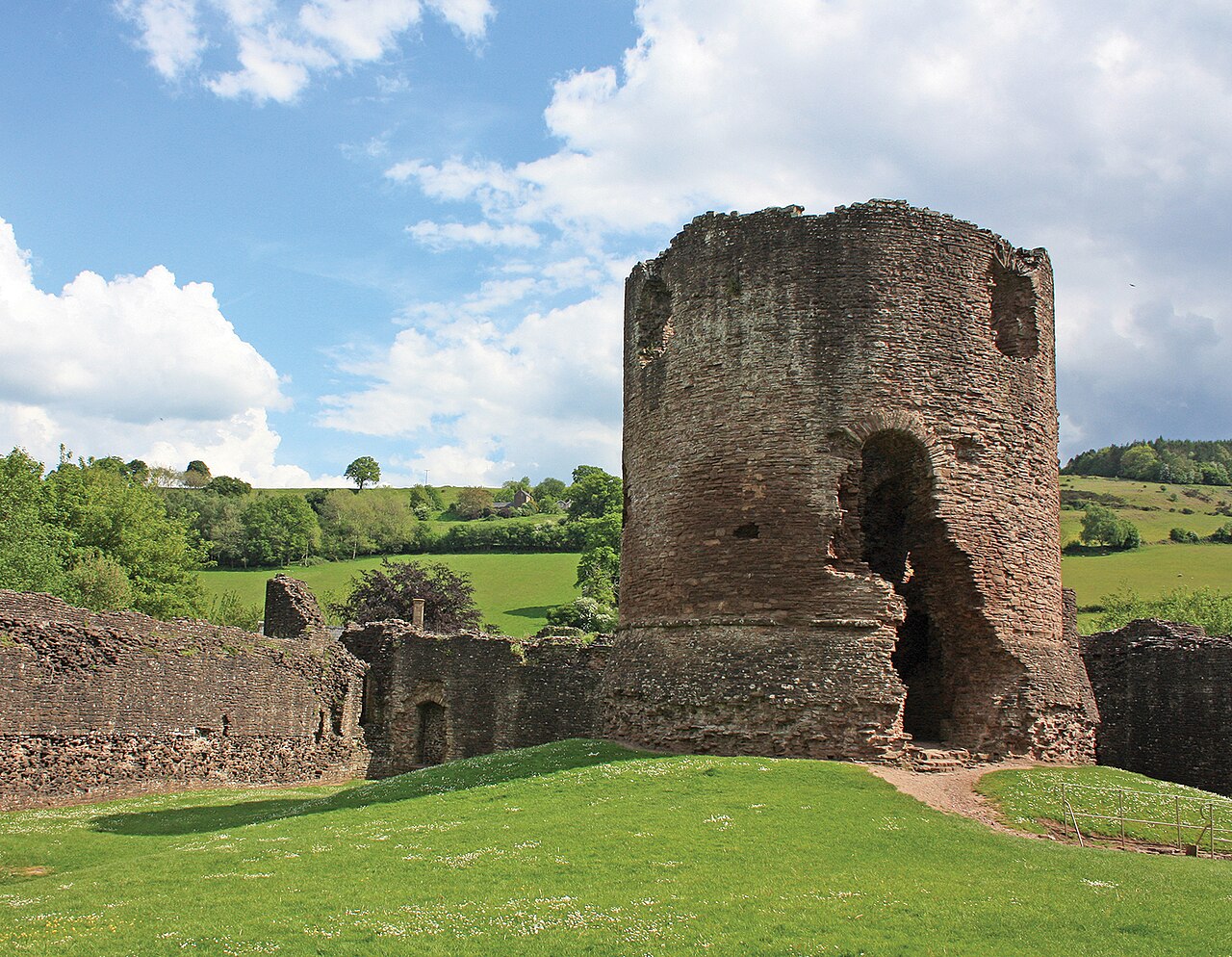
Wilton Castle was constructed primarily as a hill castle, taking advantage of elevated terrain for defense. The castle's design included stone curtain walls with battlements, fortified gatehouses, and towers that provided vantage points for surveillance and archery. The remains suggest a typical Norman military architecture adapted to the local landscape, emphasizing strong defensive capabilities against Welsh raids and rival English factions.
The castle likely had a keep or donjon as its central stronghold, although much of this structure has not survived intact. The surrounding courtyards and ancillary buildings would have supported the garrison and the lord's household, including stables, kitchens, and storage facilities.
The castle during the English Civil War and later history
Wilton Castle's military significance continued into the 16th century but declined after the capture of William Grey during the defense of Guînes in 1557. Forced to raise ransom money, Grey sold the castle, marking the end of the Grey family's ownership.
During the English Civil War (1642–1651), Wilton Castle was destroyed by forces loyal to the Royalist commander Barnabas Scudamore. This period was marked by numerous skirmishes and sieges in the Welsh Marches, with nearby castles like Goodrich Castle, Ruardyn Castle, and Raglan Castle also involved in the conflict. The destruction of Wilton Castle reflected the widespread devastation of medieval fortifications during this turbulent era.
Wilton Castle today
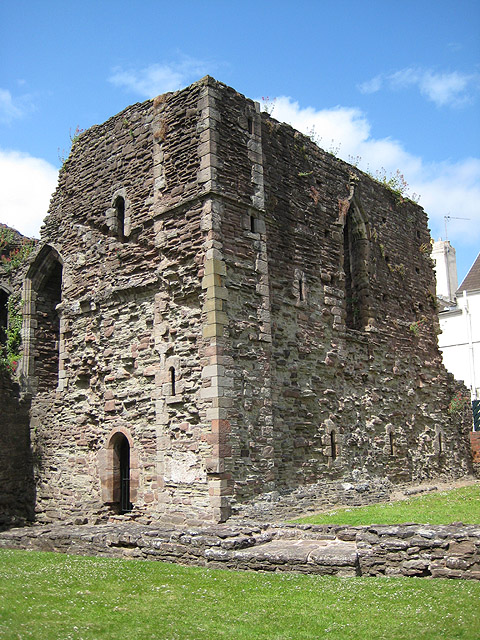
Today, Wilton Castle stands as a partially preserved ruin, with much of its original structure lost but key defensive walls and battlements still visible. It remains a site of historical interest, illustrating the military and feudal history of the Welsh Marches and the Norman influence on English border castles. The castle's location near the River Wye and the town of Ross-on-Wye makes it accessible for visitors interested in medieval architecture and English history.
Efforts to preserve and study the castle continue, contributing to understanding the complex history of Marcher Lordships and their castles in medieval England. Wilton Castle exemplifies the blend of military function and noble residence characteristic of Norman castles built during the high medieval period.
Frequently asked questions (FAQ)
- When was Wilton Castle built and by whom?
- Wilton Castle was constructed in the 12th century by the Norman Longchamp family, who were prominent officials in England and Normandy during that period.
- What role did the Grey family have in Wilton Castle's history?
- The Grey family, known as the Barons Grey of Wilton, held the castle from at least 1308 and were influential Norman Marcher Lords in the Welsh border region.
- Is Wilton Castle open to visitors today?
- Wilton Castle is a partially preserved ruin and can be visited; however, specific visiting hours and ticket prices may vary and should be checked locally.
- What architectural features are notable at Wilton Castle?
- Wilton Castle features typical Norman defensive elements such as stone curtain walls, battlements, towers, and a likely central keep, all situated on a strategic hilltop location.
- What happened to Wilton Castle during the English Civil War?
- The castle was destroyed by Royalist forces under Barnabas Scudamore during the English Civil War, a time when many castles in the Welsh Marches saw military action.
Photo gallery

Information
Loading map...
Visitor reviews
No reviews yet. Been here? Write the first review and help other travelers!
Write the first reviewVisited this castle? Share your experience
Your review helps other travelers and adds first-hand knowledge to our encyclopedia.