Wijenburg Castle
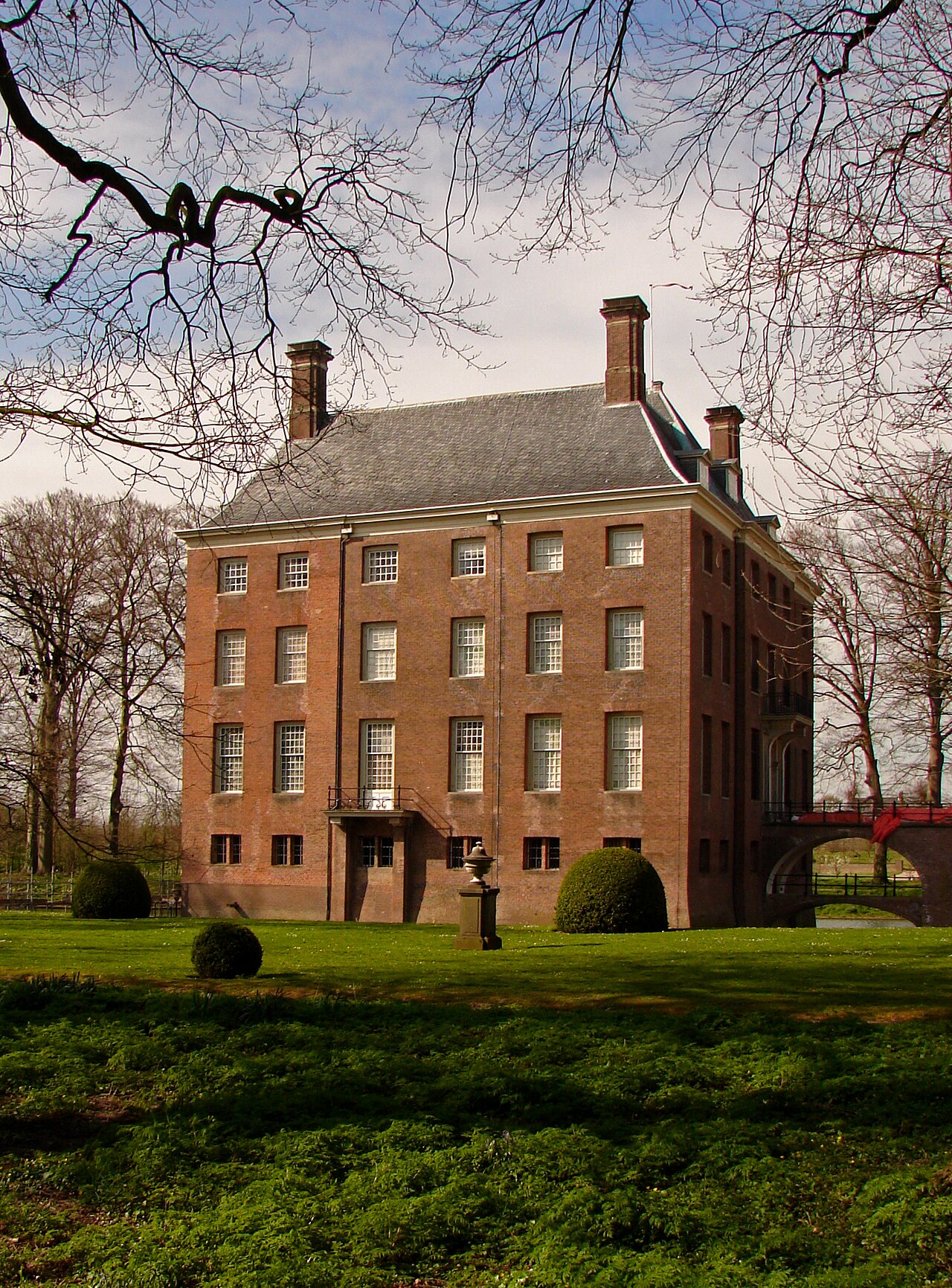
Wijenburg Castle, also known locally as Kasteel Wijenburg or Huis te Echteld, is a remarkable example of a historic moated castle located near the village of Echteld in the province of Gelderland, Netherlands. Its origins date back to around 1169, when the castle was founded as a fortified moated tower house. Over the centuries, this castle evolved significantly, reflecting the turbulent history and architectural developments of the region.
The castle initially served as a strategic stronghold in the Duchy of Guelders, controlled by the influential Van Wijhe family, who were prominent lords in the area. By the late 14th century, around 1390, the castle was fortified with the construction of the present gate tower, an important defensive feature that still stands today. The castle's significance grew as it became one of the key political centers in the duchy.
Early history and medieval conflicts
Wijenburg Castle's history is marked by notable conflicts, particularly the significant event in 1492 when Otto van Wijhe, the Lord of Echteld, came into serious conflict with Charles II, Duke of Guelders. Otto had sided with the Duke's rival, the House of Burgundy, which led to his capture and torture. The castle suffered greatly during this period; it was set on fire, and its moat was deliberately filled in by the duke's troops to neutralize its defensive capabilities. This event marked a low point in the castle's fortunes and the van Wijhe family's noble standing.
Renaissance rebuilding and architectural evolution
Despite the destruction, the castle was rebuilt by 1545 under Jasper van Wijhe and his wife Walburg van Haeften, restoring the castle to a new layout that largely defines its current form. This reconstruction incorporated Renaissance architectural elements, blending defensive features with more comfortable residential quarters. The castle's moat was restored, and the structure was enhanced to reflect the status and wealth of its owners.
18th-century modernization
In 1751, ownership of Wijenburg Castle passed to the Van Wassenaer family through marriage. They undertook significant modernization efforts, including roofing in the castle's courtyard in 1771, which transformed the open space into a more usable interior area. These changes reflected the shift from purely defensive architecture to a more palatial and comfortable residence suitable for noble living in the post-Renaissance period.
19th and 20th-century ownership and restoration
The castle changed hands again in 1817, coming into possession of the Van Balveren family through marriage. By the early 20th century, the castle faced the threat of demolition but was saved by Baron Van Verschuer. In 1956, the castle was donated to the Geldersch Landschap & Kasteelen Foundation, a national heritage organization dedicated to preserving Gelderland's castles and landscapes.
The foundation undertook careful restoration work, aiming to return Wijenburg Castle to its 16th and 18th-century appearances. These restorations preserved the castle's historical integrity while making it suitable for modern use.
Architectural features and layout
Wijenburg Castle is a classic example of a moated castle with a complex history of architectural adaptations. Its gate tower from the late 14th century remains a dominant feature, symbolizing the castle's medieval defensive origins. The castle's layout reflects successive phases of construction, from the original tower house to Renaissance expansions and 18th-century modifications.
The castle's moat, once filled in during the 1492 conflict, was restored to enhance the castle's defensive and aesthetic qualities. The roofing of the courtyard in the 18th century created an enclosed space that served residential and ceremonial functions.
Cultural significance and current use
Today, Wijenburg Castle stands as a cherished cultural heritage site in Gelderland. It is recognized for its historical importance in the Duchy of Guelders and its architectural evolution spanning from the 12th century through the post-Renaissance period.
The castle is currently used primarily as a venue for parties and weddings, making it a popular location for special events. Public access is limited to guests attending these activities, preserving the castle's condition while allowing visitors to experience its historic ambiance.
Historical documents and legacy
Remarkably, some personal documents from the castle's past inhabitants have survived, including diaries and friendship books from the 16th century. These provide valuable insights into the daily life and social networks of the castle's noble residents, enriching our understanding of its historical context.
Wijenburg Castle remains a testament to the resilience and adaptation of medieval fortifications into elegant noble residences, reflecting the broader historical and architectural trends of the Netherlands over several centuries.
Frequently asked questions (FAQ)
- What are the opening hours of Wijenburg Castle?
- Wijenburg Castle is typically open to visitors from Tuesday to Sunday, 10 AM to 5 PM. It's advisable to check the castle's official website for any seasonal changes or special events that might affect these hours.
- Can I visit Wijenburg Castle year-round?
- Yes, Wijenburg Castle is open to visitors throughout the year, although some areas may be restricted during certain seasons due to maintenance or special events. Always verify in advance to ensure a full experience during your visit.
- What is the historical significance of Wijenburg Castle?
- Wijenburg Castle dates back to the 13th century and is an important example of medieval architecture in the Netherlands. It has witnessed various historical events and has been restored to preserve its rich heritage for future generations.
- Is it possible to access Wijenburg Castle with a wheelchair?
- Wijenburg Castle strives to be accessible to all visitors, with facilities designed to accommodate those with mobility challenges. However, some areas may have limited accessibility due to the historic nature of the site, so it's best to inquire ahead of your visit.
- When is the best time to visit Wijenburg Castle?
- The best time to visit Wijenburg Castle is during the spring and early autumn months when the weather is mild, and the gardens are in full bloom. Additionally, these seasons often feature fewer crowds, allowing for a more relaxed exploration of the castle.
- What are the ticket prices for Wijenburg Castle?
- Ticket prices for Wijenburg Castle are generally affordable, with discounts available for children, students, and seniors. Check the official website for the most up-to-date pricing and any special promotions that may be offered.
- Are there any nearby attractions to visit?
- Yes, there are several attractions near Wijenburg Castle, including beautiful parks and charming villages that showcase the local culture. Consider visiting the nearby towns of Echteld and Kesteren, where you can explore local shops, cafes, and beautiful scenery.
- How do I get to Wijenburg Castle?
- Wijenburg Castle is easily accessible by car and public transportation, with several bus routes serving the area. If you're traveling by car, there is parking available nearby, making it convenient for all visitors.
Information
Website
Visit websiteSources & official resources
Verify the information above using these authoritative references.
Loading map...
Visitor reviews
No reviews yet. Been here? Write the first review and help other travelers!
Write the first reviewVisited this castle? Share your experience
Your review helps other travelers and adds first-hand knowledge to our encyclopedia.