Zuylestein Castle
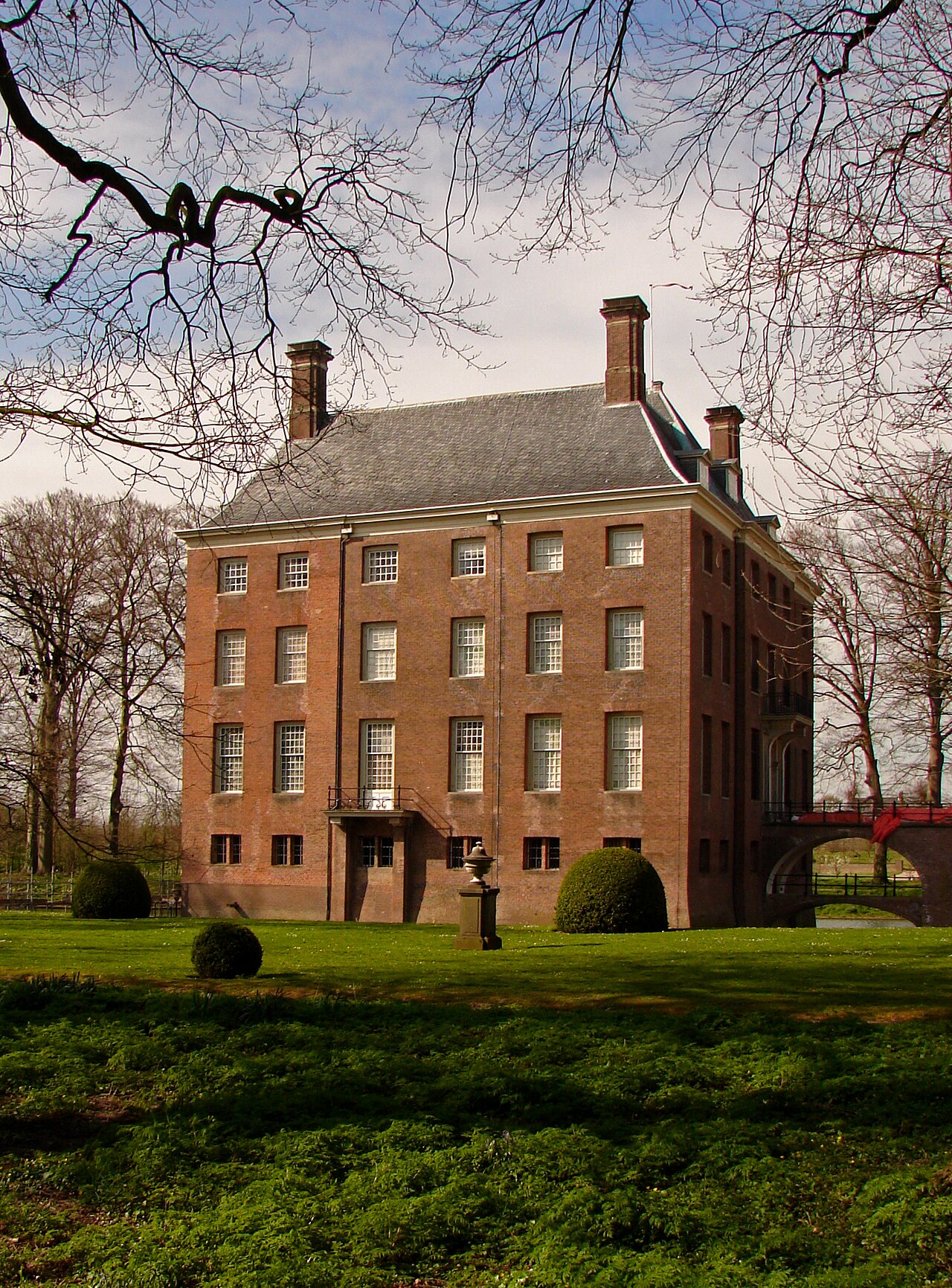
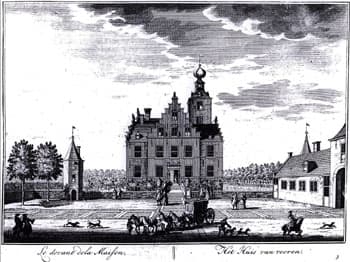
Zuylestein Castle (Dutch Huis Zuylenstein; also spelt Zuylestein or Zuilenstein) is a historic hill castle located near the town of Leersum in the Netherlands, approximately twenty miles east of the city of Utrecht. This castle is notable for its origins dating back to the 14th century, although the surviving structure and its prominent developments primarily reflect the 16th-century Renaissance period.
The castle originally belonged to the burgomaster of Utrecht before passing into the possession of Frederick Henry, Prince of Orange, in 1630. A decade later, in 1640, Frederick Henry granted the castle and its lands to his illegitimate son, also named Frederick, along with the noble title Lord of Zuylestein (Heer van Zuylestein in Dutch). This established the castle as a significant seat of a cadet branch of the House of Orange-Nassau, intertwining its history with the broader political and dynastic developments of the Dutch Republic during the Renaissance and Early Modern periods.
Architectural evolution and style
The original 14th-century structure underwent substantial modifications in the 16th century, reflecting the transition from medieval fortifications to more comfortable Renaissance residences. Zuylestein Castle exemplifies the Renaissance architectural style with its emphasis on symmetry, proportion, and the incorporation of classical elements, although it retains features typical of earlier medieval hill castles, such as a defensive position on elevated terrain.
The castle's layout and surviving elements suggest a fortified manor house rather than a large-scale military fortress. It was designed to serve both as a noble residence and a symbol of status, with its courtyards, residential wings, and defensive walls harmonizing to create a balanced estate. The castle's setting on a hill provided natural defensive advantages, typical of hill castles constructed in the region during this period.
Historical significance and ownership
Zuylestein Castle's passage into the hands of the House of Orange-Nassau marks its importance in Dutch history. Frederick Henry, a key military and political leader during the Eighty Years' War, used the estate to establish his illegitimate son's noble standing. The title Lord of Zuylestein became hereditary within this line, linking the castle to the broader narrative of the Dutch Golden Age.
Throughout the centuries, the castle endured various European conflicts but managed to survive largely intact until the Second World War, when it suffered significant damage. The war's destruction impacted many historic estates in the Netherlands, and Zuylestein was no exception.
Restoration and the gardens
After the war, the castle estate underwent a period of decline until restoration efforts began in the late 20th century. In 1982, a new house was constructed in a semi-historical style on the site of the former formal gardens, blending modern needs with respect for historical context.
One of the most remarkable features of the Zuylestein estate today is its late 17th-century walled kitchen garden, which has been carefully restored since 2011. This garden is considered one of the finest examples of its kind in the Netherlands, showcasing period-appropriate horticultural design and techniques. The Twickel Foundation currently manages the castle and its grounds, ensuring the preservation of its cultural and historical heritage.
Architectural features and layout
The castle complex includes a combination of defensive walls, residential buildings, and service structures arranged around courtyards. The hilltop location offers commanding views of the surrounding landscape, which was historically important for surveillance and defense.
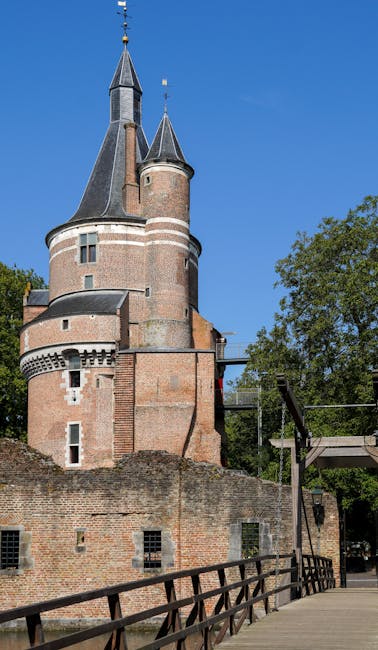
Though much of the original medieval fabric has been altered or lost, the castle retains characteristic elements such as thick stone walls and remnants of defensive towers. The integration of Renaissance design principles is visible in the castle's proportions and window arrangements, reflecting the shift from purely military architecture to a more refined noble residence.
The walled kitchen garden
The restored walled kitchen garden is enclosed by brick walls typical of the late 17th century, designed to create a microclimate favorable for growing a variety of fruits, vegetables, and herbs. This garden not only served practical purposes but also demonstrated the wealth and sophistication of the castle's owners.
Cultural importance and public access
Today, Zuylestein Castle is recognized for its historical significance and its well-preserved Renaissance features. The estate's management by the Twickel Foundation ensures ongoing conservation and public engagement through occasional events and guided tours, although the castle itself is primarily a private residence or restricted access site.
The castle and its gardens contribute to the cultural landscape of the Utrecht region, attracting visitors interested in Dutch history, Renaissance architecture, and historic horticulture.
Frequently asked questions (FAQ)
- How do I visit Zuylestein Castle and its gardens?
- Zuylestein Castle is managed by the Twickel Foundation. Visits to the castle itself may be limited due to private ownership, but the restored walled kitchen garden is accessible during certain times of the year. It is best to check with the foundation for guided tours and visiting hours.
- What architectural style characterizes Zuylestein Castle?
- Zuylestein Castle primarily exhibits Renaissance architectural features, including symmetry and classical elements, combined with remnants of its original medieval hill castle structure.
- When was Zuylestein Castle built?
- The castle's origins date back to the 14th century, but the current structure and significant developments mainly stem from the 16th century Renaissance period.
- What is the historical significance of Zuylestein Castle?
- Zuylestein Castle became part of the House of Orange-Nassau when Frederick Henry, Prince of Orange, acquired it in 1630 and granted it to his illegitimate son. It played a role in the Dutch Golden Age and reflects important noble lineage.
- Can I visit the walled kitchen garden at Zuylestein Castle?
- Yes, the walled kitchen garden has been restored as one of the best examples of late 17th-century gardens in the Netherlands and is open to the public during specific times, often managed by the Twickel Foundation.
Photo gallery

Photo by Unknown authorUnknown author•Public domain
Information
Loading map...
Visitor reviews
No reviews yet. Been here? Write the first review and help other travelers!
Write the first reviewVisited this castle? Share your experience
Your review helps other travelers and adds first-hand knowledge to our encyclopedia.