Wieliczka
Żupny Castle, located in Wieliczka, Poland, stands as a remarkable testament to the rich history of salt mining and medieval fortification architecture. This Gothic castle served as the administrative center for the Wieliczka and Bochnia Salt Mines, some of the oldest and most significant salt mines in the world, which have been operational since the 13th century. Recognized as part of the Wieliczka and Bochnia UNESCO World Heritage Site since 2013, the castle embodies centuries of economic, social, and architectural development tied closely to the salt industry.
The origins of the castle date back to the mid-13th century, during the reign of King Casimir III the Great, who played a crucial role in expanding and fortifying the site. Initially constructed as a fortified complex with an oval-shaped sandstone wall enclosing a residential tower and economic buildings, the castle was strategically positioned on a hillside to oversee and protect the vital salt mining operations. The castle complex evolved over several centuries, reflecting the changing needs and styles from the medieval period through the Renaissance and into the 19th century.
Architectural evolution and structure
Early medieval foundations and fortifications
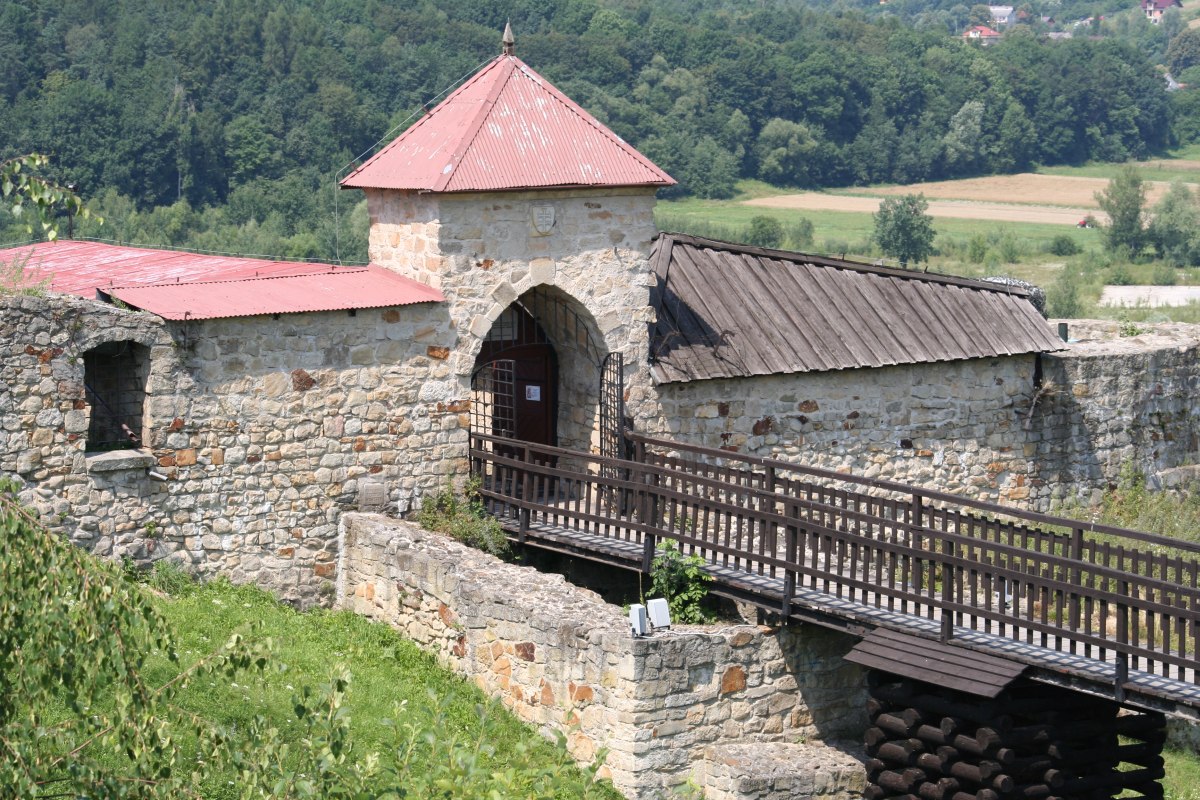
The earliest known construction within the castle grounds includes a rectangular sandstone tower built at the end of the 13th century, measuring approximately 16 by 10 meters. This tower was originally a two-story structure with a wooden upper floor, serving both residential and defensive functions. Surrounding this core was a stone wall in an oval shape, approximately 60 by 57 meters, accompanied by a moat, which together formed a formidable defensive perimeter. The main entrance was located at the northeast corner of the enclosure.
Medieval expansion and administrative role
Throughout the 14th century, the castle's significance grew alongside the salt mining industry, which was a royal monopoly managed by trusted officials known as żupniks. Under King Casimir III, the castle underwent substantial expansion, including the reconstruction and enlargement of the residential tower and the addition of a single-story brick building. Along the northern wall, the "Dom żupny" (Salt Mine House) was constructed, serving as the administrative heart of the Kraków Saltworks. The moat was filled in, and the castle was integrated into the town's fortifications, enhancing its defensive and administrative functions.
An innovative feature of the castle was the establishment of the Żupna kitchen in the courtyard, recognized as the first public catering facility in Poland. This kitchen provided free meals to miners and transport workers collecting salt, reflecting an early form of social welfare within the mining community.
Renaissance modifications and further developments
The castle saw further transformation during the 16th century Renaissance period. The central building was heightened with an additional floor and richly decorated interiors, reflecting contemporary architectural trends and the castle's elevated status. The northern building was completed with ground-floor utility rooms and upper-floor residential chambers, including a chapel and a prison known as "Groch" in the basement.
18th and 19th-century changes
Following the Austrian annexation of Wieliczka in 1772, the castle underwent significant reconstruction, which shaped much of its current appearance. The 19th century brought further modifications, including the demolition of wooden economic buildings and the erection of a single-story southern building housing administrative offices and accommodations for guards. This building was later extended vertically in 1905.
Historical significance and salt mining heritage
Żupny Castle was more than a fortress; it was the administrative and economic hub for the Kraków Saltworks, one of the most important salt mining enterprises in Europe. Salt was a highly valuable commodity throughout the Middle Ages and Renaissance, often called "white gold" for its economic importance. The castle's management oversaw the extraction, storage, and sale of salt, which provided up to one-third of the Polish state's treasury income from the 14th to the 16th centuries.
The revenues from salt mining supported significant royal projects, including the construction of Wawel Castle and the development of Kraków's university infrastructure. The castle was the residence of the Salzgraf, the noble official responsible for the salt mines, symbolizing the crown's direct control over this lucrative resource.
Over centuries, the castle witnessed numerous events, including large fires in the late 15th century that prompted rebuilding efforts, and damage during World War II, particularly in 1945 when the central "Dom pośród żupy" was destroyed. Despite such setbacks, the castle was restored by 1984, preserving its Gothic character and historical interiors.
Museum and cultural role today
Today, Żupny Castle functions as the Museum of Kraków Saltworks, offering visitors a comprehensive look into the history of salt mining and the castle's role. The museum hosts permanent archaeological and historical exhibitions, including Poland's largest collection of salt shakers, and temporary displays that explore various aspects of mining heritage and local history.
The castle complex includes three main buildings: the Middle Castle, the North Castle, and the South Castle. Each building reflects different historical periods and functions, from ceremonial halls and royal chambers to administrative offices and guard quarters. The site also features the remains of the medieval Żupna kitchen and a historic garden from the 18th century, enhancing the visitor experience.
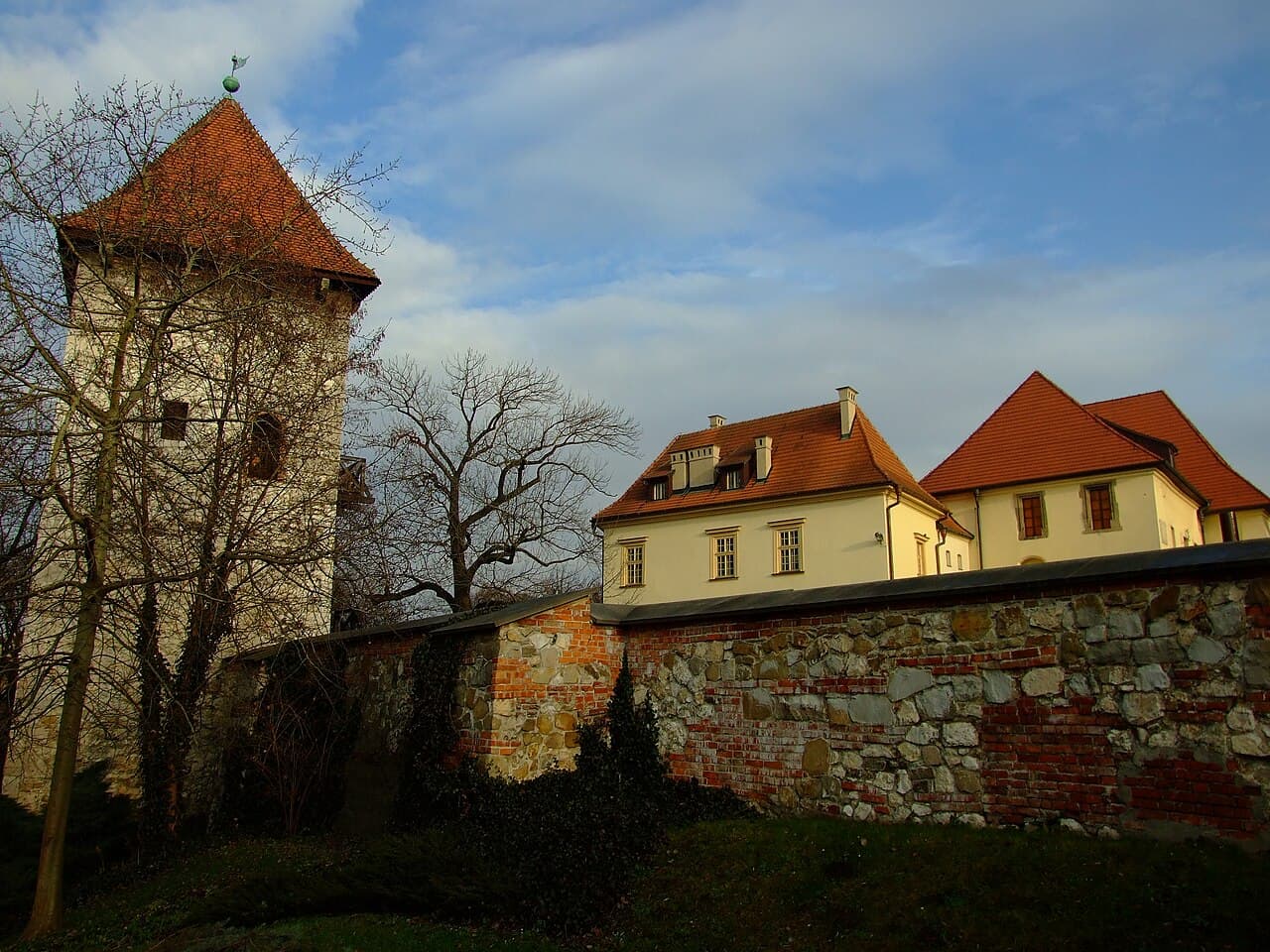
Architectural highlights include the Gothic Hall with its unique rib vault supported by a single pillar, a rare example of medieval craftsmanship. The castle's defensive walls and surviving towers, built from Beskid sandstone, still evoke the site's original military purpose.
Visitor information and accessibility
Żupny Castle is open to the public, welcoming tourists interested in medieval architecture, industrial heritage, and Polish history. The museum provides guided tours, educational workshops, and cultural events throughout the year. Visitors can explore the castle's richly decorated interiors, archaeological exhibits, and enjoy amenities such as a café and a restaurant located within the castle grounds.
The castle's location in Wieliczka makes it an accessible destination for travelers from Kraków and beyond, often combined with visits to the nearby Wieliczka Salt Mine, another UNESCO-listed site. Its preservation as a well-maintained historical monument ensures that the legacy of Poland's salt mining industry continues to be celebrated and studied.
Frequently asked questions (FAQ)
- How do I get to Wieliczka Castle?
- Wieliczka Castle is easily accessible by public transportation from Krakow, with regular buses and trains connecting the two locations. If you prefer driving, there are parking facilities available nearby. Make sure to check local transit schedules for the most convenient routes.
- What is the historical significance of Wieliczka Castle?
- Wieliczka Castle, part of the UNESCO World Heritage Site, has a rich history dating back to the 13th century. It served as a residence for various noble families and played a crucial role in the region's mining industry, particularly known for its salt mine. The castle showcases the cultural and architectural evolution of Poland over the centuries.
- When was Wieliczka Castle built?
- Wieliczka Castle was originally constructed in the 14th century, with significant modifications made during the Renaissance and Baroque periods. Its architecture reflects the changing styles and needs of the time, making it a fascinating study for visitors interested in history and design. The castle has been preserved to showcase its historical layers.
- Can I visit Wieliczka Castle year-round?
- Yes, Wieliczka Castle is open to visitors year-round, though hours may vary seasonally. It’s advisable to check the official website for the most current opening hours and any special events. Visiting during the off-peak seasons can provide a more tranquil experience.
- Why is Wieliczka Castle a popular tourist attraction?
- Wieliczka Castle is renowned not only for its stunning architecture but also for its historical significance and connection to the famous Wieliczka Salt Mine. The combination of rich history, beautiful surroundings, and unique exhibits draws visitors from around the world. It offers a captivating glimpse into Poland's past.
- Is it possible to take guided tours of Wieliczka Castle?
- Yes, guided tours of Wieliczka Castle are available and highly recommended to gain deeper insights into its history and significance. Tour guides provide detailed information and anecdotes about the castle's past, enhancing your visit. Be sure to book in advance, especially during peak seasons.
- What are the ticket prices for Wieliczka Castle?
- Ticket prices for Wieliczka Castle vary depending on the type of tour and age of the visitor, with discounts available for students and seniors. It's best to check the official website for the latest pricing information. Purchasing tickets in advance online can save you time and ensure availability.
- What is the best time to visit Wieliczka Castle?
- The best time to visit Wieliczka Castle is during the spring and early autumn months when the weather is pleasant and the crowds are generally smaller. Summer can be quite busy, so visiting in the morning or late afternoon may offer a more enjoyable experience. Always check for local events that might affect crowd levels.
- Are there any nearby attractions to visit along with Wieliczka Castle?
- Yes, there are several nearby attractions, including the famous Wieliczka Salt Mine, which is a UNESCO World Heritage Site. Additionally, the charming town of Wieliczka offers picturesque streets, local restaurants, and shops. Combining a visit to the castle with these nearby sites makes for a full and enriching day.
Photo gallery

Photo by I would appreciate being notified if you use my work outside Wikimedia. More of my work can be found in my personal gallery.•CC BY-SA 3.0
Information
Website
Visit websiteSources & official resources
Verify the information above using these authoritative references.
Loading map...
Visitor reviews
No reviews yet. Been here? Write the first review and help other travelers!
Write the first reviewVisited this castle? Share your experience
Your review helps other travelers and adds first-hand knowledge to our encyclopedia.