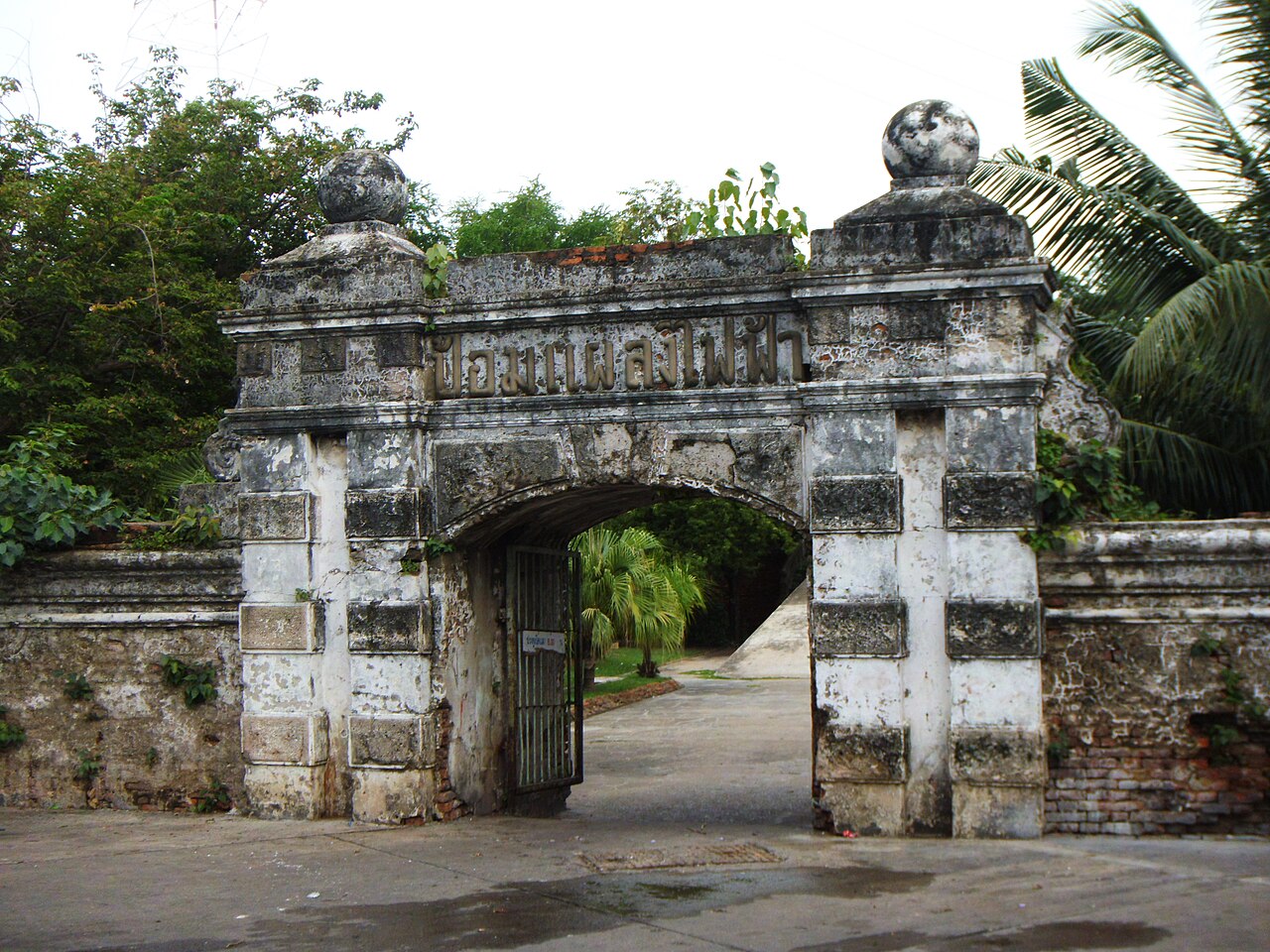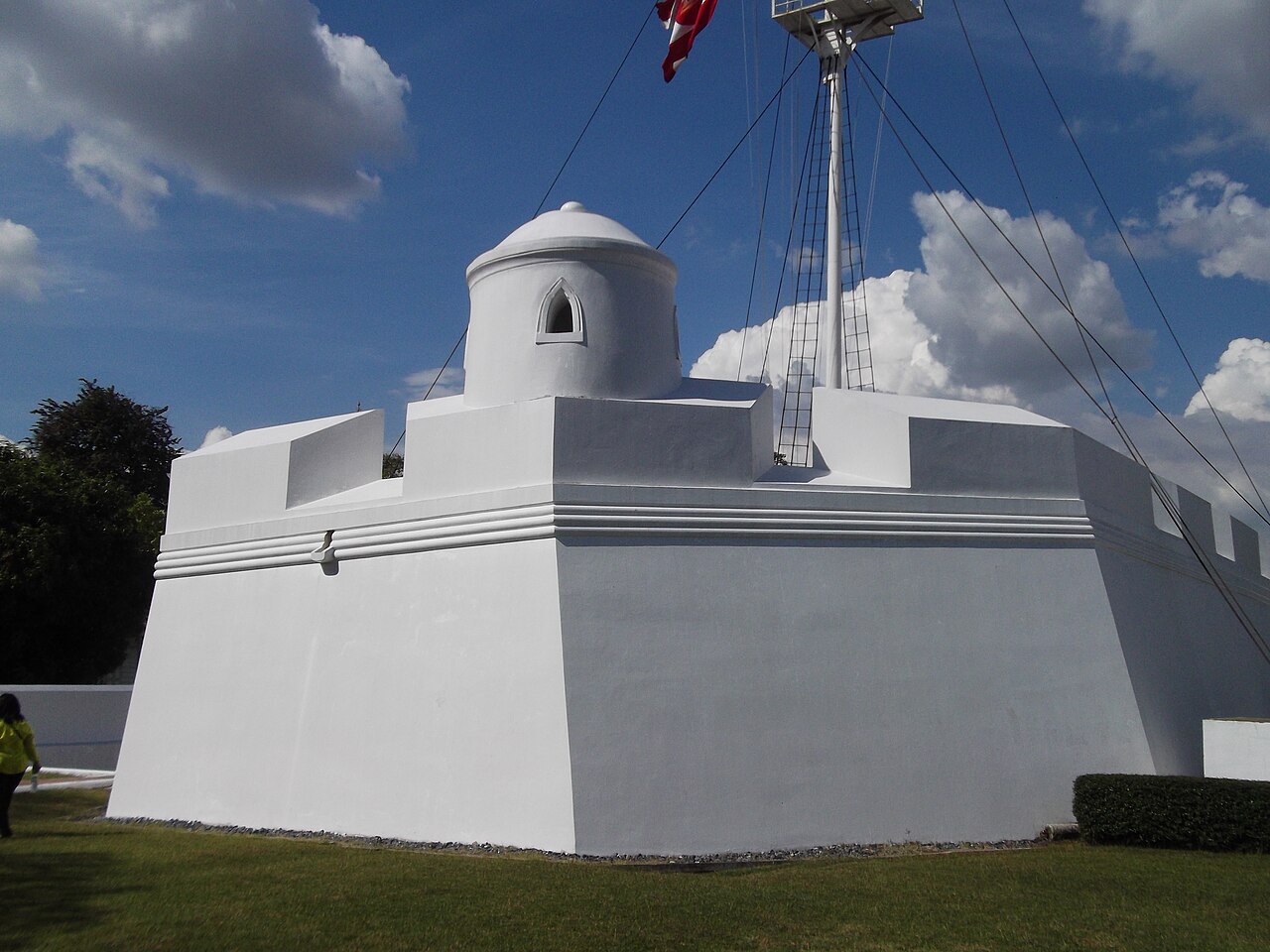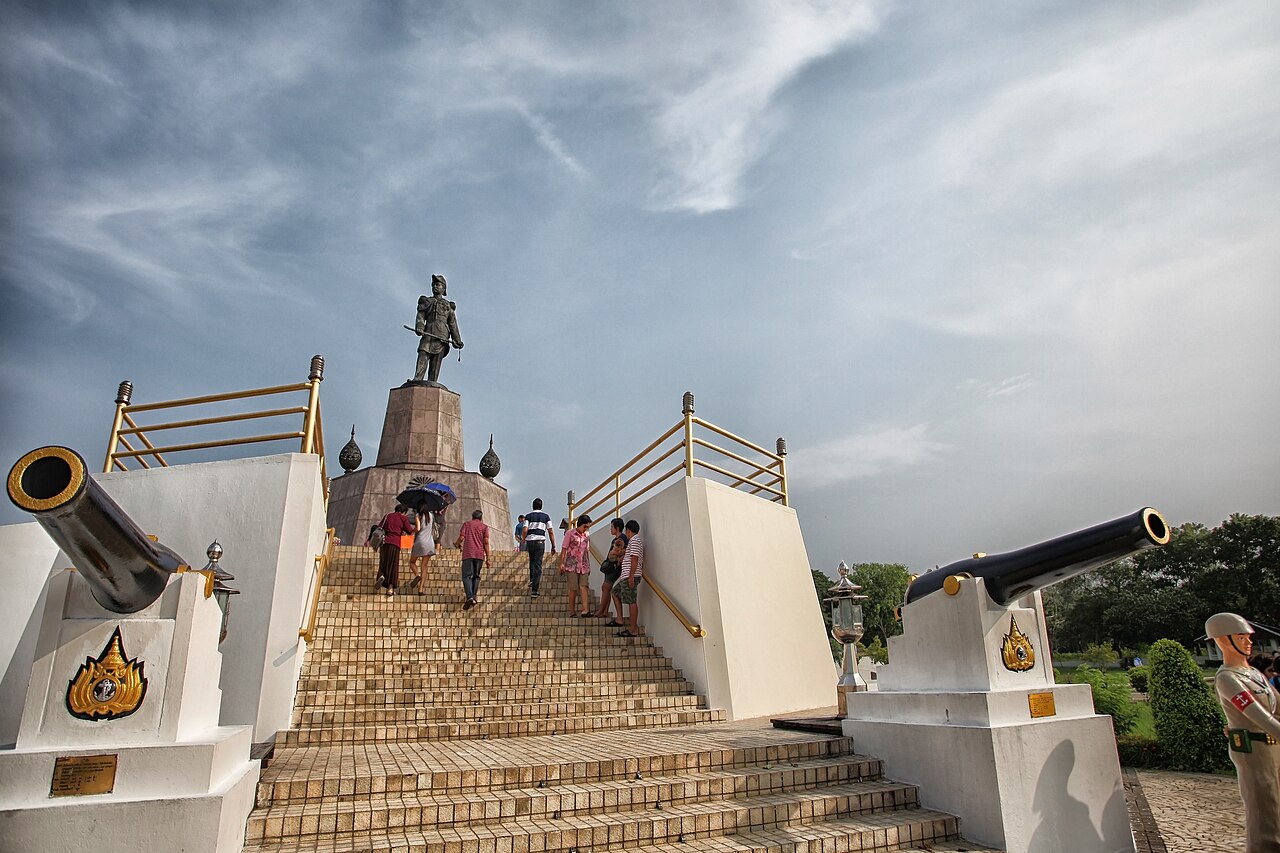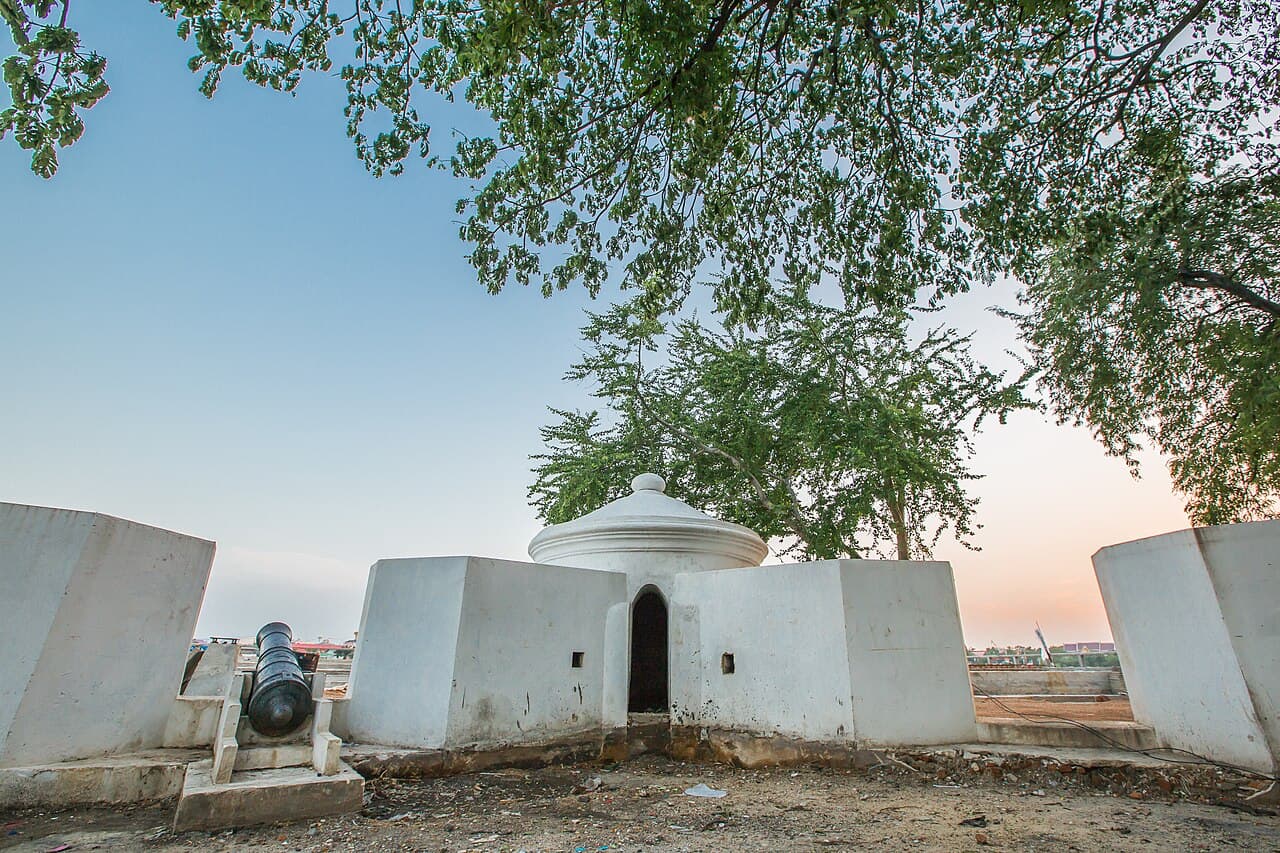
Wichien Chodok Fort is a significant example of a 19th-century bastioned fortress located in Thailand. Constructed during the modern period, this fortification reflects the military architectural advances of its era, designed to withstand artillery and provide strategic defense.
Historical context and strategic importance
The fort was built in the 19th century during a time when Thailand, then known as Siam, was modernizing its military defenses in response to increasing foreign threats and colonial pressures in Southeast Asia. Bastioned fortresses like Wichien Chodok were designed to provide overlapping fields of fire and to resist cannon fire, marking a shift from medieval castle designs to more modern military architecture.
Its location, although not precisely documented in terms of city or street address, was chosen for strategic military advantage, likely near important transportation routes or borders to protect the region from potential invasions.
Architectural features and design
The fort exhibits the characteristic elements of a bastioned fortress, including angular bastions projecting from the main walls, which allowed defenders to cover adjacent walls with gunfire, eliminating blind spots. The walls were likely constructed with thick masonry to absorb and deflect artillery fire.
Typical features would include a surrounding moat or ditch to impede attackers, heavy gates with reinforced doors, and internal barracks or storage facilities designed to support a garrison for extended periods. The design reflects the influence of European military engineering adapted to local conditions.
Construction materials and techniques
While specific details on the materials used at Wichien Chodok Fort are scarce, bastioned fortresses of this period in Southeast Asia commonly employed brick and stone masonry, sometimes combined with earthworks to strengthen defenses. The fort's construction would have required skilled labor and knowledge of contemporary fortification principles.
Role in Thai military history
Wichien Chodok Fort played a role in Thailand's efforts to maintain sovereignty during the colonial era, serving as a defensive stronghold against potential incursions. Although it did not witness major battles recorded in widely available sources, its presence contributed to the broader network of military installations that safeguarded the kingdom's borders.
Current condition and preservation
The fort is classified as a bastioned fortress from the modern period and is believed to be in a partially preserved or restored state, though exact details on its condition are limited. Preservation efforts would focus on maintaining the structural integrity of the walls and bastions, as well as protecting the site from environmental degradation.
As a cultural heritage site, Wichien Chodok Fort offers insight into Thailand's adaptation of Western military architectural styles and its historical efforts to modernize defense systems in the face of regional geopolitical changes.
Visiting information and cultural significance
Details about public access, visiting hours, and ticket prices are not widely documented, suggesting that the fort may be less frequented by tourists compared to other historical sites in Thailand. However, it remains an important monument for those interested in military history and architecture.
Visitors to the region can explore the remnants of the fort's bastions and walls, gaining an understanding of the strategic military engineering employed in the 19th century. The site contributes to the broader narrative of Thailand's historical resilience and cultural heritage preservation.
Frequently asked questions (FAQ)
- What is the historical significance of Wichien Chodok Fort?
- Wichien Chodok Fort is an important historical landmark in Thailand, built during the reign of King Rama I in the 18th century. It served as a defensive structure against invasions and played a crucial role in protecting the region. Today, it stands as a testament to Thailand's rich history and military architecture.
- When was Wichien Chodok Fort constructed?
- Wichien Chodok Fort was constructed in 1785 as part of a series of fortifications along the Chao Phraya River. Its strategic location was chosen to guard the area from potential threats and invaders. The fort reflects the architectural style of its time, combining functionality with aesthetic appeal.
- What are the opening hours for Wichien Chodok Fort?
- Wichien Chodok Fort is typically open to visitors from 9:00 AM to 5:00 PM daily. It is advisable to check for any special holidays or events that may affect these hours. Planning your visit within these times will ensure you have ample opportunity to explore the fort.
- Can I access Wichien Chodok Fort with public transportation?
- Yes, Wichien Chodok Fort is accessible by public transportation, including buses and tuk-tuks that operate in the area. Visitors can easily find local transport options that will take them to the fort from major city centers. It's a convenient way to experience the local culture while visiting this historical site.
- Is it possible to take guided tours of Wichien Chodok Fort?
- Yes, guided tours are available for those who wish to learn more about the history and architecture of Wichien Chodok Fort. These tours often provide in-depth insights and fascinating stories that enhance the visitor experience. It's recommended to book a tour in advance, especially during peak tourist seasons.
- What is the best time to visit Wichien Chodok Fort?
- The best time to visit Wichien Chodok Fort is during the cooler months from November to February when the weather is more pleasant for outdoor exploration. Avoiding the hot season will help you enjoy your visit without the discomfort of extreme heat. Early mornings or late afternoons can also offer a quieter experience.
- Are there any nearby attractions to visit when at Wichien Chodok Fort?
- Yes, there are several nearby attractions worth exploring, including the historic city of Ayutthaya, which is a UNESCO World Heritage Site. Additionally, visitors can enjoy local markets and temples in the vicinity, making it a great opportunity for a full day of cultural experiences. Be sure to plan your itinerary to include these nearby sites.
- What are the ticket prices for entering Wichien Chodok Fort?
- The entry to Wichien Chodok Fort is typically free for both locals and tourists, making it an accessible site for everyone. However, some special exhibitions or guided tours may have associated costs. Always check for any updates on ticket prices or promotional offers before your visit.
Photo gallery

Information
Loading map...
Visitor reviews
No reviews yet. Been here? Write the first review and help other travelers!
Write the first reviewVisited this castle? Share your experience
Your review helps other travelers and adds first-hand knowledge to our encyclopedia.