Wichai Prasit Fort is a historically significant bastioned fortress located in Thailand. This fortification represents an important example of military architecture adapted to the strategic needs and local conditions of the region. Though specific details about its exact location within Thailand and its construction date remain less documented, the fort's design reflects the principles of bastioned fortifications, which were widely used from the 16th century onward to withstand artillery attacks.
Architectural design and features
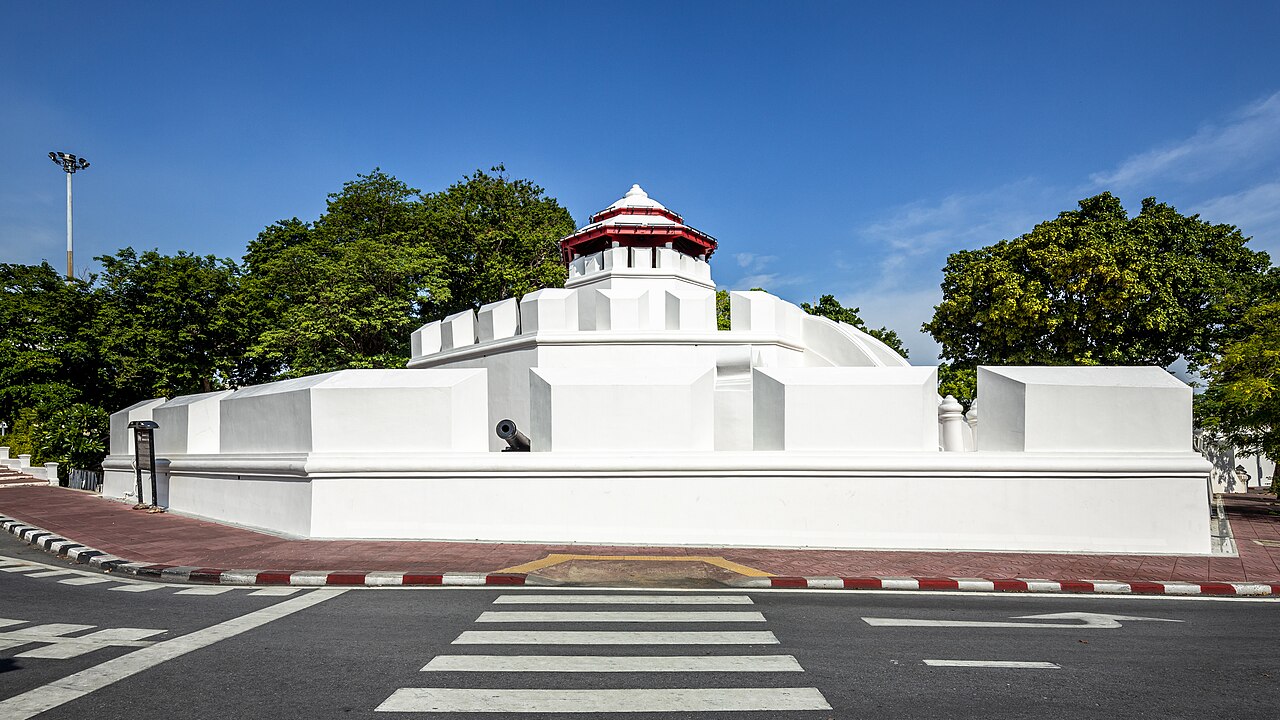
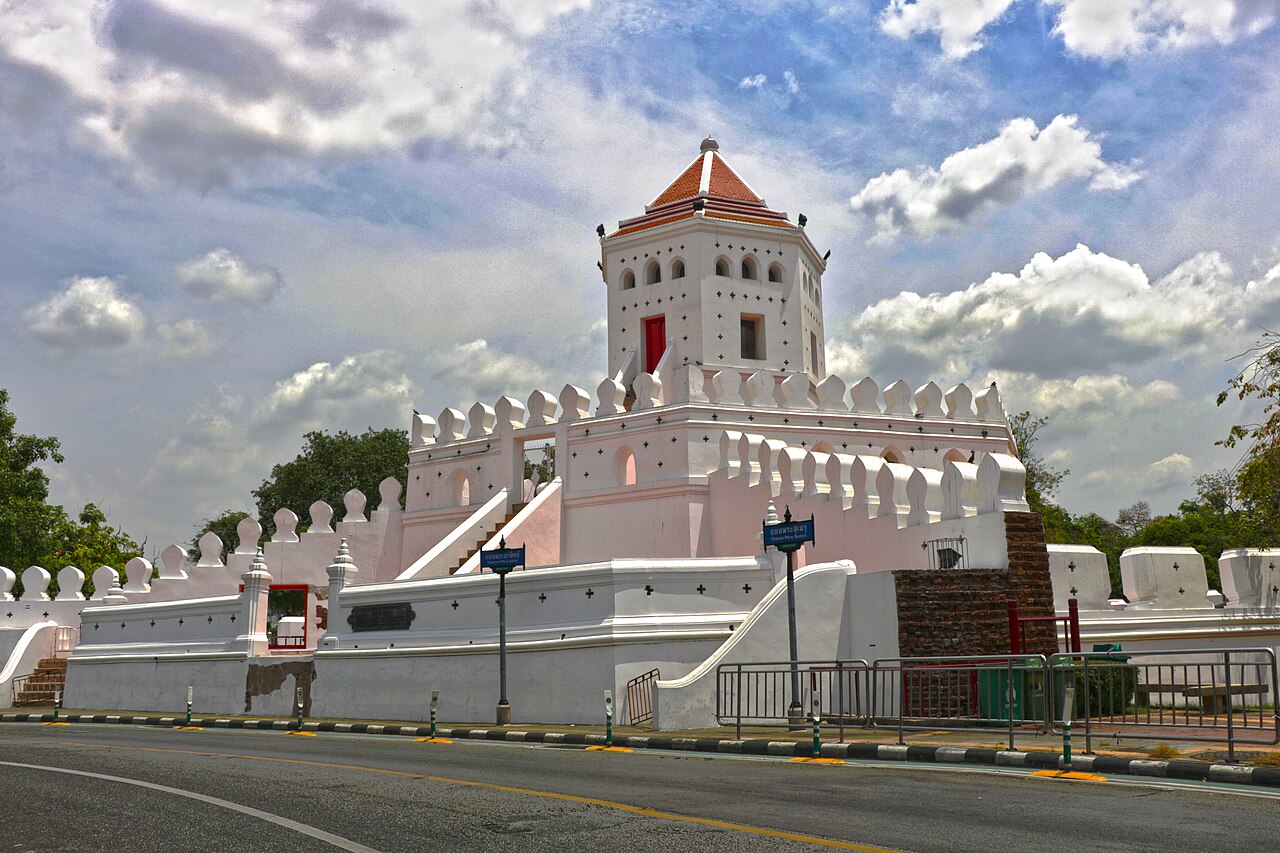
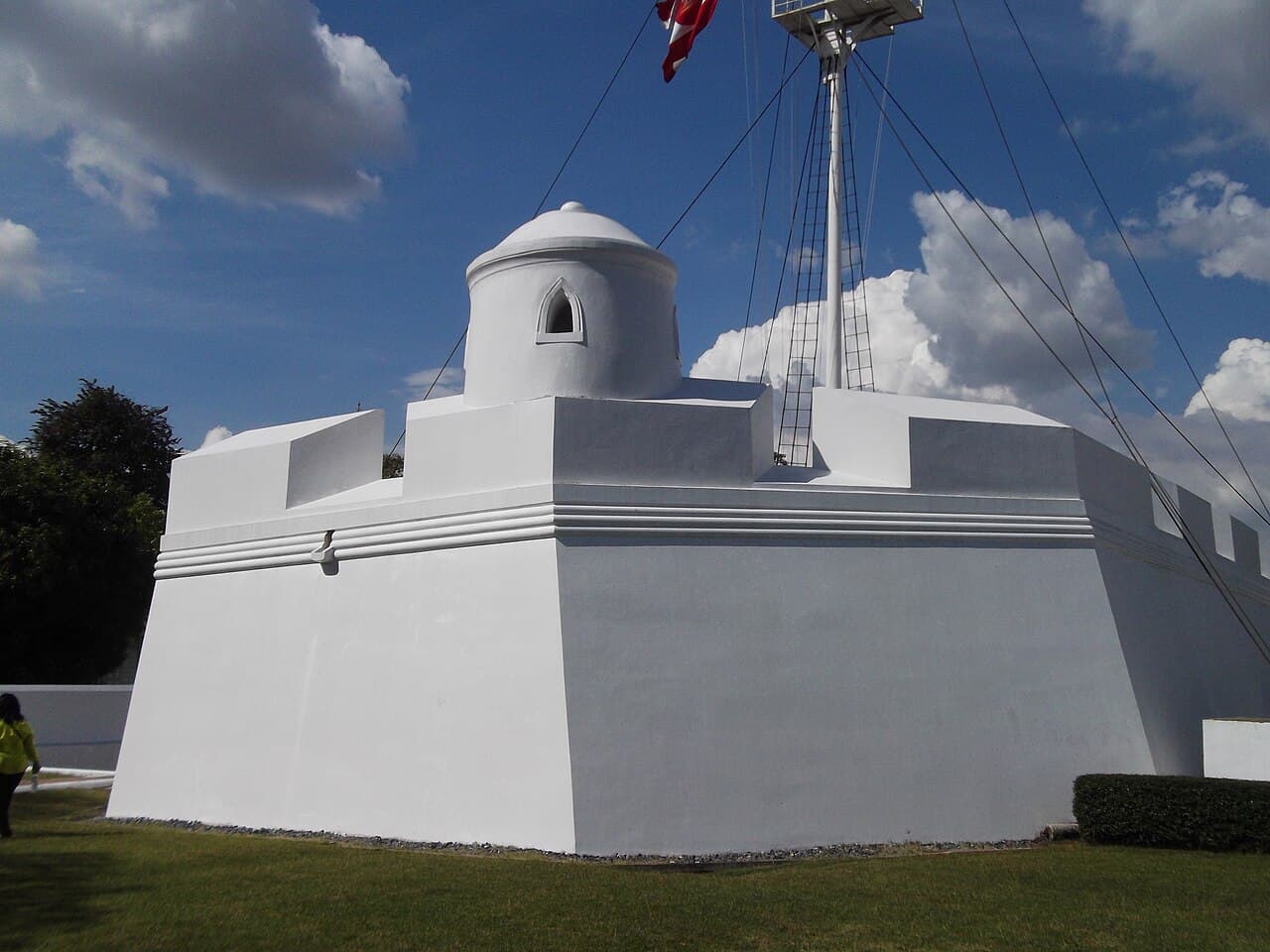
The fort is characterized by its bastions, which are angular structures projecting outward from the main walls, designed to provide overlapping fields of fire and eliminate blind spots. This design allowed defenders to cover the surrounding approaches effectively and resist sieges involving cannon fire. The walls of Wichai Prasit Fort were likely constructed from locally available materials, possibly including brick and stone, which were common in Southeast Asian fortifications of the period.
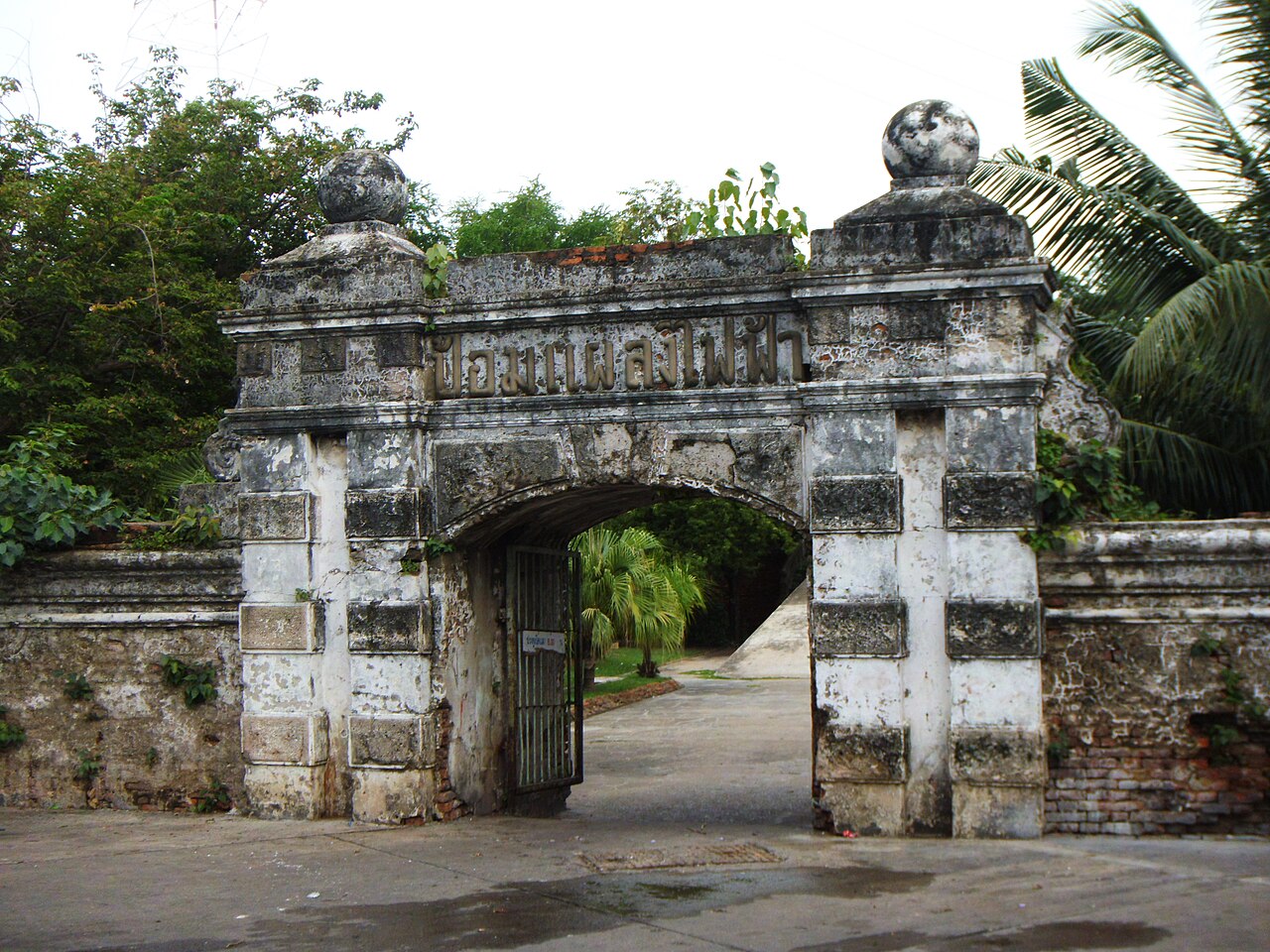
Typical features of bastioned forts include thick curtain walls, moats or ditches, and fortified gates, all intended to enhance defense. While detailed records of these elements at Wichai Prasit Fort are scarce, it can be inferred that it shared these characteristics, given its classification as a bastioned fortress.
Historical context and significance
Thailand's history of fortifications often reflects its strategic position in Southeast Asia and the need to defend against various regional threats. Wichai Prasit Fort likely played a role in protecting important trade routes or regional centers during periods of conflict. Bastioned forts were introduced in Asia as European military engineering techniques spread, influencing local fortification styles.
Although exact historical events involving the fort are not well documented, its existence underscores the adaptation of traditional Thai defensive architecture to incorporate newer military technologies and concepts.
Preservation and current status
The current condition of Wichai Prasit Fort is not widely reported, but many such forts in Thailand face challenges related to urban development, environmental exposure, and limited conservation resources. Preserving these historical military structures is important for understanding the region's cultural heritage and military history.
Efforts to maintain or restore bastioned forts in Thailand vary, with some sites becoming tourist attractions while others remain lesser-known archaeological sites.
Visiting and cultural importance
While specific visitor information for Wichai Prasit Fort is unavailable, bastioned forts in Thailand generally attract interest from historians, architects, and tourists interested in military history. These sites offer insights into the evolution of fortification design and the historical context of regional defense strategies.
Visitors to similar forts can often explore ramparts, bastions, and other defensive features, gaining an appreciation for the engineering skills of the past.
Frequently asked questions (FAQ)
- What is the historical significance of Wichai Prasit Fort?
- Wichai Prasit Fort, built in the late 19th century, played a crucial role in protecting the city of Chanthaburi from invasions. It exemplifies the strategic military architecture of its time and is a symbol of Thai resilience against colonial powers.
- When was Wichai Prasit Fort constructed?
- Wichai Prasit Fort was constructed in 1893 during the reign of King Rama V. Its establishment marked a significant development in Thailand's military architecture as the country modernized its defenses against foreign threats.
- What are the opening hours for Wichai Prasit Fort?
- Wichai Prasit Fort is open to visitors from 8:00 AM to 5:00 PM daily. It is advisable to visit early in the day to enjoy the cooler temperatures and avoid crowds.
- Can I access Wichai Prasit Fort with public transportation?
- Yes, Wichai Prasit Fort is accessible by public transportation, including local buses and tuk-tuks. Many visitors find it convenient to use these modes of transport to reach the fort from various parts of Chanthaburi.
- Is it possible to take guided tours at Wichai Prasit Fort?
- Yes, guided tours are available at Wichai Prasit Fort, providing insights into its history and architecture. Opting for a guided tour can enhance your experience and understanding of the fort's significance.
- What is the best time to visit Wichai Prasit Fort?
- The best time to visit Wichai Prasit Fort is during the cooler months, from November to February. This period offers more comfortable weather for exploring the fort and its surroundings.
- Are there any nearby attractions to visit after Wichai Prasit Fort?
- Yes, nearby attractions include the Chanthaburi Gem Market and the beautiful beaches along the eastern coast. Combining your visit to the fort with these sites makes for a rich cultural and recreational experience.
- What are the ticket prices for Wichai Prasit Fort?
- Admission to Wichai Prasit Fort is typically free, making it an accessible destination for all visitors. However, donations for the maintenance of the site are appreciated and can help preserve its historical significance.
Photo gallery

Information
Loading map...
Visitor reviews
No reviews yet. Been here? Write the first review and help other travelers!
Write the first reviewVisited this castle? Share your experience
Your review helps other travelers and adds first-hand knowledge to our encyclopedia.