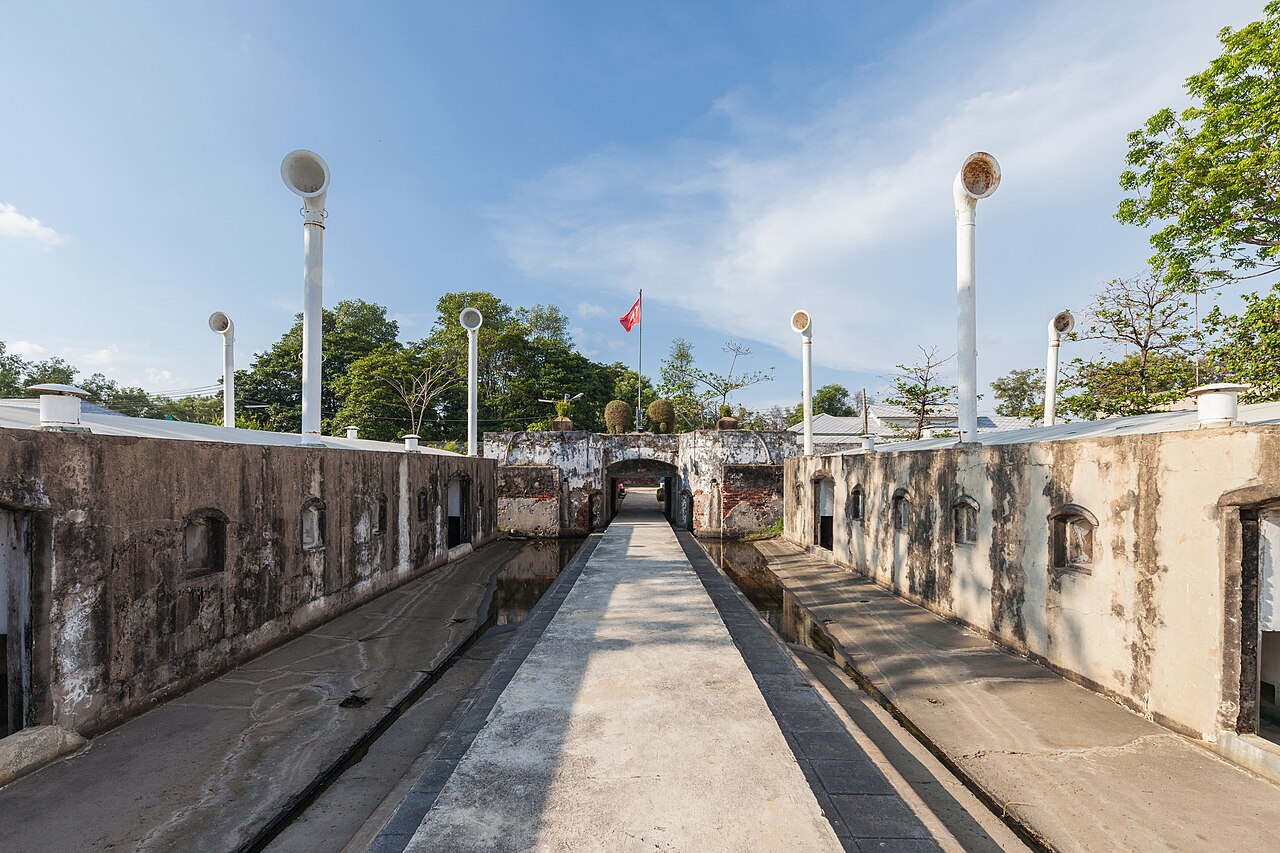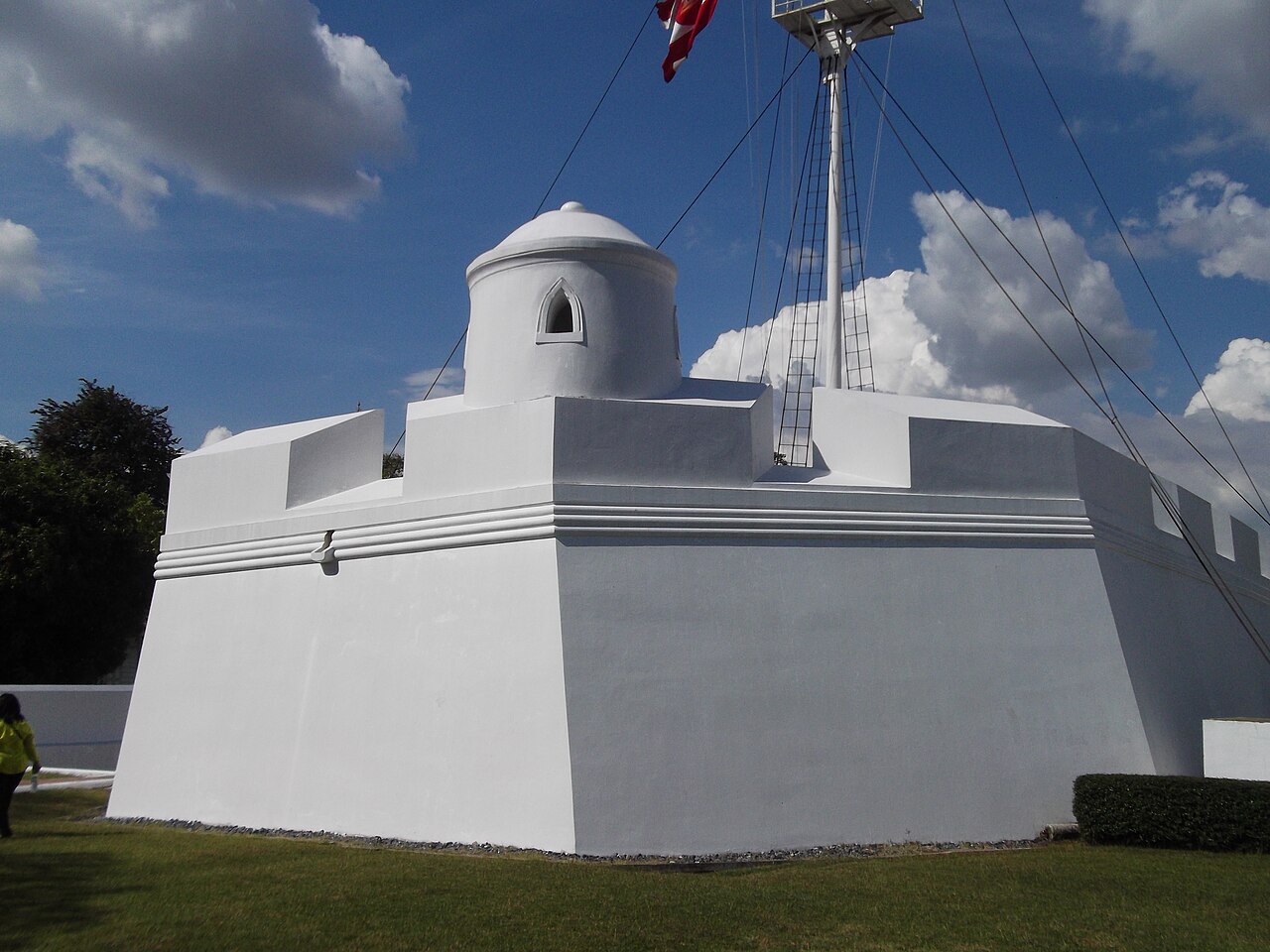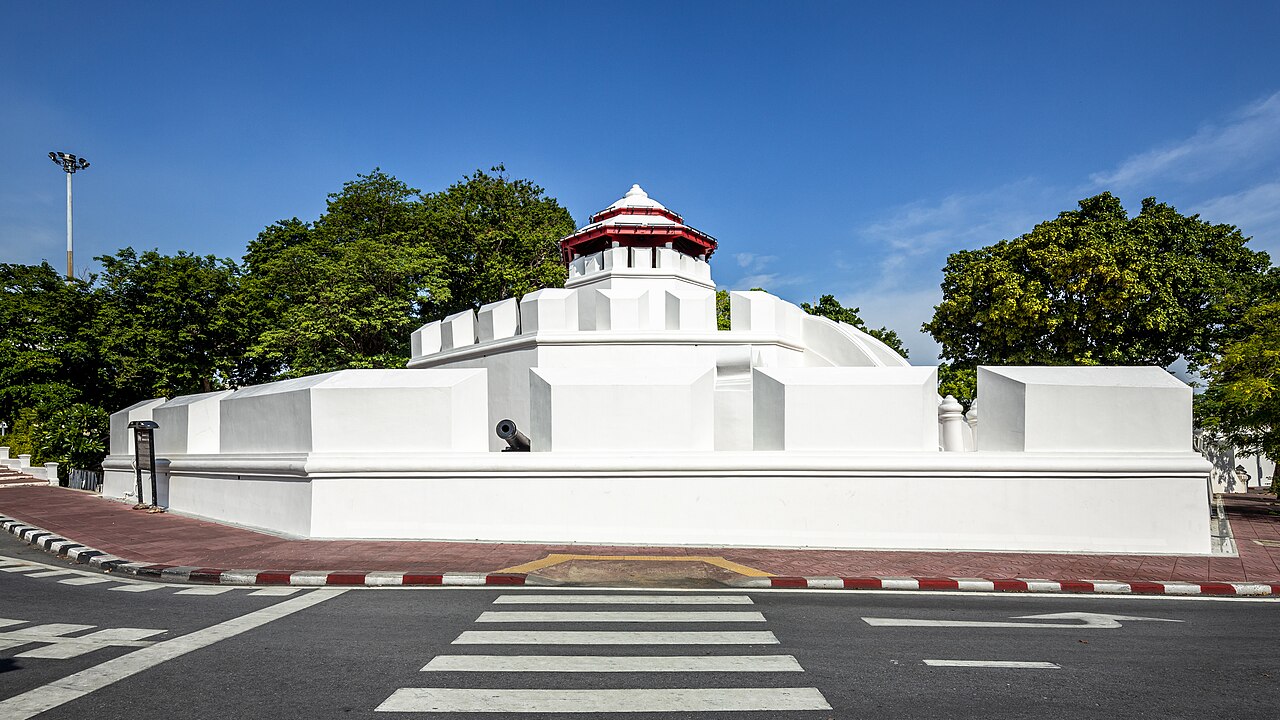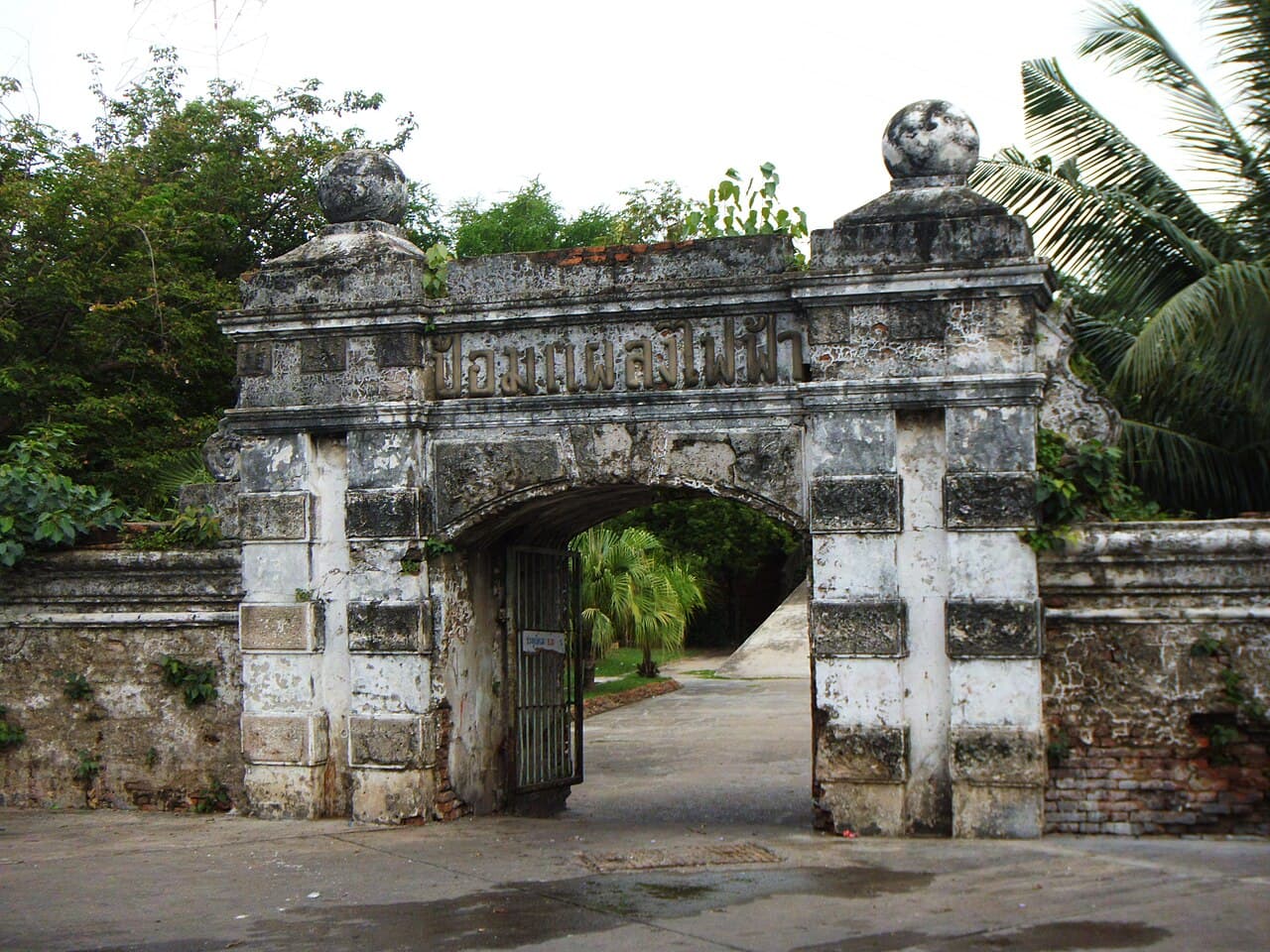
Phlaeng Faifa Fort is a significant example of a 19th-century bastioned fortress located in Thailand. This modern military fortification reflects the strategic architectural adaptations of the period, designed to withstand artillery advancements and provide robust defense mechanisms.
Historical context and significance
Built during the 19th century, Phlaeng Faifa Fort was constructed in response to increasing military threats and the need for improved coastal or territorial defense in the region. The fort's design aligns with the broader global trend of bastioned fortifications, which were prevalent from the Renaissance through the modern era, adapted here to local strategic needs.
Architectural features and design
The fort is characterized by its bastioned layout, a hallmark of military architecture intended to provide overlapping fields of fire and eliminate blind spots. This design typically includes angled bastions projecting from the main walls, allowing defenders to cover adjacent walls with cannon and musket fire.
Phlaeng Faifa Fort likely incorporates thick, sloped walls to deflect artillery fire, along with defensive ditches or moats, though specific details of its water defenses are less documented. The use of durable materials such as brick or stone would have been essential to withstand siege weaponry of the time.
Defensive structures
The fort's bastions serve as platforms for artillery placement, enabling defenders to repel attackers from multiple angles. The walls connecting these bastions would have included embrasures and firing positions for infantry and artillery units.
Entrances to the fort were likely fortified with gates and possibly drawbridges or portcullises, common in bastioned fortresses to control access and enhance security.
Military and strategic role
During its operational period, Phlaeng Faifa Fort would have played a crucial role in protecting the surrounding territory from naval or land-based assaults. Its location, although not precisely documented, suggests strategic placement to guard important routes or coastal areas in Thailand.
The fort's design reflects the evolution of military technology in the modern era, emphasizing artillery defense and the integration of new construction techniques to counteract advances in offensive weaponry.
Preservation and current status
Today, Phlaeng Faifa Fort stands as a testament to Thailand's military architectural heritage from the 19th century. While detailed information about its current condition is limited, bastioned fortresses of this era often require preservation efforts to maintain structural integrity and historical value.
The fort may be accessible to visitors interested in military history and architecture, offering insight into the defensive strategies employed in Southeast Asia during a period of significant geopolitical change.
Visitor information and cultural importance
As a historical site, Phlaeng Faifa Fort contributes to understanding Thailand's adaptation of European military architectural principles. It serves as an educational resource for those studying the modernization of fortifications in Asia.
Efforts to document and preserve such sites help maintain cultural heritage and promote tourism focused on historical and architectural interests.
Frequently asked questions (FAQ)
- How do I get to Phlaeng Faifa Fort?
- Phlaeng Faifa Fort is located in the beautiful province of Chanthaburi, Thailand. You can reach the fort by car or public transport from nearby cities, with local taxis and tuk-tuks available for added convenience. The fort is well-signposted, making it easy to find once you are in the area.
- What is the historical significance of Phlaeng Faifa Fort?
- Phlaeng Faifa Fort was built during the reign of King Rama I as a defense against foreign invasions and has played a crucial role in Thailand's military history. It showcases the strategic importance of the region during the late 18th century and offers insights into the country's past. Today, it stands as a symbol of national pride and heritage.
- When was Phlaeng Faifa Fort constructed?
- Phlaeng Faifa Fort was constructed in 1783, making it over 240 years old. The fort's design reflects the military architecture of the era, and its preservation allows visitors to appreciate the historical context in which it was built. This age adds to the allure of the site, attracting history enthusiasts from around the world.
- Can I take photographs inside Phlaeng Faifa Fort?
- Yes, photography is allowed inside Phlaeng Faifa Fort, and many visitors enjoy capturing the stunning architecture and scenic views. However, please be respectful of other visitors and the site's historical significance while taking photos. Remember to check for any specific guidelines or restrictions upon arrival.
- Why is it recommended to visit Phlaeng Faifa Fort during the dry season?
- Visiting Phlaeng Faifa Fort during the dry season, which typically runs from November to February, is recommended due to the pleasant weather and lower humidity levels. This makes for a more enjoyable experience as you explore the fort and its surroundings. Additionally, the dry season often hosts various local festivals that can enhance your visit.
- Is it possible to access Phlaeng Faifa Fort with a wheelchair?
- While Phlaeng Faifa Fort aims to be accessible to all visitors, some areas may present challenges for wheelchair users due to uneven terrain and steps. It is advisable to check with the site management ahead of your visit to understand accessibility options and any available assistance. Alternative routes may be suggested to ensure everyone can enjoy the fort's beauty.
- What are the opening hours for Phlaeng Faifa Fort?
- Phlaeng Faifa Fort is typically open to visitors from 8:00 AM to 5:00 PM daily. It's best to check for any changes in hours, especially during holidays or special events. Arriving early can help you avoid crowds and enjoy a more personal experience at the fort.
- Are there any ticket prices to enter Phlaeng Faifa Fort?
- Entry to Phlaeng Faifa Fort is generally free for all visitors, making it an excellent option for budget travelers. Occasionally, special events may require a small fee, so it’s a good idea to check in advance. This accessibility allows everyone to appreciate the historical and cultural significance of the site.
- What nearby attractions should I visit after exploring Phlaeng Faifa Fort?
- After visiting Phlaeng Faifa Fort, consider exploring the nearby Chanthaburi River and the vibrant local markets for a taste of regional culture. Additionally, the famous Cathedral of the Immaculate Conception and various waterfalls in the area make for great excursions. Each of these sites adds depth to your visit and enriches your understanding of the local heritage.
Photo gallery

Information
Loading map...
Visitor reviews
No reviews yet. Been here? Write the first review and help other travelers!
Write the first reviewVisited this castle? Share your experience
Your review helps other travelers and adds first-hand knowledge to our encyclopedia.