Westhove Castle
Westhove Castle, known locally as Kasteel Westhove, is a historic moated castle situated near the town of Domburg in the province of Zeeland, Netherlands. This castle stands as a remarkable example of medieval fortifications adapted through centuries of use, damage, and restoration. Originally constructed in the early 13th century, Westhove Castle was strategically positioned between the villages of Domburg and Oostkapelle, surrounded by a natural landscape that includes a nearby nature reserve and is just a short walk from the North Sea beaches.
Medieval origins and architectural layout
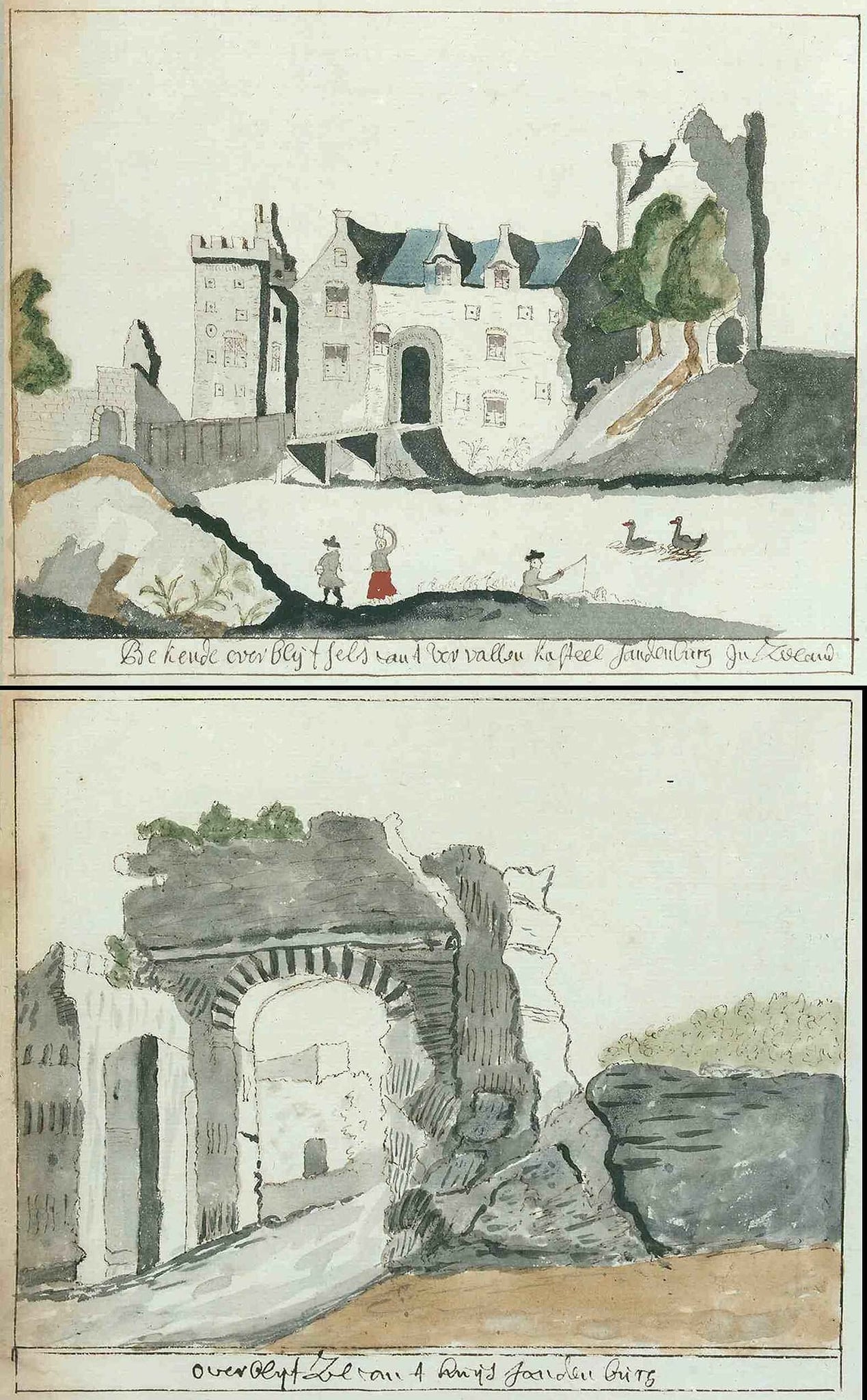
The initial construction of Westhove Castle dates back to the high medieval period, specifically the early 1200s. It was designed as a moated castle with a separate bailey, both surrounded and separated by moats, which was a common defensive feature of the time. The bailey was fortified with three entrances and equipped with two round towers, providing multiple defensive vantage points. The main castle structure itself featured two towers, which would have served as lookout points and strongholds during sieges.
Ownership and religious significance
In 1277, the castle and its surrounding lands came under the ownership of the Abbey of Middelburg. This marked a significant shift in the castle's role, as it became the summer residence of the abbots. The abbey's stewardship influenced the castle's function and possibly its architectural modifications, aligning it with ecclesiastical needs rather than purely military ones.
16th-century expansions and conflicts
During the mid-16th century, around 1560, Westhove Castle underwent significant expansion, particularly on its west side. This period saw the castle transition into an episcopal summer mansion by 1562, reflecting its continued importance as a residence for church officials rather than a military fortress.
However, the castle's fortunes changed dramatically during the Eighty Years' War. In 1572, it was stormed by the Sea Beggars (Geuzen), a group of Dutch rebels fighting against Spanish rule. The castle was partially destroyed in the assault, with only the north face remaining intact. This damage necessitated extensive rebuilding efforts to restore its habitability and structural integrity.
Later modifications and 20th-century uses
The castle's exterior saw further changes in the 19th century, when it was plastered over to protect and perhaps modernize its appearance. This plaster was removed in the early 20th century, revealing the original masonry beneath and restoring some of its historic character.
In the early 1900s, Westhove Castle found a new purpose as a nursing home for children, demonstrating its adaptability and continued use beyond its original defensive and residential functions. However, during World War II, the castle suffered heavy damage once again, reflecting the turbulent history of the region.
Post-war restoration efforts began in 1948 with repairs to the exterior, followed by a comprehensive restoration of the interiors in 1977. These efforts aimed to preserve the castle's historical significance while adapting it for modern uses.
Current status and visitor information
Today, Westhove Castle primarily dates from the 17th and 18th centuries due to the many reconstructions and restorations it has undergone. Despite the loss of much of its original medieval fabric, the castle remains a significant cultural and architectural landmark in Zeeland.
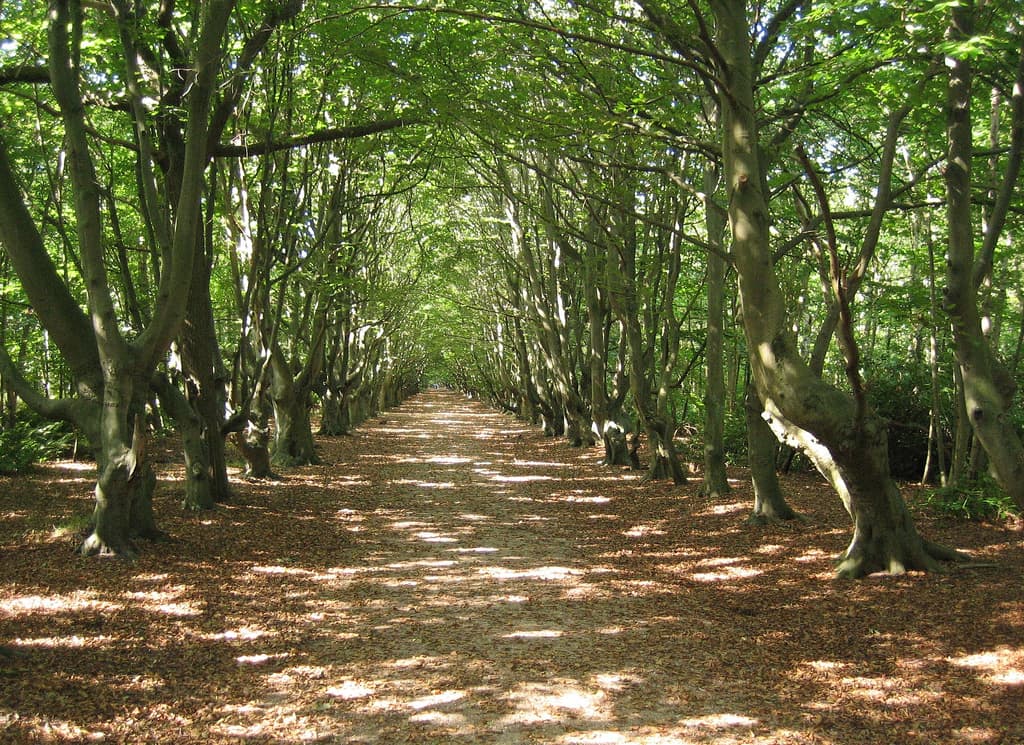
The castle is currently operated as a Youth Hostel, offering unique accommodation within a historic setting. It is located within a nature reserve, providing guests with scenic surroundings and proximity to the beaches of the North Sea. Access to the castle is generally limited to guests of the hostel, making it a special destination for those seeking to experience Dutch heritage in an immersive way.
Architectural features and layout today
Visitors to Westhove Castle can observe the remnants of its original defensive structures, including the moat and the layout of the bailey and main castle. Although much of the medieval castle has been altered, the presence of towers and the moat still convey its historic defensive purpose. The castle's adaptive reuse as a hostel has ensured its preservation and continued relevance in the modern era.
Historical significance in dutch heritage
Westhove Castle holds an important place in Dutch history, particularly in relation to the religious and military conflicts of the 16th century. Its association with the Abbey of Middelburg and the Sea Beggars situates it within the broader narrative of the Eighty Years' War and the struggle for Dutch independence. The castle's survival and restoration reflect the value placed on cultural heritage in the Netherlands.
Visitor access and experience
While Westhove Castle is not a typical tourist castle open for daily sightseeing, its use as a youth hostel offers a unique opportunity to stay within historic walls. Guests can enjoy the peaceful natural surroundings, explore the nearby beaches, and appreciate the blend of medieval architecture and modern hospitality. The castle's location in Zeeland also makes it a gateway to exploring the rich history and natural beauty of the region.
Frequently asked questions (FAQ)
- How do I visit Westhove Castle?
- Westhove Castle is currently used as a youth hostel, so access is generally limited to guests staying overnight. Visitors interested in seeing the castle should consider booking accommodation to experience its historic setting.
- What is the historical significance of Westhove Castle?
- Westhove Castle played a key role in the religious and military history of Zeeland, serving as the summer residence for abbots and later as an episcopal mansion. It was also involved in the Eighty Years' War and was partially destroyed by the Sea Beggars in 1572.
- Can I explore the original medieval architecture at Westhove Castle?
- While much of the original medieval structure was damaged or altered, visitors can still observe the castle's moat, bailey layout, and surviving towers. The current building mostly reflects 17th and 18th-century restorations.
- Is Westhove Castle suitable for families?
- Yes, as a youth hostel, Westhove Castle offers family-friendly accommodation within a historic environment. Its location near beaches and nature reserves makes it ideal for family visits.
- When was Westhove Castle restored?
- Significant restoration took place after World War II, with exterior repairs in 1948 and a thorough interior restoration completed in 1977, preserving the castle's historical character.
Photo gallery

Information
Current owner
Youth Hostel
Address
Duinvlietweg 8, Netherlands
Loading map...
Visitor reviews
No reviews yet. Been here? Write the first review and help other travelers!
Write the first reviewVisited this castle? Share your experience
Your review helps other travelers and adds first-hand knowledge to our encyclopedia.