Westenhanger Castle
Westenhanger Castle stands as a remarkable example of a medieval fortified manor located in the historic county of Kent, England. With origins stretching back to the Anglo-Saxon period, this castle embodies nearly a millennium of English history and architectural evolution. Its strategic position near the southern coast of England allowed it to play a significant role in both local governance and national defense through various turbulent periods, including the Wars of the Roses and the Spanish Armada crisis.
Early history and royal connections
The estate that would become Westenhanger Castle was originally part of the holdings of King Canute in 1035, marking its early importance as a royal possession. While no substantial stone structures from this initial period survive, the site’s continuous occupation highlights its value through centuries. The castle’s first major construction phase began in 1343 under the auspices of the de Criol family, descendants of Bertram de Criol, who established a permanent fortified manor house. This manor was a large quadrangular complex featuring up to 126 rooms, signaling the considerable wealth and status of its owners in medieval England.
Throughout the 12th and 13th centuries, the site was associated with notable figures such as Henry II and his mistress Rosamund de Clifford, underscoring the castle’s early aristocratic connections. Later, ownership passed through various hands, including the influential Fogge family after the death of Sir Thomas de Criol during the Wars of the Roses, when he was executed by order of Queen Margaret of Anjou following the Second Battle of St Albans.
Architectural features and layout
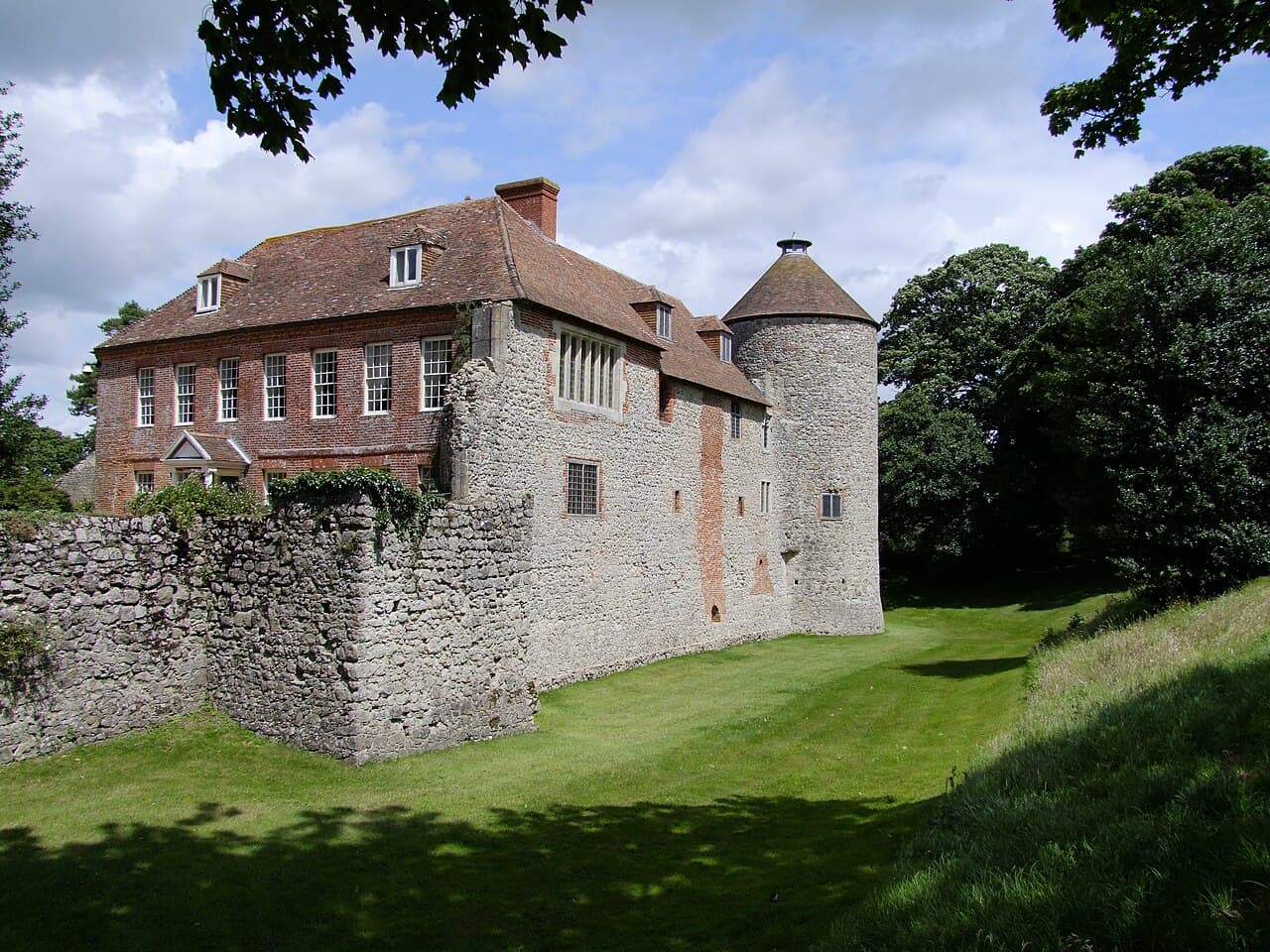
Westenhanger Castle is a classic example of a 14th-century quadrangular manor, characterized by a square or rectangular layout enclosed by curtain walls. These walls formed a defensive perimeter around the main residential and service buildings. Originally, the castle boasted a complex arrangement of rooms and halls, with the surviving evidence suggesting a well-fortified and self-sufficient estate.
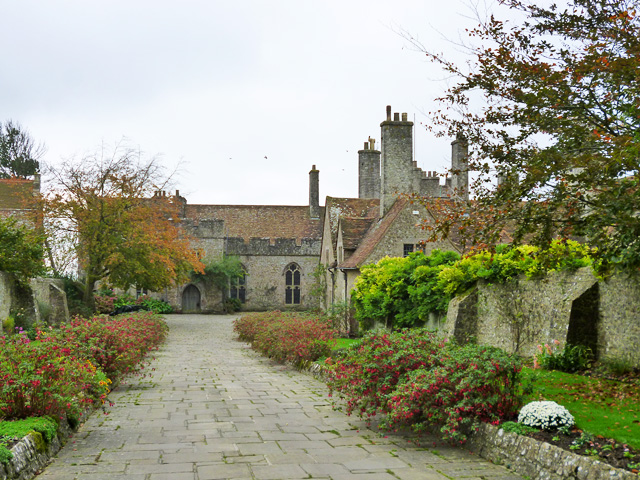
The castle’s curtain walls, although partially ruined, still stand prominently, illustrating the scale of the fortifications. Beyond these walls lie the medieval barns, constructed from sturdy masonry and serving critical agricultural and storage functions essential for the estate’s sustainability. These barns have recently been reunited with the castle under single ownership and are undergoing careful restoration to preserve their historical integrity.
Defensive structures and fortifications
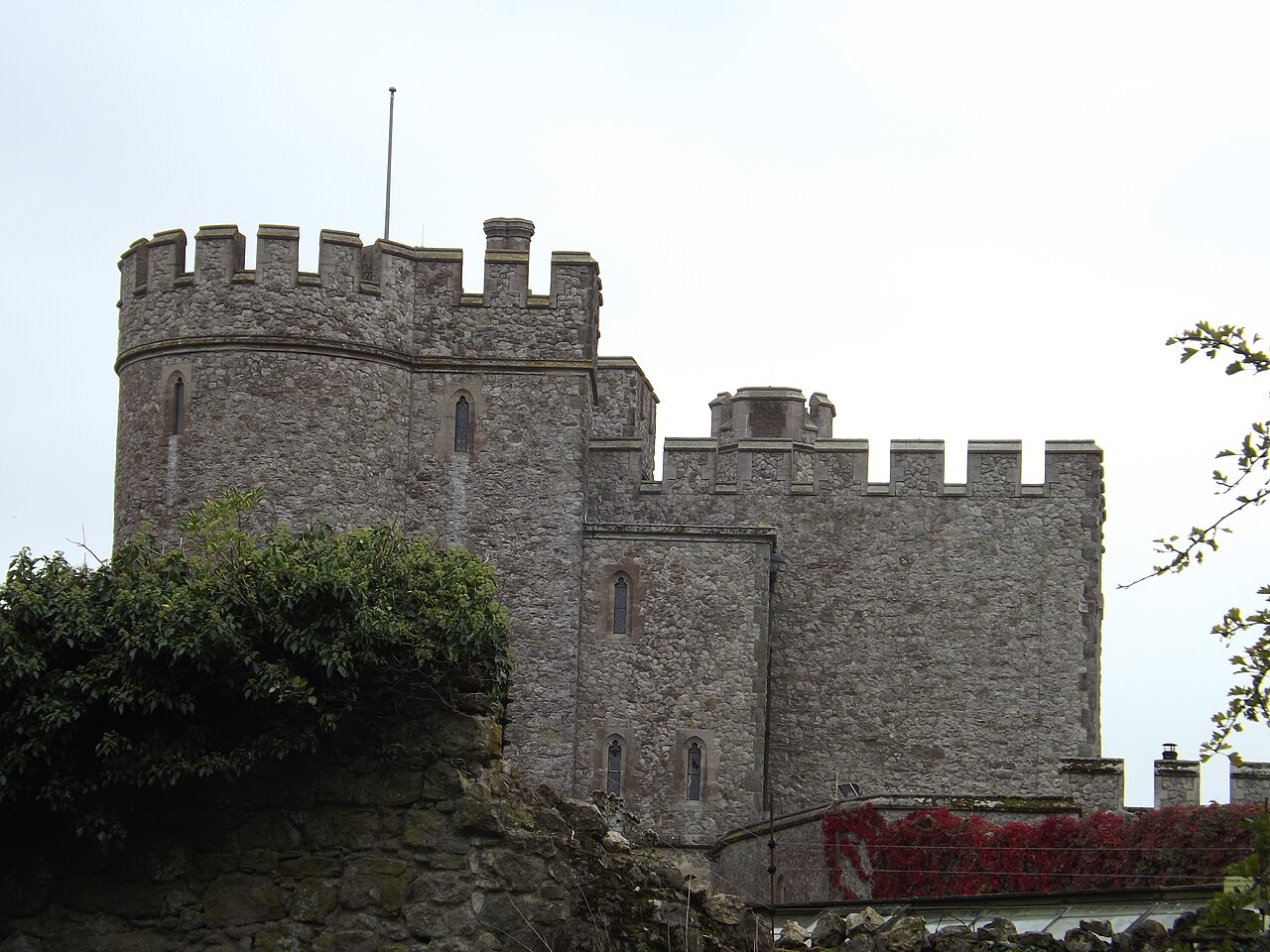
The castle’s defensive features included battlements and towers integrated into the curtain walls, designed to protect against siege warfare common in the medieval period. The elevated position of the castle, approximately 72 meters above sea level, provided a strategic vantage point over the surrounding landscape and nearby coast, enhancing its defensive capabilities.
Historical significance and notable events
Westenhanger Castle’s history is deeply intertwined with key moments in English history. During the Spanish Armada crisis of 1588, the castle served as the command post for Kent’s militia under Customer Smythe, overseeing a force of 14,000 men tasked with defending the southern coast from potential invasion. This military role highlights the castle’s continued strategic importance well into the late medieval and early modern periods.
In the 17th century, the castle was linked to the plans for the restoration of Charles II. In 1656, while the king was in exile, Westenhanger was considered as a lodging place upon his return to England. However, an assassination plot uncovered before his departure from France prevented any attack on the castle, preserving it from conflict during this politically volatile time.
The castle’s owners, notably the Smythe family, maintained possession for several centuries until 1869. The estate then passed to Captain Hugh Baillie, who died without heirs in 1876. Throughout these centuries, Westenhanger remained a symbol of noble lineage and regional power.
Connections to early american history
A unique aspect of Westenhanger Castle’s legacy is its connection to early American colonization. Sir Thomas Smythe, one of the castle’s owners, commissioned the ship Discovery in 1600. This vessel played a crucial role in the 1606 expedition that established Jamestown, Virginia, the first permanent English-speaking settlement in North America. In recognition of this historic link, a replica of the Discovery was installed at the castle in 2008 by the Jamestown UK Foundation, celebrating the castle’s contribution to transatlantic history.
Preservation and current status
Today, Westenhanger Castle is recognized as a Grade I listed building by English Heritage, underscoring its architectural and historical importance. Despite centuries of neglect and partial ruin, significant portions of the castle’s curtain walls and medieval barns remain intact. Conservation efforts initiated in the late 20th century, particularly from the mid-1990s onward, have focused on stabilizing and restoring these structures to prevent further decay.
The castle’s location adjacent to the Folkestone Racecourse provides controlled access to visitors, allowing them to explore the site’s medieval remains and appreciate its historical context. While many internal buildings have deteriorated, the surviving fabric offers valuable insights into the castle’s original layout, defensive design, and role within the medieval landscape of Kent.
Archaeological and architectural insights
Although no extensive archaeological discoveries such as decorative inscriptions or mosaics have been reported, the castle’s remaining walls and barns serve as primary evidence of its construction techniques and functional design. The robust masonry and layout reflect typical 14th-century fortified manor architecture, combining residential comfort with military preparedness.
Ongoing restoration aims to revive the barns and parts of the curtain wall, ensuring that Westenhanger Castle remains a tangible link to England’s medieval past for future generations to study and enjoy.
Frequently asked questions (FAQ)
- How do I get to Westenhanger Castle?
- Westenhanger Castle is located in Hythe, United Kingdom. You can reach the castle by car via the A20 road or take public transportation to Hythe train station, which is approximately 2 miles away. Local bus services also connect Hythe with nearby towns, making it accessible for visitors.
- What is the historical significance of Westenhanger Castle?
- Westenhanger Castle has a rich history dating back to the 13th century, originally built as a defensive stronghold. It has served various purposes over the centuries, including a residence and a military headquarters. Today, its historical significance is highlighted by its unique architectural features and its role in the local heritage.
- When was Westenhanger Castle built?
- The construction of Westenhanger Castle began in the early 13th century, around the year 1270. It was developed over the years, with various modifications and expansions that reflect the architectural styles of different periods. The castle remains a testament to medieval craftsmanship and design.
- Can I visit Westenhanger Castle year-round?
- Yes, Westenhanger Castle is open to visitors throughout the year, although specific opening hours may vary by season. It’s advisable to check the official website or contact the castle directly for the most current visiting hours, especially during holidays or special events.
- Why is Westenhanger Castle considered an architectural gem?
- Westenhanger Castle is considered an architectural gem due to its impressive combination of medieval and Tudor styles, featuring stunning stonework and intricate details. The castle's layout and fortifications provide insight into the defensive strategies of its time. Its picturesque setting adds to its charm, making it a favorite among architecture enthusiasts.
- Is it possible to host events at Westenhanger Castle?
- Yes, Westenhanger Castle offers facilities for hosting a variety of events, including weddings, corporate functions, and private gatherings. The castle's unique ambiance and historical backdrop provide a memorable setting for any occasion. Interested parties should contact the castle management for details on bookings and arrangements.
- What are the ticket prices for visiting Westenhanger Castle?
- Ticket prices for Westenhanger Castle can vary based on the season and type of event. Generally, adult tickets are priced around £10, while concessions and children's tickets are available at reduced rates. Special discounts may apply for families or group bookings, so it's best to check ahead of your visit.
- What are the best times to visit Westenhanger Castle?
- The best times to visit Westenhanger Castle are during the spring and summer months when the weather is typically milder and the gardens are in full bloom. Additionally, visiting during weekdays can help you avoid larger weekend crowds. Check the castle's calendar for any special events or exhibitions that may enhance your experience.
- What nearby attractions are there to explore?
- In addition to Westenhanger Castle, visitors can explore the nearby town of Hythe, known for its charming high street and historic buildings. The picturesque Romney Marsh and the beautiful beaches of Folkestone are also within a short drive. Other attractions include the Hythe Pier and the nearby Port Lympne Reserve, offering a range of activities for all ages.
Photo gallery

Information
Website
Visit websiteSources & official resources
Verify the information above using these authoritative references.
Loading map...
Visitor reviews
No reviews yet. Been here? Write the first review and help other travelers!
Write the first reviewVisited this castle? Share your experience
Your review helps other travelers and adds first-hand knowledge to our encyclopedia.