Saltwood Castle
Saltwood Castle stands as a testament to England's turbulent medieval past, nestled within the woods of the small village of Saltwood in Kent. This medieval castle commands a strategic position overlooking the English Channel, a vantage point that has shaped its long and complex history. The castle's story weaves through centuries of military conflict, political intrigue, and dramatic episodes including assassinations, religious persecutions, and even plans linked to World War II.
Ancient origins and early fortifications
The area around Saltwood has been inhabited since prehistoric times, as evidenced by archaeological finds in the surrounding woodlands. Bronze Age artifacts discovered nearby indicate the presence of ancient Briton Celtic tribes, highlighting the region's longstanding human occupation. The site’s natural elevation and proximity to the coast made it an ideal location for early defensive structures.
The earliest recorded fortification dates back to 488 CE, when Aesc, King of Kent—son of an Anglo-Saxon warlord who played a role in the conquest of Britain—established a fortress here. This early stronghold likely served as a defensive outpost controlling access along the coast and inland routes.
Norman reconstruction and medieval prominence
Following the Norman Conquest of England in 1066, the castle's ownership was granted by William the Conqueror to the knight Hugo de Montfort. Recognizing the strategic importance of the site and anticipating resistance from the local Saxon population, Montfort demolished the existing Anglo-Saxon fortress and constructed the present-day stone castle. This new structure was designed with enhanced defensive capabilities to withstand sieges and attacks, reflecting the military architecture trends of the High Medieval period.
The castle featured typical medieval defensive elements such as thick curtain walls, towers, and a gatehouse. Its position within dense woodland provided natural concealment and additional protection. Over the centuries, Saltwood Castle played a significant role in regional power struggles and served as a stronghold for various noble families.
Historical events and dark episodes
Saltwood Castle's history is marked by several notable and often grim events. It is infamously linked to the assassination of Thomas Becket, the Archbishop of Canterbury, in 1170. While the exact role of the castle in the conspiracy remains debated, it was reputedly a meeting place for the knights who carried out the murder, underscoring its involvement in high-level political intrigue.
During the medieval period, the castle was also a site where heretics and religious dissenters faced brutal punishments, including torture and burning. These actions reflect the intense religious conflicts and persecutions of the era.
Later history and 20th-century significance
In the centuries that followed, Saltwood Castle changed hands multiple times and underwent various modifications, though it gradually lost military importance. In the 20th century, the castle gained renewed attention during World War II. It was reportedly linked to grandiose invasion plans by a Nazi officer, highlighting its continued strategic symbolic value even in modern warfare contexts.
Architectural features and current condition
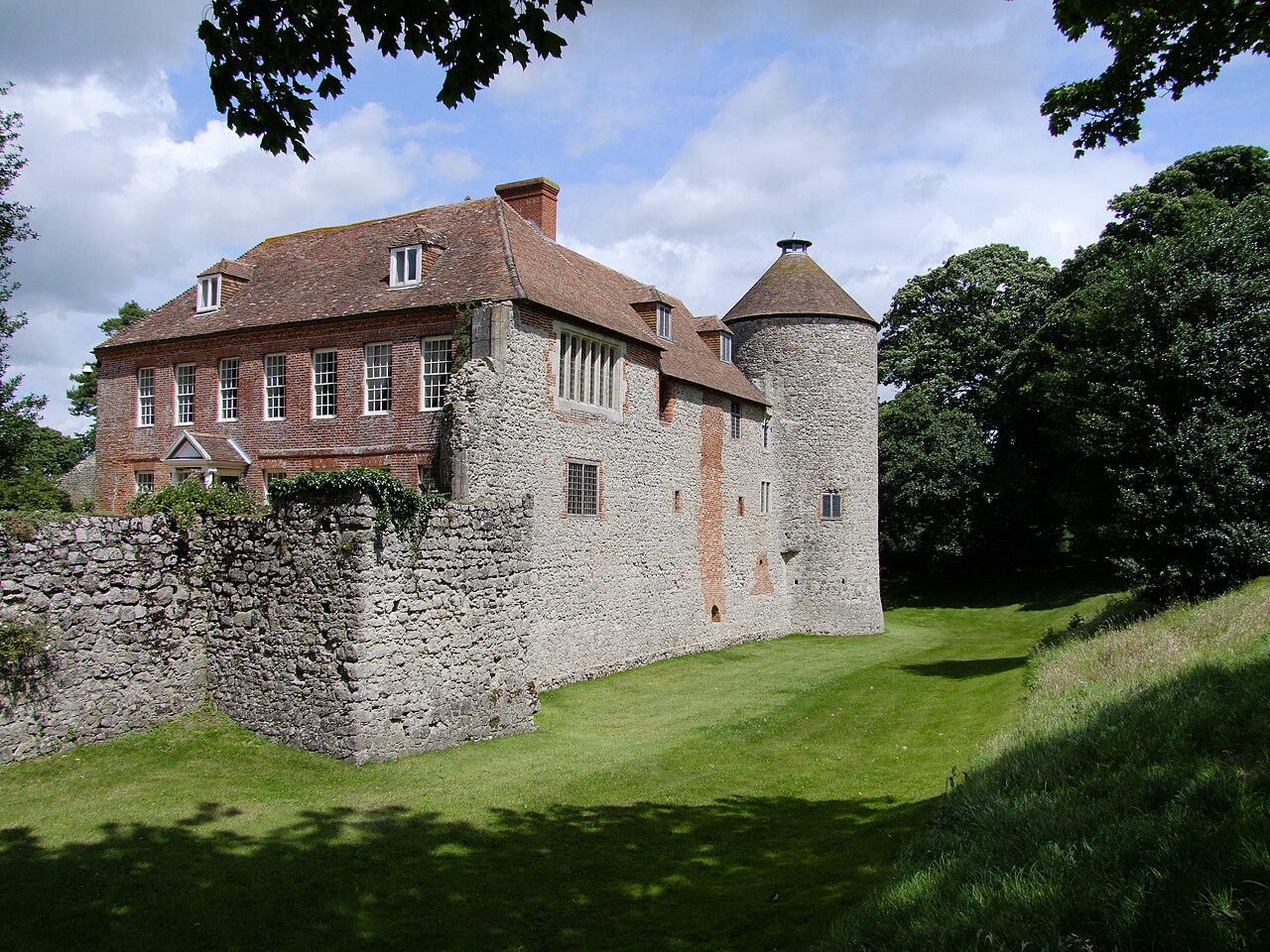
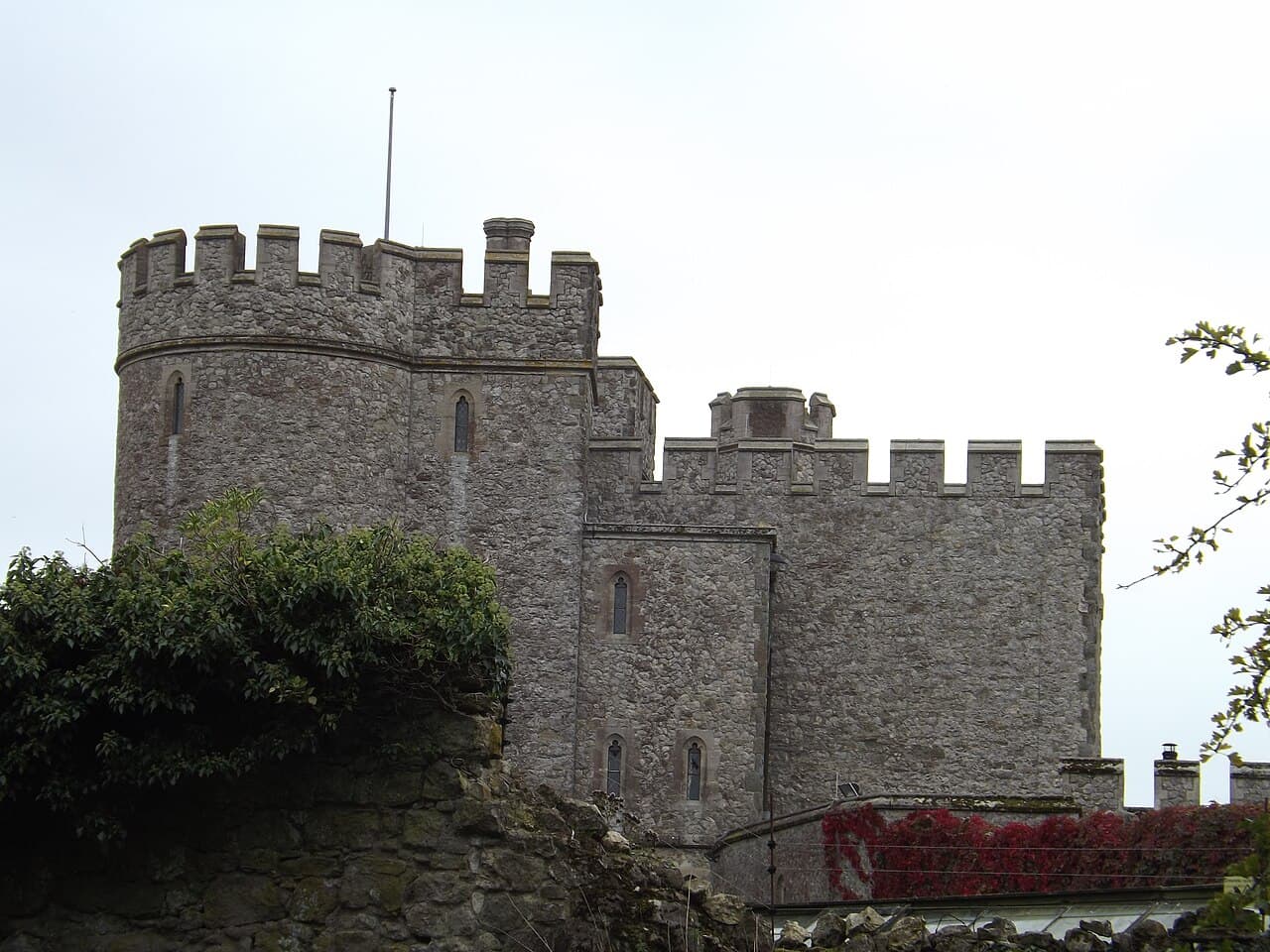
Saltwood Castle exemplifies a hill castle type, positioned to maximize defensive advantage. Its architecture reflects High Medieval design principles with stone curtain walls, defensive towers, and a fortified gatehouse. The castle's layout includes a central courtyard surrounded by these defensive structures, typical of Norman military architecture.
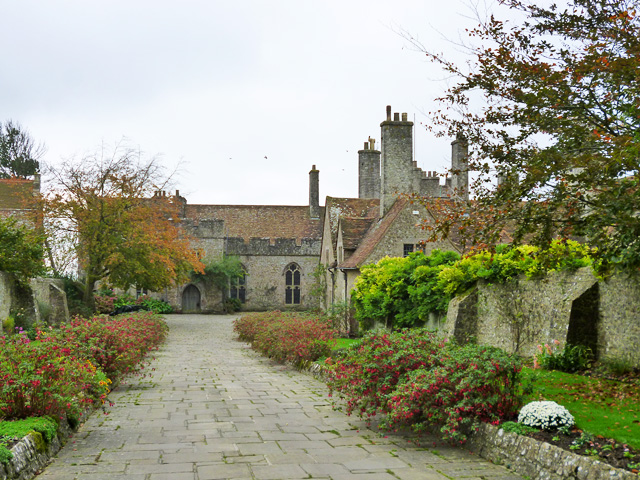
Today, Saltwood Castle remains partially preserved, with significant portions of its walls and towers still standing amidst the woodland setting. Its preservation allows visitors to appreciate the castle’s historical and architectural significance, though some areas are in ruins or have been altered over time.
Visiting Saltwood Castle and local heritage
Saltwood Castle is a site of great cultural and historical interest in Kent. Visitors can explore the remains and surrounding woodlands to gain insight into the castle’s role in English history. The castle’s location near the English Channel also offers scenic views and a sense of the strategic importance that shaped its past.
The castle’s rich history, from its prehistoric beginnings to medieval prominence and modern associations, makes it a compelling destination for those interested in England’s military and architectural heritage.
Frequently asked questions (FAQ)
- When was Saltwood Castle originally built?
- The first recorded fortification at Saltwood Castle dates back to 488 CE, established by Aesc, King of Kent. The current stone castle was constructed after the Norman Conquest in 1066 by Hugo de Montfort.
- What architectural style characterizes Saltwood Castle?
- Saltwood Castle primarily reflects High Medieval military architecture, featuring stone curtain walls, defensive towers, and a fortified gatehouse typical of Norman design.
- Is Saltwood Castle open to visitors?
- Saltwood Castle is partially preserved and accessible to visitors interested in exploring its historic ruins and woodland setting, though specific visiting hours and ticket information may vary.
- What historical events is Saltwood Castle known for?
- The castle is linked to the assassination of Thomas Becket in 1170 and was a site of religious persecution during the medieval period. It also had strategic significance during World War II.
- Where is Saltwood Castle located?
- Saltwood Castle is located in the village of Saltwood, Kent, England, overlooking the English Channel and surrounded by woodland.
Photo gallery

Information
Website
Visit websiteSources & official resources
Verify the information above using these authoritative references.
Loading map...
Visitor reviews
No reviews yet. Been here? Write the first review and help other travelers!
Write the first reviewVisited this castle? Share your experience
Your review helps other travelers and adds first-hand knowledge to our encyclopedia.