Weobley Castle
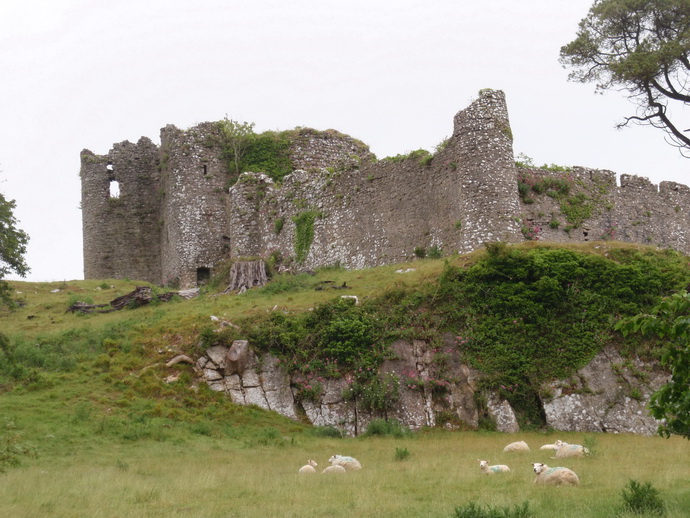
Weobley Castle is a remarkable example of a late medieval fortified manor house located on the Gower Peninsula in the United Kingdom. Constructed primarily between 1304 and 1327 by the Welsh de la Bere family, the castle served as a fortified residence and administrative center during a turbulent period of Welsh and English history. Its architectural remains offer valuable insights into medieval domestic life, fortification strategies, and regional power dynamics.
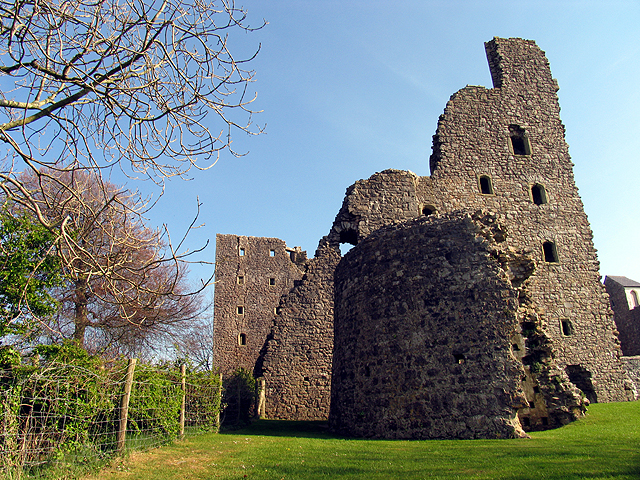
The castle's origins are closely tied to the de la Bere family, who were stewards to William de Braose, Lord of Gower. The earliest surviving structures include a great hall, a southwest tower, a southeast tower, and the east wall, all built using rubble masonry with sandstone window and door frames. These elements reflect the dual function of the castle as both a defensive stronghold and a comfortable noble residence.
Historical context and ownership
Weobley Castle first appears in historical records in 1304 as the home of David de la Bere. By 1318, a deed signed by Adam de la Bere confirms the family's continued ownership. The castle remained under the de la Bere family until the early 15th century, when it suffered damage during the uprising led by Owain Glyndŵr. The attack in 1403 caused structural damage and likely resulted in the death of John de la Bere, the then lord of the castle.
Following this period, ownership passed through several prominent Welsh families including the Mansels and Herberts. By the late 15th century, Sir Rhys ap Thomas acquired the castle and made significant architectural modifications, including the addition of a two-storey porch that served as a new entrance to the main hall, as well as alterations to the chapel and east wing.
After the execution for treason of Rhys ap Gruffydd in 1531, the castle reverted to the Crown under King Henry VIII. It was then sold to William Herbert in 1560 and later acquired by Edward Mansel in the 17th century. By this time, the castle's role had shifted primarily to agricultural use, leading to neglect and partial ruin.
In the 20th century, the castle was donated to the state by Emily Talbot in 1911. Since then, restoration efforts have focused on preserving the surviving medieval fabric and removing later farm buildings. Today, it is managed by Cadw, the Welsh historic environment service.
Architectural features and layout
Construction phases and materials
The castle's construction occurred in two main phases. The first phase included the building of the great hall, the southwest and southeast towers, and part of the east wall. These structures were designed to provide both defense and residential comfort, using robust rubble masonry with finely crafted sandstone window and door surrounds.
The second phase simplified the defensive elements and completed the northern residential wing, a plain west gatehouse, and a chapel adjacent to the southwest tower. Notably, the southeast tower and the east wing were never fully completed, leaving some parts of the castle unfinished.
Defensive features and domestic spaces
The west gatehouse is unusual for its lack of typical medieval defensive features such as arrow slits or machicolations, being protected only by a shallow ditch. It contains an upper chamber which likely served multiple purposes, possibly including accommodation or storage.
Directly north of the gatehouse lies the solar block, which housed the lord's private chambers, including a latrine and a cellar. This area highlights the castle's emphasis on domestic comfort alongside its defensive role.
South of the solar is the so-called "Cistern Turret", believed to have functioned as a rainwater storage facility essential for the castle's water supply. Behind this turret stands the southwest tower, considered possibly the oldest surviving part of the castle.
The hall, chapel, and residential quarters
The northern range contains the most intact buildings, including the hall, kitchen, and the two-storey porch added in the late 15th century. The hall features a recessed area designed for hanging tapestries or wooden paneling, emphasizing the importance of status and comfort.
Archaeological excavations in the chapel uncovered fragments of a piscina, a basin used for washing religious vessels, providing insights into the religious practices of the castle's inhabitants.
The castle also contained multiple garderobes (medieval latrines) and guest rooms, underscoring its role as a wealthy household rather than a purely military fortress.
Later history and preservation
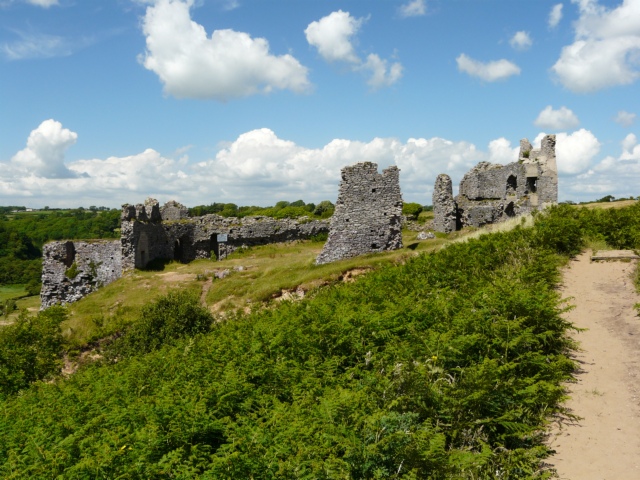
Following centuries of agricultural use, parts of the castle fell into ruin, notably the southwest tower and south wing. However, the north and west wings remain well preserved and now house a small exhibition detailing the castle's history.
Just east of the main buildings are the remains of a lime kiln, historically used to produce mortar for construction and repairs. To the south lies a farmstead with part of a late medieval barn alongside modern agricultural buildings, reflecting the site's evolution from a noble residence to a working farm.
Today, Weobley Castle stands as a significant heritage site that offers visitors a glimpse into medieval Welsh noble life, architectural development, and the complex history of the Gower Peninsula. Its combination of military and domestic architecture, coupled with its rich historical associations, make it an important monument for both historians and the public.
Frequently asked questions (FAQ)
- What is the historical significance of Weobley Castle?
- Weobley Castle is a notable example of a 13th-century fortification that played a crucial role in the defense of the region during the medieval period. Its strategic location allowed it to serve as a stronghold against various invasions and conflicts, particularly during the Welsh uprisings. Today, it stands as a testament to the architectural and military ingenuity of its time.
- When was Weobley Castle built?
- Weobley Castle was constructed in the late 1200s, specifically around 1280, by the de Braose family. It was built to assert control over the surrounding lands and to provide a defensive structure against potential threats. The castle’s design reflects the transitional period between motte-and-bailey constructions and more sophisticated stone fortifications.
- Can I visit Weobley Castle?
- Yes, Weobley Castle is open to visitors who wish to explore its historical grounds and enjoy the scenic views of the surrounding landscape. The site is accessible for those interested in learning more about its history and architecture. However, it is advisable to check the official website for any specific visitor guidelines or restrictions.
- What are the opening hours for Weobley Castle?
- Weobley Castle generally opens to the public from 10 AM to 5 PM during the summer months and has reduced hours in the winter. It is important to confirm the exact opening hours before your visit, as they may vary seasonally or due to special events. Visitors are encouraged to plan ahead to ensure a smooth experience.
- Is it possible to take guided tours of Weobley Castle?
- Yes, guided tours are often available at Weobley Castle, providing visitors with in-depth insights into its history and architecture. These tours are led by knowledgeable guides who can share fascinating stories and facts that enhance the visitor experience. Check the castle's official website for details on tour availability and scheduling.
- What is the best time to visit Weobley Castle?
- The best time to visit Weobley Castle is during the spring and summer months when the weather is typically mild and the gardens are in full bloom. This season offers a more pleasant outdoor experience for exploring the castle grounds. Additionally, visiting during weekdays can help avoid larger crowds and provide a more intimate experience.
- Are there any nearby attractions to visit along with Weobley Castle?
- Yes, there are several nearby attractions that complement a visit to Weobley Castle. Visitors can explore the beautiful Swansea coastline, the Gower Peninsula, or the historic town of Swansea itself. These sites offer additional cultural and natural experiences, making for a full day of exploration.
- How much do tickets cost for Weobley Castle?
- Ticket prices for Weobley Castle are generally affordable, with concessions available for students and seniors. Family tickets may also offer a cost-effective option for those visiting with children. It is recommended to check the official website for the most current pricing and any special offers that may be available.
- Is Weobley Castle accessible for visitors with mobility issues?
- Weobley Castle strives to be accessible for all visitors, though some areas may present challenges due to uneven terrain and historical architecture. The site management is committed to providing assistance where possible, so it’s advisable to contact them ahead of your visit to inquire about specific accommodations. Accessibility options may vary, and planning ahead can enhance your experience.
Information
Website
Visit websiteSources & official resources
Verify the information above using these authoritative references.
Loading map...
Visitor reviews
No reviews yet. Been here? Write the first review and help other travelers!
Write the first reviewVisited this castle? Share your experience
Your review helps other travelers and adds first-hand knowledge to our encyclopedia.