Welschbillig Castle
Welschbillig Castle stands as a remarkable example of medieval fortification built upon ancient Roman foundations in the village of Welschbillig, Germany. The site originally hosted a Roman villa rustica dating from the 2nd to 4th century, notable for its large U-shaped layout adjacent to a substantial water basin measuring approximately 58.3 by 17.8 metres. This basin was once encircled by an impressive collection of 112 hermas, sculptural boundary markers, of which 71 are preserved in the Rheinisches Landesmuseum Trier. The villa's remains provide a significant archaeological context for the later medieval structures that followed.
The transformation of this site into a fortified castle began in the 12th century with a small predecessor structure, which was then extensively developed during the 13th century under the direction of the Prince-Elector of Trier, Arnold II of Isenburg. Between 1242 and 1299, the castle's defenses were significantly enhanced, reflecting the strategic importance of the location within the Electorate of Trier. The castle is classified as a hill castle, positioned to command the surrounding landscape and control regional routes.
Architectural features and layout
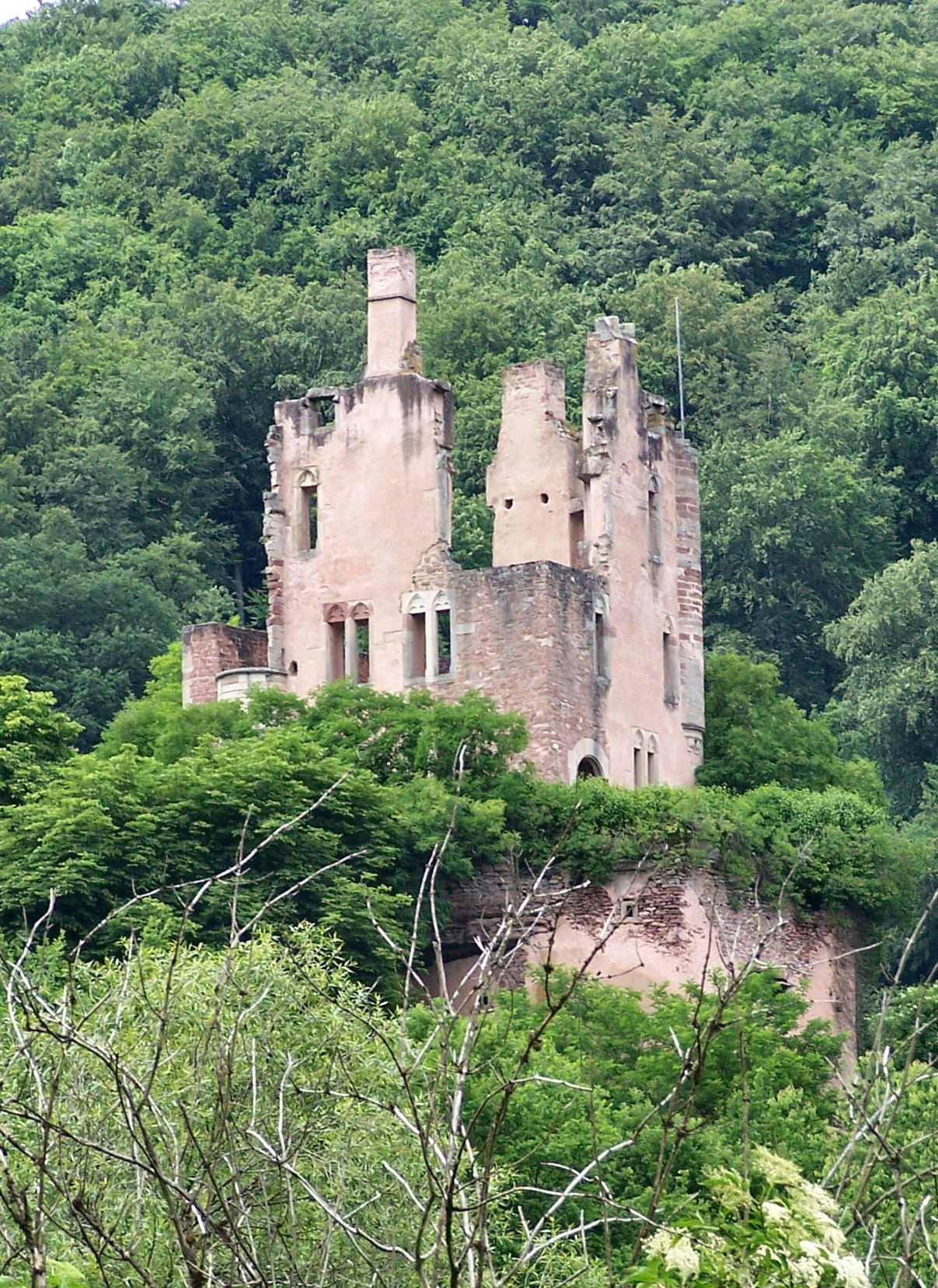
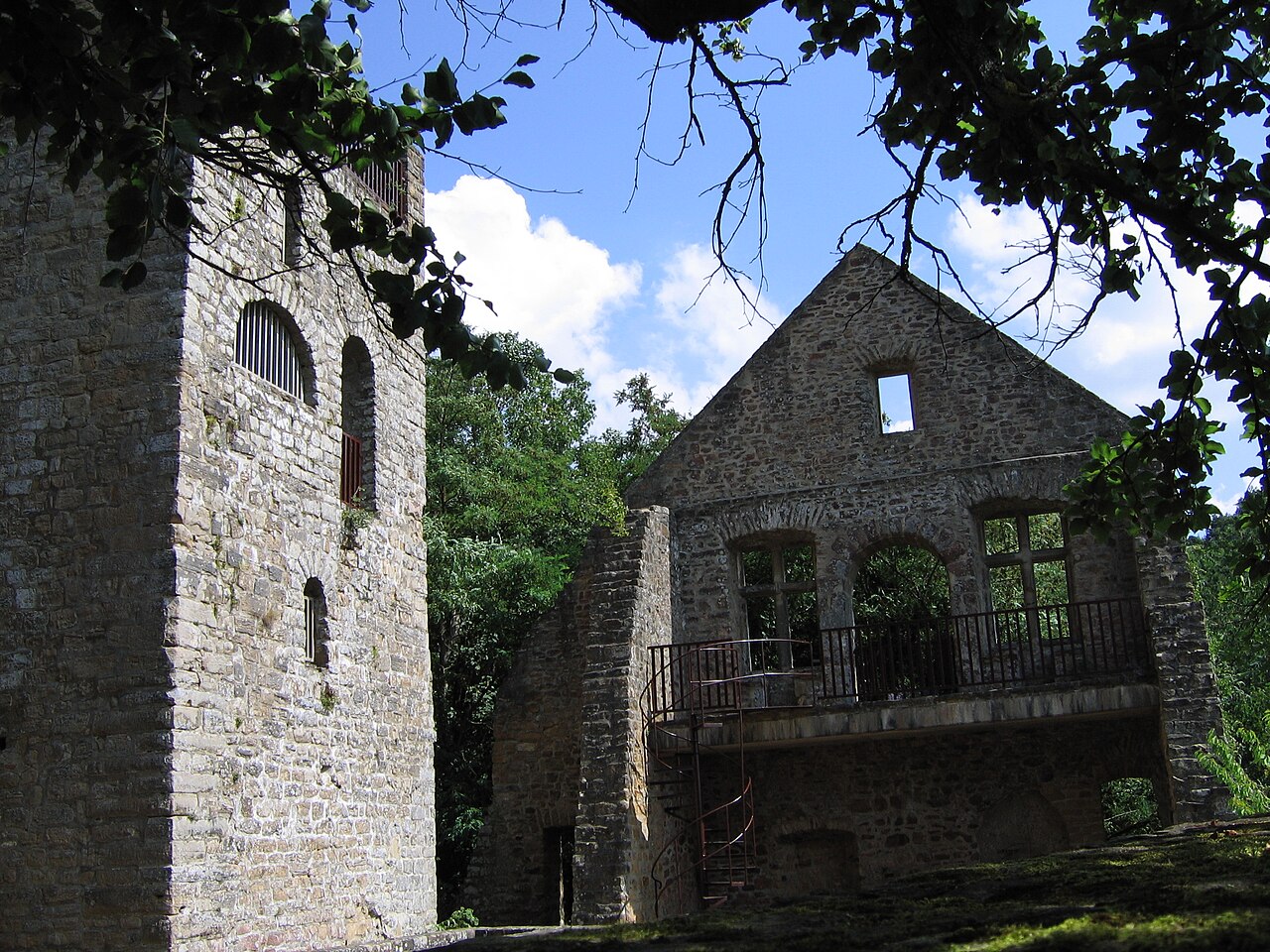
The surviving remains of Welschbillig Castle reveal a large, quadrangular layout typical of high medieval military architecture. The castle was originally surrounded by a moat, parts of which are still visible today. Key features include the gateway flanked by two round towers, which would have served both defensive and symbolic purposes, asserting the lord's power and control. A stone bridge spans the moat, providing access to the castle's interior, and the remains of a northwest tower add to the defensive ensemble.
The castle's walls and towers were built using local stone, with construction techniques characteristic of the high medieval period. The fortifications were designed to withstand sieges and attacks, incorporating thick curtain walls and defensive towers that allowed for enfilading fire against assailants. The castle's position on a raised site enhanced its defensive capabilities and visibility over the surrounding terrain.
Historical significance and events
During the high medieval period, Welschbillig Castle served as a landesburg—a type of territorial fortress—under the Electorate of Trier, a significant ecclesiastical principality within the Holy Roman Empire. Its construction and expansion under Arnold II and his successors were part of broader efforts to consolidate territorial control and defend against rival nobles and external threats.
The castle's military role continued into the early modern period but ended abruptly during the Dutch War (1672–1678). In 1673–74, the castle was destroyed by the forces of King Louis XIV of France, known as the 'Sun King,' as part of his campaigns to expand French influence in the Rhineland. This destruction marked the end of the castle's active military use.
Post-medieval changes and preservation
Following its destruction, the castle fell into ruin. In the late 19th century, specifically between 1889 and 1891, the southern side of the castle was demolished to make way for a church, reflecting changing community needs and the decline of feudal fortifications as functional structures.
Today, the site of Welschbillig Castle is recognized for its archaeological and historical value, with the remaining structures providing insight into medieval military architecture and the continuity of settlement from Roman times. The castle remains are classified as partially preserved ruins, with visible elements such as the gateway, towers, moat, and stone bridge offering tangible connections to its past.
Roman villa heritage
The underlying Roman villa rustica is significant for understanding the long-term occupation and land use in the region. The villa's large water basin and hermas indicate a site of considerable wealth and status during the Roman period. The preservation of many hermas in the Rheinisches Landesmuseum Trier allows for continued study and public appreciation of this heritage.
Visitor experience and cultural importance
Visitors to Welschbillig can explore the castle ruins and appreciate the blend of Roman and medieval history evident on site. The castle's remains, set within the village, provide a striking example of how medieval fortifications were often constructed atop earlier Roman sites, reflecting layers of historical occupation. The site is an important cultural landmark in the region, attracting those interested in medieval architecture, archaeology, and the history of the Rhineland.
Frequently asked questions (FAQ)
- What is the historical significance of Welschbillig Castle?
- Welschbillig Castle dates back to the 12th century and is a remarkable example of medieval architecture in Germany. It played a crucial role in the region's defense against invasions and has been a witness to various historical events throughout the centuries.
- When was Welschbillig Castle built?
- Welschbillig Castle was constructed in the early 12th century, making it one of the oldest castles in the area. Its enduring structure reflects the architectural styles and defensive needs of the time.
- What are the opening hours for Welschbillig Castle?
- Welschbillig Castle is open to visitors from April to October, Tuesday through Sunday, from 10 AM to 5 PM. It is advisable to check the official website for any seasonal changes or special events that may affect these hours.
- Can I take guided tours of Welschbillig Castle?
- Yes, guided tours are available at Welschbillig Castle, providing visitors with in-depth knowledge about its history and architecture. These tours are typically offered on weekends or by appointment, so it's best to check ahead.
- Is Welschbillig Castle accessible for visitors with disabilities?
- Welschbillig Castle has made efforts to improve accessibility for all visitors. While some areas may present challenges due to the original structure, there are pathways and facilities designed to accommodate those with mobility issues.
- What are the ticket prices for visiting Welschbillig Castle?
- The ticket prices for Welschbillig Castle are quite reasonable, with adult tickets priced at €5 and discounted rates for students and seniors. Children under the age of 12 can enter for free when accompanied by an adult.
- When is the best time to visit Welschbillig Castle?
- The best time to visit Welschbillig Castle is during the spring and early autumn months when the weather is pleasant and the surrounding scenery is beautiful. Additionally, visiting during special events can enhance your experience.
- What nearby attractions should I consider while visiting Welschbillig Castle?
- While visiting Welschbillig Castle, you can also explore the charming village of Welschbillig, which offers picturesque landscapes and local dining options. Additionally, nearby attractions include historical sites and nature trails that showcase the beauty of the region.
Information
Loading map...
Visitor reviews
No reviews yet. Been here? Write the first review and help other travelers!
Write the first reviewVisited this castle? Share your experience
Your review helps other travelers and adds first-hand knowledge to our encyclopedia.