Wedderburn Castle
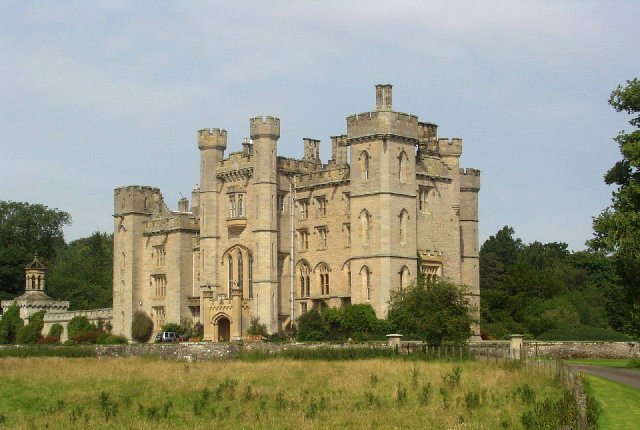
Wedderburn Castle, located near Duns in Berwickshire, Scottish Borders, is an exemplary 18th-century country house designed in the distinctive style of the celebrated architect brothers Robert and James Adam. Constructed between 1771 and 1775, this castle is a prominent historic seat of the Home of Wedderburn family, a cadet branch of the Home family who hold the title of Earls of Home. Today, the castle functions as a wedding and events venue, preserving its legacy as a significant architectural and cultural landmark. It holds the prestigious status of a Category A listed building, and its grounds are included in the Inventory of Gardens and Designed Landscapes in Scotland, underscoring its heritage value.
The origins and historical lineage of Wedderburn Castle
The estate of Wedderburn traces its origins back to the early 15th century when it was part of the barony controlled by the powerful Earls of Douglas. Around 1413, the land was granted as a feu to Sir David of Home, marking the beginning of the Home family's long association with the site. By the mid-16th century, the Homes had secured superiority of Wedderburn directly from the Scottish Crown, solidifying their hereditary claim. Over the centuries, various branches of the family incorporated "Home" into their surnames, reflecting their connection to the estate and its legacy.
The present castle was built deliberately on the site of an earlier 17th-century tower house—also known as Wedderburn Castle—which was demolished in the early 19th century. Only a heraldic panel remains from this original structure, serving as a tangible link to the estate's medieval past. The new house was commissioned by Patrick Home of Billie, a prominent figure who had previously completed the notable Paxton House. The architectural design was by the Adam brothers, with local supervision by James Nisbet of Kelso.
Architectural design and features
Exterior and site layout
Wedderburn Castle is characterized by its battlemented three-storey elevations, a hallmark of the Adam brothers' distinctive "castle style" which blends classical symmetry with fortified elements. The apparent symmetry of the façade conceals a practical internal arrangement centered around a rectangular courtyard. This courtyard occupies the footprint of the demolished tower house and is accessed via an archway at the rear of the castle.
The estate is approached through the imposing north Lion Gate, designed in 1794 by architect John Plaw. This grand entrance leads along a long drive from the West Gate, which features screen walls and gabled lodges forming a formal boundary. Near the gates stand the 18th-century stables arranged around a square courtyard, entered through a pedimented archway typical of the period. These stables have been repurposed in modern times as a barn for weddings and events, complementing the castle's current use.
Interior layout and decoration
The castle's interior is a fine example of 18th-century Adam style with a clear emphasis on social and entertainment spaces. Entering through a large porch adorned with the Home of Wedderburn coat of arms, visitors find a double staircase with an iron balustrade leading to a balcony. Behind this balcony is a long gallery connecting the drawing room and dining room, facilitating a smooth flow between reception areas.
Opposite the front door and above the hall is a minstrel gallery, a raised platform historically used by musicians during gatherings. This gallery also links the main reception rooms, emphasizing the castle's design focus on entertainment. To the right of the staircase lie the drawing room and a morning room (formerly a smoking room), beyond which is the ballroom, a key space for social events.
On the left side of the hall are the dining room and an additional staircase leading to the bedrooms above. The ground floor also contains a large kitchen and further bedrooms, reflecting the functional needs of a country house of this stature.
The castle's interior is notable for several exquisite chimneypieces. The most distinguished is in the drawing room, crafted from white Carrara marble and other materials, attributed to the style of the Italian artist and designer Piranesi around 1774. This detail highlights the refined artistic taste and high craftsmanship invested in the castle's finishes.
Later history and current status
Wedderburn Castle remained in the ownership of the Home family for many generations. From 1898 to 1973, it was leased to the Arbuthnot family, after which it passed to Georgina Home Robertson and more recently to David Home Miller and Catherine Macdonald-Home. During the Second World War, the castle was repurposed as a naval hospital, contributing to the war effort by providing medical facilities.
Today, the castle is recognized for its architectural and historical significance, protected as a Category A listed building. The estate's grounds, included in the Inventory of Gardens and Designed Landscapes in Scotland, preserve the designed landscape of the 18th century, maintaining the harmony between the built environment and natural surroundings.
Architectural and cultural significance
Wedderburn Castle stands as a distinguished example of the Adam brothers' architectural legacy, showcasing their ability to blend classical elegance with the romanticism of castle-like features. Its design reflects the tastes and social aspirations of the Scottish gentry in the late 18th century, combining functionality with grandeur.
The castle's integration of a former medieval tower house footprint into a modern country house plan illustrates the evolution of Scottish aristocratic residences from fortified strongholds to comfortable, stylish homes. The ensemble of gates, stables, lodges, and landscaped grounds forms a cohesive estate that exemplifies the principles of 18th-century country estate planning.
As a venue for weddings and events, Wedderburn Castle continues to serve as a cultural focal point in the Scottish Borders, linking contemporary use with historical heritage. Its preservation ensures that future generations can appreciate the architectural artistry and historical narratives embodied in this remarkable estate.
Frequently asked questions (FAQ)
- How do I get to Wedderburn Castle?
- Wedderburn Castle is located near Duns in the Scottish Borders. You can reach it by car via the A6105 road, or by public transport, with bus services connecting Duns to nearby towns. For those arriving by train, the nearest station is in Berwick-upon-Tweed, which is about 20 miles away.
- What is the historical significance of Wedderburn Castle?
- Wedderburn Castle dates back to the 15th century and is notable for its role in the Scottish Borders' history. It has been the ancestral home of the Home family and has witnessed numerous historical events, including conflicts during the Scottish Reformation. The castle reflects the architectural styles of its time and offers insight into Scotland's feudal past.
- When was Wedderburn Castle built?
- Wedderburn Castle was originally constructed in the late 15th century, with significant alterations and additions made in the 17th century. The castle has retained much of its original charm while also showcasing later architectural influences. This blend makes it a fascinating site for those interested in historical architecture.
- Can I visit Wedderburn Castle?
- Yes, Wedderburn Castle is open to visitors, but it is advisable to check in advance for specific visiting times and any special events. Guided tours are often available, providing insights into the castle's rich history and architecture. Be sure to book your tickets ahead of time, especially during peak tourist seasons.
- Why is Wedderburn Castle considered an architectural gem?
- Wedderburn Castle is considered an architectural gem due to its unique blend of medieval and Renaissance styles. The castle features impressive stonework, beautiful interiors, and a stunning setting that reflects its historical significance. Its well-preserved structure offers visitors a glimpse into the craftsmanship of the period.
- Is it possible to host events at Wedderburn Castle?
- Yes, Wedderburn Castle is available for private events, including weddings, corporate functions, and special celebrations. The castle's picturesque surroundings and historic ambiance make it a popular choice for memorable gatherings. It is recommended to contact the castle management for details on availability and services offered.
- What are the opening hours for Wedderburn Castle?
- Wedderburn Castle typically opens to visitors from April to October, but specific hours may vary depending on the day or season. During busy periods, the castle may have extended hours to accommodate more visitors. Always check the official website or contact the management for the most accurate and up-to-date information.
- What are the ticket prices for visiting Wedderburn Castle?
- Ticket prices for Wedderburn Castle vary depending on the type of tour and the season. Generally, adult tickets are priced around £10, with discounts available for seniors and children. It's a good idea to check the castle's official website for any special promotions or group rates before planning your visit.
- What nearby attractions can I visit while at Wedderburn Castle?
- While visiting Wedderburn Castle, you can explore the charming town of Duns, which offers various shops and cafes. Additionally, the stunning landscapes of the Scottish Borders are perfect for hiking and outdoor activities. Nearby attractions include the historic town of Berwick-upon-Tweed and the picturesque Coldstream.
Information
Website
Visit websiteSources & official resources
Verify the information above using these authoritative references.
Loading map...
Visitor reviews
No reviews yet. Been here? Write the first review and help other travelers!
Write the first reviewVisited this castle? Share your experience
Your review helps other travelers and adds first-hand knowledge to our encyclopedia.