Wedderborg
Wedderborg is a significant historic castle-type borg located in the municipality of Westerwolde, in the northeastern Netherlands near the German border. Established in the late Middle Ages by the Frisian-origin Addinga family, Wedderborg served as the administrative and judicial center of the heerlijkheid Westerwolde. Its strategic location along the Westerwoldse Aa river made it a focal point of regional power struggles and territorial conflicts from the 14th century onward.
The origins and medieval establishment of Wedderborg
Wedderborg was founded between 1360 and 1370 when Adde (Egge) Addinga was granted the heerlijkheid Westerwolde as a fief by both the abbot of the Abbey of Corvey and the bishop of Münster. This lordship gave the Addinga family authority over the region, and Wedderborg was constructed as their administrative seat. The borg originally featured a moat and defensive structures characteristic of hill castles, designed to assert control over the surrounding lands.
The Addinga family faced ongoing tensions with local inhabitants and the powerful city of Groningen, which contested their jurisdictional claims. These conflicts culminated in 1478 when Groningen forces destroyed the borg in a dispute over governance and fortifications. The borg was rebuilt in 1486 under Haye Addinga, authorized by the bishop of Münster to restore its defenses, reflecting the borg's continuing strategic importance.
Architectural evolution and fortifications
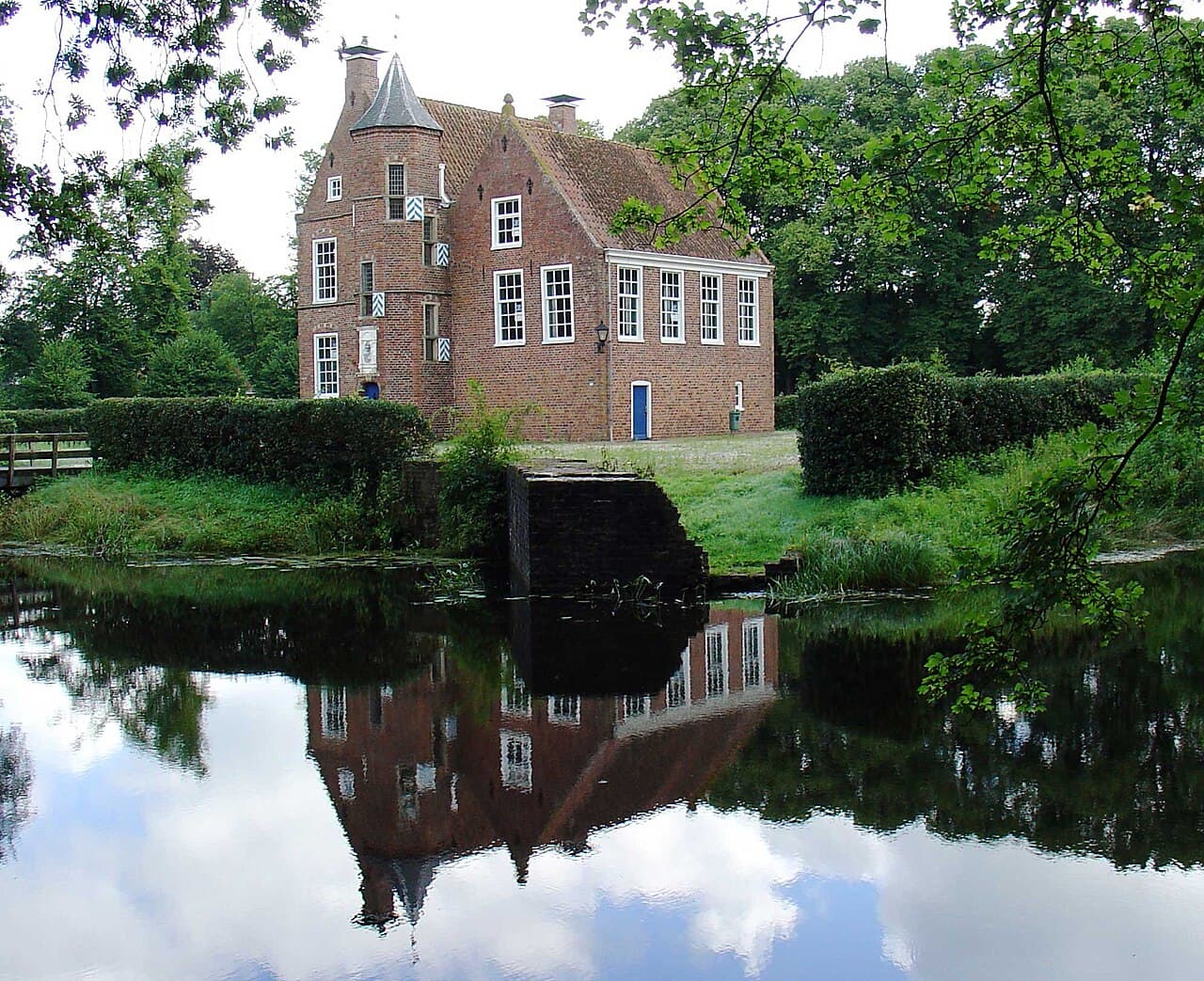
The surviving structure of Wedderborg incorporates architectural elements from the 14th, 15th, and 16th centuries. The oldest part is the 14th-century cellar, while the 15th-century wing and the 16th-century wing and tower demonstrate the borg's phased expansions and adaptations.
In 1532, under the direction of Berend van Hackfort, the borg's fortifications were significantly enhanced with the construction of a ring wall featuring four bastions, designed to withstand artillery attacks, and a new gatehouse containing prison cells. These improvements were partly funded by demolishing the nearby church tower of Vlagtwedde, highlighting the borg's military and administrative significance. The tower bears the coat of arms of Georg Schenk van Toutenburg, a prominent regional administrator in the 1530s.
Over the following centuries, the borg's fortifications were gradually reduced. The last corner tower was dismantled around the mid-17th century, and the bastions were demolished by the 18th century, with the final bastion removed circa 1750. The 19th-century renovations by the Koning family removed the prison tower and treasury house but preserved the core structure, preventing demolition.
Historical significance and ownership through the centuries
Wedderborg played a pivotal role in the local governance and justice system of Westerwolde until the early 19th century. It served as the seat of the court where legal matters, including criminal trials and witch trials between 1587 and 1597, were conducted. Following these trials, witch prosecutions were prohibited, marking a significant shift in local judicial practices.
The borg changed hands multiple times during the turbulent 16th century. In 1530, it was briefly captured by Charles II of Guelders, a regional power contender. By 1536, it came under the control of Charles V, Holy Roman Emperor, integrating it into the imperial domain. During the Dutch Revolt, Wedderborg alternated between Spanish and Dutch control until it became part of the Dutch Republic's Generality Lands in 1594.
Ownership passed to the city of Groningen in 1619, which maintained authority until the French revolutionary period abolished the traditional heerlijkheid rights. During this era, the borg functioned as the residence and office of the drost, a bailiff representing Groningen's interests. Notable officials associated with Wedderborg include Derck Haselhoff in the 17th century and Rudolf de Mepsche in the 18th century.
In 1828, the estate was acquired by Arnold Hendrik Koning, a notary who initiated renovations that preserved the borg from demolition. The Koning family retained ownership until 1955, after which the property was transferred to local water authorities and later to the municipality of Bellingwedde. The borg was restored and adapted as a hotel and restaurant in the late 20th and early 21st centuries, ensuring its continued use and preservation.
Archaeology, legends, and cultural heritage
Archaeological investigations have been conducted since the mid-20th century, uncovering parts of the southern corner bastion and other fortification elements. In 1994, a new moat was dug to restore aspects of the original defensive water system, enhancing the site's historical authenticity.
Local legends speak of a secret underground passage connecting Wedderborg to the nearby execution hill called Geselberg. Despite extensive research, no physical evidence has been found to support this story, leaving it as part of the borg's folklore rather than documented history.
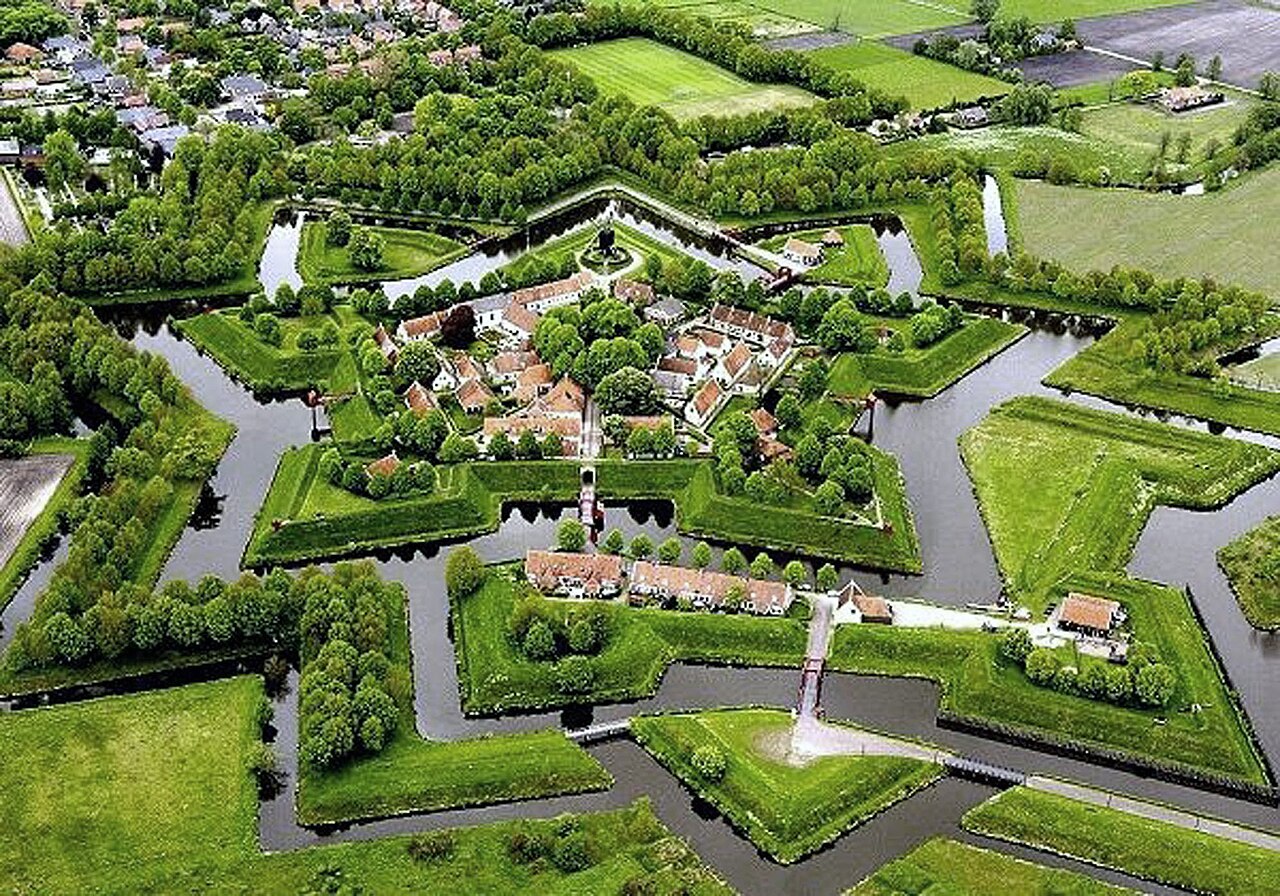
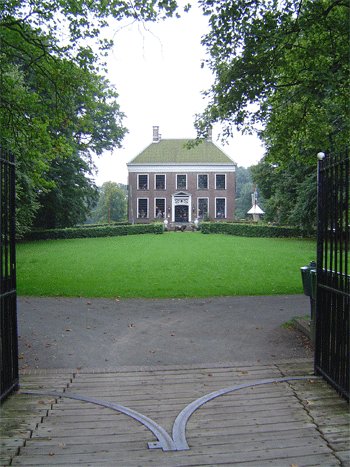
The site includes landscaped grounds surrounded by a moat, with access provided by a bridge and gate that retain much of the borg's historical character. A former forecourt building served as the courthouse and inn in the 16th century; although it was moved to Bourtange in 1593, it was later reconstructed on its original site. A stone bearing the coat of arms of the city of Groningen, dated 1658, was placed in 1968 to commemorate restoration efforts from the mid-17th century.
Wedderborg is recognized as a rijksmonument (national heritage site) since 1972. Inside, rooms such as the Haselhoff Sociëteit commemorate local family histories linked to the borg, enriching its cultural significance.
Architectural features and layout
The borg's architecture reflects its evolution from a medieval fortified manor to a more complex defensive structure. The combination of cellars, wings, towers, ring walls, bastions, moats, gatehouses, and prison cells illustrates the borg's dual role as a residence and a military stronghold.
The ring wall with bastions was an innovative feature for its time, designed to improve defense against artillery. The use of demolition materials from the nearby Vlagtwedde church tower demonstrates practical resourcefulness in construction. Although many fortifications were dismantled over time, the borg's current structure preserves key elements that convey its historical importance.
Visiting Wedderborg today
Today, Wedderborg is accessible to visitors and functions as a hotel and restaurant, allowing guests to experience its historical ambiance firsthand. Preservation efforts have maintained the borg's architectural integrity, making it a valuable destination for those interested in medieval Dutch history and castle architecture.
Ongoing discussions about the borg's future use and potential sale by the municipality of Westerwolde indicate the site's continuing relevance in regional cultural heritage and tourism.
Frequently asked questions (FAQ)
- How do I get to Wedderborg Castle?
- Wedderborg Castle is located in the Netherlands and is easily accessible by car and public transportation. If you're traveling by train, the nearest station is a short bus ride away. Clear signage will guide you from the bus stop to the castle.
- What is the historical significance of Wedderborg Castle?
- Wedderborg Castle dates back to the 12th century and has played a crucial role in the region's history. It served as a defensive stronghold and residence for various noble families over the centuries. Today, it stands as a testament to medieval architecture and local heritage.
- When was Wedderborg Castle built?
- Construction of Wedderborg Castle began in the late 1100s and was completed in the early 1200s. Over the years, it underwent several renovations and expansions, reflecting the architectural styles of different periods. Its rich history is evident in every stone.
- Can I take guided tours of the castle?
- Yes, guided tours of Wedderborg Castle are available and provide visitors with in-depth knowledge about its history and architecture. Tours are typically offered in multiple languages and last about an hour. It's recommended to book in advance during peak tourist seasons.
- Why is Wedderborg Castle considered an architectural gem?
- Wedderborg Castle is renowned for its impressive medieval architecture, featuring tall towers, fortified walls, and intricate stonework. The castle's design reflects the defensive needs of its time, while also showcasing the artistry of the period. It has been well-preserved, making it a favorite among history and architecture enthusiasts.
- Is it possible to host events at Wedderborg Castle?
- Yes, Wedderborg Castle offers facilities for various events, including weddings, corporate gatherings, and private parties. The stunning backdrop of the castle, combined with its rich history, makes it a unique venue. Interested parties should contact the castle management for availability and arrangements.
- What are the opening hours for Wedderborg Castle?
- Wedderborg Castle is open to visitors from 10 AM to 6 PM during the summer months, and from 10 AM to 4 PM in the winter. It is closed on certain holidays, so it's advisable to check the official website for the latest updates before planning your visit. Special events may also affect these hours.
- What are the ticket prices for visiting Wedderborg Castle?
- Admission to Wedderborg Castle is reasonably priced, with discounts available for children, seniors, and groups. Tickets typically range from €8 to €12, depending on the season and any special exhibitions. Purchasing tickets online in advance can save you time and ensure entry during busy periods.
- What is the best time to visit Wedderborg Castle?
- The best time to visit Wedderborg Castle is during the spring and early autumn when the weather is pleasant and the gardens are in full bloom. Additionally, visiting during weekdays can help you avoid large crowds. Special events and festivals may also enhance your experience, so check the events calendar before your visit.
- Are there any nearby attractions to visit after Wedderborg Castle?
- Yes, there are several nearby attractions that complement your visit to Wedderborg Castle. The surrounding area offers beautiful parks, charming villages, and other historical sites, such as local museums and churches. Exploring these attractions can provide a deeper understanding of the region's culture and history.
Photo gallery

Photo by Gouwenaar•Public domain
Information
Loading map...
Visitor reviews
No reviews yet. Been here? Write the first review and help other travelers!
Write the first reviewVisited this castle? Share your experience
Your review helps other travelers and adds first-hand knowledge to our encyclopedia.