Wayneflete Tower
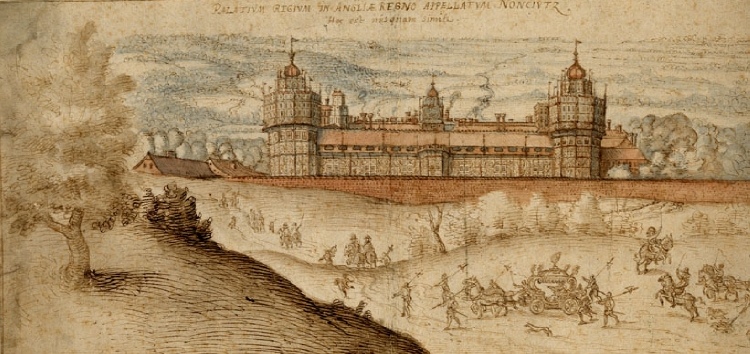
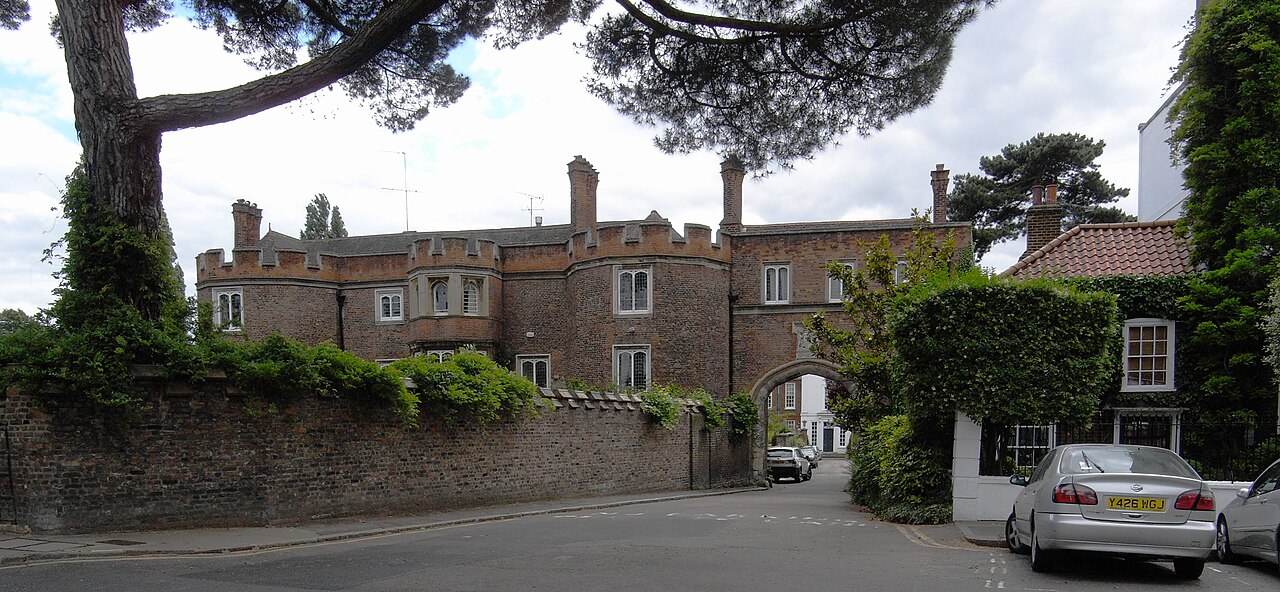
Wayneflete Tower, also known as the Tower of Esher or Wolsey's Tower, is a significant surviving structure from the late medieval period, located on the northwest edge of the town of Esher in Surrey, England. This tower originally served as the gatehouse to Esher Palace, a grand palatial complex situated on the eastern bank of the River Mole. The palace itself was built in the 15th century by William Wayneflete, a notable ecclesiastical figure who served as Bishop of Winchester and Lord Chancellor to King Henry VI.
Historical background and origins
The site of Wayneflete Tower has a history that predates the 15th century. It incorporates elements of an earlier fortified manor house dating back to the 11th century, reflecting the long-standing strategic importance of this location near the River Mole. The original manor was constructed in stone, a feature that influenced the later medieval palace design. William Wayneflete's construction of the palace and gatehouse in the 15th century was part of a broader trend of ecclesiastical and noble patronage in England during the late medieval period.
Architectural features of Wayneflete Tower
The tower itself is a fine example of late medieval gatehouse architecture. It was designed to serve both defensive and ceremonial functions, marking the entrance to the palace grounds. The structure is built predominantly of stone, featuring battlements and narrow windows typical of the period's fortified buildings. The tower's height and robust construction would have provided a commanding view of the surrounding area, including the river approach.
Its gatehouse function included a portcullis and heavy wooden doors, which controlled access to the palace. The surviving tower also features architectural details such as machicolations and arrow slits, which are indicative of its defensive role. Over time, the tower was adapted and incorporated into later buildings, but its medieval character remains prominent.
Transformation and decline of Esher Palace
Esher Palace, of which Wayneflete Tower was a part, underwent significant changes in the centuries following its construction. By the 17th century, much of the original palatial buildings had disappeared, leaving the gatehouse as the primary remnant. In 1730, the estate was purchased by Henry Pelham, who commissioned the renowned architect William Kent to rebuild the palace in a Classical style. Kent's work transformed the site into a mansion reflecting the tastes of the Georgian era, but this phase of the estate's history left the medieval tower standing separately.
In 1805, the estate changed hands again when John Spicer, a London stockbroker, acquired it from Pelham's heir. Spicer removed Kent's additions, effectively isolating Wayneflete Tower as a freestanding structure. This marked the end of the palace as a unified architectural complex.
20th-century restoration and current status
During the early 20th century, Wayneflete Tower fell into a state of disrepair and became dilapidated. Its survival was threatened by neglect, but restoration efforts in the latter half of the century returned the tower to a stable and presentable condition. Today, it stands as a well-preserved example of late medieval architecture and is used as a private residence.
Access to Wayneflete Tower is limited; it can only be visited during pre-arranged group tours. However, it remains visible from the public road, allowing visitors to appreciate its historic presence in the landscape of Esher. The tower's survival offers valuable insight into the architectural and social history of medieval England, particularly the role of ecclesiastical patrons in castle and palace construction.
Architectural and historical significance
Wayneflete Tower's importance lies in its status as one of the few remaining components of the once extensive Esher Palace complex. It exemplifies the late medieval gatehouse typology, combining defensive features with the grandeur expected of a bishop's residence. The tower's association with William Wayneflete connects it to a key figure in English history, known for his influence in both politics and the church.
The tower's survival through centuries of architectural change and urban development highlights the layered history of English country estates. Its restoration and preservation contribute to the understanding of medieval fortifications and the evolution of aristocratic residences.
Frequently asked questions (FAQ)
- What is the historical significance of Wayneflete Tower?
- Wayneflete Tower is a notable example of medieval architecture, reflecting the rich history of Esher in the United Kingdom. Built in the late 15th century, it served as a residence for several influential figures and stands as a testament to the region's architectural heritage.
- When was Wayneflete Tower built?
- Wayneflete Tower was constructed in the late 1400s, specifically around 1480. This period marked significant developments in English architecture, and the tower exemplifies the style and craftsmanship of the time.
- How do I get to Wayneflete Tower?
- Wayneflete Tower is located in Esher, easily accessible by public transportation or car. If you're traveling by train, the nearest station is Esher, which is just a short walk away from the tower.
- Can I visit Wayneflete Tower year-round?
- Yes, Wayneflete Tower is open to visitors throughout the year. However, it's advisable to check the official website for any seasonal variations in opening hours or special events.
- What are the opening hours for Wayneflete Tower?
- Wayneflete Tower typically opens to the public from 10 AM to 5 PM. It's recommended to confirm the hours before your visit, as they may vary on holidays or during special events.
- Is it possible to take guided tours of Wayneflete Tower?
- Yes, guided tours are available at Wayneflete Tower, offering visitors deeper insights into its history and architecture. Reservations are recommended, especially during peak tourist seasons.
- What is the best time to visit Wayneflete Tower?
- The best time to visit Wayneflete Tower is during the spring and early autumn when the weather is pleasant and the surrounding gardens are in full bloom. Additionally, these seasons tend to have fewer crowds, allowing for a more enjoyable experience.
- Are there any nearby attractions to visit while in Esher?
- Yes, while visiting Wayneflete Tower, you can explore several nearby attractions, such as the picturesque Claremont Landscape Garden and the historic Painshill Park. Both locations offer stunning landscapes and additional historical insights.
- What are the ticket prices for Wayneflete Tower?
- Ticket prices for Wayneflete Tower are generally affordable, with discounts available for children and seniors. Check the official website for the most current pricing and any special offers that may be available during your visit.
Information
Loading map...
Visitor reviews
No reviews yet. Been here? Write the first review and help other travelers!
Write the first reviewVisited this castle? Share your experience
Your review helps other travelers and adds first-hand knowledge to our encyclopedia.