Nonsuch Palace
Nonsuch Palace was a remarkable Tudor royal palace commissioned by King Henry VIII in 1538, located in what is now Nonsuch Park on the boundary between the borough of Epsom and Ewell in Surrey and the London Borough of Sutton. It represented a significant architectural and cultural statement of the English Renaissance period, designed to rival the grandeur of the French royal palace, the Château de Chambord.
Historical context and royal ambitions
The palace was conceived during a time when Henry VIII sought to demonstrate the power and prestige of the House of Tudor through monumental building projects. Unlike many of his other residences, which were adaptations of existing medieval structures, Nonsuch Palace was built entirely from scratch on a greenfield site. The location was chosen due to its proximity to Henry's favored hunting grounds, reflecting the importance of hunting as a royal pastime and symbol of aristocratic status.
Construction began in 1538 and continued for several years, with the palace intended as a lavish display of Tudor wealth and artistic achievement. The name "Nonsuch" itself implied that there was "none such" palace equal to it in magnificence.
Architectural design and features
Nonsuch Palace was an innovative example of Renaissance architecture in England, incorporating classical elements with Tudor style. It featured extensive use of decorative brickwork, intricate stone carvings, and elaborate terracotta ornamentation. The palace's layout included a central courtyard surrounded by residential wings, grand halls, and state apartments.
One of the palace's most notable architectural features was its extensive use of decorative chimneys and sculptural details depicting heraldic symbols, mythological figures, and Tudor emblems. These elements celebrated the Tudor dynasty's legitimacy and power. The palace also had large windows and spacious rooms designed to impress visitors and accommodate royal ceremonies.
Despite its grandeur, the palace's location posed practical challenges. There was no nearby source of fresh water suitable for domestic use, which complicated daily life and maintenance.
Decline and destruction
Nonsuch Palace remained a royal residence for over a century but gradually fell out of favor. By the late 17th century, the palace was no longer maintained as a royal home. In 1682–1683, the palace was dismantled by Barbara, Countess of Castlemaine, mistress to King Charles II. She sold off the building materials to pay for her gambling debts, leading to the palace's complete destruction.
Today, only archaeological ruins remain at the site, which is now part of Nonsuch Park. Excavations have revealed foundations and fragments of the palace's decorative elements, providing valuable insights into Tudor architecture and royal life.
Cultural and historical significance
Nonsuch Palace holds an important place in English architectural history as one of the earliest examples of Renaissance influence on English royal building design. It symbolized the Tudor monarchy's aspirations and the cultural shifts of the 16th century. Although the palace no longer stands, its legacy endures through historical records, archaeological discoveries, and its influence on later architectural styles.
The site remains a protected archaeological area, attracting scholars and visitors interested in Tudor history and royal architecture. The story of Nonsuch Palace reflects the complexities of royal patronage, the impermanence of architectural grandeur, and the evolving tastes of English monarchy through the centuries.
Frequently asked questions (FAQ)
- What is the historical significance of Nonsuch Palace?
- Nonsuch Palace was built in the 16th century during the reign of King Henry VIII and is notable for its extravagant architecture and design. It was intended to be a magnificent royal residence and has been associated with the Tudor dynasty. Although it no longer exists, its legacy continues to influence British cultural history.
- When was Nonsuch Palace constructed?
- Construction of Nonsuch Palace began in 1538 and was completed in 1540. It was designed to impress and showcase the wealth and power of King Henry VIII, making it a significant architectural achievement of its time. The palace was later expanded and modified by subsequent monarchs until its eventual decline.
- Can I visit Nonsuch Palace today?
- While Nonsuch Palace itself no longer stands, visitors can explore the surrounding Nonsuch Park, which features historical remnants and beautiful landscapes. The park is open to the public year-round, providing a lovely setting for walks and picnics. Information about guided tours or events held in the park can typically be found on the local council's website.
- What are the opening hours for Nonsuch Park?
- Nonsuch Park is generally open from dawn to dusk every day, allowing plenty of time for visitors to enjoy the natural beauty and historical aspects of the area. Specific events or facilities within the park may have different operating hours, so it’s advisable to check in advance for any updates or seasonal changes.
- Is it possible to learn about the architecture of Nonsuch Palace?
- Yes, visitors can learn about the architectural style of Nonsuch Palace through information panels and brochures available in Nonsuch Park. The palace was renowned for its innovative design, blending Renaissance influences with traditional English elements. Special events or exhibitions may also be organized to highlight its architectural significance.
- What is the best time to visit Nonsuch Park?
- The best time to visit Nonsuch Park is during spring and early autumn when the weather is pleasant and the gardens are in full bloom. These seasons provide a beautiful backdrop for exploring the park’s historical features. Additionally, various events and activities may be scheduled during these times, enhancing your visit.
- Are there any nearby attractions to Nonsuch Park?
- Yes, there are several attractions near Nonsuch Park, including the historic town of Epsom and the beautiful gardens of the nearby Horton Country Park. Visitors can also explore the local shops, cafes, and restaurants, making it a great day out. The area is rich in history and nature, providing a range of activities for all ages.
- What are the ticket prices for entering Nonsuch Park?
- Entry to Nonsuch Park is free, allowing everyone to enjoy its natural beauty and historical significance without any cost. However, some specific events or facilities within the park may charge a fee. Always check the park’s official website for the latest information on any special events that may require tickets.
Photo gallery

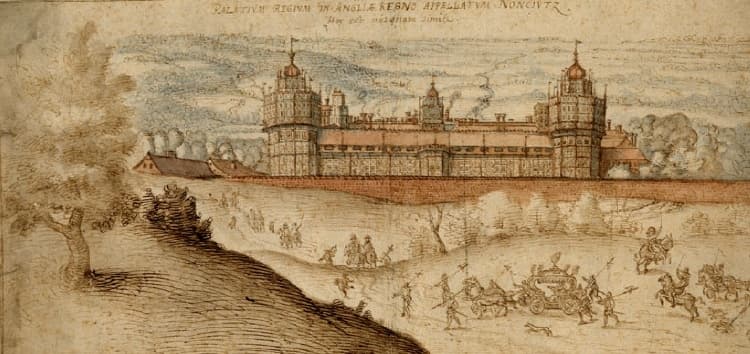
Photo by Joris Hoefnagel•Public domain
Information
Loading map...
Visitor reviews
No reviews yet. Been here? Write the first review and help other travelers!
Write the first reviewVisited this castle? Share your experience
Your review helps other travelers and adds first-hand knowledge to our encyclopedia.