Richmond Palace
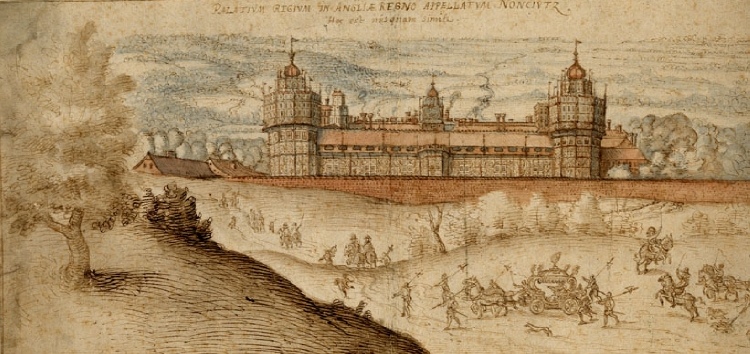
Richmond Palace was a prominent Tudor royal residence situated on the River Thames in England. Constructed in the early 16th century, it stood as a symbol of royal authority and architectural grandeur during the Renaissance period. The palace was built by King Henry VII, who had previously held the title Earl of Richmond. The manor of Sheen, which had been renamed "Richmond" in 1500 by royal decree, provided the site for this grand project. This new palace replaced the older Sheen Palace, itself built on a manor appropriated by Edward I in 1299, which had fallen into disrepair by the late 15th century.
Historical background and royal significance
The site of Richmond Palace was originally part of the rural county of Surrey, positioned upstream and across the river from the Palace of Westminster. The renaming of Sheen to Richmond reflected Henry VII's personal connection to the title and his intent to establish a lasting royal residence. Over time, the town of Richmond grew around the palace, eventually becoming part of Greater London in 1965 under the London Government Act 1963.
Richmond Palace became one of the favored residences of the Tudor monarchs, especially Elizabeth I, who spent much time there and ultimately died within its walls in 1603. The palace continued to serve as a royal residence through the reigns of subsequent monarchs, including James I and Charles I.
Architectural features and layout
The palace was designed as a grand Renaissance-style complex, incorporating elements typical of Tudor architecture with early Renaissance influences. It featured extensive courtyards, gardens, and ornate chambers suitable for royal functions and private living quarters. The structure included gatehouses, towers, and fortified walls, reflecting both the defensive needs and the aesthetic tastes of the period.
Richmond Palace was notable for its riverside location, which allowed for easy access by boat and provided scenic views of the Thames. The proximity to the river also influenced the palace's layout, with terraces and gardens designed to take advantage of the natural landscape.
Decline and demolition
Following the execution of Charles I in 1649, the palace's fate changed dramatically. The Parliament of England ordered a survey and subsequently sold the property for a relatively modest sum of £13,000. Over the next decade, the palace was largely dismantled, with its stones and timbers repurposed for other building projects. This led to the near-complete loss of the original structure.
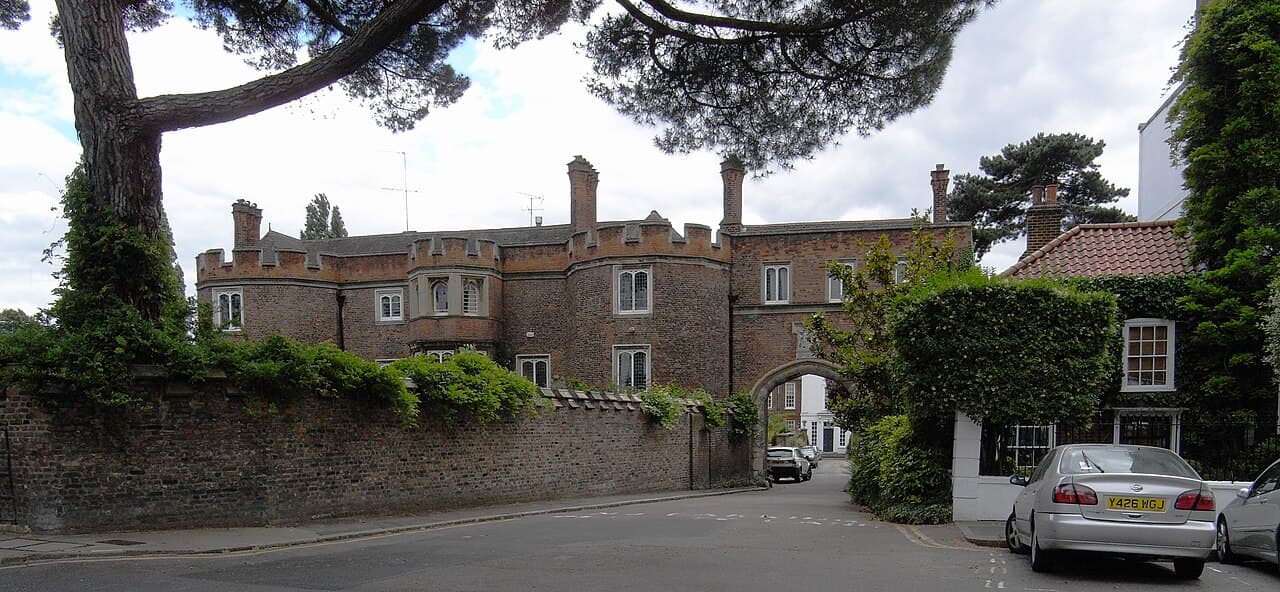
Today, only fragments of the palace remain, most notably a surviving gatehouse which stands as a reminder of the site's former grandeur. The area between Richmond Green and the River Thames marks the location of the former palace, with local street names like Old Palace Lane and Old Palace Yard preserving its memory.
Legacy and cultural importance
Richmond Palace holds a significant place in English history as a royal residence associated with the Tudor dynasty and the early Stuart period. Its connection to Elizabeth I adds to its historical allure, as does its role in the political and cultural life of the time. Although the physical structure no longer stands, the palace's legacy endures through historical records, archaeological remains, and the continuing prominence of Richmond as a district within London.
Frequently asked questions (FAQ)
- When was Richmond Palace built and by whom?
- Richmond Palace was built around 1501 by King Henry VII, who renamed the manor of Sheen to Richmond before construction began.
- What architectural style characterizes Richmond Palace?
- The palace combined Tudor architectural features with early Renaissance influences, including grand courtyards, gatehouses, and riverside terraces.
- Why was Richmond Palace significant during the Tudor period?
- It was a favored royal residence, especially of Elizabeth I, who spent much time there and died at the palace in 1603.
- What happened to Richmond Palace after the execution of Charles I?
- After Charles I's execution in 1649, the palace was surveyed, sold, and largely demolished over the next decade, with materials reused elsewhere.
- Can visitors see any remains of Richmond Palace today?
- Only vestiges remain, notably a gatehouse and some archaeological traces; the site lies between Richmond Green and the River Thames.
Photo gallery

Information
Current owner
Municipality
Loading map...
Visitor reviews
No reviews yet. Been here? Write the first review and help other travelers!
Write the first reviewVisited this castle? Share your experience
Your review helps other travelers and adds first-hand knowledge to our encyclopedia.