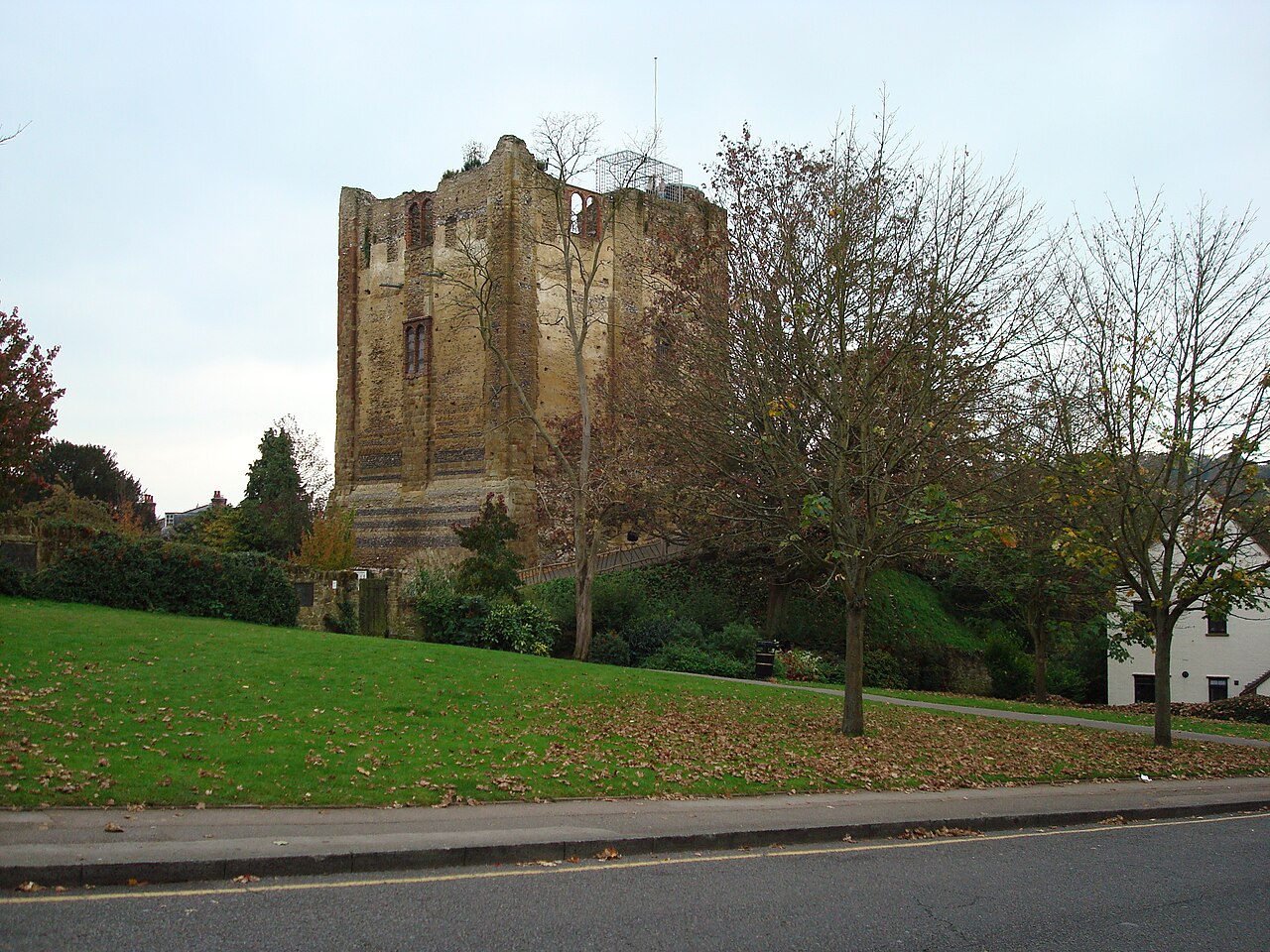
Painshill Gothic Tower
Painshill Gothic Tower is a notable architectural folly located within Painshill Park, an English landscape garden situated near the village of Cobham in Surrey, England. The tower stands prominently at the park's highest western point, offering striking views of the surrounding naturalistic landscape. This folly is a key feature of the park, which was designed and developed between 1738 and 1773 by the Honorable Charles Hamilton, an Irish aristocrat and British politician.
Painshill Park represents a significant shift in 18th-century garden design, moving away from the strict geometric patterns of earlier formal gardens to embrace a more naturalistic and picturesque style. Hamilton's vision was to create a landscape that appeared organic and harmonious, with carefully planned vistas and a series of architectural follies that punctuate the park. These follies, including the Gothic Tower, a Turkish tent, a crystal grotto, a ruined abbey, and various temples, were strategically placed to enhance the visitor's experience along a recommended walking route.
Architectural features of the Gothic Tower
The Gothic Tower itself is a square structure with an attached circular stair turret at one corner, embodying the Gothic Revival style popular in the 18th century for ornamental garden buildings. The tower's design includes characteristic Gothic elements such as pointed arches, battlements, and lancet windows, which contribute to its romantic and picturesque appearance. Positioned on the park's highest ground, the tower was intended both as a visual focal point and a vantage from which visitors could admire the extensive landscape.
Construction and stylistic context
Constructed during the Georgian period, the tower reflects the era's fascination with medieval Gothic architecture, which was adapted for use in garden follies and ornamental buildings rather than defensive purposes. The use of Gothic motifs was part of a broader cultural movement that sought to evoke the romance and mystery of the medieval past, blending architecture with landscape design to create immersive experiences.
Historical background and ownership
Charles Hamilton developed Painshill Park over several decades, but financial difficulties forced him to sell the estate in 1773. Following this sale, the park and its follies passed through a series of private owners, during which time the estate's maintenance declined. By the mid-20th century, the park and its structures, including the Gothic Tower, had fallen into significant disrepair.
In 1973, the Gothic Tower suffered a devastating fire that gutted the interior, leaving it derelict for many years. Restoration efforts began in the late 1980s, led by conservation groups dedicated to preserving the park's heritage. The restoration was completed in time for the tower's official reopening by the Duchess of York in 1989, marking a new chapter in the tower's history as a preserved historic structure and visitor attraction.
Current use and visitor experience
Today, Painshill Park is open to the public for a fee, offering visitors the chance to explore its extensive grounds and numerous follies. The Gothic Tower has been adapted to house a seasonal pop-up café, operating primarily during the summer months. The tower's location adjacent to the A3 road makes it a visible landmark for travelers, enhancing its accessibility and prominence.
Visitors to the park can enjoy a variety of features beyond the Gothic Tower, including the Turkish tent, the crystal grotto, and the ruined abbey, each contributing to the park's eclectic and imaginative character. The park's design encourages exploration and discovery, with carefully framed views and pathways that reveal the follies in a sequence intended to maximize aesthetic impact.
Significance in landscape and architectural history
Painshill Park and its Gothic Tower are important examples of the English landscape garden movement of the 18th century, which influenced garden design across Europe. The integration of architecture and landscape in the park exemplifies the shift to a more naturalistic approach, emphasizing scenic beauty and emotional response over rigid formality.
The Gothic Tower, as a folly, serves no defensive purpose but is a deliberate architectural statement, blending medieval stylistic elements with the pastoral setting. Its restoration and continued use demonstrate the value placed on preserving cultural heritage and the ability of historic structures to adapt to contemporary uses while maintaining their historical character.
Frequently asked questions (FAQ)
- How do I get to Painshill Gothic Tower?
- Painshill Gothic Tower is located in Cobham, United Kingdom. You can reach it by car via the A3 or by taking public transport to Cobham & Stoke d'Abernon railway station, which is a short walk away from the tower. Ample parking is available for visitors driving to the site.
- What is the historical significance of Painshill Gothic Tower?
- Painshill Gothic Tower is a remarkable example of 18th-century landscape architecture, designed by Charles Hamilton as part of the Painshill Park estate. The tower served as a picturesque folly, enhancing the aesthetic appeal of the gardens and providing stunning views of the surrounding landscape. It reflects the Romantic ideals of the period and is a testament to the era's appreciation for nature and art.
- When was Painshill Gothic Tower built?
- The Painshill Gothic Tower was constructed in the 18th century, around 1760. It was designed to complement the picturesque landscape of Painshill Park, which was developed by Charles Hamilton. The tower has undergone various restorations to preserve its historical integrity over the years.
- Can I visit Painshill Gothic Tower year-round?
- Yes, Painshill Gothic Tower is open to visitors throughout the year, though specific opening hours may vary by season. It's advisable to check the official website for the latest information on visiting hours and any seasonal events. Keep in mind that some areas may be closed during inclement weather.
- Why is Painshill Gothic Tower a popular tourist attraction?
- Painshill Gothic Tower attracts visitors due to its unique architecture and stunning views of the picturesque Painshill Park. Many come to explore the beautiful gardens and enjoy leisurely walks in the scenic landscape. Additionally, the tower's historical significance and romantic ambiance make it a favorite spot for photography and picnics.
- Is it possible to access Painshill Gothic Tower for those with mobility issues?
- While Painshill Gothic Tower aims to be inclusive, some areas may present challenges for visitors with mobility issues. The main paths in Painshill Park are generally accessible, but the tower itself has stairs that may limit access. It’s recommended to contact the site in advance to inquire about specific accessibility options and assistance available.
- What are the ticket prices for visiting Painshill Gothic Tower?
- Ticket prices for Painshill Park, which includes access to the Gothic Tower, vary depending on age and group size. Adults usually pay around £10, while concessions are available for seniors and children. Family tickets and membership options are also offered for frequent visitors.
- What is the best time to visit Painshill Gothic Tower?
- The best time to visit Painshill Gothic Tower is during the spring and early autumn when the gardens are in full bloom. These seasons offer pleasant weather and vibrant colors, enhancing your experience. Additionally, visiting on weekdays can help you avoid larger weekend crowds.
- Are there any nearby attractions to explore after visiting Painshill Gothic Tower?
- Yes, there are several nearby attractions to explore, including the historic town of Cobham, which features quaint shops and cafes. You can also visit the River Mole, which offers scenic walking paths, or explore the nearby Painshill Park, which is home to several other follies and beautiful landscapes. Other attractions include the Cobham Mill and the charming village of Thames Ditton.
Information
Address
Anvill Ln, Cobham, Surrey, United Kingdom
Loading map...
Visitor reviews
No reviews yet. Been here? Write the first review and help other travelers!
Write the first reviewVisited this castle? Share your experience
Your review helps other travelers and adds first-hand knowledge to our encyclopedia.