Wäscherschloss Castle
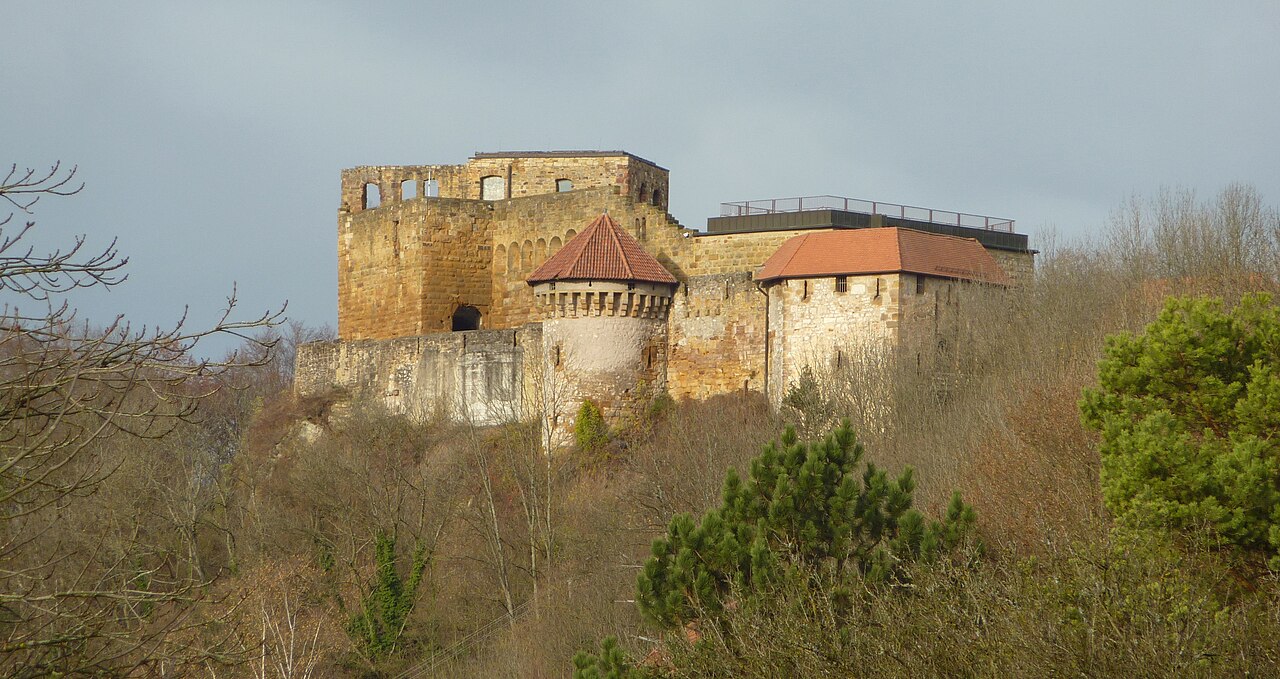
Wäscherschloss Castle is a notable example of a high medieval fortress located in Wäschenbeuren, Germany. Constructed between 1220 and 1250, the castle was named after the knight Konrad der Wascher, who is believed to have been an early owner or founder. This castle's strategic design and robust fortifications reflect the military architecture of the early 13th century in the region.
Architectural design and fortifications
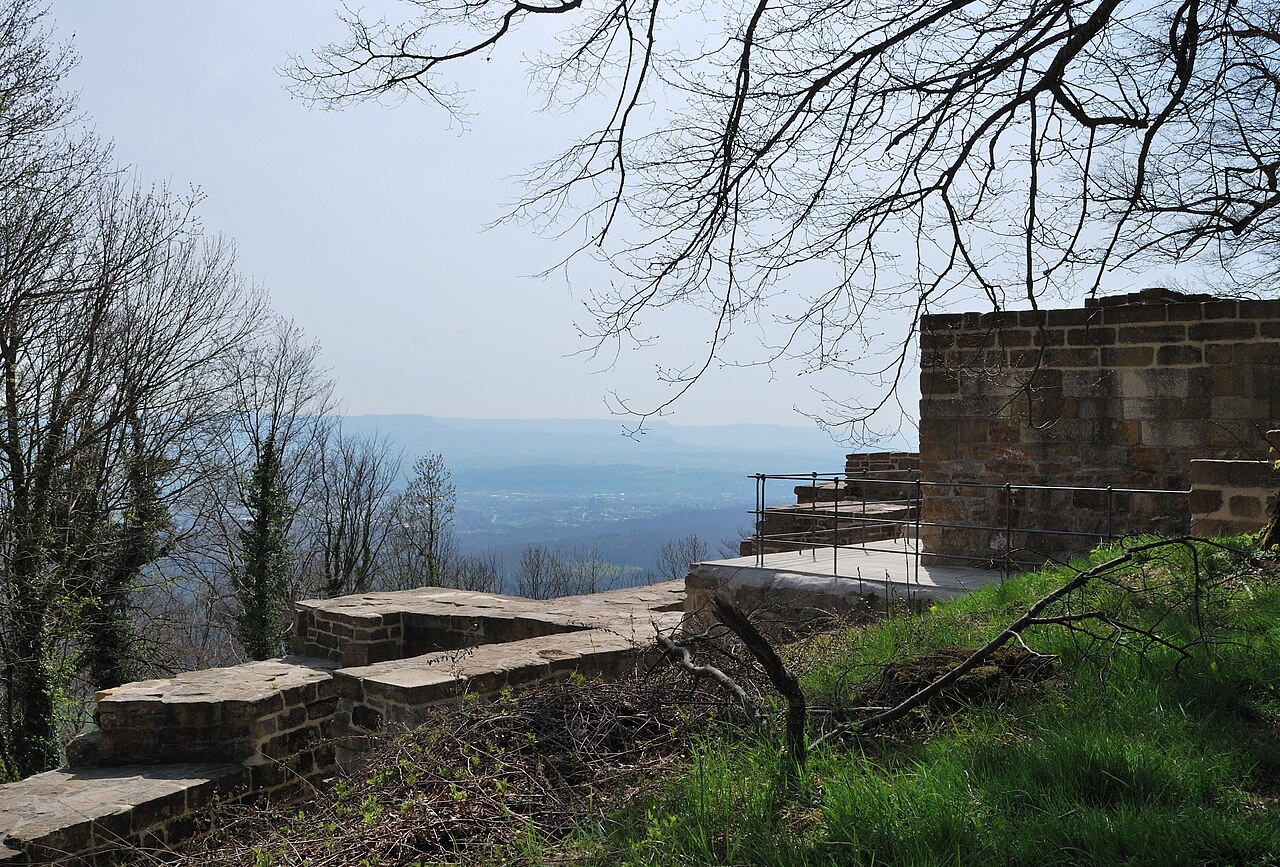
The castle is characterized by its imposing stone curtain walls that enclose the site on five sides. These walls rise to nearly ten meters in height, providing formidable defense against attackers. The thickness and height of the walls are typical of high medieval military architecture, designed to withstand sieges and protect the inhabitants.
Within the walls, the castle features a half-timbered residential building, which dates from a later period between 1481 and 1699. This structure represents the evolution of the castle from a purely military fortress to a more comfortable residence, reflecting changes in architectural styles and living standards over the centuries.
Historical context and ownership
Wäscherschloss Castle was part of the network of noble residences and fortifications that dotted the landscape of medieval Germany. The association with Konrad der Wascher links the castle to the local knightly class, who played a significant role in regional defense and administration during the high medieval period.
Over time, the castle's function shifted from a defensive stronghold to a noble residence, as indicated by the addition of the half-timbered buildings. This transition mirrors broader social and political changes in the region, including the relative stabilization of territorial control and the rise of more peaceful domestic life.
Preservation and public access
Today, Wäscherschloss Castle is open to the public, allowing visitors to explore its historic walls and buildings. The castle's preservation state is generally well maintained, with the stone walls and timber structures intact. This accessibility provides valuable insight into medieval architecture and the lifestyle of the nobility in the region.
Visitors can appreciate the castle's medieval fortifications alongside the later residential additions, offering a comprehensive view of the site's historical development. The castle also serves as a cultural landmark within the town of Wäschenbeuren, contributing to local heritage tourism.
Architectural features in detail
Stone walls and defensive elements
The nearly ten-meter high stone walls form the primary defensive perimeter of Wäscherschloss Castle. These walls are constructed from locally sourced stone, typical of the region's medieval fortresses. The walls likely incorporated features such as battlements, arrow slits, and possibly a gatehouse, although specific details require further archaeological study.
Half-timbered residential building
The half-timbered building within the castle grounds represents a significant architectural addition from the late medieval to early modern period. Built between 1481 and 1699, this structure showcases traditional German timber framing techniques. It provided more comfortable living quarters compared to the austere stone fortifications, signaling a shift toward residential use.
Significance in regional history
Wäscherschloss Castle exemplifies the transition of medieval castles from purely military fortresses to noble residences. Its enduring stone walls and later architectural additions illustrate the changing needs and tastes of the nobility over several centuries. The castle remains a valuable site for understanding medieval and early modern life in the Baden-Württemberg region.
The castle's connection to notable historical figures such as Konrad der Wascher enriches its historical narrative, linking it to the broader feudal and knightly traditions of medieval Germany.
Frequently asked questions (FAQ)
- What is the best time to visit Wäscherschloss Castle?
- The best time to visit Wäscherschloss Castle is during the warmer months from spring to early autumn, when the weather is pleasant for exploring the outdoor areas and castle grounds.
- Is Wäscherschloss Castle accessible to the public?
- Yes, Wäscherschloss Castle is open to the public, allowing visitors to explore its historic walls and the half-timbered residential building within the castle grounds.
- What architectural styles are represented at Wäscherschloss Castle?
- The castle features high medieval stone fortifications combined with later half-timbered residential buildings dating from the late 15th to 17th centuries.
- Who was Konrad der Wascher?
- Konrad der Wascher was a knight associated with Wäscherschloss Castle, after whom the castle is named. He represents the local medieval nobility connected to the castle's early history.
- What defensive features does Wäscherschloss Castle have?
- Wäscherschloss Castle is enclosed by nearly ten-meter high stone walls on five sides, typical of high medieval military architecture designed for defense and protection.
Information
Website
Visit websiteSources & official resources
Verify the information above using these authoritative references.
Loading map...
Visitor reviews
No reviews yet. Been here? Write the first review and help other travelers!
Write the first reviewVisited this castle? Share your experience
Your review helps other travelers and adds first-hand knowledge to our encyclopedia.