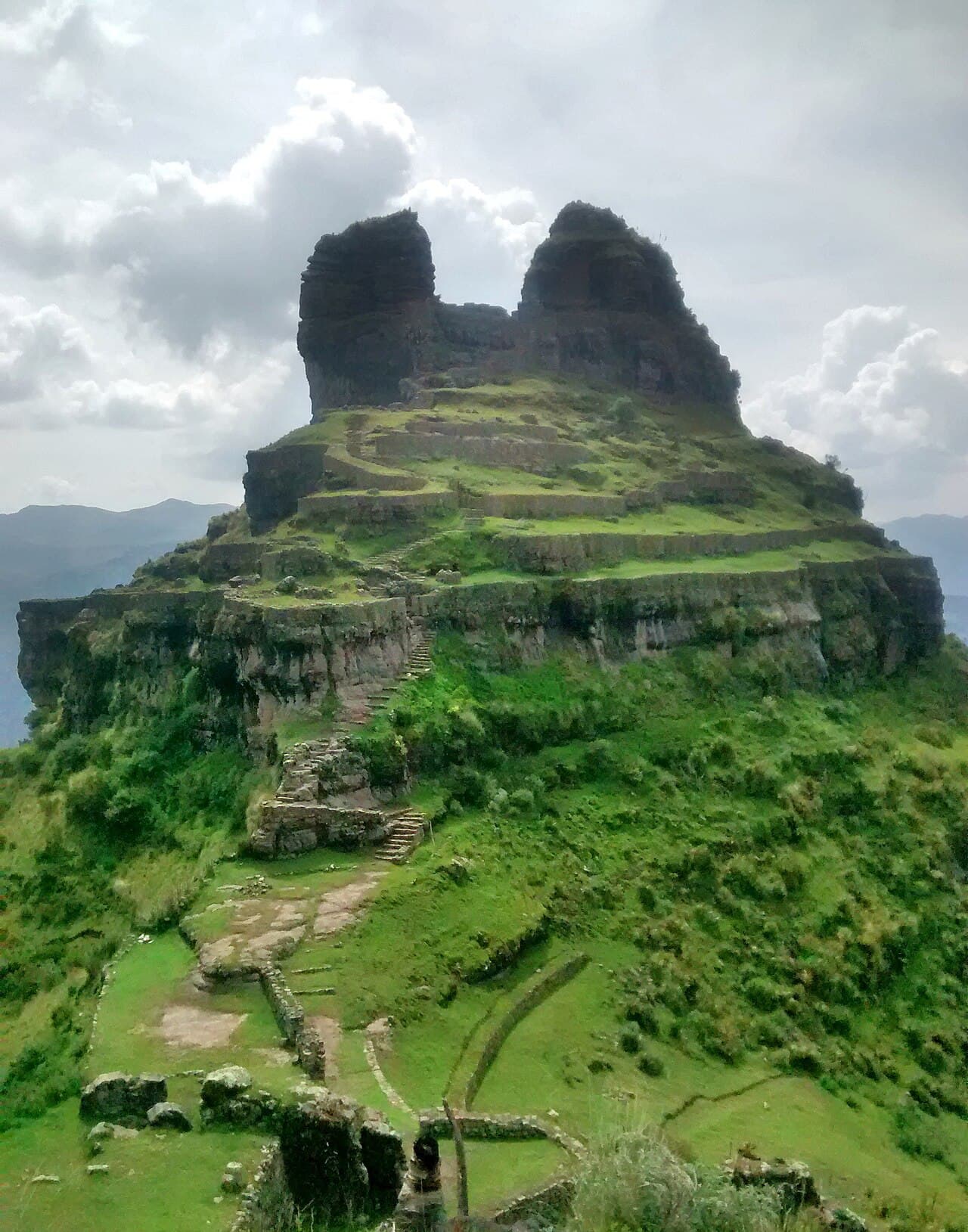
Waqrapukara, also spelled Waqra Pukara, is a remarkable archaeological site located in the Cusco Region of Peru, within the Acomayo Province, Acos District. Situated near the Apurímac River at an altitude of approximately 4,300 metres (14,100 feet) above sea level, this site stands out for its strategic location and unique architectural features. The name Waqrapukara likely derives from the Quechua language, combining waqra meaning "horn" and pukara meaning "fortress," thus often translated as the "horn fortress."
Historical context and cultural significance
The site was originally constructed by the Canchis people, an indigenous group who built distinctive circular stone buildings that characterize the complex. These structures reflect the architectural ingenuity and cultural practices of the Canchis prior to Inca domination. Later, the site was conquered and integrated into the expansive Inca Empire, which repurposed it as a sanctuary or ceremonial center. This transition highlights the site's importance in the regional power dynamics and religious landscape during the Late Medieval period.
Architectural features and layout
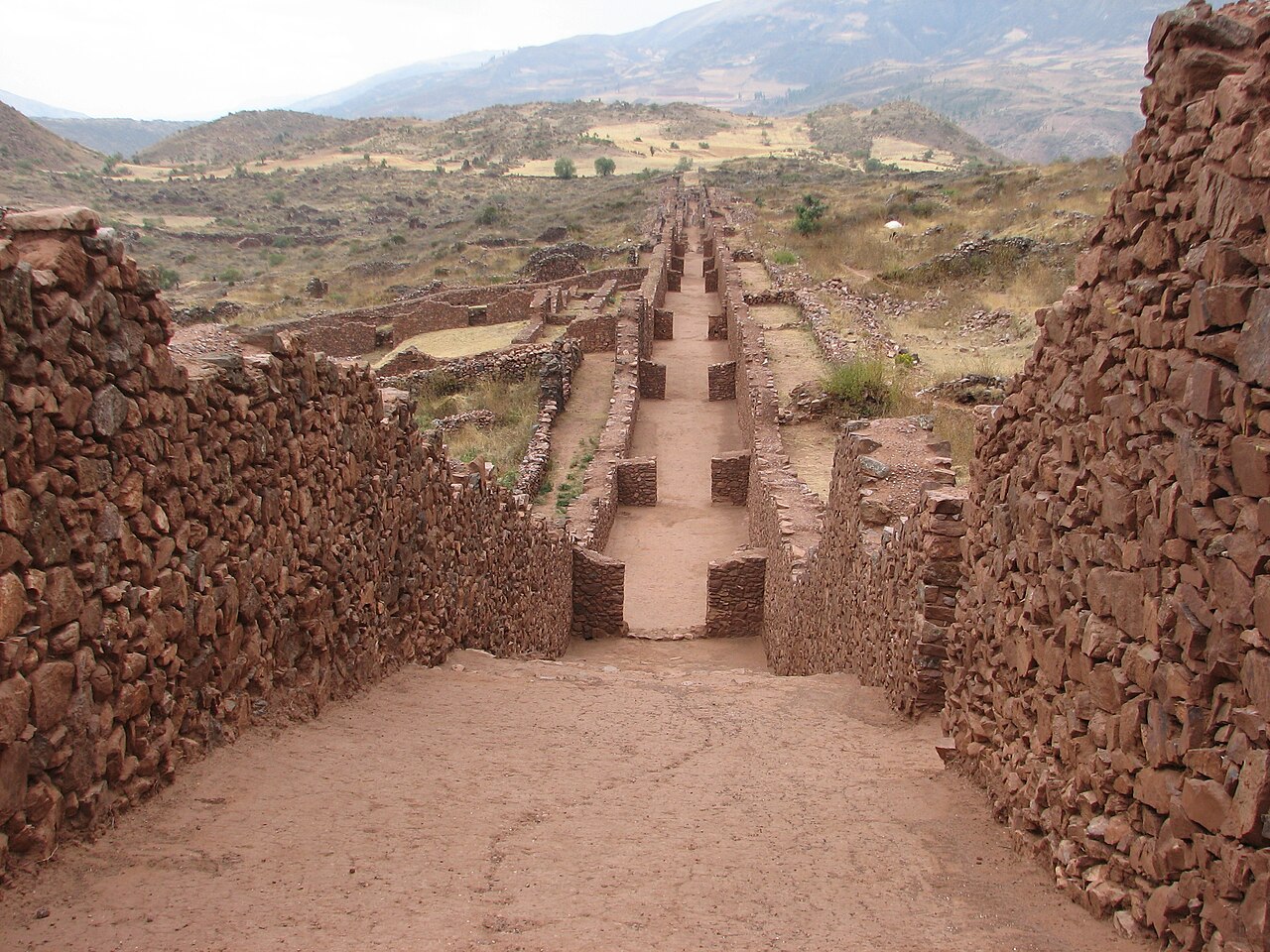
Waqrapukara's architecture is notable for its combination of defensive and ceremonial elements. The fortress-like design includes massive stone walls that form enclosures with a distinctive horn-shaped outline, which may have served both symbolic and practical functions. The complex contains numerous circular buildings, which are relatively rare in Andean architecture and suggest specialized uses, possibly for ritual activities or elite residences.
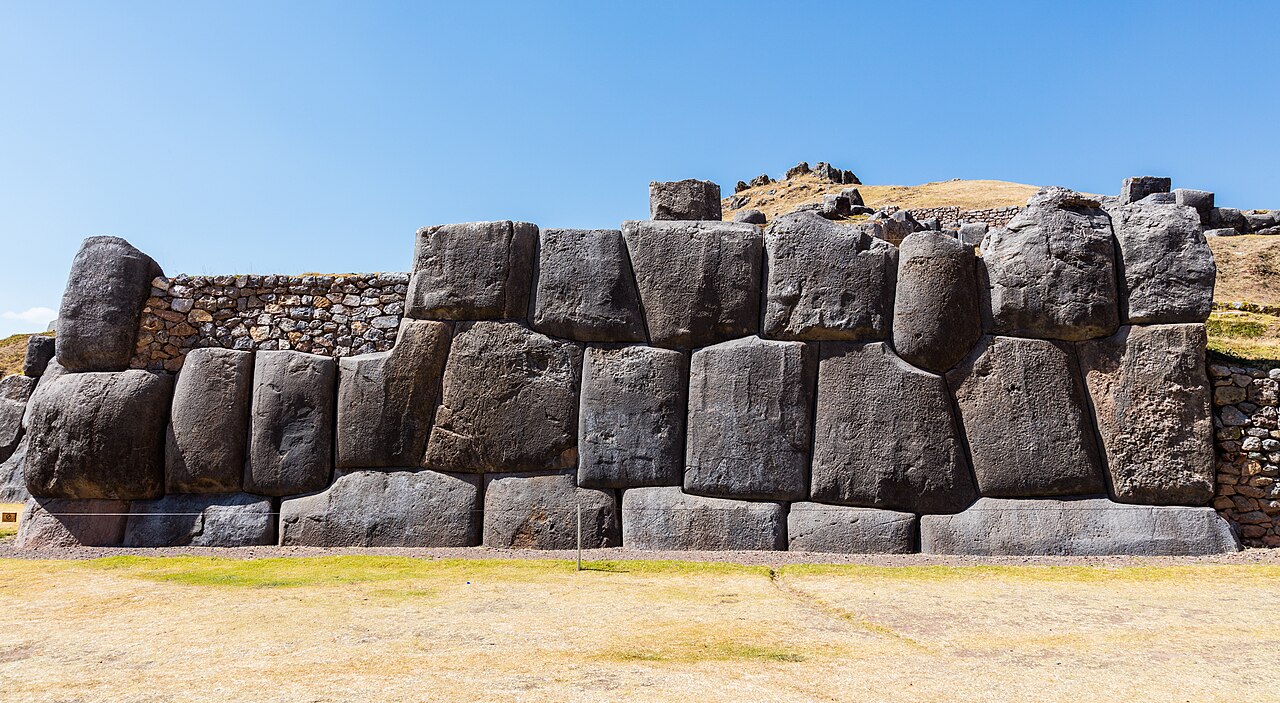
The stonework demonstrates advanced masonry techniques typical of Andean cultures, with carefully fitted stones that have withstood centuries of weathering at high altitude. The site also features terraces, stairways, and platforms that integrate with the rugged mountainous terrain, enhancing its defensive capabilities and ceremonial prominence.
Location and environmental setting
Perched high in the Andes, Waqrapukara overlooks the Apurímac River valley, providing commanding views that were likely advantageous for surveillance and defense. The altitude and remote location contribute to the site's preservation but also present challenges for modern visitors. The surrounding landscape is characterized by steep cliffs and mountainous terrain, which adds to the fortress-like impression and the site's strategic importance.
Cultural heritage and modern recognition
In July 2017, Waqrapukara was declared a National Cultural Heritage Site by the Peruvian Ministry of Culture, recognizing its historical, architectural, and cultural value. This designation has helped promote conservation efforts and increased awareness of the site's significance within Peru's rich pre-Columbian history.
Today, Waqrapukara attracts archaeologists, historians, and tourists interested in Andean civilizations and Inca heritage. Although the site remains in a state of ruins, ongoing research and preservation initiatives aim to protect its structures and interpret its complex past for future generations.
Visiting waqrapukara
Visitors to Waqrapukara should be prepared for high-altitude conditions and rugged terrain. The site is accessible by trekking routes from nearby towns in the Cusco Region, offering an immersive experience of Andean culture and history. Due to its remote location, facilities are limited, so travelers are advised to plan accordingly and respect the site's cultural and natural environment.
Frequently asked questions (FAQ)
- What is the historical significance of Waqrapukara?
- Waqrapukara was originally built by the Canchis and later conquered by the Incas, serving as a fortress and religious sanctuary during the Late Medieval period in Peru.
- How do I get to Waqrapukara?
- Waqrapukara is located in the Cusco Region near the Apurímac River and can be reached by trekking from nearby towns, though visitors should be prepared for high-altitude hiking.
- What architectural features make Waqrapukara unique?
- The site features massive stone walls with a horn-shaped layout and rare circular buildings, showcasing advanced Inca and pre-Inca masonry adapted to mountainous terrain.
- Is Waqrapukara accessible for tourists?
- Yes, but due to its remote and high-altitude location, visitors should be physically prepared and plan their trip carefully, as facilities are limited.
- When was Waqrapukara declared a National Cultural Heritage Site?
- Waqrapukara was officially declared a National Cultural Heritage Site by the Peruvian Ministry of Culture in July 2017.
Photo gallery

Information
Loading map...
Visitor reviews
No reviews yet. Been here? Write the first review and help other travelers!
Write the first reviewVisited this castle? Share your experience
Your review helps other travelers and adds first-hand knowledge to our encyclopedia.