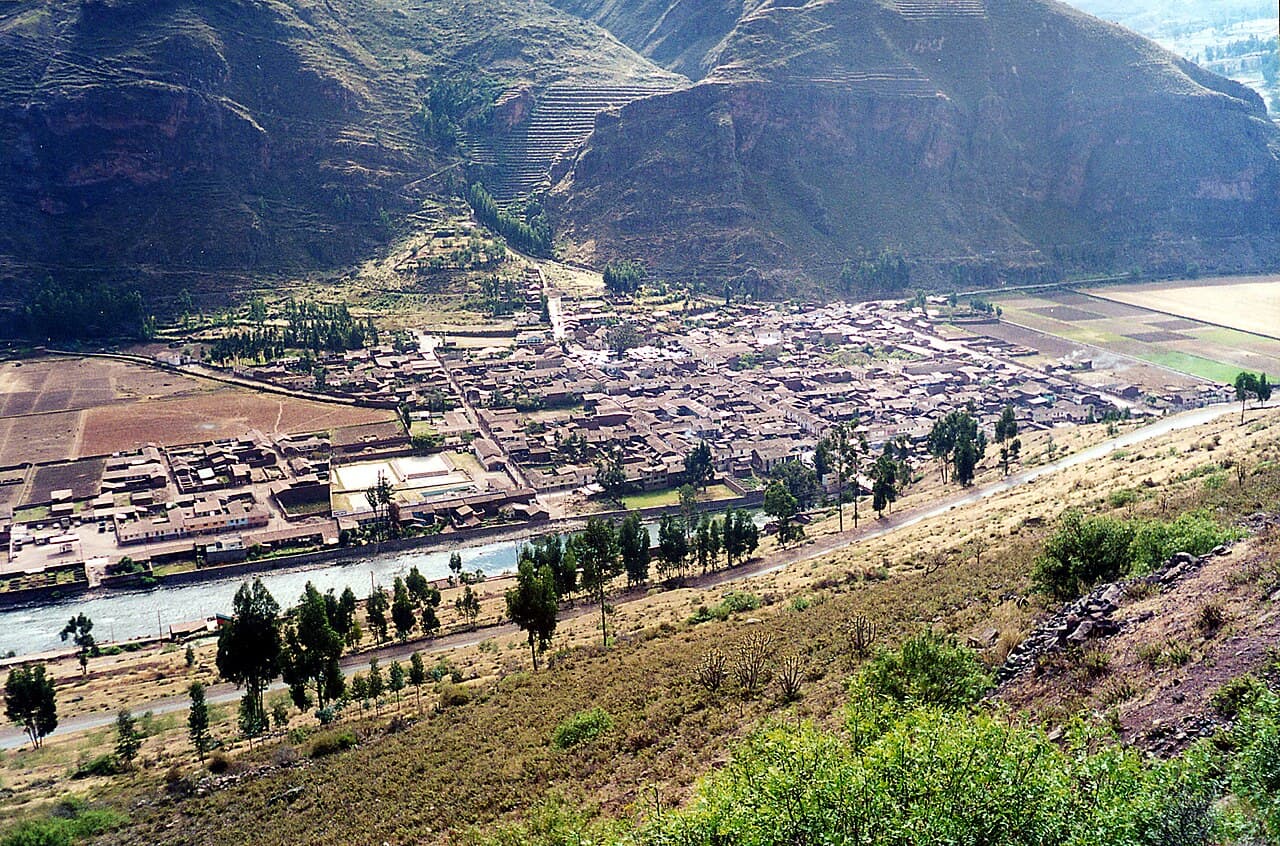
Písac, located in the Sacred Valley of the Incas near Cusco, Peru, is a significant 15th-century archaeological site renowned for its extensive Incan ruins and vibrant cultural heritage. This site, perched on a hillside overlooking the Urubamba River, offers a compelling glimpse into the architectural and agricultural ingenuity of the Inca Empire during the Late Medieval period.
Historical context and significance
The construction of Písac is attributed to the reign of the Inca ruler Yupanqui Pachacuti or his successors in the 15th century. It was strategically positioned to serve both defensive and agricultural purposes. The site functioned as a fortress, a religious center, and a farming hub, reflecting the multifaceted nature of Incan urban planning. Its location allowed control over the entrance to the Sacred Valley, a vital area for the Inca civilization.
Architectural features and layout
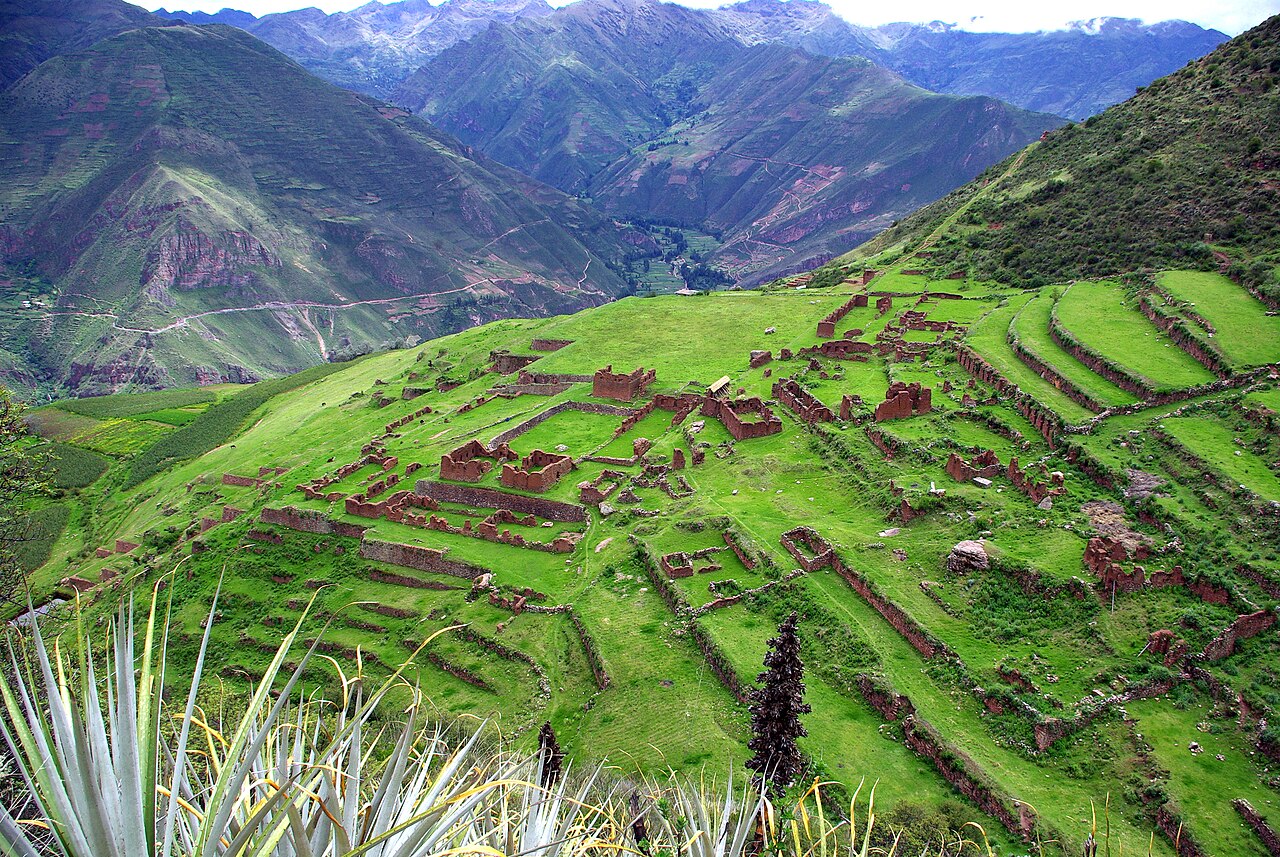
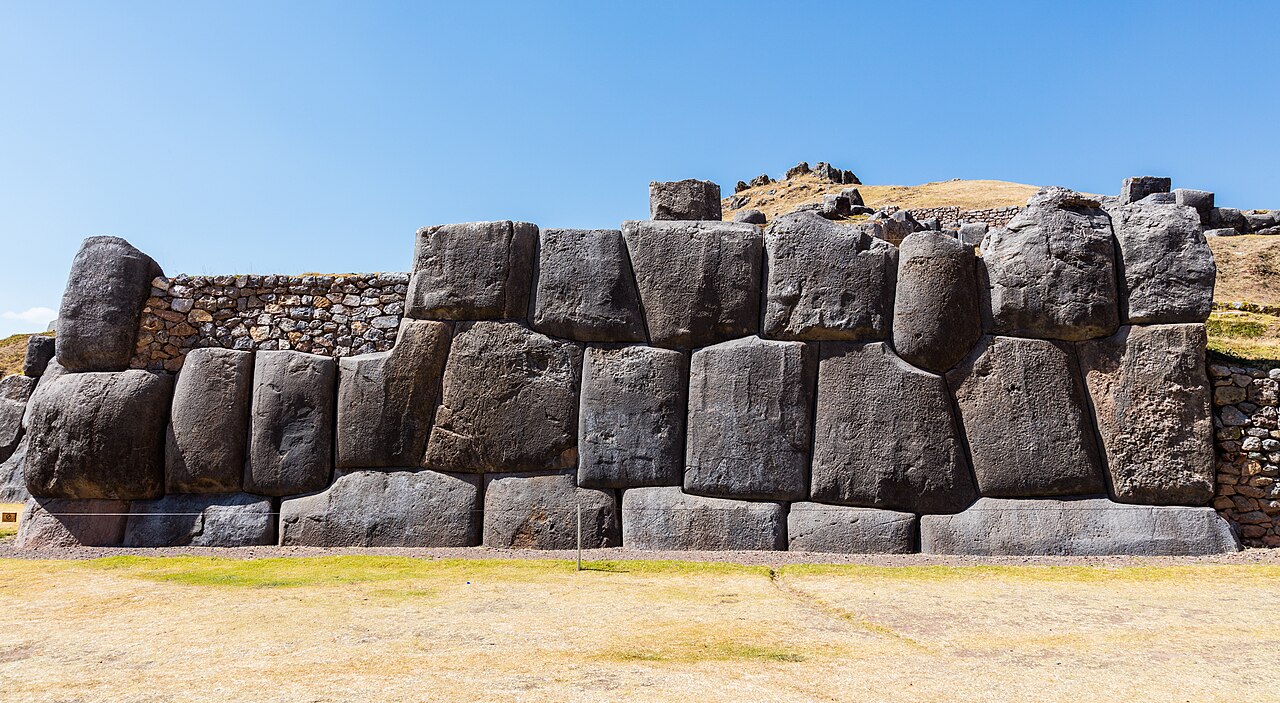
Písac is characterized by its remarkable terracing system, which was used for intensive agriculture on the steep Andean slopes. These terraces not only maximized arable land but also helped with irrigation and soil conservation. The site includes a complex of residential areas, ceremonial plazas, and fortress walls made from finely cut stone blocks typical of Incan masonry.
The fortress and defensive structures
The fortress section of Písac is situated on the highest part of the site, featuring massive stone walls and watchtowers that provided panoramic views of the surrounding valley. These defensive structures were designed to protect the inhabitants and control access to the Sacred Valley.
Residential and ceremonial zones
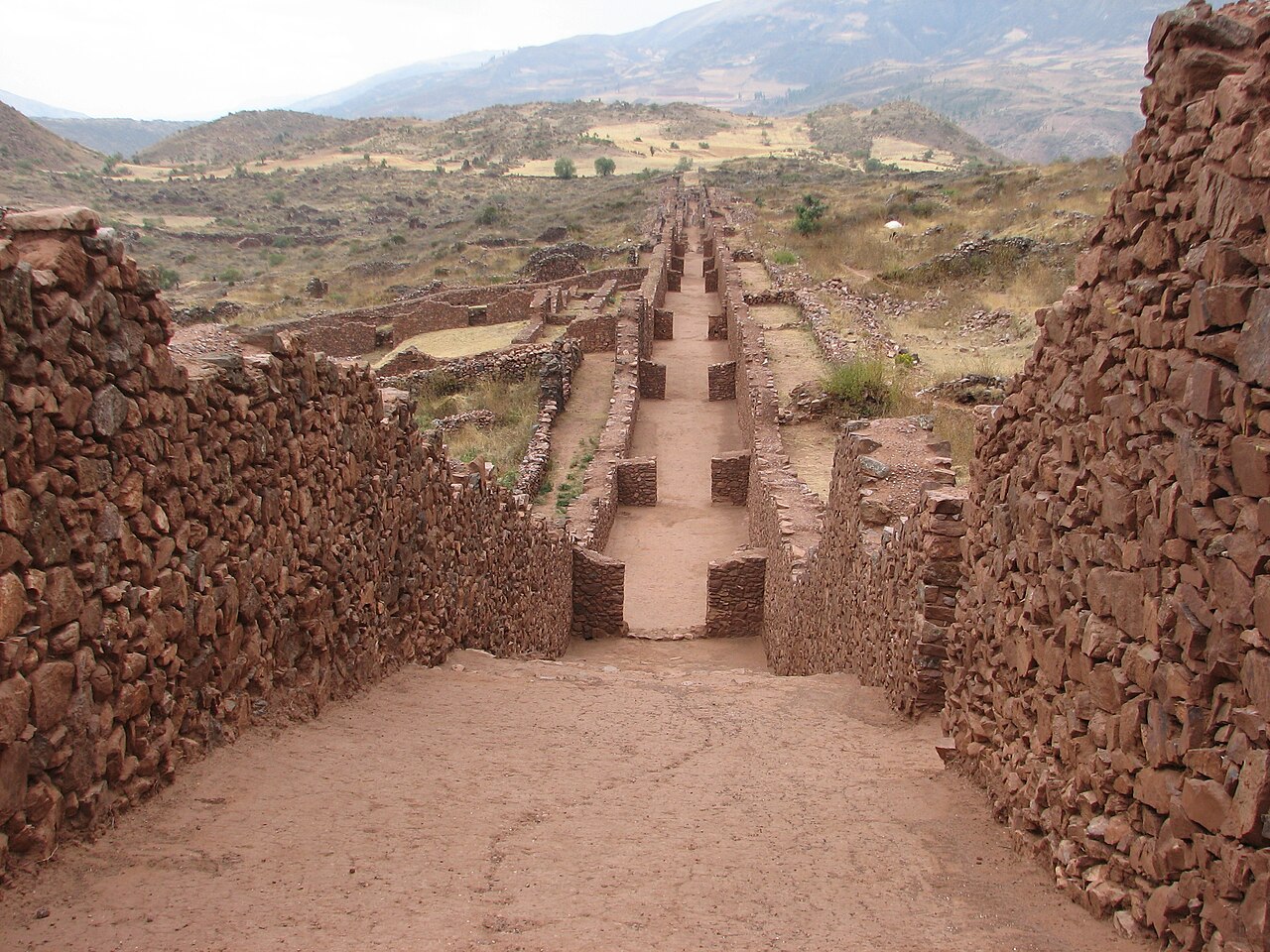
The residential areas contain stone houses with trapezoidal doors and windows, a distinctive Incan architectural style that enhanced structural stability. The ceremonial plazas include temples and intihuatana stones, believed to have been used for astronomical observations and religious rituals.
Cultural importance and tourism
Today, Písac remains a vital cultural site attracting numerous visitors interested in Incan history and architecture. The nearby town is famous for its traditional market, where local artisans sell textiles, pottery, and other handicrafts. The site’s combination of natural beauty, historical significance, and cultural vibrancy makes it a key destination in Peru’s tourism landscape.
Preservation and current condition
As an archaeological ruin, Písac is subject to ongoing preservation efforts to protect its delicate stonework and terraces from environmental damage. While parts of the site have deteriorated over time, many structures remain well-preserved, offering valuable insights into Incan engineering and lifestyle.
Frequently asked questions (FAQ)
- How do I get to Písac from Cusco?
- Písac is approximately 33 kilometers from Cusco and can be reached by bus, taxi, or organized tour. The journey takes about 45 minutes to an hour, making it a popular day trip destination.
- What is the best time to visit Písac?
- The best time to visit Písac is during the dry season from May to September when the weather is clear and ideal for exploring the ruins and terraces.
- Can I explore the agricultural terraces at Písac?
- Yes, visitors can walk along the extensive agricultural terraces, which demonstrate the Inca’s advanced farming techniques and offer stunning views of the Sacred Valley.
- Is there an entrance fee to visit Písac?
- Yes, there is an entrance fee to access the archaeological site. Tickets can be purchased at the entrance, and prices vary for locals and tourists.
- Are guided tours available at Písac?
- Guided tours are available and recommended to fully understand the historical and cultural significance of the site. Many local guides offer tours in multiple languages.
Photo gallery

Information
Current owner
Peruvian government
Loading map...
Visitor reviews
No reviews yet. Been here? Write the first review and help other travelers!
Write the first reviewVisited this castle? Share your experience
Your review helps other travelers and adds first-hand knowledge to our encyclopedia.