Pikillaqta
Pikillaqta is a prominent archaeological site representing the ancient Wari culture, located in the Quispicanchi province of the Cusco Region, Peru. This extensive complex is among the largest known Wari settlements, offering valuable insights into the early development of Andean civilizations during the Early Medieval period. The name Pikillaqta derives from the Quechua words "piki" meaning flea and "llaqta" meaning place or village, often translated as "flea place". Variants of the name include Piki Llacta, Pikillacta, Piquillacta, and Piquillaqta.
The Wari culture and historical context
The Wari civilization flourished in the central highlands of Peru from approximately 550 to 1100 AD. Pikillaqta was one of several important Wari sites that illustrate the culture's expansion and influence across the Andean region. While the Wari capital was located near modern Ayacucho, Pikillaqta served as a strategic administrative and ceremonial center in the Cusco area, demonstrating the reach of Wari power beyond their heartland.
The site reflects the Wari's complex social and political organization, which included a network of provincial centers. Pikillaqta's construction and layout reveal the Wari's advanced urban planning and architectural capabilities, which were innovative for the time and influenced later Andean cultures.
Architecture and layout of Pikillaqta
Urban design and structures
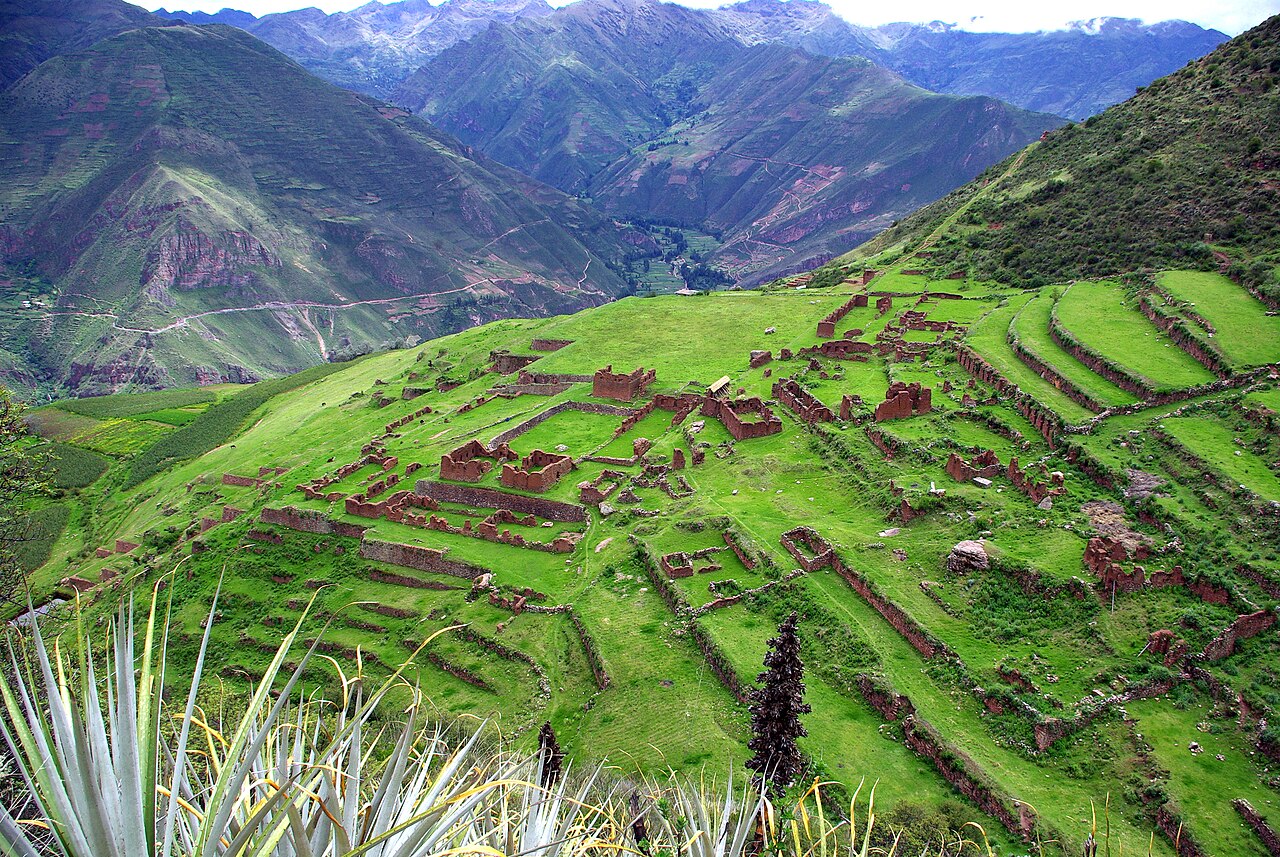
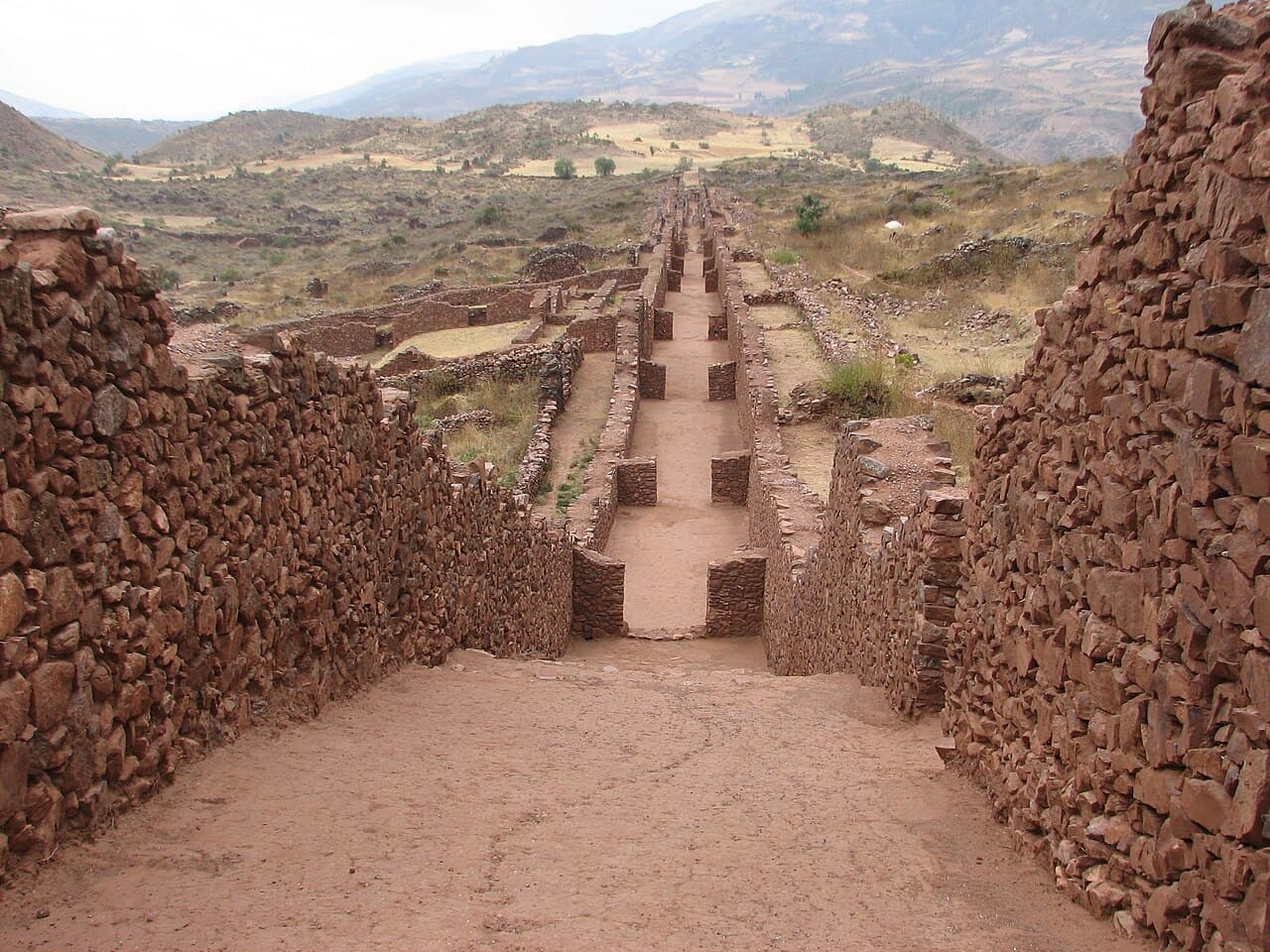
Pikillaqta is characterized by a well-planned urban grid system, with streets and avenues laid out in a rectilinear pattern. The site covers approximately 60 hectares and includes a variety of architectural features such as enclosure walls, residential compounds, ceremonial plazas, storerooms, and public buildings. The use of finely cut stone masonry and adobe bricks is evident throughout the site.
One of the distinctive architectural elements is the presence of large rectangular enclosures that likely served administrative or ritual functions. These enclosures are surrounded by high walls and often contain multiple rooms arranged around central courtyards.
Ceremonial and ritual spaces
Pikillaqta was primarily used for ceremonial purposes, as indicated by the presence of large plazas and platforms designed for public gatherings and rituals. The site includes several ceremonial halls and temple-like structures that would have accommodated religious activities, possibly related to ancestor worship and state rituals central to the Wari culture.
The layout of these ceremonial spaces reflects a deliberate architectural plan to emphasize social hierarchy and control, with restricted access areas and imposing walls reinforcing the authority of the ruling elite.
Occupation and abandonment
The archaeological evidence suggests that Pikillaqta was occupied from around 550 AD until approximately 1100 AD. During this time, the site evolved but was never fully completed, possibly due to shifting political dynamics or environmental factors. The abandonment of Pikillaqta coincides with the decline of the Wari state, which fragmented into smaller polities before the rise of the Inca Empire.
Excavations have revealed that the site was intentionally left unfinished, with some buildings and plazas incomplete at the time of abandonment. This unfinished state provides important clues about the challenges faced by the Wari during their decline.
Archaeological significance and preservation
Pikillaqta remains an essential site for understanding the Wari civilization and its contributions to Andean history. As an archaeological ruin, it offers a rare glimpse into the urban planning, architecture, and ceremonial life of a pre-Inca culture that significantly influenced later societies.
The site is currently classified as ruins and is protected as a cultural heritage location. Ongoing archaeological research continues to uncover new information about the Wari's social structure, economy, and interactions with neighboring cultures.
Visitors to Pikillaqta can explore the extensive remains of walls, plazas, and buildings, gaining insight into the architectural sophistication and cultural complexity of the Wari people. The site also contributes to the broader understanding of Andean civilizations' development prior to the Inca period.
Frequently asked questions (FAQ)
- How do I get to Pikillaqta?
- Pikillaqta is located near the city of Cusco in Peru, making it accessible by car or public transport. Visitors can take a taxi or join a guided tour from Cusco to reach the site, which is approximately 30 kilometers away.
- What is the historical significance of Pikillaqta?
- Pikillaqta was an important pre-Incan archaeological site, believed to be part of the Wari culture that thrived between 500 and 900 AD. The site showcases the advanced urban planning and architectural techniques of the Wari civilization, making it a key location for understanding Peru's pre-Columbian history.
- When was Pikillaqta built?
- Pikillaqta was constructed around the 6th century AD, during the height of the Wari Empire. It served as a significant administrative and religious center, highlighting the sophistication of earlier Andean cultures.
- Can I take guided tours at Pikillaqta?
- Yes, guided tours are available at Pikillaqta, providing visitors with in-depth knowledge about the site's history and architecture. Local guides offer tours in various languages, enhancing the experience for international travelers.
- Why is Pikillaqta considered an architectural marvel?
- Pikillaqta is considered an architectural marvel due to its extensive layout, featuring over 700 structures, including residential, religious, and administrative buildings. The use of precise stone masonry and irrigation systems demonstrates the advanced engineering skills of the Wari people.
- Is it possible to visit Pikillaqta year-round?
- Yes, Pikillaqta is open for visitors year-round, although the best time to visit is during the dry season, from May to September. During this period, the weather is more favorable for exploring the site without the inconvenience of rain.
- What are the ticket prices for visiting Pikillaqta?
- Ticket prices for Pikillaqta are generally affordable, with discounts available for students and children. It is advisable to check the official website or local information for the most current pricing details before your visit.
- What are the opening hours of Pikillaqta?
- Pikillaqta is typically open from 8 AM to 5 PM daily, allowing ample time for exploration. However, it's recommended to verify the opening hours before your visit, as they may vary seasonally or for special events.
- Are there any nearby attractions to visit after Pikillaqta?
- Yes, nearby attractions include the archaeological site of Tipón and the picturesque town of Andahuaylillas, known for its stunning church. Exploring these sites can provide a deeper understanding of the rich cultural heritage of the region.
Photo gallery

Information
Loading map...
Visitor reviews
No reviews yet. Been here? Write the first review and help other travelers!
Write the first reviewVisited this castle? Share your experience
Your review helps other travelers and adds first-hand knowledge to our encyclopedia.