Walden Castle
Walden Castle stands as a significant medieval archaeological ruin located in Saffron Walden, a historic market town in Essex, England. This castle was originally constructed during the turbulent period known as the Anarchy in the 12th century, a civil war between King Stephen and Empress Matilda for the English crown. Its remains offer valuable insight into Norman military architecture and the feudal power struggles of the time.
Origins and construction in the 12th century
The castle was built between 1141 and 1143 by Geoffrey de Mandeville, 1st Earl of Essex, a powerful nobleman who sought to consolidate his influence in the region. It likely replaced an earlier 11th-century motte-and-bailey castle on the site, reflecting the evolution of castle design from earthworks to stone fortifications. Geoffrey’s design featured a square Norman keep surrounded by a protective bailey wall, typical of high medieval fortifications.
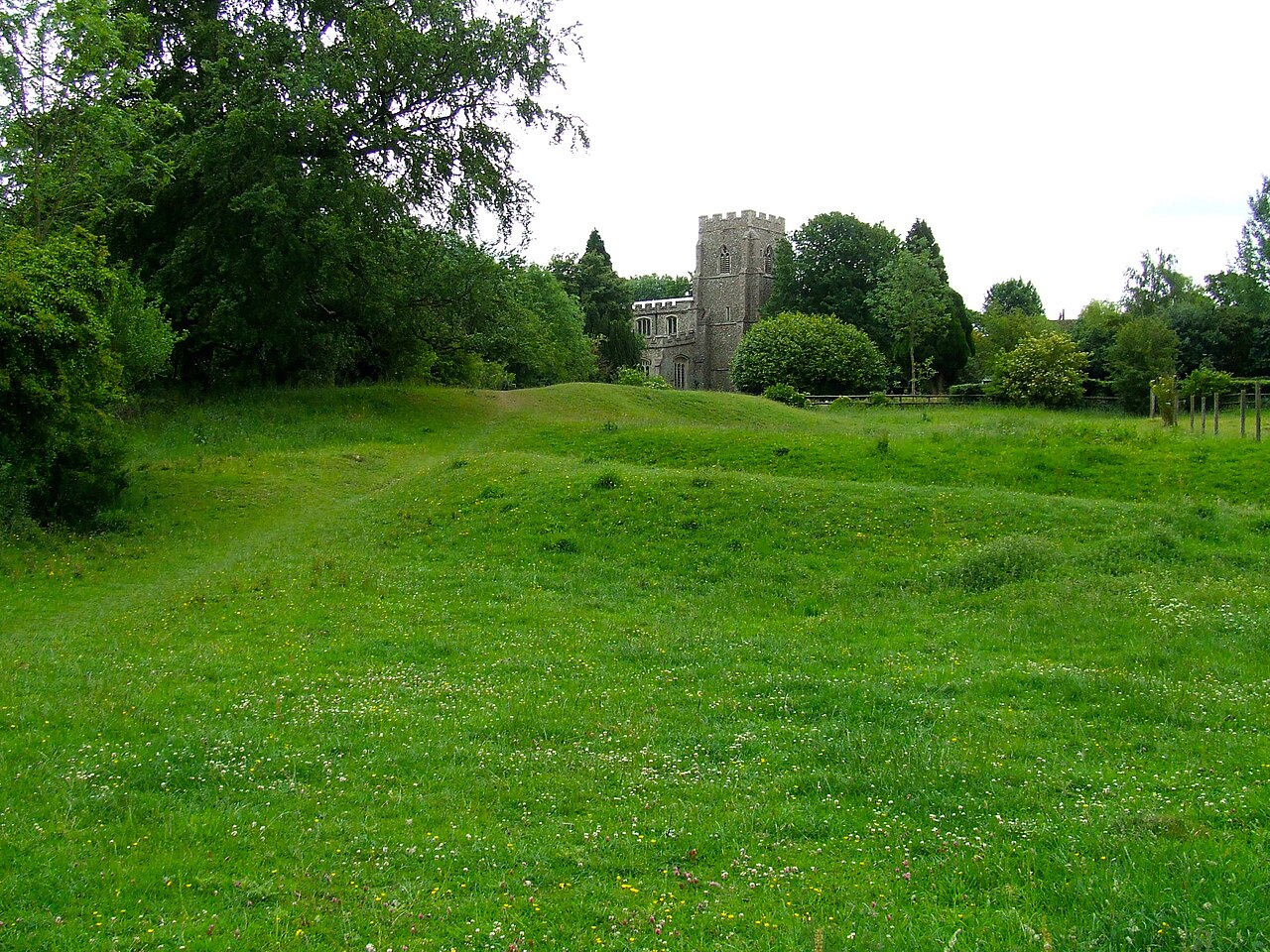
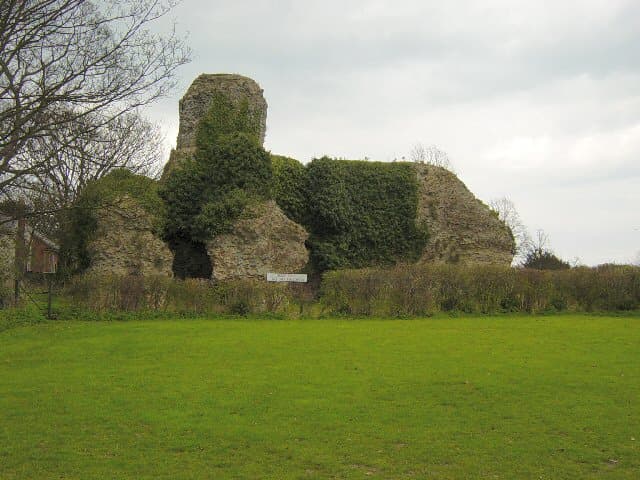
The keep was intended to be a formidable stone tower, originally planned to rise to three stories. The surviving structure today reveals the flint and mortar core of the first two stories, although the exterior facing stones that would have given it a finished appearance have long since disappeared. This core provides important archaeological evidence of Norman construction techniques and defensive priorities.
Historical significance during the Anarchy
Geoffrey de Mandeville’s tenure at Walden Castle was marked by conflict. In 1143, King Stephen arrested Geoffrey and confiscated Walden Castle along with several other fortifications. After his release, Geoffrey launched a military campaign against the king but died in 1144 without regaining control of the castle. This episode illustrates the castle’s role as a strategic stronghold during the civil war and its importance to the power dynamics of the period.
The castle's decline and partial destruction
Following the end of the Anarchy, King Henry II ordered the castle to be slighted in 1157, a common practice intended to prevent rebellious nobles from using such fortifications against the crown. At that time, the keep was probably still unfinished, which may have influenced the decision to render the structure indefensible. The slighting left Walden Castle in a ruined state that has persisted through the centuries.
Later ownership and medieval modifications
The manor of Walden later passed into the hands of the De Bohun family, a prominent noble house. In 1347, they obtained a license to crenelate the castle, allowing them to fortify or rebuild it. However, historical records are unclear about the extent of these modifications, and no significant structural changes from this period are evident in the surviving ruins. This ambiguity highlights the challenges in tracing the castle’s later medieval history.
Architectural features and current state
Today, visitors to Walden Castle can observe the remains of the flint and mortar core of the first two stories of the Norman keep. The original three-story height is no longer visible, and the absence of facing stones makes it difficult to visualize the castle’s original appearance. The castle’s ruined condition classifies it as an archaeological site, freely accessible to the public and offering a tangible connection to England’s medieval past.
The castle's location on Church Street situates it within the historic fabric of Saffron Walden, contributing to the town’s rich heritage. The site provides an important educational resource for understanding medieval military architecture, feudal society, and the impact of civil conflict on castle construction and destruction.
Visiting Walden Castle
As an open archaeological ruin, Walden Castle does not have formal visitor facilities or entrance fees. Its accessibility allows for informal exploration, although visitors should be mindful of preservation efforts and the fragile nature of the ruins. The castle’s modest remains encourage visitors to imagine the imposing fortress that once stood here and to appreciate the layers of history embedded in the site.
Legacy and cultural importance
Walden Castle remains an important symbol of the 12th-century Anarchy and the shifting fortunes of England’s medieval nobility. Its ruins evoke the era’s architectural styles, from the early motte-and-bailey designs to the more durable stone keeps of the Normans. The castle’s history reflects broader themes of power, rebellion, and royal authority that shaped medieval England.
Preserving and studying Walden Castle contributes to a deeper understanding of Norman fortifications and the social history of Essex. It stands as a quiet but potent reminder of the region’s medieval heritage and the enduring legacy of England’s castle-building tradition.
Frequently asked questions (FAQ)
- How do I get to Walden Castle?
- Walden Castle is located in Saffron Walden, easily accessible by car and public transport. The nearest train station is Audley End, which is a short taxi ride away. There are also several bus routes that connect Saffron Walden to nearby towns.
- What is the historical significance of Walden Castle?
- Walden Castle dates back to the 12th century and was originally built as a defensive fortress. It played a crucial role in the history of the region, serving as a royal residence and a symbol of power during the medieval period. The castle's ruins reflect its rich history and architectural evolution over the centuries.
- When was Walden Castle built?
- Walden Castle was constructed in the late 12th century, around 1140, by the Norman lord Geoffrey de Mandeville. The castle was strategically positioned to oversee the surrounding area and protect against invasions. Its construction marked the beginning of a significant chapter in the local history of Saffron Walden.
- Can I visit Walden Castle year-round?
- Yes, Walden Castle is open to visitors throughout the year, though specific events and access to certain areas may vary by season. It’s advisable to check the official website for any seasonal hours or closures before planning your visit. Guided tours are often available to enhance your experience.
- Why is Walden Castle a popular tourist attraction?
- Walden Castle attracts visitors due to its historical significance, stunning architecture, and picturesque grounds. The castle offers a glimpse into medieval life and provides a beautiful setting for photography and exploration. Additionally, its location in the charming town of Saffron Walden makes it a perfect spot for a day trip.
- Is it possible to access all areas of Walden Castle?
- While visitors can explore many parts of Walden Castle, some areas may be restricted for safety reasons or due to preservation efforts. The main ruins and grounds are generally accessible, providing an opportunity to appreciate the castle's architecture and history. Always follow any guidelines provided by staff during your visit.
- What are the opening hours for Walden Castle?
- Walden Castle typically opens at 10 AM and closes at 5 PM during the peak season, but hours may vary in the off-peak months. It’s important to check the official website for the most current information before your visit. Special events may have different hours, so plan accordingly.
- What are the ticket prices for Walden Castle?
- Ticket prices for Walden Castle are usually very affordable, making it accessible for all visitors. Adult tickets generally cost around £5, while children and seniors may receive discounted rates. Family tickets are also available, providing a great option for group visits.
- What are some nearby attractions to Walden Castle?
- In addition to Walden Castle, Saffron Walden is home to several other attractions, including the beautiful Bridge End Garden and the Saffron Walden Museum. The town features charming shops, cafes, and historic buildings, making it an ideal destination for a full-day visit. Nearby attractions like Audley End House are also worth exploring.
Photo gallery

Information
Address
Church Street, Saffron Walden, Essex, England
Loading map...
Visitor reviews
No reviews yet. Been here? Write the first review and help other travelers!
Write the first reviewVisited this castle? Share your experience
Your review helps other travelers and adds first-hand knowledge to our encyclopedia.