Mountfitchet Castle
Mountfitchet Castle offers visitors a unique journey back nearly a millennium to the Norman conquest of England. This reconstructed motte-and-bailey castle and accompanying village stand on a 10-acre site in Stansted, England, carefully recreated to reflect the appearance and atmosphere of the original fortress and settlement as they would have existed around 1066. The site is a remarkable example of living history, combining archaeological evidence with expert craftsmanship to bring the Norman period vividly to life.
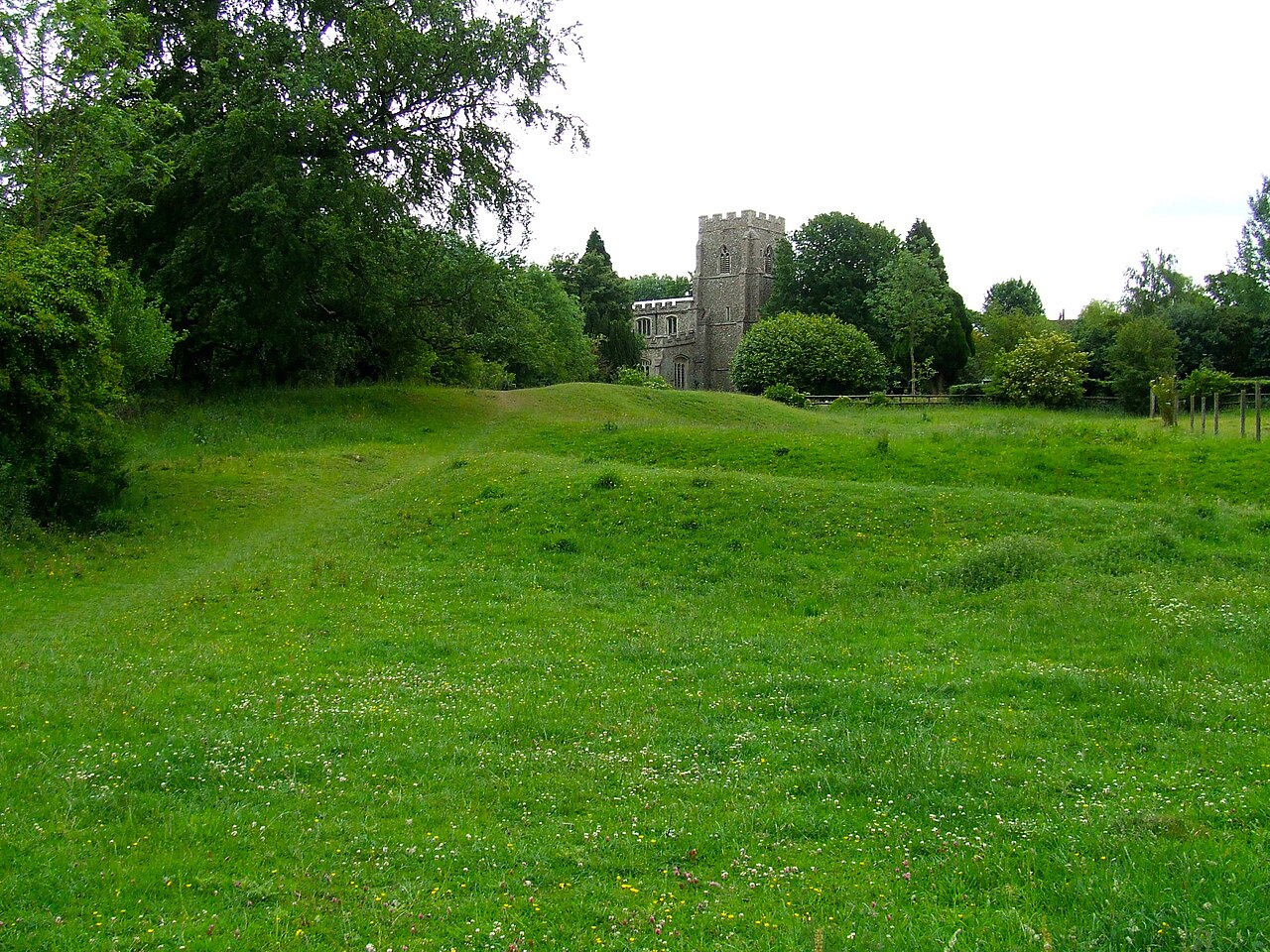
The castle and village include a wide array of structures typical of a Norman stronghold and rural community of the time, such as great halls, homes, churches, chicken coops, and even falconry facilities. Visitors can experience the daily life of Norman England, including the use of a fertility chair, an intriguing feature reflecting medieval customs and beliefs. This immersive environment is set within the earthworks that remain from the original castle, which provide a tangible connection to the site's deep history.
Historical evolution of the site
The location of Mountfitchet Castle has been of strategic and cultural importance for thousands of years. Archaeological excavations have uncovered artifacts indicating that the site was originally an Iron Age hill fort, later repurposed as a Roman signal fort. Following the Roman withdrawal from Britain, the area became a Saxon settlement, which was subsequently conquered during the Norman invasion of 1066.
It was during William the Conqueror's campaign that the initial wooden motte-and-bailey castle was constructed to establish Norman control over the region. This form of castle, featuring a raised earthwork mound (the motte) topped with a wooden keep and an enclosed courtyard (the bailey), was a common Norman military architecture designed for rapid construction and effective defense.
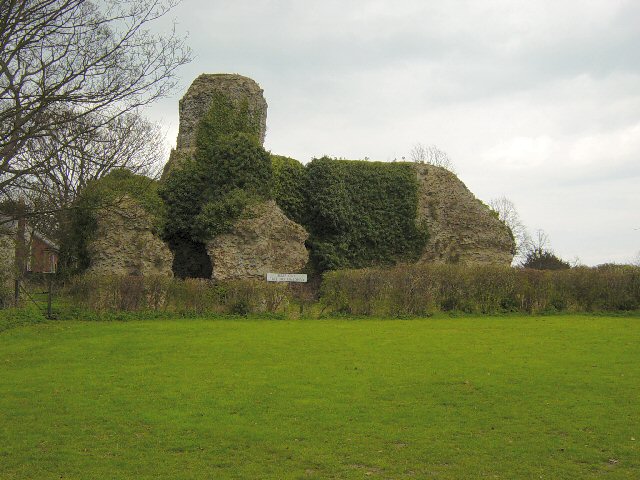
By 1215, the wooden structures were replaced with a more durable stone castle, reflecting the evolution of medieval fortifications and the need for stronger defenses. However, the castle's fortunes waned when King John launched a destructive assault on it in the same year, leading to its ruin. Over the following centuries, the castle fell into disrepair, and local villagers repurposed its stones for building materials in nearby homes, some of which survive to this day in the surrounding town.
Reconstruction and preservation efforts
For over seven centuries, Mountfitchet Castle remained in ruins, its original structures lost to time and nature. The earthworks were the only visible remnants of its former prominence until 1975, when local landowner Alan Goldsmith initiated an ambitious project to rebuild the castle as it would have appeared in the late 11th century.
The reconstruction began in earnest in 1980, following meticulous archaeological surveys including geophysics studies that identified areas of high nitrogen concentration in the soil—indicators of former human activity such as dwellings and livestock pens. This scientific approach ensured that the rebuilt structures were placed with historical accuracy.
The project involved a dedicated team of historians, archaeologists, and skilled craftspeople working collaboratively to adhere to the architectural and material authenticity of the period. Materials were carefully sourced to match those originally used: oak timber came from nearby Suffolk, reeds for roofing were harvested from Norfolk, and the plaster was made using traditional methods incorporating horsehair and pig manure to replicate medieval building techniques.
Architectural features and village life
The reconstructed castle showcases the defining elements of a Norman motte-and-bailey fortress. The motte is a large, steep earth mound topped by a wooden keep, providing a vantage point and last line of defense. Surrounding this is the bailey, an enclosed courtyard protected by a wooden palisade and ditch. Within the bailey, the village buildings recreate the domestic and communal spaces of the period.
The great hall served as the administrative and social center, where the lord of the castle would receive guests and conduct affairs. The church reflects the integral role of religion in medieval life, while the homes of villagers and castle staff illustrate everyday living conditions. The presence of chicken coops and falconry facilities highlights the importance of food production and hunting in sustaining the community.
Visitors can observe demonstrations of traditional crafts and medieval activities, enhancing the educational experience. The inclusion of the fertility chair adds a cultural dimension, revealing medieval beliefs and customs surrounding fertility and health.
Significance and visitor experience
Mountfitchet Castle is not only a remarkable example of historical reconstruction but also a valuable educational resource that brings Norman England to life. The site's designation as a national historic monument by the Department of the Environment underscores its cultural importance.
Visitors can explore the castle and village on foot, experiencing a rare opportunity to immerse themselves in a faithfully recreated medieval environment. The castle’s location near Stansted makes it accessible for tourists interested in English history and medieval architecture.
Through its combination of archaeological rigor, historical scholarship, and hands-on craftsmanship, Mountfitchet Castle stands as a testament to the enduring legacy of Norman military architecture and medieval village life in England.
Frequently asked questions (FAQ)
- How do I get to Mountfitchet Castle from London?
- Mountfitchet Castle is located near Stansted, accessible by train or car from London. Visitors can take a train from London Liverpool Street to Stansted Mountfitchet station, which is a short walk from the castle.
- What can I expect to see at Mountfitchet Castle?
- Visitors can explore a reconstructed Norman motte-and-bailey castle and village, including halls, homes, a church, falconry displays, and traditional medieval activities.
- When was Mountfitchet Castle originally built?
- The original wooden motte-and-bailey castle was built shortly after the Norman conquest in 1066, with stone structures added by 1215.
- Is Mountfitchet Castle suitable for families with children?
- Yes, the castle offers an engaging and educational experience for families, with interactive exhibits and demonstrations of medieval life.
- Are there guided tours available at Mountfitchet Castle?
- Guided tours are available, providing detailed historical context and insights into the castle's reconstruction and medieval life.
- What are the opening hours and ticket prices for Mountfitchet Castle?
- The castle is open daily from 10:00 to 16:00. Tickets cost £8 for adults and £5 for children.
Information
Opening hours
10:00-16:00, daily
Ticket prices
£8 adult, £5 child
Current owner
Private owner
Website
Visit websiteSources & official resources
Verify the information above using these authoritative references.
Loading map...
Visitor reviews
No reviews yet. Been here? Write the first review and help other travelers!
Write the first reviewVisited this castle? Share your experience
Your review helps other travelers and adds first-hand knowledge to our encyclopedia.