Castle Mound
Castle Mound in Cambridge, England, stands as a prominent historical landmark that reflects the city's ancient military heritage, predating even the famed University of Cambridge founded in 1209. This elevated earthwork, located on the north side of the River Cam, offers commanding views of the surrounding landscape and serves as a tangible link to the region's strategic importance through multiple historical periods.
Early settlement and roman fortification
Archaeological investigations reveal that the site of Castle Mound was first settled during the Iron Age, marking it as a location of early human activity and defensive significance. The natural elevation of the mound made it an ideal vantage point for surveillance and protection. During the Roman period, a small fort was constructed atop the mound, integrating the site into the broader network of Roman military installations across Britannia. This fortification was, however, dismantled in the 2nd century, possibly reflecting shifts in Roman military strategy or local conditions.
Norman conquest and medieval castle construction
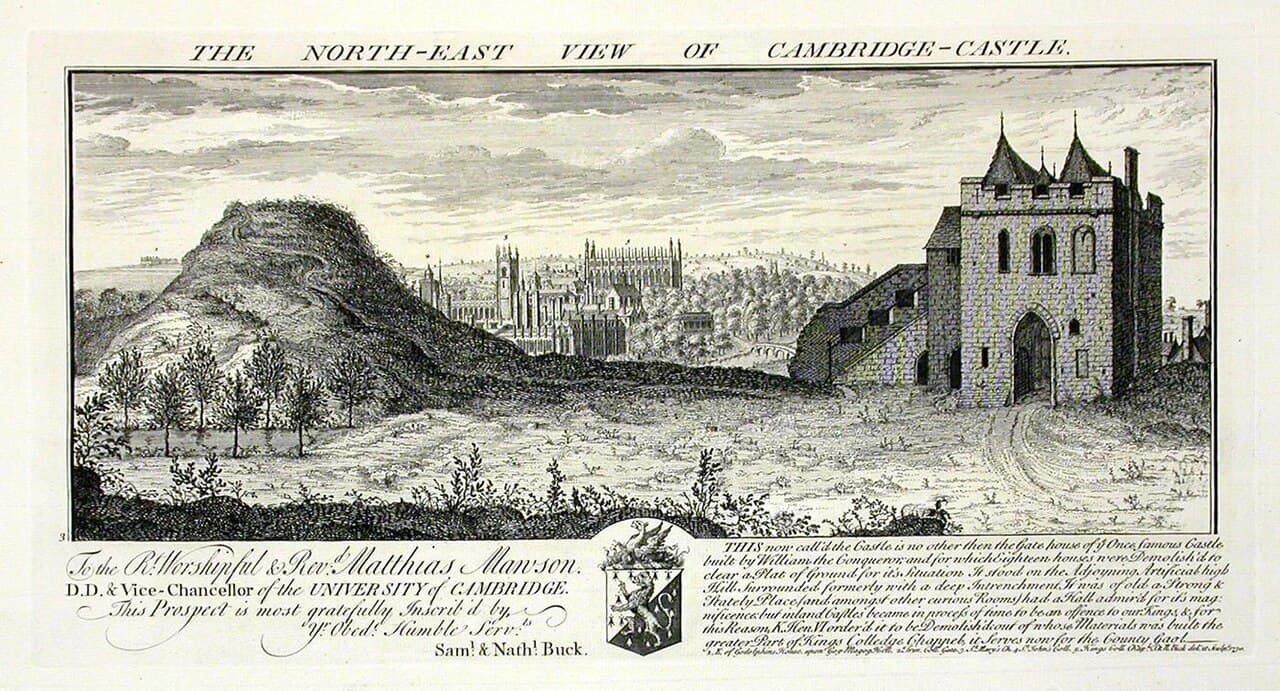
Following the Norman Conquest of England, William the Conqueror recognized the strategic value of Castle Mound and in 1068 commissioned the construction of a new castle on the site. This early Norman castle was likely a motte-and-bailey design, characterized by a raised earthwork (the motte) topped by a wooden or stone keep, with an enclosed courtyard (the bailey) protected by palisades and ditches. The castle played a significant role in establishing Norman control over Cambridge and the surrounding region.
Throughout the medieval era, Castle Mound remained a key defensive structure, although it gradually fell into disrepair by the Tudor period. The decline in military importance coincided with changes in warfare and the consolidation of royal power, reducing the need for such local fortifications.
Use during the english civil war and later history
During the English Civil War in the mid-17th century, Castle Mound briefly regained military significance. It was used as a fortification by forces engaged in the conflict, taking advantage of its elevated position for defense and observation. After the war, however, the site ceased to serve any military function and gradually became a historical monument rather than an active fortification.
Architectural features and current state
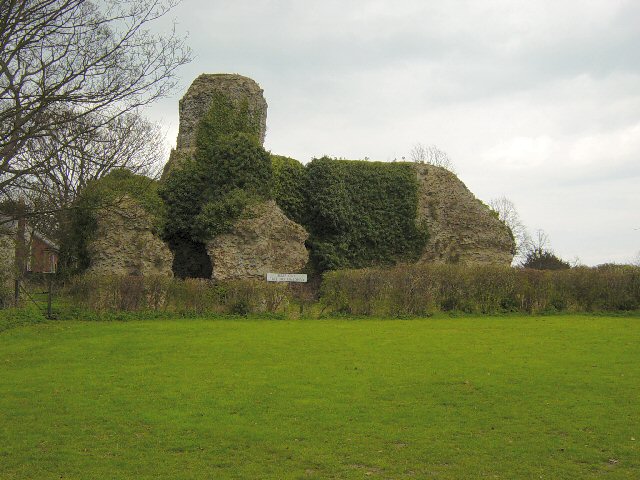
Today, Castle Mound is primarily an archaeological site and earthwork, with no standing stone structures remaining. The original Norman castle's wooden or stone keep and associated buildings have long since disappeared, but the motte remains clearly visible as a large, grassy mound. The site is protected as a scheduled monument, preserving its historical and cultural significance.
Visitors to Castle Mound can appreciate the site's strategic location and its layered history, which spans from the Iron Age through the Norman Conquest and into the English Civil War. Interpretive signage and local guides often provide context about the castle's role in Cambridge's development and its military past.
Cultural significance and heritage preservation
Castle Mound is an important symbol of Cambridge's rich heritage, linking the city's academic prestige with its earlier martial and strategic roles. As a well-preserved earthwork, it offers insight into medieval fortification techniques and the evolution of military architecture in England. Its preservation allows historians and visitors alike to explore the layers of history embedded in the landscape.
The site is accessible to the public and often included in historical tours of Cambridge, complementing visits to the university and other cultural landmarks. Its status as an archaeological site ensures ongoing protection and research opportunities, contributing to a deeper understanding of England's medieval past.
Frequently asked questions (FAQ)
- What is the historical significance of Castle Mound in Cambridge?
- Castle Mound is a key medieval fortification site in Cambridge with origins dating back to the Iron Age and significant Norman construction in 1068.
- Can visitors access Castle Mound year-round?
- Yes, Castle Mound is an open archaeological site accessible to the public throughout the year, allowing visitors to explore its earthworks and views.
- What remains can be seen at Castle Mound today?
- Visitors can see the large grassy motte, which is the earthwork mound of the original Norman castle, though no stone structures remain.
- How did Castle Mound contribute during the English Civil War?
- Castle Mound was briefly used as a fortification during the English Civil War due to its strategic elevated position for defense and observation.
- Is there any visitor information available on-site?
- Interpretive signage is often present at Castle Mound, providing historical context about the site's military and cultural significance.
Photo gallery

Photo by Samuel Buck / Nathaniel Buck•Public domain
Information
Loading map...
Visitor reviews
No reviews yet. Been here? Write the first review and help other travelers!
Write the first reviewVisited this castle? Share your experience
Your review helps other travelers and adds first-hand knowledge to our encyclopedia.