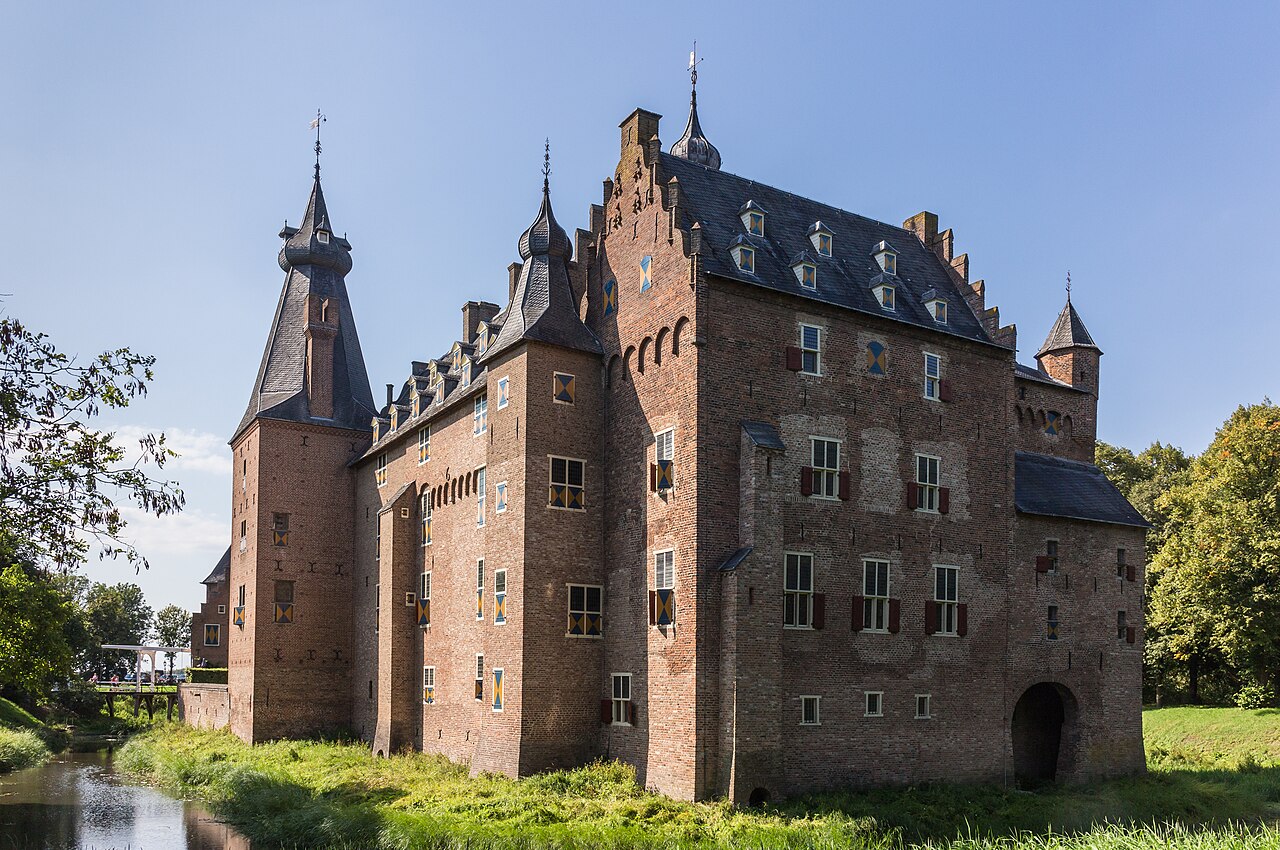
Wageningen Castle
Wageningen Castle, known locally as Kasteel van Wageningen, is a historically significant fortress located in the city of Wageningen, in the province of Gelderland, Netherlands. Its strategic importance stems from Wageningen's early city rights granted in the 13th century and its position as a fortified town. The castle's history and architectural evolution reflect the turbulent political and military landscape of the region during the Renaissance and beyond.
Origins and construction in the renaissance period
The castle was constructed between 1500 and 1526 under the direction of Karel van Egmond, Duke of Guelders. This period falls squarely within the renaissance era, which is reflected in the castle's design elements and fortification style. The primary purpose of the castle was to serve as a defensive stronghold against the expansionist ambitions of the Dukes of Burgundy. Strategically positioned in the southeastern corner of the fortified town of Wageningen, the castle was integrated into the existing town defenses.
The original complex was fortified with a curtain wall featuring multiple gun towers, a gate building flanked by two towers, and essential support buildings including barracks, a brewery, a bakery, a powder storage house, a well, and stables for horses and dogs. This comprehensive setup illustrates the castle's dual role as both a military fortress and a self-sustaining estate.
Conflicts and changing ownership
Following Duke Karel's death in 1528, the castle became a source of tension with the local townspeople who felt oppressed by its presence and demanded its demolition. However, the States of Guelders prohibited dismantling the castle, especially given the military threat posed by advancing Burgundian troops. The castle's completion was permitted and it remained an important defensive asset.
During the 80 Years' War at the end of the 16th century, the townspeople again sought to remove the castle, but the States General forbade this, recognizing the castle's strategic value in ongoing conflicts. In 1614, ownership transferred to Lubbert Torck when the States of Guelders sold the castle to him.
The castle suffered significant damage in 1672 when French troops captured Wageningen. This event marked a turning point in the castle’s architectural history.
Reconstruction and transformation into a manor
After the French occupation, Assueer Torck, the residing lord, undertook a thorough rebuilding of the castle. The fortress was transformed into a manor house complete with stables and gardens, reflecting a shift from purely military use to residential and agricultural functions.
Between 1711 and 1720, Lubbert Adolph Torck, son of Assueer, demolished much of the old complex. He constructed the current 18th-century manor on the remains of the former gate building, along with several houses that were rented out. Lubbert Adolph himself resided at Rosendael Castle, indicating a preference for more prestigious residences.
Later developments and urbanization
In the 19th century, the manor and surrounding lands changed hands several times. In 1829, Jacob Rosenik acquired the manor and undertook extensive renovations. Later in 1882, the estate was sold to Johannes Bowles, a wealthy plantation owner who had prospered in the Dutch East Indies.
Bowles initiated a significant urban development project, converting the former castle grounds into a residential neighborhood featuring several villas. This transformation led to the disappearance of most of the castle's visible remains, fundamentally altering the historic landscape of the site.
Archaeological rediscovery and current status
In the 1970s, archaeological excavations uncovered parts of the castle's foundations, including sections of the northern curtain wall, the northeastern corner tower, and the northern tower of the gate building. These remnants provide valuable insight into the castle's original layout and defensive structures.
Today, the manor built on the castle's foundations serves as a museum, preserving the site's historical legacy. Visitors can freely access the castle remains, which stand as a testament to Wageningen's rich medieval and renaissance heritage.
The museum and historical exhibits
The museum's history room prominently features a detailed 17th-century model of the fortified town of Wageningen, including its moat, walls, towers, and the castle itself. This model helps visitors visualize the town’s defensive layout during the castle's peak usage.
The basement of the museum contains the remains of the gatehouse from the Torck family’s castle, offering a tangible connection to the site's layered past.
Frequently asked questions (FAQ)
- How do I get to Wageningen Castle?
- Wageningen Castle is located in the heart of Wageningen, Netherlands, and is easily accessible by public transport. You can take a train to Wageningen station and then a short bus or taxi ride will bring you directly to the castle.
- What is the historical significance of Wageningen Castle?
- Wageningen Castle dates back to the 14th century and has played a crucial role in Dutch history, particularly during the Eighty Years' War. It served as a stronghold and has witnessed significant events, including the signing of the capitulation of the German troops in 1945.
- When was Wageningen Castle built?
- Wageningen Castle was originally constructed in 1380 as a defense against attacks. Over the centuries, it has undergone various renovations and restorations, reflecting the architectural styles of different periods.
- Can I visit Wageningen Castle?
- Yes, visitors are welcome to explore Wageningen Castle and its grounds. The castle often hosts guided tours, providing insight into its rich history and architecture.
- Why is Wageningen Castle a popular tourist attraction?
- Wageningen Castle is popular due to its historical significance, beautiful architecture, and scenic surroundings. Its location in a picturesque park adds to its charm, making it a perfect spot for both history enthusiasts and casual visitors.
- Is it possible to host events at Wageningen Castle?
- Yes, Wageningen Castle is available for private events, including weddings and corporate gatherings. The unique setting and historical ambiance make it an ideal venue for memorable occasions.
- What are the opening hours for Wageningen Castle?
- Wageningen Castle is typically open to visitors from Tuesday to Sunday, with varying hours depending on the season. It is advisable to check the official website for the most accurate and up-to-date information before planning your visit.
- What are the ticket prices for visiting Wageningen Castle?
- Ticket prices for Wageningen Castle are generally affordable, with discounts available for children and seniors. Group rates may also apply, so it’s a good idea to check in advance for any special offers or promotions.
- When is the best time to visit Wageningen Castle?
- The best time to visit Wageningen Castle is during the spring and summer months when the weather is pleasant and the gardens are in full bloom. Additionally, special events and festivals often take place during these seasons, enhancing your experience.
- Are there any nearby attractions to visit while at Wageningen Castle?
- Yes, there are several nearby attractions, including the Wageningen University and Research, and the beautiful landscapes of the Veluwe region. The castle's location makes it a great starting point for exploring the rich cultural and natural heritage of the area.
Information
Address
Behind Bowlespark 1a, Wageningen, Netherlands
Loading map...
Visitor reviews
No reviews yet. Been here? Write the first review and help other travelers!
Write the first reviewVisited this castle? Share your experience
Your review helps other travelers and adds first-hand knowledge to our encyclopedia.