Vrsatec Castle Ruins
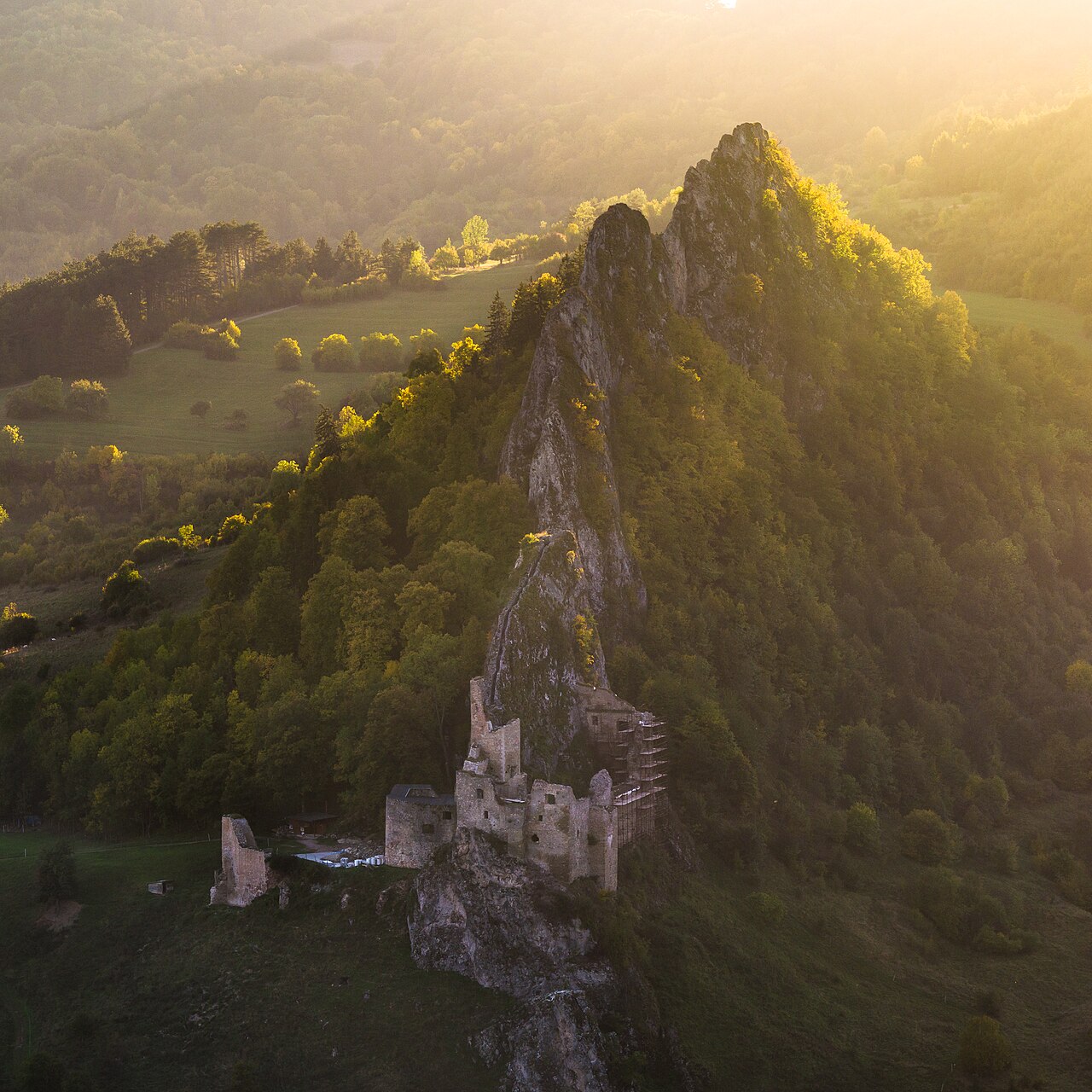
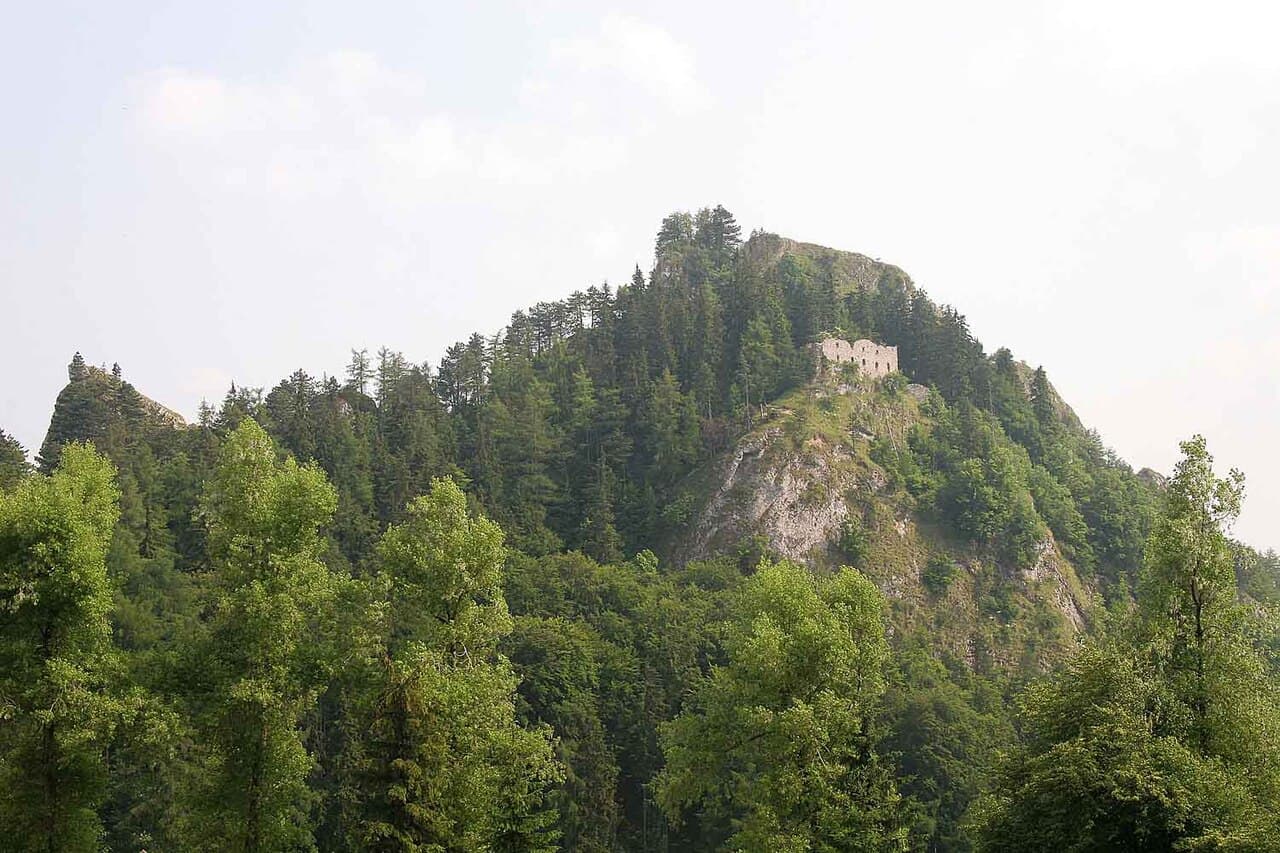
Vršatec castle ruins stand as a striking testament to medieval fortification in Slovakia, perched atop the Vršatec rock formation overlooking the village of Vršatské Podhradie. Originally constructed in the 13th century during the high medieval period, the castle was built to secure the northwestern borders of the Kingdom of Hungary following the devastating Mongol invasions. This hill castle capitalized on its naturally defensible rocky outcrop, combining stone fortifications with the rugged terrain to create a formidable stronghold.
The castle played a significant role in regional defense and administration for centuries, witnessing ownership by prominent nobles such as Matúš Čák Trenčiansky in the late 13th century and later Stibor of Stiborice in the late 14th century. It also came under the possession of royal figures like Queen Barbara and her daughter Elizabeth, reflecting its importance within the noble hierarchy. Over time, the castle's strategic value evolved, and it underwent several phases of reconstruction and expansion, particularly in the 15th and 17th centuries.
Historical context and significance
The site of Vršatec castle has deep historical roots, with evidence of earlier habitation by ancient cultures such as the Lusatian and Púchov cultures, as well as Slavic tribes during the early medieval period. The castle’s construction was part of a broader network of fortifications established to protect the Kingdom of Hungary’s vulnerable frontiers. Its elevated position provided extensive views over the central Považie region and the Váh river valley, enabling early warning of approaching threats.
Throughout its history, Vršatec castle served not only as a military bastion but also as an administrative center overseeing several surrounding villages, including Bohunice, Červený Kameň, Pruské, Krivoklát, Tuchyňa, Výčapy, and Mikušovce. This role underscored its importance in local governance and feudal management.
Ownership and noble ties
In the late 13th century, the castle became part of the extensive holdings of Matúš Čák Trenčiansky, a powerful magnate whose influence dominated much of the region. By the end of the 14th century, ownership transferred to Stibor of Stiborice, a notable nobleman who initiated significant rebuilding efforts that enhanced the castle’s defenses and living quarters. The nearby settlement, first recorded in 1439 as Podhradhye (now Vršatské Podhradie), developed in close connection with the castle, serving the needs of its garrison and administration.
Subsequent centuries saw the castle pass through various hands, including members of the lesser nobility and royal figures such as Queen Barbara and her daughter Elizabeth. These transitions reflect the castle’s continued relevance in the political and social landscape of the region.
Architectural features and fortifications
Vršatec castle’s design exemplifies typical high medieval hill castle architecture, adapted to the challenging topography of the Vršatec rock formation. The fortification was centered around a robust internal tower or keep, which served as the primary defensive and residential structure. This tower was surrounded by stone curtain walls that followed the contours of the rocky plateau, creating multiple defensive layers.
The castle’s builders skillfully integrated natural rock formations into the fortifications, using steep cliffs and rocky outcrops as natural barriers against attackers. The complex included various defensive elements such as battlements, gatehouses, and courtyards, which facilitated both defense and daily life within the fortress. Over time, expansions in the 15th and 17th centuries introduced modifications that enhanced the castle’s resilience and habitability, though the central tower remained the focal point of the defense system.
Construction materials and techniques
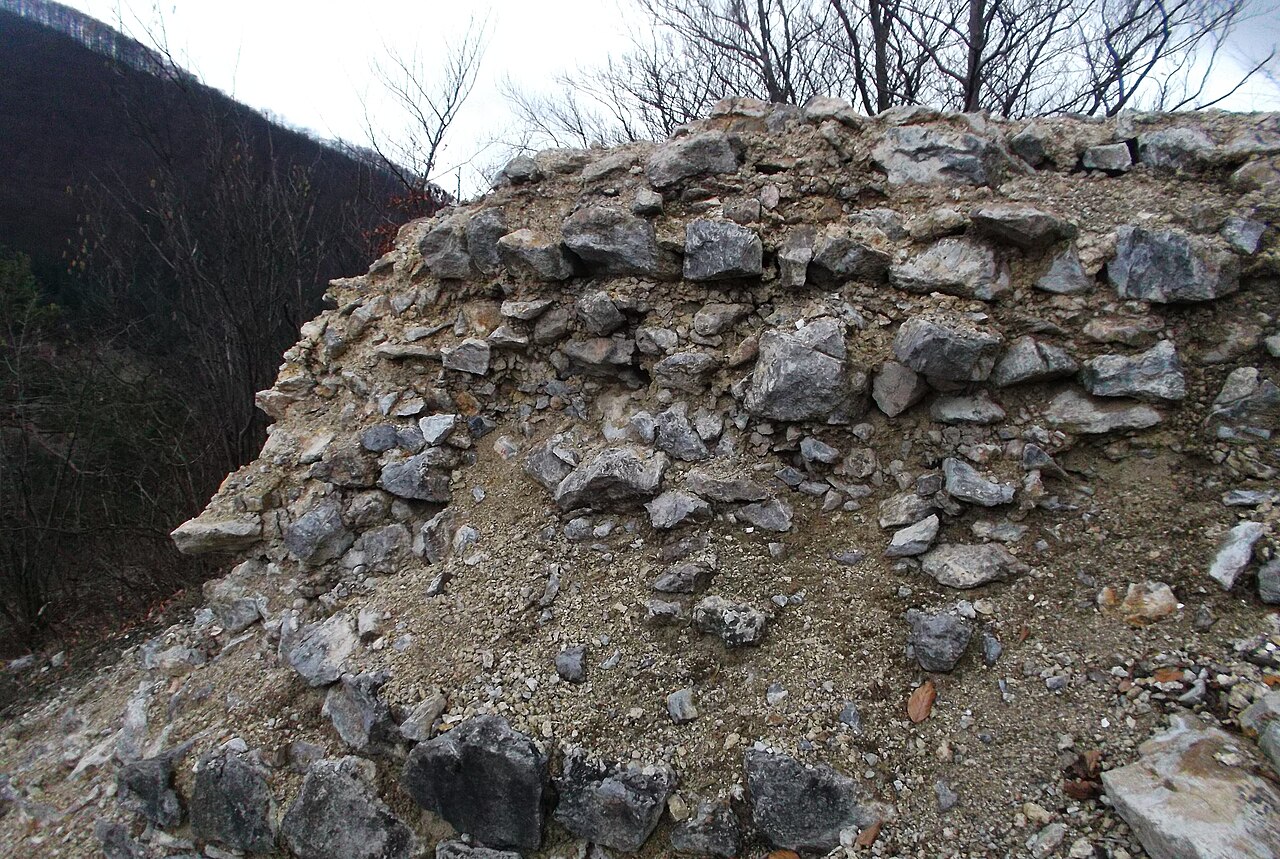
The castle was primarily constructed from locally quarried stone, chosen for its durability and availability. Masonry techniques typical of the high medieval period were employed, including thick walls designed to withstand siege weaponry and natural erosion. The use of the rocky terrain reduced the need for extensive artificial foundations, allowing the castle to blend harmoniously with its environment.
Decline and destruction
Vršatec castle’s military and administrative importance began to wane in the 17th century as the nobility shifted their residences to more accessible manor houses in the surrounding lowlands, such as the estate in Pruské. This change reflected broader trends in aristocratic life, favoring comfort and convenience over the defensive advantages of hilltop fortresses.
The castle suffered significant damage during two key events. In 1680, imperial troops set fire to the fortress, inflicting severe structural damage. Later, during Rákóczi’s rebellion in 1707, imperial forces deliberately destroyed the castle using explosives to prevent its use by insurgents. This final act of destruction left the castle in ruins, from which it was never rebuilt.
Legend and folklore
A notable legend associated with Vršatec castle tells of the castellan who, in a dramatic act of loyalty, cut off his own leg to facilitate his master's escape from a Tartar prison. This story, though unverified, adds a layer of cultural mystique to the castle’s history and reflects the turbulent times during which it was active.
Present-day ruins and visitor experience
Today, the Vršatec castle ruins are a popular destination for hikers, cyclists, and history enthusiasts. The site offers spectacular panoramic views over the central Považie region, the Váh river valley, and the surrounding Súľovské and Strážovské vrchy mountains. Visitors can explore the fragmentary remains of the upper castle, including the outlines of the internal tower and sections of the curtain walls.
An instructive path guides visitors through the ruins, providing historical context and highlighting key architectural features. The castle’s location is accessible via several marked hiking and cycling routes, making it a favored spot for outdoor recreation combined with cultural heritage appreciation.
Local volunteers and heritage organizations actively maintain and stabilize the ruins to preserve this important medieval monument. Although no reconstruction has taken place since its destruction in the early 18th century, the ruins retain their evocative silhouette, offering a tangible connection to Slovakia’s medieval past.
Access and amenities
The castle is located near the village of Vršatské Podhradie in the Trenčín Region of Slovakia. While the ruins are freely accessible to the public, visitors are advised to wear appropriate footwear due to the rocky terrain. There are no extensive facilities on-site, so visitors should plan accordingly. The best times to visit are during the warmer months when hiking and cycling routes are fully accessible.
Frequently asked questions (FAQ)
- What is the historical significance of Vrsatec Castle Ruins?
- Vrsatec Castle Ruins date back to the 13th century and played a crucial role in the defense of the region against invasions. It served as a noble residence and a strategic military outpost throughout its history. Today, it stands as a testament to medieval architecture and the turbulent history of Slovakia.
- When was Vrsatec Castle built?
- Vrsatec Castle was constructed in the 13th century, with significant modifications made in subsequent centuries. The castle has experienced various stages of development, reflecting the architectural styles of different eras. Its ruins now provide insight into the medieval building techniques and fortifications of the time.
- Can I visit Vrsatec Castle Ruins?
- Yes, Vrsatec Castle Ruins are open to visitors year-round, allowing guests to explore the remains and enjoy the stunning views of the surrounding landscape. Hiking to the castle is a popular activity, and there are no entry fees, making it an accessible destination for all. Be sure to wear comfortable shoes as the terrain can be uneven.
- What are the opening hours for Vrsatec Castle Ruins?
- Vrsatec Castle Ruins are accessible at any time, as there are no specific opening hours. However, it is recommended to visit during daylight hours to fully appreciate the site and ensure safety. Early mornings or late afternoons can provide a quieter experience and beautiful lighting for photography.
- Is it possible to access Vrsatec Castle by public transportation?
- While there is no direct public transportation to Vrsatec Castle, visitors can take a bus to the nearest town, Vršatské Podhradie, and then hike to the ruins. The walk offers scenic views and a chance to enjoy the natural beauty of the area. It's advisable to check local bus schedules for the most convenient routes.
- What is the best time to visit Vrsatec Castle Ruins?
- The best time to visit Vrsatec Castle Ruins is during the spring and early autumn when the weather is mild and the landscape is lush. These seasons provide optimal conditions for hiking and exploring the site. Additionally, visiting during these months allows you to avoid the summer crowds while still enjoying the natural beauty.
- Are there any nearby attractions to Vrsatec Castle?
- Yes, there are several nearby attractions, including the picturesque village of Vršatské Podhradie and the beautiful Vršatská Valley, which offers hiking trails and stunning scenery. Additionally, the nearby town of Trenčín features a historical castle and charming streets worth exploring. These attractions make for a full day of sightseeing in the region.
- What are the ticket prices for Vrsatec Castle Ruins?
- There is no entrance fee to visit Vrsatec Castle Ruins, making it a budget-friendly destination for travelers. Visitors can enjoy the historical site and its breathtaking views without any cost. This accessibility encourages more people to explore the rich history and architecture of the castle.
Photo gallery

Information
Loading map...
Visitor reviews
No reviews yet. Been here? Write the first review and help other travelers!
Write the first reviewVisited this castle? Share your experience
Your review helps other travelers and adds first-hand knowledge to our encyclopedia.