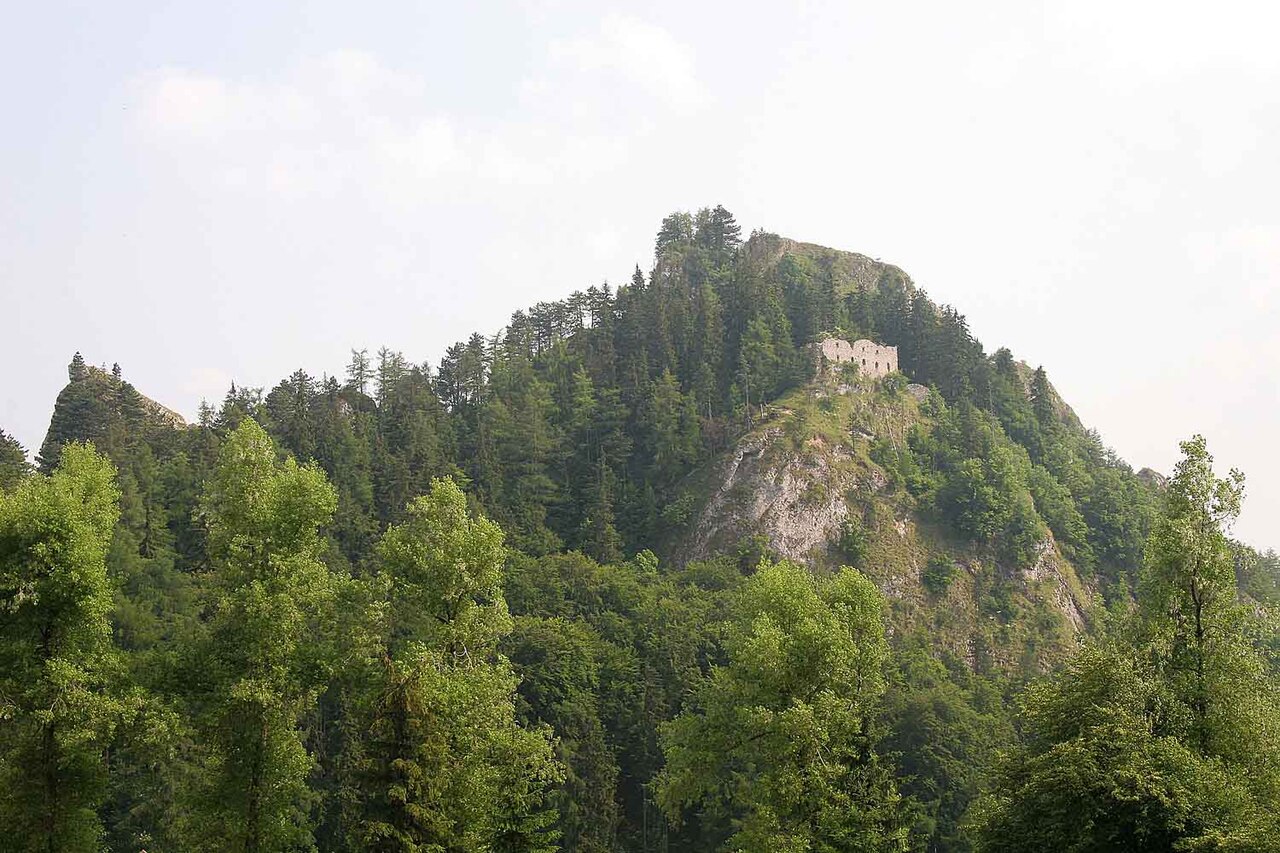
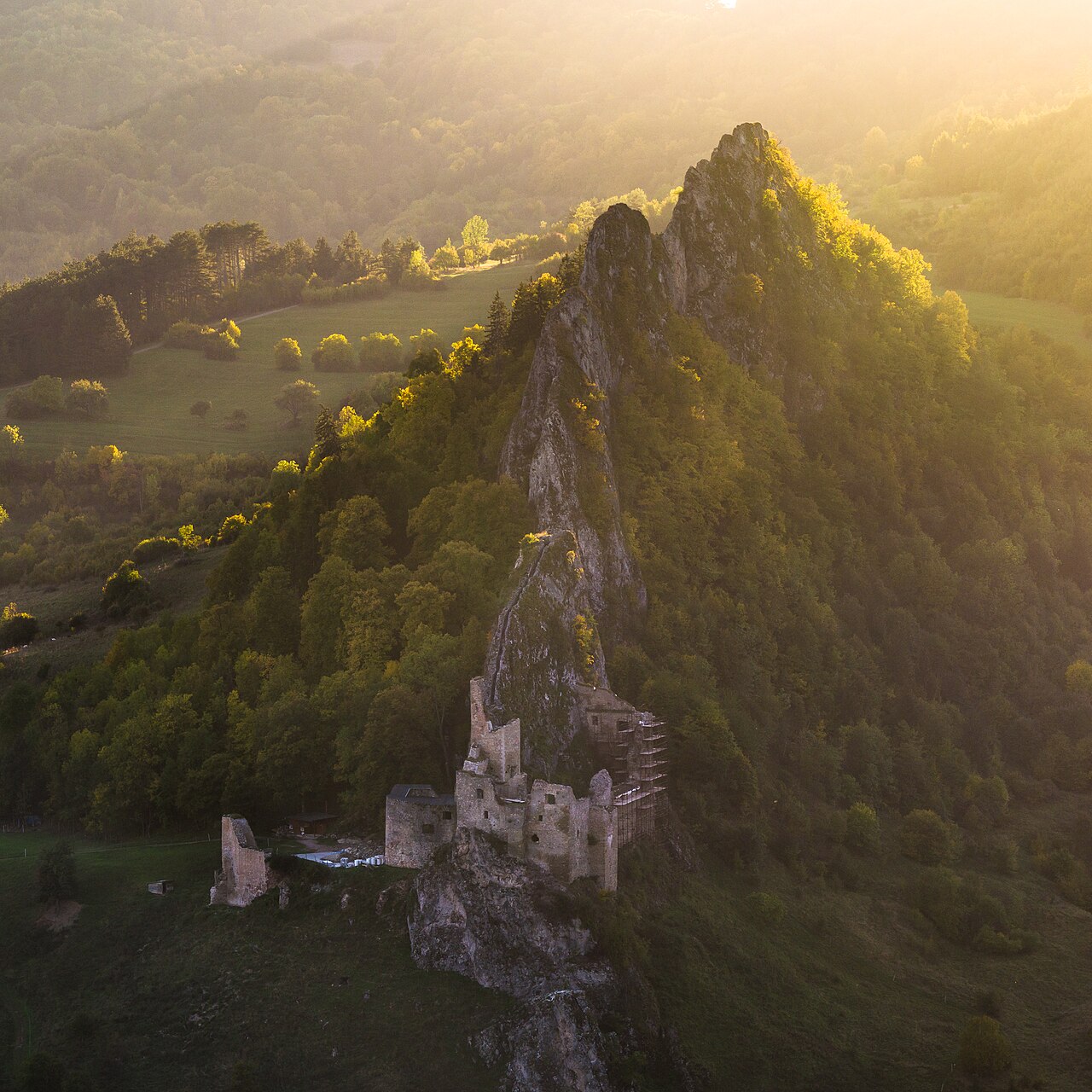
Ilava castle is a historic fortress situated in the town of Ilava, Slovakia, with origins tracing back to the turn of the 11th and 12th centuries. It is believed to have been founded by the Knights Templar, a medieval Christian military order, which marks the castle as a site of significant historical and military importance. The castle's earliest documented mention dates from 1446, though its construction likely began around 1100, placing it firmly in the high medieval period. Originally, the castle was established as a fortified stronghold to control the surrounding region and protect trade routes.
Medieval origins and templar association
The foundation of Ilava castle by the Knights Templar reflects the strategic and religious significance of the site during the high medieval era. The Templars were known for building robust fortifications across Europe to secure their holdings and provide safe havens for pilgrims and knights. Ilava castle's location in northwestern Slovakia would have been vital for controlling regional movement and asserting military presence. Architectural elements from this period likely included thick defensive walls, a central keep, and limited residential quarters designed primarily for defense and military use.
Transformation into a monastery
Following its initial military function, Ilava castle underwent a significant transformation when it served as a monastery. This change of use indicates a shift from purely martial purposes to religious and communal functions. Monastic occupation would have introduced new architectural features such as chapels, cloisters, and living quarters adapted for monks. The castle's robust structure would have provided security and isolation suitable for monastic life, while its location allowed for control over nearby lands and resources.
Later historical roles and prison use
In the centuries following the medieval period, Ilava castle's role evolved again, becoming a state prison under the administration of the Czechoslovak government. This adaptation of the castle into a prison facility demonstrates the flexibility of medieval fortresses to serve various institutional purposes over time. The prison was established in the 20th century and remains operational in a modernized form. The castle's strong walls and isolated location made it suitable for secure detention.
World war ii and concentration camp
During World War II, Ilava castle was the site of a concentration camp. This dark chapter in the castle's history reflects the turbulent events of the 20th century in Central Europe. The use of such historic fortifications for wartime imprisonment and persecution is a grim reminder of the castle's continued strategic importance but also its association with human suffering during the war.
Architectural features and preservation
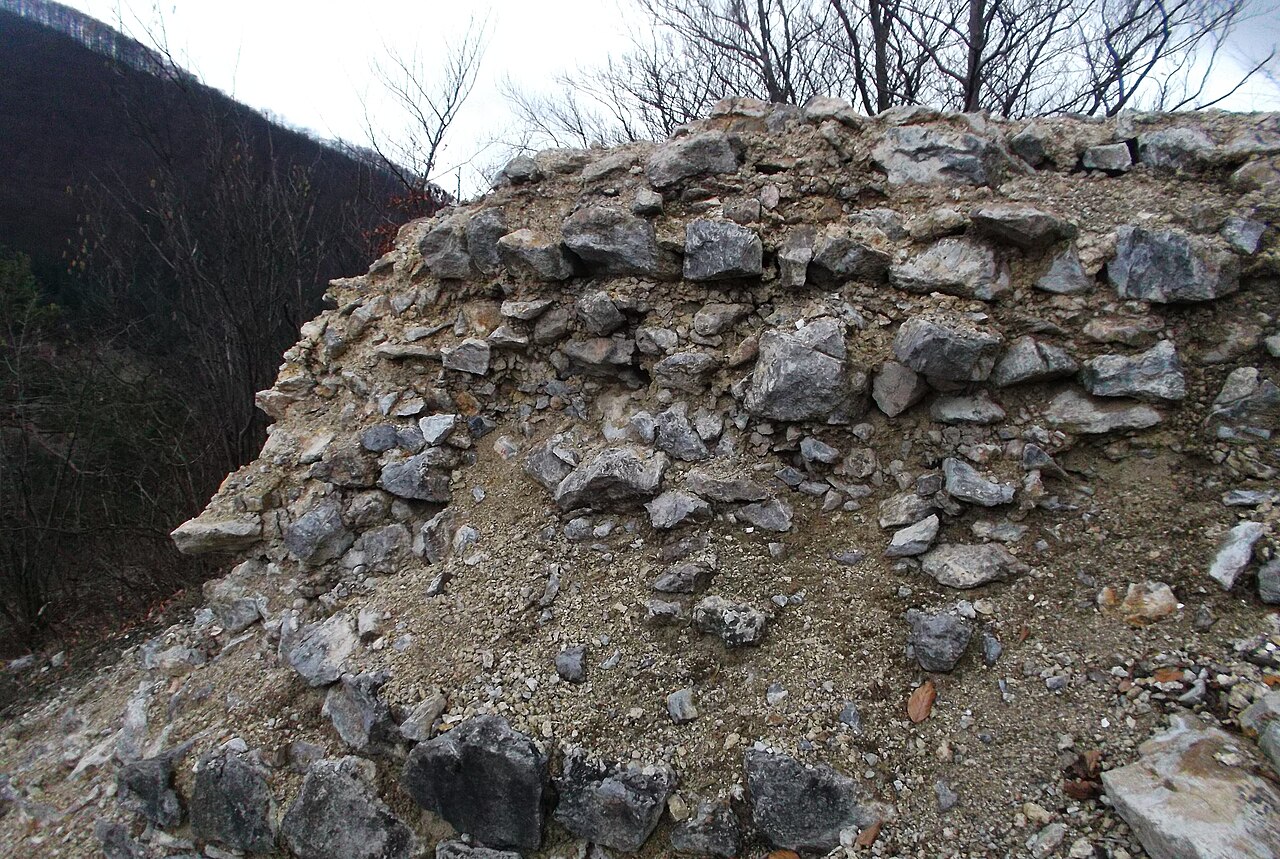
The castle's architecture reflects its complex history, with layers from its high medieval origins through later modifications for monastic and prison use. The original medieval fortress likely featured a keep or donjon, defensive walls, and possibly a moat or other fortifications typical of the period. While extensive modifications have occurred, some medieval structural elements remain visible. The castle today stands as a partially preserved monument, with ongoing efforts to maintain its historic fabric while accommodating its current function.
Location and significance
Ilava castle is located in the Trenčín Region of Slovakia, in the town of Ilava. Its position in this region underscores its historical role in controlling important routes and territories in northwestern Slovakia. The castle is an important cultural and historical landmark, reflecting the layered history of medieval military orders, religious institutions, and modern state functions.
Visiting ilava castle
Today, Ilava castle is accessible to visitors interested in its rich history and architecture. While it functions as a prison, certain areas or tours may be available under controlled conditions. Visitors can explore the castle's exterior fortifications and learn about its varied past through local museums or guided tours in the town. The castle's connection to the Knights Templar and its role during World War II make it a site of particular interest for those studying medieval and modern European history.
Faq about ilava castle
- When was Ilava castle built? Ilava castle was founded around the year 1100, during the high medieval period.
- What was the original purpose of Ilava castle? It was likely established by the Knights Templar as a military stronghold to secure the region and trade routes.
- Did Ilava castle serve any religious functions? Yes, after its military use, it was converted into a monastery, adding religious and communal roles.
- What is the castle used for today? It currently houses a state prison, a use that began in the 20th century and continues today.
- Was Ilava castle involved in World War II? Yes, during World War II, the castle was used as a concentration camp.
- Can visitors tour Ilava castle? Access is limited due to its function as a prison, but some exterior areas and local museums provide historical insights.
Frequently asked questions (FAQ)
- How do I get to Ilava Castle?
- Ilava Castle is located in Ilava, Slovakia, and can be reached by car or public transport. If you are traveling by train, Ilava has a railway station that connects to major cities in Slovakia. Once in Ilava, the castle is a short walk from the town center.
- What is the historical significance of Ilava Castle?
- Ilava Castle dates back to the 14th century and has played a vital role in the region's history. Originally built for defense, it has witnessed various historical events, including sieges and changes in ownership. Its rich history makes it an important cultural landmark in Slovakia.
- When was Ilava Castle built?
- Ilava Castle was constructed in the late 14th century, with its foundation believed to be laid around 1370. Over the years, it has undergone several renovations and expansions, reflecting the architectural styles of different periods. The castle's enduring structure showcases its historical resilience.
- Can I visit Ilava Castle?
- Yes, Ilava Castle is open to visitors, allowing them to explore its historic grounds. Guided tours are often available, providing insights into the castle's history and architecture. It is recommended to check the official website for current visiting hours and tour availability.
- Why is Ilava Castle an architectural gem?
- Ilava Castle features a blend of Gothic and Renaissance architectural styles, showcasing the evolution of fortification design. Its robust stone walls, towers, and unique layout highlight its strategic importance in the past. The castle's architectural beauty attracts history enthusiasts and photographers alike.
- Is it possible to access Ilava Castle for those with mobility challenges?
- Access to Ilava Castle may be limited for individuals with mobility challenges due to its historical structure and terrain. However, efforts are being made to improve accessibility for all visitors. It is advisable to contact the castle administration in advance to inquire about specific accommodations.
- What are the opening hours of Ilava Castle?
- Ilava Castle typically opens to visitors from spring through autumn, with varied hours depending on the season. Generally, it is open from 10 AM to 5 PM, but it’s best to check their official website for the most accurate and up-to-date information. Special events may also affect the opening hours.
- What are the ticket prices for visiting Ilava Castle?
- Ticket prices for Ilava Castle are generally affordable, with discounts available for students and seniors. A standard adult ticket usually costs around 5 euros, while children under a certain age may enter for free. Always verify the latest prices on the official website before your visit.
- What nearby attractions can I visit while in Ilava?
- While visiting Ilava Castle, you can also explore the charming town of Ilava, which offers picturesque streets and local shops. Nearby, the beautiful Váh River provides opportunities for scenic walks and relaxation. Additionally, the surrounding countryside is perfect for hiking and enjoying nature.
Loading map...
Visitor reviews
No reviews yet. Been here? Write the first review and help other travelers!
Write the first reviewVisited this castle? Share your experience
Your review helps other travelers and adds first-hand knowledge to our encyclopedia.