Vranduk Castle
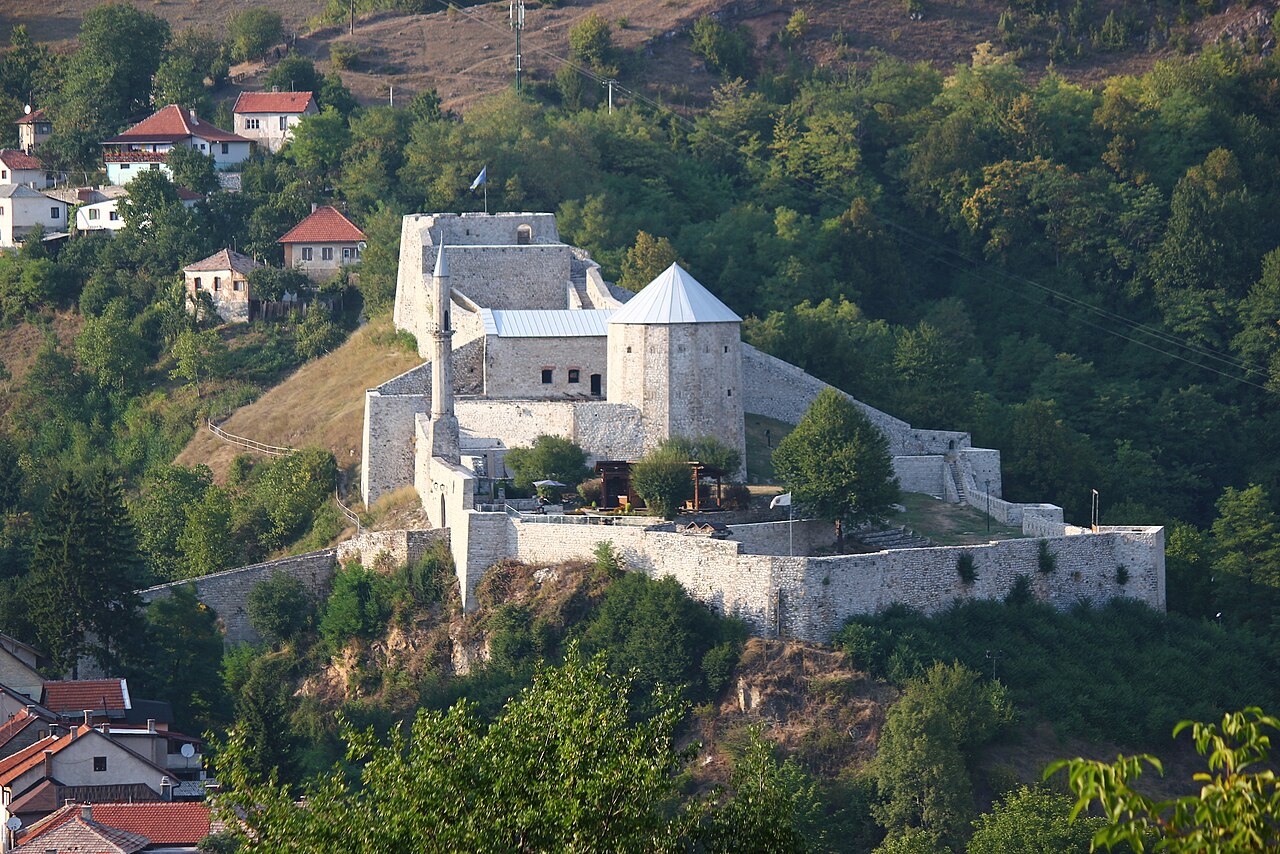
Vranduk Castle stands prominently on a sharp ridge formed by the dramatic bend of the River Bosna in a densely wooded valley. This 15th-century fortress is a quintessential example of a late medieval stronghold in Bosnia and Herzegovina, strategically positioned to oversee and control the surrounding landscape and river passage. The castle is situated within the charming village of Vranduk, which retains a coherent medieval character, reflecting its historical significance as a center of political, economic, and cultural activity during the medieval period.
Architectural features and layout
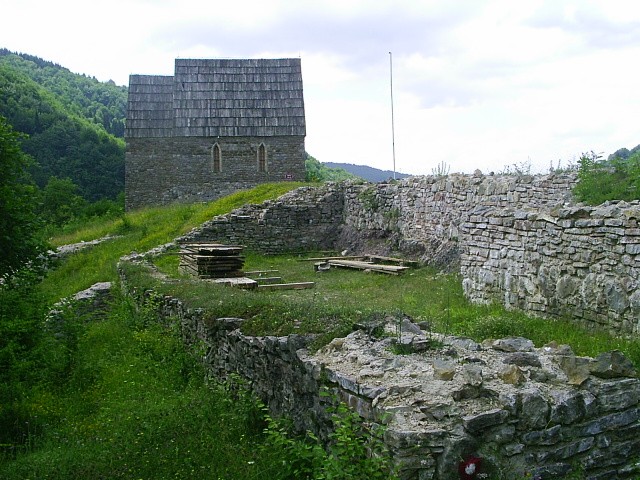
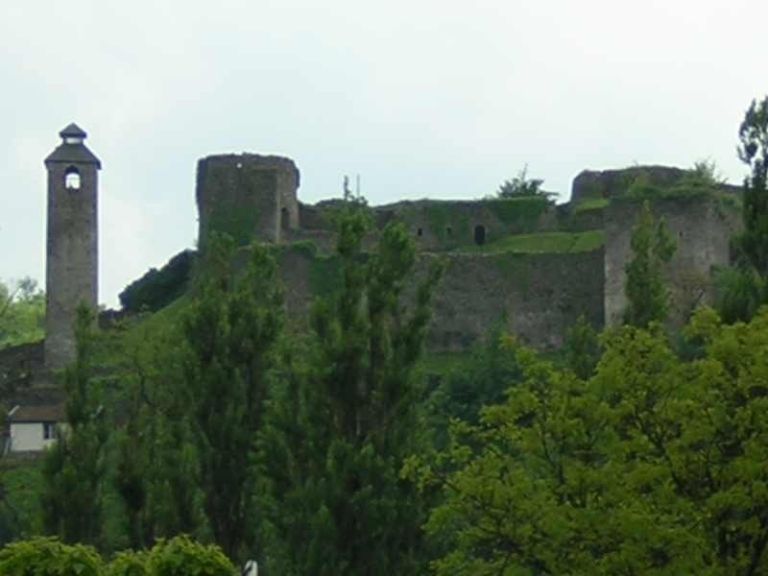
The castle complex is primarily composed of a citadel featuring a dominant main tower and encircled by robust defensive walls. The walls enclose the interior of the medieval town, providing protection and forming a fortified settlement rather than merely a military outpost. The citadel's tower served as both a lookout and a last refuge during sieges, highlighting its dual role in defense and administration.
The castle's position on a ridge created by the river's sharp turn enhances its natural defenses, making it difficult for attackers to approach undetected. The steep slopes and dense forest surrounding the site add layers of protection, which were vital in the castle's history of resisting conquest.
Historical context and significance
Vranduk Castle was built during the 15th century, a period marked by intense political and military activity in the region. It was part of a network of fortifications that secured the Bosnian medieval state against external threats. The castle's strategic importance is underscored by its survival during the Ottoman expansion into the Balkans.
Following the Ottoman conquest of the city in the 15th century, the new rulers constructed a mosque adjacent to the citadel, symbolizing the cultural and religious transformation of the area. This addition reflects the castle's continued use and adaptation through changing regimes.
In 1697, during the military campaign led by Eugene of Savoy, Vranduk Castle was notably bypassed. The fortress was deemed too formidable to assault, allowing it to remain unconquered amidst widespread destruction. This event highlights the castle's formidable defensive capabilities and its resilience in the face of one of the era's most powerful military leaders.
Cultural heritage and modern-day experience
Today, Vranduk Castle serves as a valuable cultural and historical site. The great tower houses a museum that offers visitors insight into the castle's medieval past and its role in Bosnian history. The museum's exhibits include artifacts and displays that illuminate the daily life, military significance, and architectural features of the fortress.
The surrounding village complements the castle experience with traditional Bosnian cuisine and an authentic atmosphere that transports visitors back to the medieval period. The preservation of the castle and its integration with the village create a unique destination for those interested in history, architecture, and Bosnian culture.
Architectural style and preservation state
The castle exemplifies late medieval fortification architecture typical of the Balkans, combining functional military design with elements adapted to the local terrain. Its well-preserved defensive walls and main tower provide a clear understanding of medieval construction techniques and strategic planning.
While the castle retains much of its original structure, it also reflects modifications from the Ottoman period, such as the mosque, illustrating the layered history of the site. The current condition can be described as well preserved, allowing visitors to appreciate both its historical and architectural significance fully.
Loading map...
Visitor reviews
No reviews yet. Been here? Write the first review and help other travelers!
Write the first reviewVisited this castle? Share your experience
Your review helps other travelers and adds first-hand knowledge to our encyclopedia.