Vouni Palace
Vouni palace stands as a significant archaeological site on the island of Cyprus, embodying a fascinating blend of Persian and Greek architectural influences from the early 5th century BCE. Situated on a strategic plateau approximately 242 meters above sea level, the palace overlooks the ancient city of Soloi and served as a powerful administrative and military center during a turbulent period marked by shifting allegiances and cultural transformations.
Constructed by the king of Marion, a prominent city-kingdom in Cyprus, the palace was built shortly after the Ionian Revolt (499-493 BCE), during which Cyprus had allied against Persian rule. This period of history was pivotal as the eastern Mediterranean witnessed the contest between Persian imperial dominance and emerging Greek city-states. The palace’s initial design reflects its builder’s allegiance to the Achaemenid Persian Empire, incorporating architectural elements typical of Persian fortifications and royal residences.
Historical context and political significance
The Vouni palace was more than a royal residence; it functioned as a strategic administrative hub. Its location was chosen deliberately to monitor and exert control over the nearby city of Soloi, which was a significant urban center in ancient Cyprus. The palace played a crucial role in maintaining the Persian influence on the island, serving both political and military purposes.
Following a successful uprising against Persian control around 449 BCE, the palace underwent substantial renovations. These changes introduced Greek architectural principles, illustrating a shift in political and cultural orientation toward the Hellenic world. This transition is evident in the reorganization of the palace’s layout and the incorporation of elements such as open courtyards and more refined decorative features aligned with Greek aesthetics.
Architectural features and palace layout
The palace complex was extensive, designed to accommodate both administrative functions and residential needs. It featured large storage rooms capable of holding significant reserves of food and materials, underscoring the palace’s role as a center of resource management. The presence of well-equipped kitchens indicates that the palace supported a sizable domestic staff and hosted various official functions.
One of the palace’s most remarkable features was its sophisticated water management system. Since the plateau lacked natural freshwater sources, a large cistern was constructed in the central courtyard to collect rainwater from the roofs. This innovation ensured a reliable water supply essential for daily life and the palace’s sustainability.
Bathing facilities such as a sudatorium (steam bath) highlight the advanced hygienic and leisure practices of the time. These facilities reflect an understanding of comfort and health that was relatively rare in ancient palatial architecture, indicating the high status and cultural sophistication of the palace’s inhabitants.
Religious structures and cultic activities
The religious dimension of the palace complex was significant. At the highest point of the plateau stood a temple dedicated to Athena, serving as a spiritual focal point for the rulers and inhabitants. The temple’s elevated position symbolized Athena’s protective role over the palace and its domain.
Alongside the temple, several smaller altars were discovered, including one dedicated to Herakles. These altars suggest a diverse and active religious life within the palace precinct, with worship practices that reflected both local traditions and wider Mediterranean influences.
Archaeological discoveries and cultural significance
The Swedish Cyprus Expedition’s excavations in 1928-1929 uncovered a wealth of artifacts that illuminate the palace’s history and cultural connections. Among the finds were exquisite gold bracelets and other jewelry, highlighting the wealth and craftsmanship present at the site.
A particularly notable discovery was a concealed hoard beneath a staircase, containing over 250 silver coins and several Persian gold dareikoi. This treasure trove provides valuable evidence of the palace’s integration into the broader economic networks of the eastern Mediterranean and its rulers’ access to diverse monetary systems.
The artifacts recovered from Vouni palace are now divided between Cyprus and Sweden, with many preserved in the Mediterranean Museum in Stockholm. These collections continue to offer insights into the complex cultural interactions and political dynamics of ancient Cyprus during the early classical period.
Preservation and current state
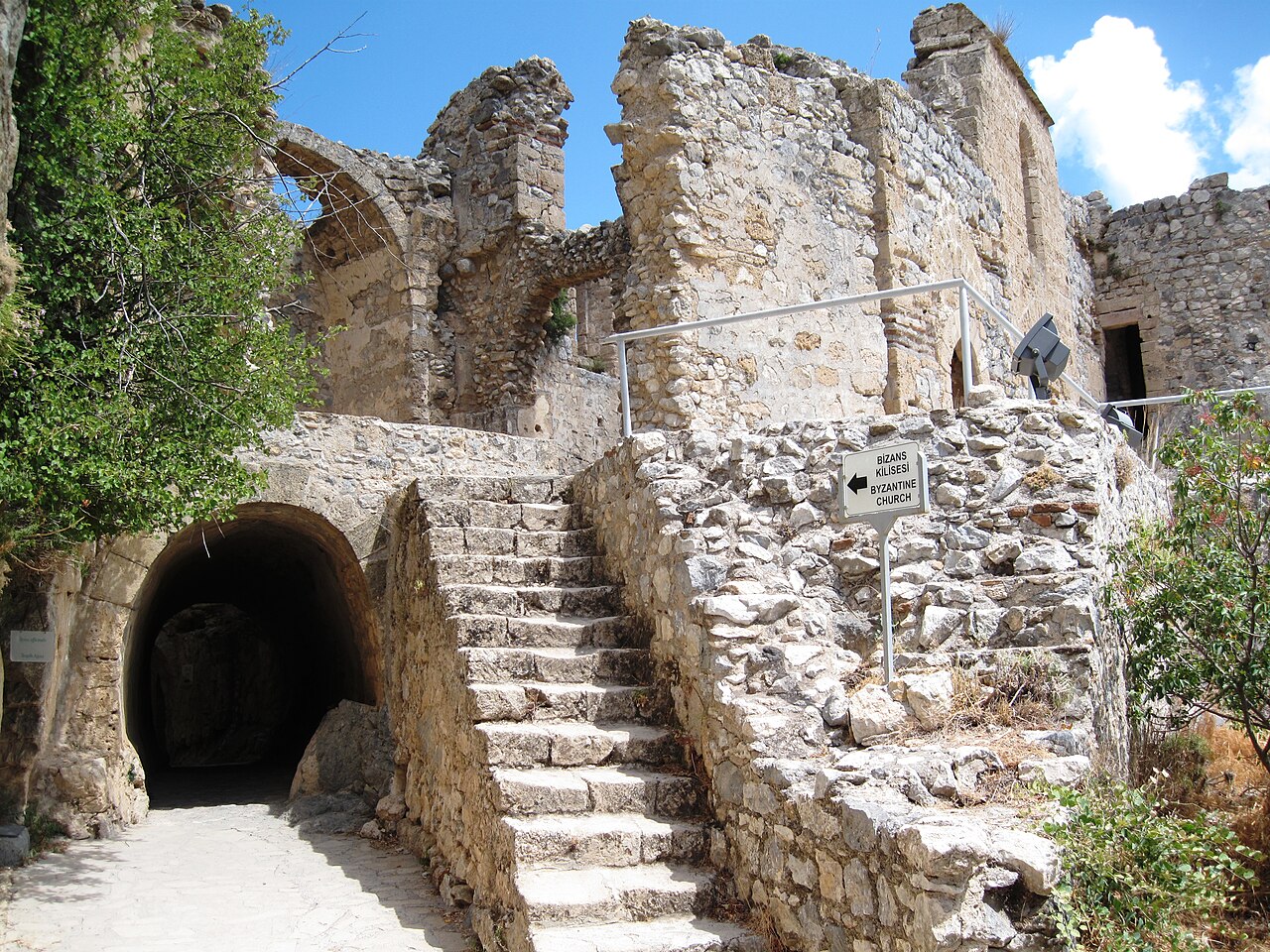
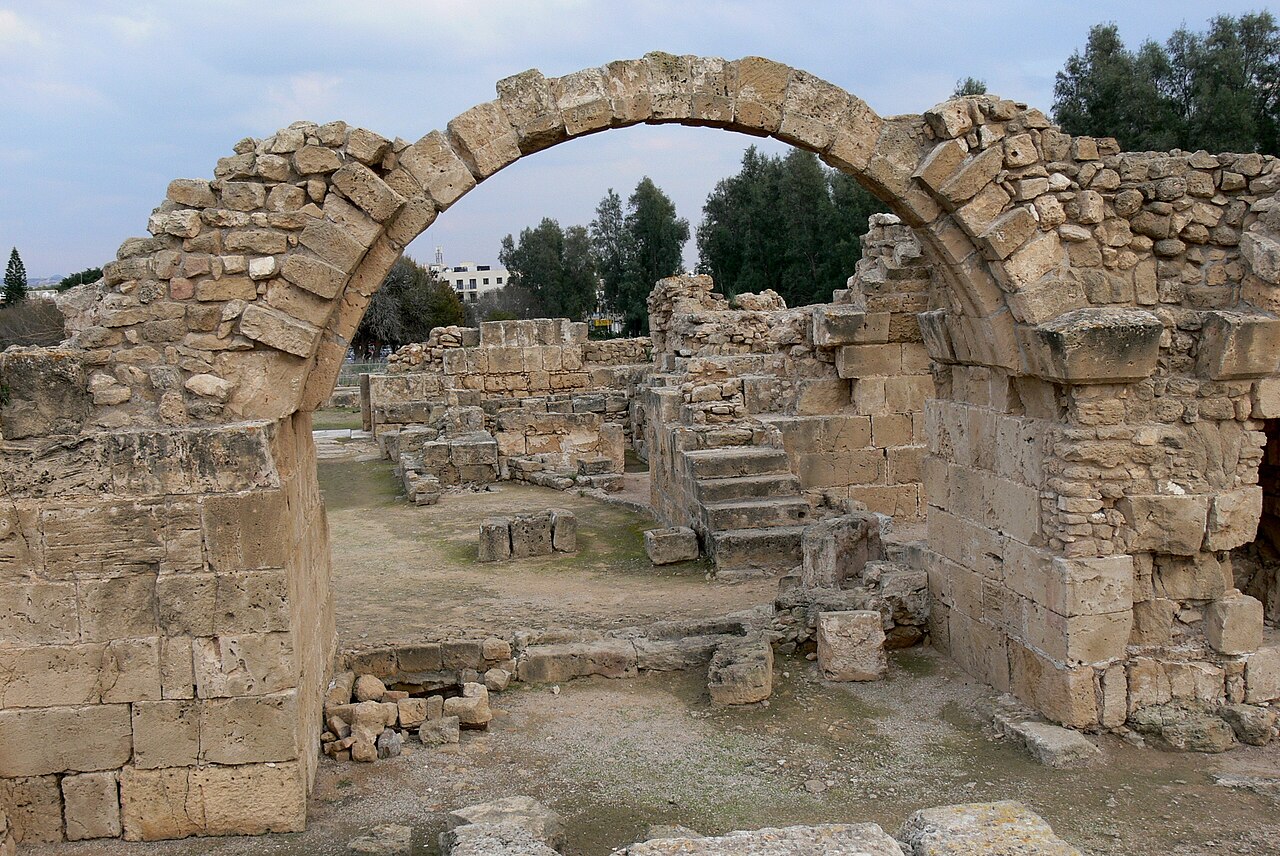
Today, the remains of Vouni palace survive as an important archaeological site that offers a tangible connection to Cyprus’s ancient past. The ruins include the foundations of the palace’s walls, the cistern, religious structures, and various domestic and administrative spaces.
The site’s condition allows visitors and scholars to appreciate the palace’s strategic location and architectural sophistication. Efforts to preserve and study the site continue to enhance understanding of its historical significance and the broader cultural landscape of ancient Cyprus.
Vouni palace remains a testament to the island’s role as a crossroads of civilizations, where Persian imperial ambitions intersected with Greek cultural resurgence, leaving a unique architectural and historical legacy.
Frequently asked questions (FAQ)
- How do I get to Vouni Palace?
- Vouni Palace is located in the Troodos Mountains of Cyprus. The best way to reach the site is by car, as public transport options are limited. There are clear signs directing you from the main roads in the area, making it accessible for visitors.
- What is the historical significance of Vouni Palace?
- Vouni Palace dates back to the 4th century BC and is believed to have served as a royal residence and administrative center during the Hellenistic period. Its strategic location offers stunning views of the surrounding landscape, making it an important site for understanding the history of ancient Cyprus.
- When was Vouni Palace discovered?
- The ruins of Vouni Palace were excavated in the mid-20th century, specifically from 1951 to 1958. The archaeological work revealed the remnants of the palace complex, showcasing the architectural and cultural influences of the time.
- Can I visit Vouni Palace year-round?
- Yes, Vouni Palace is open to visitors throughout the year. However, the best time to visit is during the spring and fall when the weather is mild, allowing for a more enjoyable exploration of the site.
- Why is Vouni Palace considered an architectural marvel?
- Vouni Palace is renowned for its impressive Hellenistic architecture, which includes a complex of rooms, courtyards, and monumental structures. The use of local stone and the integration of the palace with the natural landscape are remarkable features that highlight the engineering skills of the ancient builders.
- Is it possible to explore Vouni Palace with a guide?
- Yes, guided tours are available for those who wish to gain deeper insights into the history and significance of Vouni Palace. Local guides can provide valuable information about the archaeological findings and the architectural details of the site.
- What are the ticket prices for Vouni Palace?
- Admission to Vouni Palace is typically very affordable, with tickets priced around 2-3 euros for adults. Discounts may be available for students and senior citizens, making it an accessible destination for all visitors.
- What are the opening hours for Vouni Palace?
- Vouni Palace generally opens to visitors from 9 AM to 5 PM, but hours may vary seasonally. It is advisable to check the official website or local tourist information for the most current opening times before your visit.
- Are there any nearby attractions to visit?
- Yes, several attractions are located near Vouni Palace, including the picturesque village of Omodos and the scenic Troodos Mountains. Visitors can also explore local wineries and traditional Cypriot tavernas in the surrounding area, making for a delightful day trip.
Information
Loading map...
Visitor reviews
No reviews yet. Been here? Write the first review and help other travelers!
Write the first reviewVisited this castle? Share your experience
Your review helps other travelers and adds first-hand knowledge to our encyclopedia.