Vologda Kremlin
The Vologda Kremlin is a significant bastioned fortress located in the city of Vologda, in the Russian Federation. Constructed in the 16th century, it represents an important example of Renaissance military architecture adapted to the Russian context. The fortress was built as a strategic stronghold to protect the northern approaches to Moscow and to secure the trade routes in the region.
Historical background and strategic importance
The construction of the Vologda Kremlin began in the 1560s under the reign of Ivan the Terrible. This period marked a time of expansion and consolidation of the Russian state, with a focus on fortifying its borders against external threats. Vologda’s location was crucial due to its proximity to the White Sea and its role as a gateway for trade and military movements in northern Russia.
The fortress was intended not only as a defensive structure but also as an administrative center. It housed the local government and served as a symbol of the Tsar’s authority in the region. Throughout its history, the Kremlin played a role in various military campaigns and was a base for controlling the surrounding territories.
Architectural features and design
Bastioned fortress layout
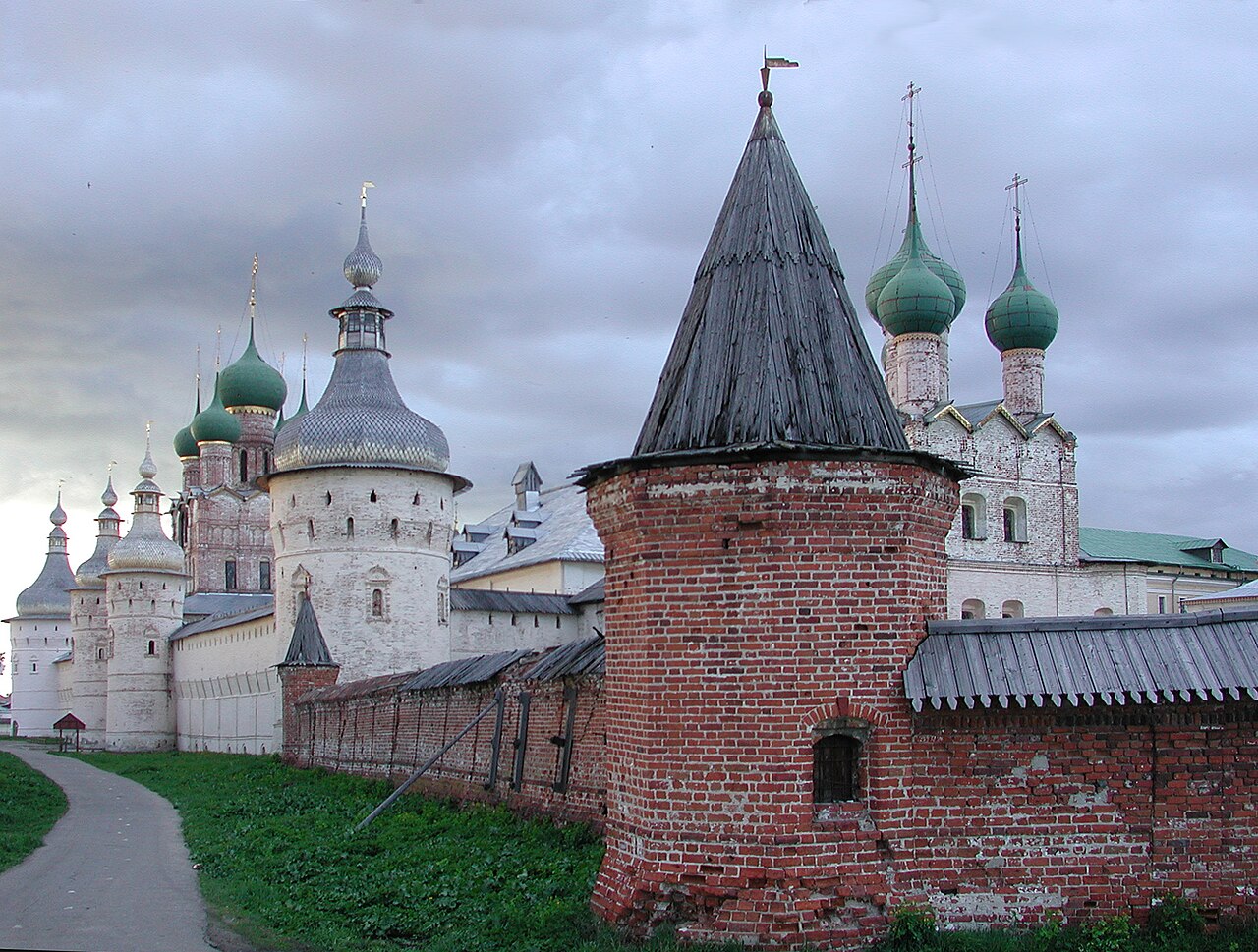
The Vologda Kremlin is characterized by its bastioned fortress design, a style that became prominent in Europe during the Renaissance and was adapted in Russia to meet local defensive needs. The fortress features thick stone walls reinforced with angular bastions at the corners, designed to provide overlapping fields of fire and to withstand artillery attacks.
The walls are punctuated by several towers and gates, which controlled access to the fortress. The bastions allowed defenders to cover the walls with cannon and musket fire, a significant advancement over earlier medieval fortifications.
Internal structures and layout
Inside the Kremlin, there are several important buildings including the Assumption Cathedral, which is a fine example of Russian ecclesiastical architecture from the period. The cathedral features traditional Russian design elements combined with Renaissance influences, such as decorative brickwork and ornamental details.
Other structures within the walls include administrative buildings, residential quarters, and storage facilities. The Kremlin’s layout reflects its dual role as a military fortress and a center of governance.
Construction techniques and materials
The fortress was constructed primarily from local limestone and brick, materials commonly used in Russian fortifications of the time. The walls were built thick to absorb artillery impact, and the bastions were carefully shaped to deflect cannonballs.
Construction employed skilled masons and craftsmen, many of whom were influenced by Italian military architects who were invited to Russia during Ivan the Terrible’s reign. This influence is evident in the fortress’s geometric bastion shapes and the integration of Renaissance defensive principles.
The Vologda Kremlin in later centuries
Over the centuries, the Vologda Kremlin experienced various modifications and restorations. While it retained its military function for several hundred years, changes in warfare and political shifts reduced its strategic importance.
In the modern era, the Kremlin has become a cultural and historical monument. It is well preserved and serves as a museum complex, attracting visitors interested in Russian history and architecture. The fortress’s walls, towers, and internal buildings provide insight into the military and administrative history of the region.
Visiting the Vologda Kremlin
Today, the Vologda Kremlin is accessible to the public and offers a range of exhibitions showcasing its history and architecture. Visitors can explore the fortress walls, towers, and the Assumption Cathedral, which remains a highlight of the site.
The Kremlin is located in the heart of Vologda city, making it easy to combine a visit with other local attractions. Guided tours are available, providing detailed historical context and architectural insights.
Frequently asked questions (FAQ)
- How do I get to Vologda Kremlin?
- You can reach Vologda Kremlin by taking public transportation or driving to Vologda city center. The Kremlin is centrally located and well-signposted, making it easy to find. If you're coming from other cities, consider taking a train or bus to Vologda.
- What is the historical significance of Vologda Kremlin?
- Vologda Kremlin, built in the 16th century, is a significant historical and architectural monument in Russia. It served as a strategic fortress and played a crucial role in the defense of the region. Today, it stands as a testament to the rich history of Vologda and its importance in Russian heritage.
- When was Vologda Kremlin constructed?
- Construction of Vologda Kremlin began in 1560 and was completed in the early 17th century. It was primarily built for defensive purposes and has since undergone several renovations. The architecture reflects the styles of the time, showcasing the evolution of Russian fortifications.
- Can I visit Vologda Kremlin year-round?
- Yes, Vologda Kremlin is open to visitors year-round; however, some areas may be restricted during winter months due to weather conditions. It's best to check the official website for any seasonal updates or specific closures. Visiting in the summer allows you to enjoy outdoor events and festivals.
- Why is Vologda Kremlin a popular tourist attraction?
- Vologda Kremlin attracts visitors due to its stunning architecture, rich history, and cultural significance. The complex offers insight into the region's past and features beautiful churches and museums. Its scenic location along the Vologda River adds to the appeal for tourists.
- Is it possible to take guided tours of Vologda Kremlin?
- Yes, guided tours are available and highly recommended for a more comprehensive understanding of the Kremlin's history and architecture. Knowledgeable guides provide fascinating insights and stories that enhance your visit. Tours can be arranged in advance or booked on-site.
- What are the opening hours for Vologda Kremlin?
- Vologda Kremlin is typically open from 10 AM to 6 PM, but hours may vary depending on the season or special events. It's advisable to check the official website or contact the visitor center for the most accurate information before your visit. Planning ahead ensures you have enough time to explore.
- What are the ticket prices for Vologda Kremlin?
- Ticket prices for Vologda Kremlin are generally affordable, with discounts available for students, seniors, and groups. Admission fees may vary for different sections of the Kremlin or special exhibitions. Always check the current pricing on the official website to avoid surprises.
- What nearby attractions should I visit while in Vologda?
- While visiting Vologda Kremlin, consider exploring the nearby Vologda State Museum of History, Architecture and Art, as well as the St. Sophia Cathedral. The city is also known for its charming streets, local cafes, and traditional Russian wooden architecture. These attractions provide a well-rounded experience of Vologda's culture and history.
Photo gallery

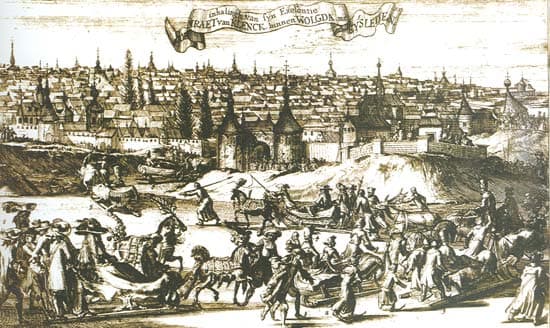
Photo by Голландская гравюра•Public domain
Information
Loading map...
Visitor reviews
No reviews yet. Been here? Write the first review and help other travelers!
Write the first reviewVisited this castle? Share your experience
Your review helps other travelers and adds first-hand knowledge to our encyclopedia.