Kremlin of Pereslavl-Zalessky
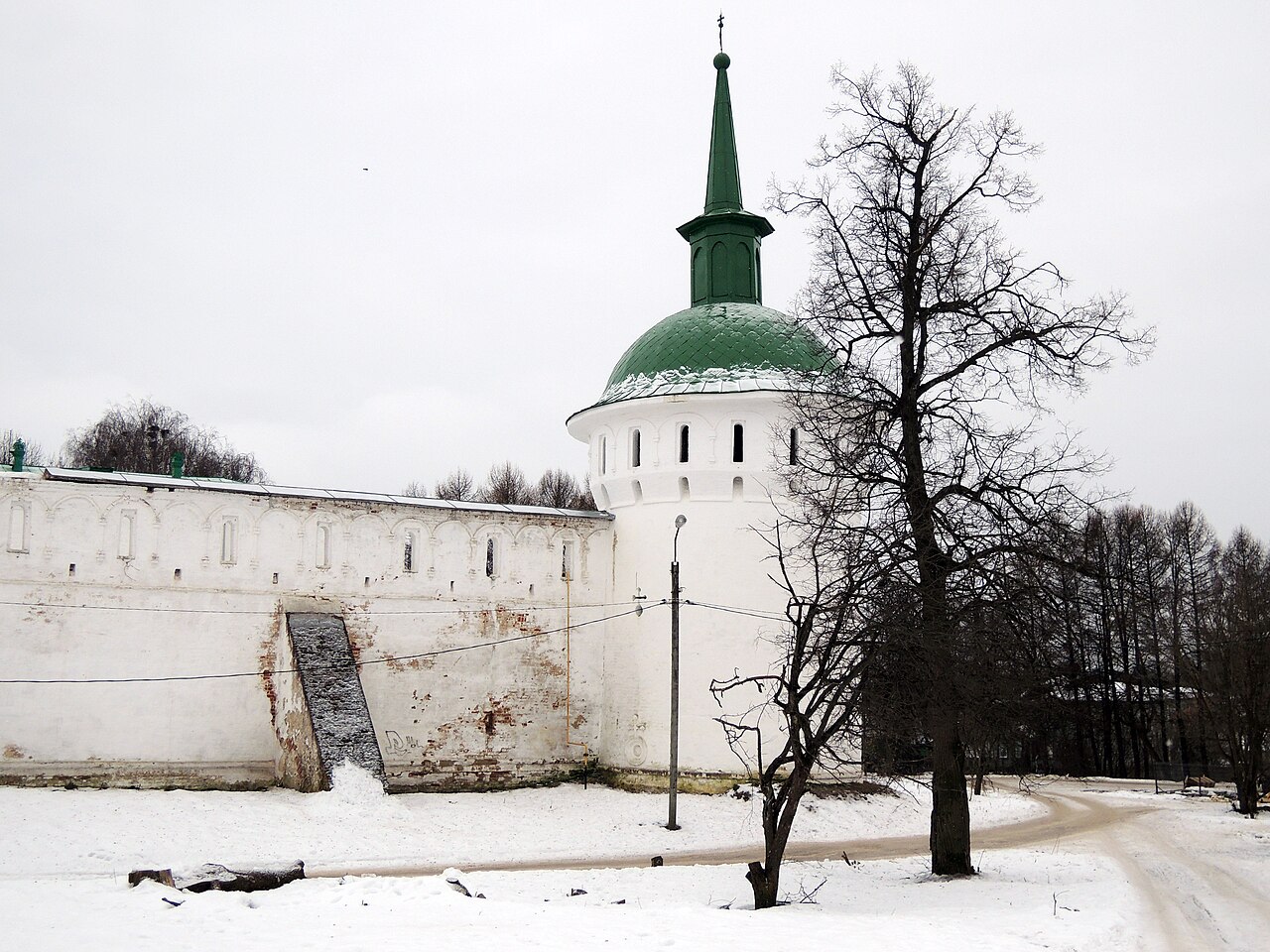
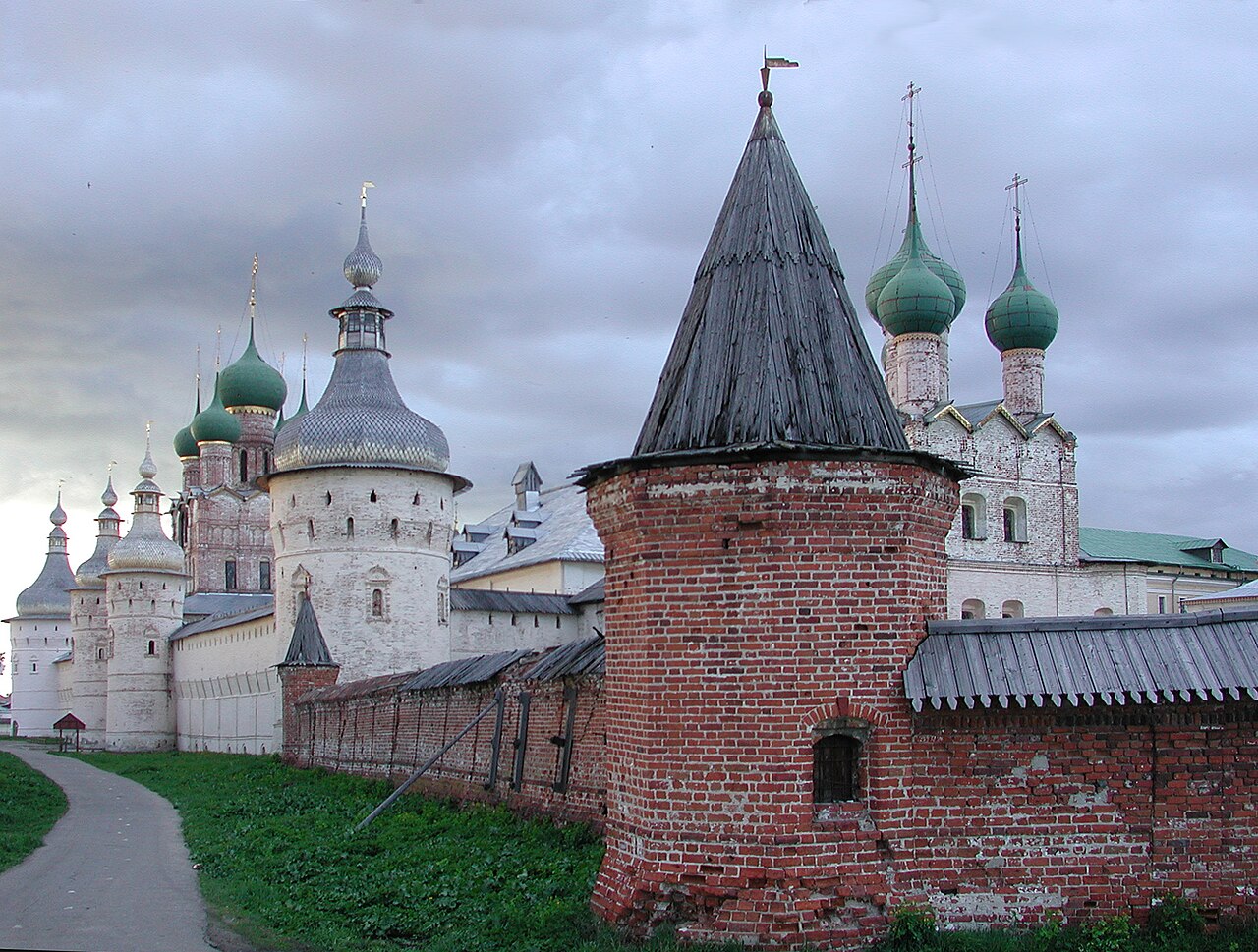
Constructed primarily during the 15th century, the Kremlin served as a key defensive stronghold in the region, protecting Pereslavl-Zalessky from invasions and raids. The fortress walls are characterized by robust bastions and towers, designed to provide overlapping fields of fire and enhanced protection against artillery, which was becoming increasingly important in the late medieval period. The Kremlin's layout includes thick stone walls, fortified gates, and strategic lookout points that exemplify the evolution of Russian military architecture during the transition from medieval to early modern fortifications.
Historical context and significance
Pereslavl-Zalessky was founded in the 12th century and quickly became an important political and military center in northeastern Rus'. The Kremlin itself was built later to fortify the town against growing threats from neighboring principalities and foreign invaders. Throughout its history, the fortress witnessed numerous conflicts, including skirmishes during the Mongol invasions and later regional power struggles.
The fortress not only served military purposes but also functioned as a residence for local rulers and a center of administration. Its preservation offers insights into the defensive strategies and urban planning of medieval Russian towns.
Architectural features
Bastions and walls
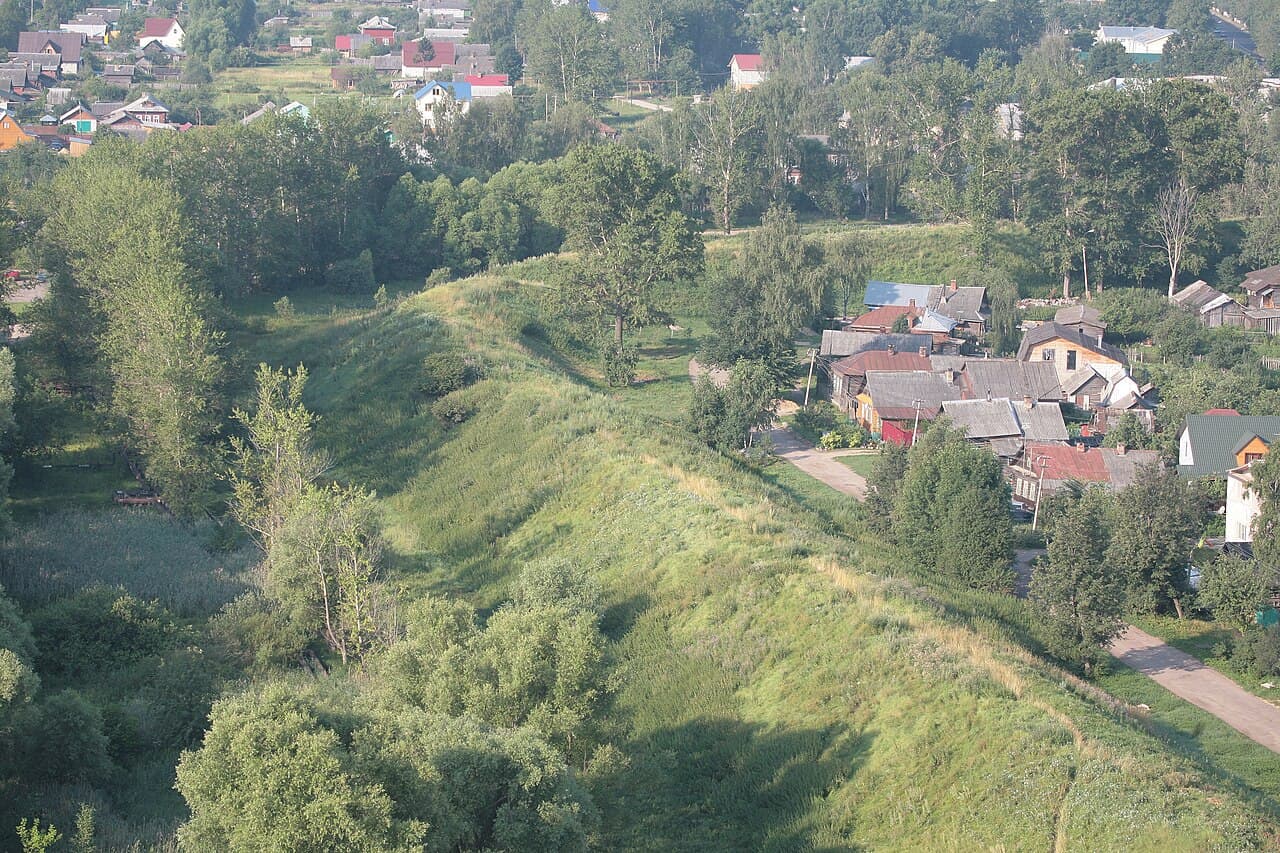
The Kremlin's most defining characteristic is its bastioned walls, which were adapted to withstand cannon fire and provide a platform for artillery defense. The bastions are angular projections that allowed defenders to cover adjacent walls with gunfire, eliminating blind spots that were common in earlier medieval fortifications.
Towers and gates
The fortress includes several towers, some of which served as watchtowers and others as defensive strongpoints. The gates were heavily fortified with portcullises and thick wooden doors reinforced with iron. These features combined to create a formidable barrier against attackers.
Preservation and current status
Today, the Kremlin of Pereslavl-Zalessky remains partially preserved, with significant portions of its walls and towers still standing. It is a protected cultural heritage site and attracts visitors interested in Russian history and medieval architecture. Efforts have been made to maintain and restore parts of the fortress to ensure its survival for future generations.
The site offers educational opportunities through guided tours and exhibits that explain the fortress's historical role and architectural details.
Visiting the kremlin
Visitors to the Kremlin of Pereslavl-Zalessky can explore the fortress grounds, walk along the surviving walls, and view the towers up close. The location within the historic town adds to the experience, with nearby museums and cultural landmarks providing additional context.
The best time to visit is during the warmer months when the weather allows for comfortable exploration of the outdoor areas. The site is accessible to tourists and offers insights into the military and political history of medieval Russia.
Frequently asked questions (FAQ)
- What is the historical significance of the Kremlin of Pereslavl-Zalessky?
- The Kremlin of Pereslavl-Zalessky is one of the oldest fortifications in Russia, dating back to the 12th century. It played a crucial role in the defense of the region and is linked to the early history of the Russian state, being associated with the reign of Prince Yuri Dolgoruky.
- When was the Kremlin of Pereslavl-Zalessky constructed?
- The construction of the Kremlin began in 1152, making it a significant architectural landmark in Russian history. Over the centuries, it has undergone various modifications, reflecting the evolving military and cultural needs of the region.
- Can I visit the Kremlin of Pereslavl-Zalessky?
- Yes, the Kremlin is open to visitors year-round, allowing you to explore its historical grounds and enjoy the picturesque views. Guided tours are also available, providing insights into its rich history and architectural features.
- What are the opening hours for the Kremlin?
- The Kremlin is typically open from 10 AM to 6 PM, with extended hours during the peak tourist season. It’s advisable to check the official website for any changes in hours or special events before your visit.
- Is it possible to access the Kremlin with a disability?
- The Kremlin of Pereslavl-Zalessky is working towards improving accessibility for all visitors. While some areas may present challenges, staff are available to assist, and certain paths are designed to accommodate guests with mobility issues.
- What is the best time to visit the Kremlin?
- The best time to visit the Kremlin is during the late spring and early autumn months when the weather is mild and conducive for outdoor exploration. Special events and festivals are also often held during these seasons, enhancing your experience.
- Are there any nearby attractions to explore after visiting the Kremlin?
- Yes, after visiting the Kremlin, you can explore several nearby attractions, including the Church of the Transfiguration and Lake Pleshcheyevo. The area is rich in natural beauty and historical sites, making it perfect for a full day of exploration.
- How much do tickets to the Kremlin cost?
- Tickets to the Kremlin of Pereslavl-Zalessky are reasonably priced, with discounts available for students and seniors. Check the official website for the latest ticket prices and any special offers or group rates.
Photo gallery

Information
Loading map...
Visitor reviews
No reviews yet. Been here? Write the first review and help other travelers!
Write the first reviewVisited this castle? Share your experience
Your review helps other travelers and adds first-hand knowledge to our encyclopedia.