Kremlin of Uglich — Russia castle

Kremlin of Uglich

Kremlin of uglich
Uglich, Russia
Late Medieval (14th–15th c.)
Well Preserved
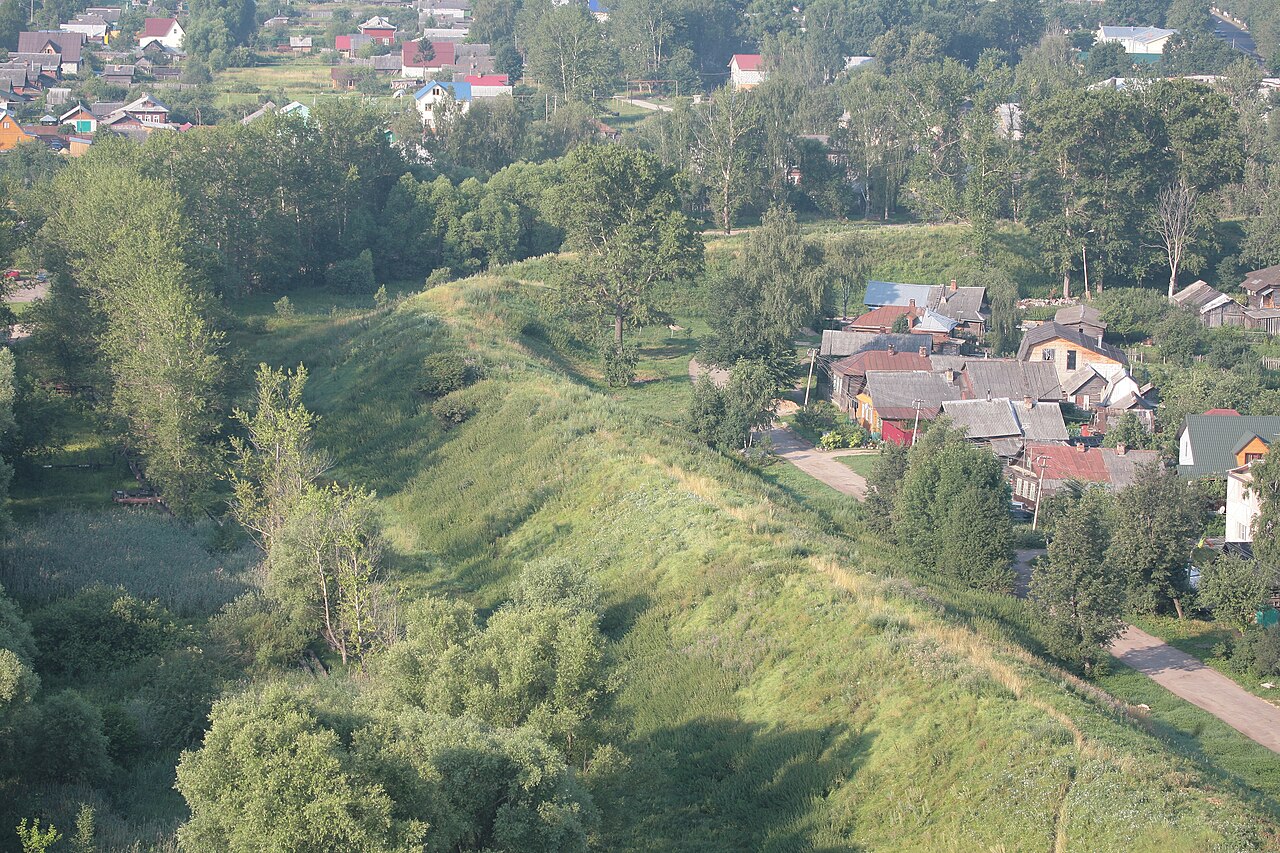
The Kremlin of Uglich is a prominent 15th-century bastioned fortress located in the historic town of Uglich in the Russian Federation. This fortress stands as a significant example of late medieval military architecture in Russia, reflecting the strategic and defensive needs of the period. Its robust stone walls, bastions, and towers were designed to withstand sieges and protect the town from invasions.

Historical background and significance

Constructed primarily in the 15th century, the Kremlin of Uglich was part of a broader network of fortifications established to defend the northeastern frontiers of the Muscovite state. Uglich itself has a rich history dating back to the medieval era, serving as an important political and religious center. The Kremlin's walls enclosed the administrative and religious buildings, including churches and princely residences.

The fortress played a crucial role during various conflicts in Russian history, including internal power struggles and external threats. Its strategic location on the banks of the Volga River allowed control over river traffic and trade routes, enhancing its military and economic importance.

Architectural features and layout

The Kremlin's design incorporates bastioned fortifications, which were innovative for their time in Russia. The thick stone curtain walls are punctuated by multiple bastions—projecting angular structures that allowed defenders to cover adjacent walls with gunfire. This design was a response to the increasing use of artillery in warfare during the late medieval period.

The fortress includes several towers of varying shapes and sizes, some serving as watchtowers while others functioned as gatehouses. The main entrance was typically fortified with a gate complex featuring defensive mechanisms such as portcullises and murder holes.

Within the Kremlin's walls, there are historic churches notable for their Russian Orthodox architectural style, featuring onion domes and frescoes. The residential quarters and administrative buildings reflect the architectural styles prevalent in medieval Russia, combining functionality with ornate decoration.

Preservation and current condition

Today, the Kremlin of Uglich is well preserved and serves as a cultural and historical monument. Restoration efforts have maintained the structural integrity of the walls and towers, allowing visitors to experience the fortress much as it appeared centuries ago. The site is managed as a museum complex, offering guided tours that explain its historical context and architectural details.

The Kremlin remains a focal point of Uglich's historic center, attracting tourists interested in Russian history, medieval architecture, and religious heritage. Its location along the Volga River adds to its scenic and cultural appeal.

Visiting the kremlin of uglich

Visitors to the Kremlin of Uglich can explore the fortress grounds, including the defensive walls, towers, and the historic churches within. The site often hosts cultural events and exhibitions that highlight the region's history. Due to its historical significance and architectural features, the Kremlin is a key destination for those studying Russian fortifications and medieval urban development.

Frequently asked questions (FAQ)

How do I get to the Kremlin of Uglich?
The Kremlin of Uglich is located in the heart of Uglich, easily accessible via public transport or by car. If you are traveling from Moscow, you can take a train or a bus to Uglich, which is approximately a 3-4 hour journey.
What is the historical significance of the Kremlin of Uglich?
The Kremlin of Uglich is a vital part of Russian history, known as the site where the young Tsarevich Dmitry met his tragic end in 1591. This event marked the beginning of the Time of Troubles in Russia, making the Kremlin a symbol of political turmoil and intrigue.
When was the Kremlin of Uglich built?
The original structures of the Kremlin date back to the 15th century, with significant modifications and additions made in the following centuries. The impressive architecture reflects various historical styles, showcasing the evolution of Russian fortifications.
Can I visit the Kremlin of Uglich year-round?
Yes, the Kremlin of Uglich is open to visitors throughout the year, though certain areas may have limited accessibility during the winter months due to weather conditions. It's advisable to check ahead for any seasonal events or maintenance closures.
Why is the architecture of the Kremlin of Uglich unique?
The architecture of the Kremlin blends traditional Russian styles with influences from the Renaissance, featuring ornate towers and vibrant colors. The use of local materials and the design of the structures highlight the region's cultural heritage and artistic craftsmanship.
Is it possible to take guided tours of the Kremlin?
Yes, guided tours are available and highly recommended for a comprehensive understanding of the Kremlin's history and architecture. Knowledgeable guides can provide insights into significant events, legends, and the restoration efforts of this historic site.
What are the opening hours for the Kremlin of Uglich?
The Kremlin is typically open from 10 AM to 6 PM, with extended hours during peak tourist season. It's best to verify the current hours before your visit, as they may change due to holidays or special events.
What are the ticket prices for visiting the Kremlin of Uglich?
Ticket prices for the Kremlin of Uglich are quite reasonable, usually around 300-500 rubles for adults, with discounts available for students and children. Group rates may also be offered, making it an affordable option for families and educational trips.
What nearby attractions should I visit while in Uglich?
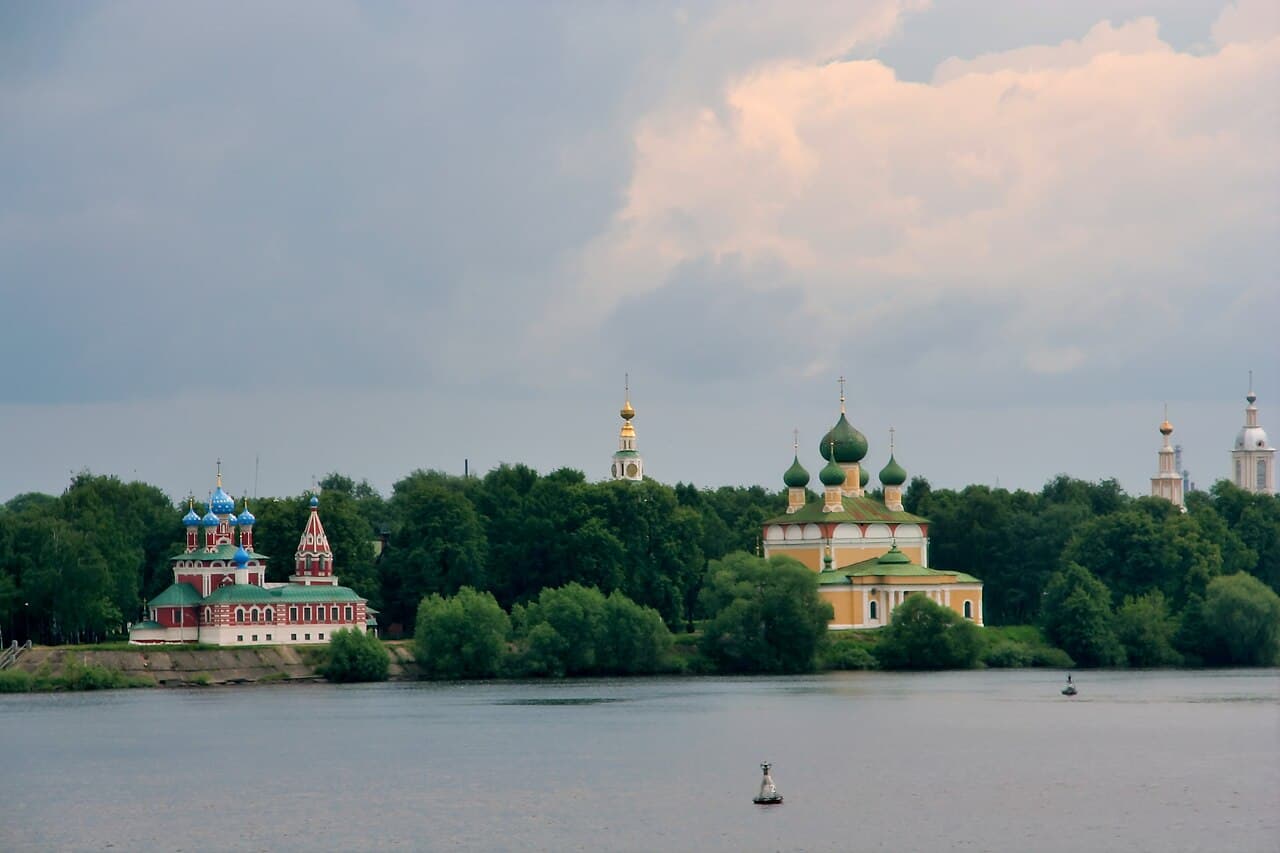
While visiting the Kremlin, be sure to explore other nearby attractions such as the Church of St. Dmitry on the Blood and the Uglich Hydroelectric Station. The picturesque Volga River also provides opportunities for scenic walks and boat tours, enhancing your experience in this historic town.

Photo gallery

Kremlin of Uglich
Click to view

Photo by User:MatthiasKabel•CC BY-SA 3.0

1 photo • Click any image to view in full screen

Information

Bastioned Fortress

Loading map...

Visitor reviews

No reviews yet. Been here? Write the first review and help other travelers!

Write the first review

Visited this castle? Share your experience

Your review helps other travelers and adds first-hand knowledge to our encyclopedia.
Write a review

(5/5)

0/2000 characters

Your review will be visible after admin approval

Nearby castles

76.2 km
Rostov kremlin — Russia castle

Rostov kremlin

Rostov, Russia

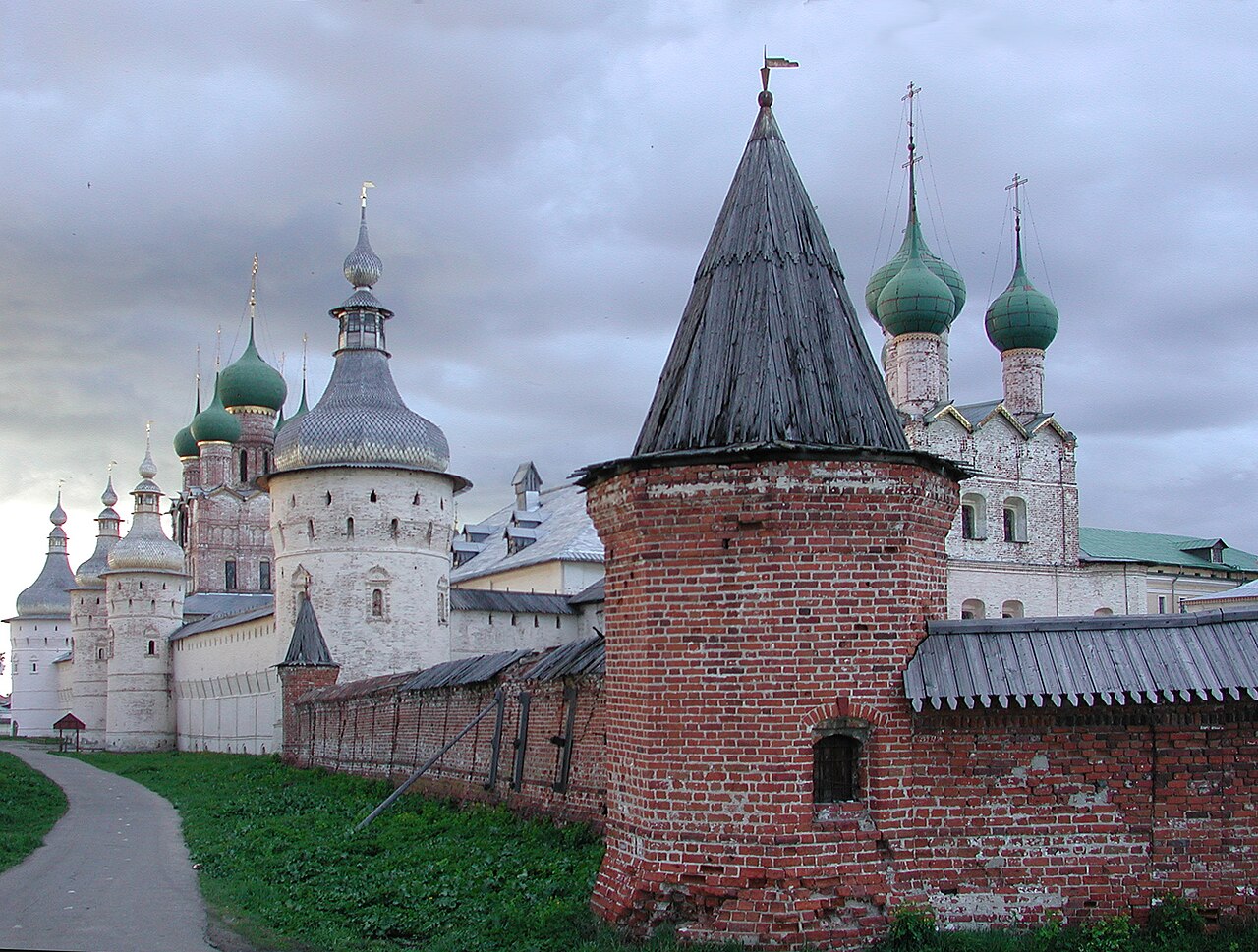
The Rostov Kremlin (Russian: Ростовский кремль) stands as a remarkable architectural ensemble in the historic town of Rostov, located in the Yaroslavl Oblast of the Russian Federation. Constructed primarily during the 16th and 17th centuries, this complex served as the residence of the Metropolitans—the leading bishops of the Rostov diocese. The Kremlin is a prime example of a bastioned fortress that blends defensive military architecture with ecclesiastical and residential functions, reflecting the dual nature of its purpose as both a religious center and a stronghold. Situated in the heart of Rostov, the Kremlin's layout is distinguished by its unified architectural plan, a rare feature in Russian fortifications of the period. This plan encompasses four main complexes: the Metropolitan's Court, the Cathedral Court, the Metropolitan Garden, and the Stable Yard. Together, these form a cohesive architectural and artistic whole that showcases the evolution of Russian fortress and ecclesiastical architecture during the Renaissance era. Historical background and significance The construction of the Rostov Kremlin began in the early 16th century, with the Rostov Assumption Cathedral (1508–1512) being the oldest and most significant building within the complex. This cathedral set the architectural tone for the other churches in the Kremlin, influencing their design and decoration. The majority of the Kremlin's buildings, however, were erected in the latter half of the 17th century, a period marked by increased architectural sophistication and artistic expression in Russia. The Rostov Kremlin was not originally built as a military fortress in the traditional sense but rather as a fortified residence for the Metropolitan bishop. Its fortifications, including thick walls and defensive towers, were designed to protect the religious leadership and the valuable ecclesiastical treasures housed within. The ensemble's construction reflects the Renaissance architectural influences that were permeating Russia at the time, combined with traditional Russian styles. Architectural features and layout The Kremlin walls and towers The Kremlin is enclosed by massive bastioned walls that provide a formidable defense. These walls are punctuated by several towers, each serving both defensive and symbolic purposes. The towers vary in design, with some featuring onion domes typical of Russian ecclesiastical architecture, while others have more utilitarian battlements. The walls and towers are constructed of brick and white stone, materials commonly used in Russian fortifications of the period. The Metropolitan's Court and residential quarters The Metropolitan's Court served as the living quarters and administrative center for the Metropolitan bishop. This complex includes residential chambers, ceremonial halls, and service buildings. The architecture here balances functionality with ornate decoration, featuring intricate brickwork and frescoes that highlight the status and importance of the occupant. The cathedral and religious buildings The Cathedral Court centers around the Rostov Assumption Cathedral, a masterpiece of early 16th-century Russian architecture. The cathedral is notable for its five-domed structure, frescoed interiors, and iconostasis. Surrounding the cathedral are several smaller churches and chapels, all adhering to the stylistic principles established by the Assumption Cathedral. Gardens and auxiliary structures The Metropolitan Garden and the Stable Yard add to the Kremlin's complexity, providing green space and facilities for horses and carriages. These areas were essential for the daily life and operations of the Metropolitan's residence, blending practicality with aesthetic considerations. Artistic and cultural importance One of the Kremlin's most valuable aspects is its preservation of 17th-century Russian monumental painting. The frescoes and decorative elements inside many buildings offer insight into the religious art and iconography of the period. The Kremlin's artistic heritage has been carefully maintained by museum specialists, allowing visitors to experience authentic examples of Russian ecclesiastical art. Since 1998, the Rostov Kremlin has been included in the tentative list of UNESCO World Heritage sites, recognizing its outstanding cultural and historical significance. It remains a symbol of Russian religious authority and architectural achievement, attracting scholars and tourists alike. Visiting the Rostov Kremlin Today, the Rostov Kremlin functions as a museum complex, open to visitors interested in Russian history, architecture, and art. Its well-preserved structures and scenic location on the shores of Lake Nero make it a popular destination. Visitors can explore the fortress walls, the cathedral interiors, and the various courts and gardens, gaining a comprehensive understanding of the site's historical context and architectural evolution. The Kremlin's status as a bastioned fortress with ecclesiastical functions offers a unique glimpse into the multifaceted nature of Russian fortifications, where defense, residence, and religious worship intertwined. This combination of features makes the Rostov Kremlin a distinctive monument in the panorama of Russian heritage sites.

Renaissance (15th–17th c.)
Details
93.8 km
Kremlin of Pereslavl-Zalessky — Russia castle

Kremlin of Pereslavl-Zalessky

Pereslavl-Zalessky, Russia

The Kremlin of Pereslavl-Zalessky is a significant historic fortress located in the town of Pereslavl-Zalessky, within the Yaroslavl Oblast region of the Russian Federation. This bastioned fortress is notable for its role in medieval Russian defense and its architectural features that reflect the military strategies of its time.Constructed primarily during the 15th century, the Kremlin served as a key defensive stronghold in the region, protecting Pereslavl-Zalessky from invasions and raids. The fortress walls are characterized by robust bastions and towers, designed to provide overlapping fields of fire and enhanced protection against artillery, which was becoming increasingly important in the late medieval period. The Kremlin's layout includes thick stone walls, fortified gates, and strategic lookout points that exemplify the evolution of Russian military architecture during the transition from medieval to early modern fortifications.Historical context and significancePereslavl-Zalessky was founded in the 12th century and quickly became an important political and military center in northeastern Rus'. The Kremlin itself was built later to fortify the town against growing threats from neighboring principalities and foreign invaders. Throughout its history, the fortress witnessed numerous conflicts, including skirmishes during the Mongol invasions and later regional power struggles.The fortress not only served military purposes but also functioned as a residence for local rulers and a center of administration. Its preservation offers insights into the defensive strategies and urban planning of medieval Russian towns.Architectural featuresBastions and wallsThe Kremlin's most defining characteristic is its bastioned walls, which were adapted to withstand cannon fire and provide a platform for artillery defense. The bastions are angular projections that allowed defenders to cover adjacent walls with gunfire, eliminating blind spots that were common in earlier medieval fortifications.Towers and gatesThe fortress includes several towers, some of which served as watchtowers and others as defensive strongpoints. The gates were heavily fortified with portcullises and thick wooden doors reinforced with iron. These features combined to create a formidable barrier against attackers.Preservation and current statusToday, the Kremlin of Pereslavl-Zalessky remains partially preserved, with significant portions of its walls and towers still standing. It is a protected cultural heritage site and attracts visitors interested in Russian history and medieval architecture. Efforts have been made to maintain and restore parts of the fortress to ensure its survival for future generations.The site offers educational opportunities through guided tours and exhibits that explain the fortress's historical role and architectural details.Visiting the kremlinVisitors to the Kremlin of Pereslavl-Zalessky can explore the fortress grounds, walk along the surviving walls, and view the towers up close. The location within the historic town adds to the experience, with nearby museums and cultural landmarks providing additional context.The best time to visit is during the warmer months when the weather allows for comfortable exploration of the outdoor areas. The site is accessible to tourists and offers insights into the military and political history of medieval Russia.

Late Medieval (14th–15th c.)
Details
128.1 km
Alexandrov Kremlin — Russia castle

Alexandrov Kremlin

Alexandrov, Russia

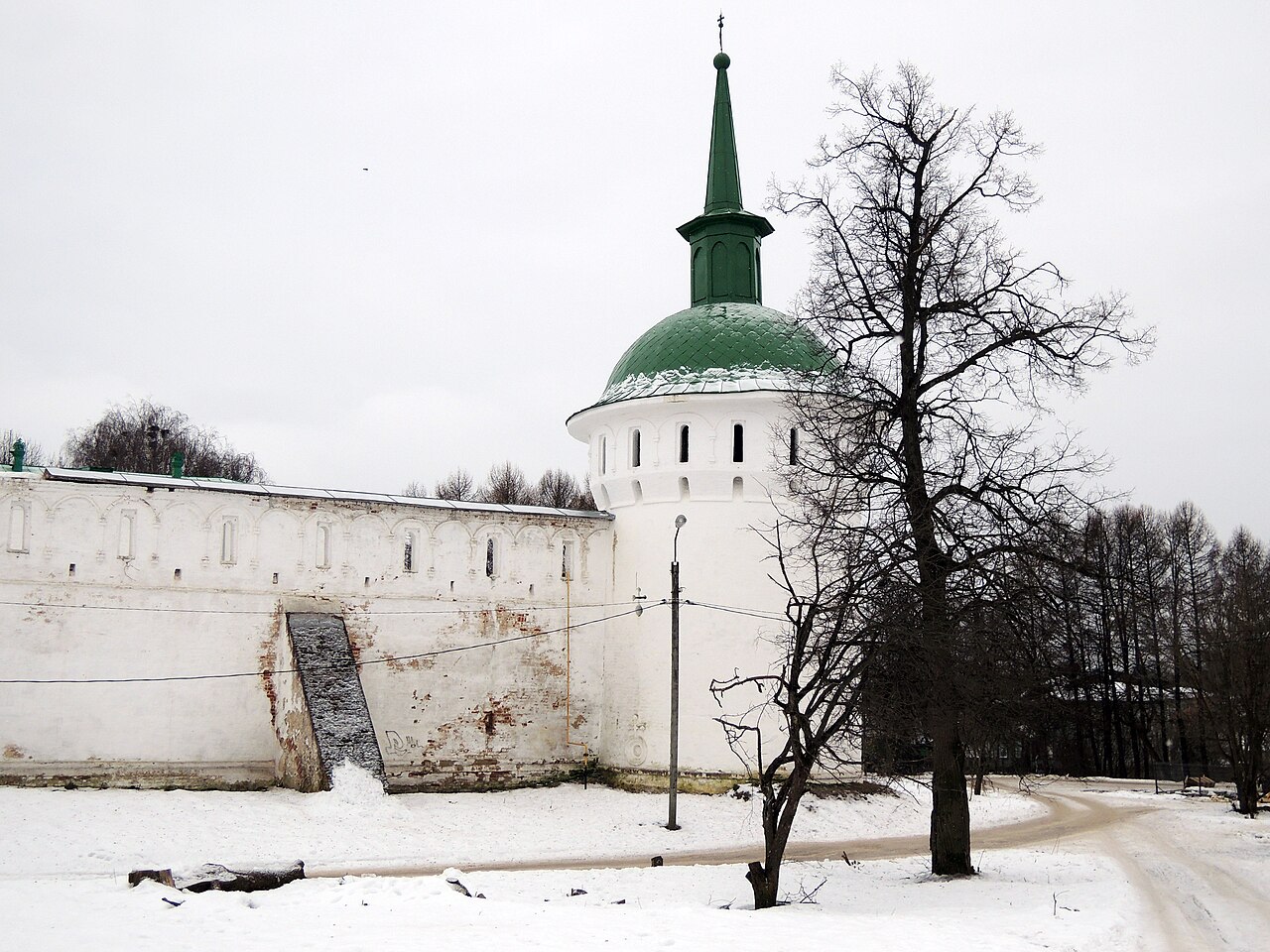
The Alexandrov Kremlin, also known as the Alexandrovskaya fortress, is a historic Russian bastioned fortress located in the town of Alexandrov within the Vladimir Oblast. Constructed in the 14th century, this fortress gained prominence in the late medieval period as a significant political and military center. It is best known for serving as the de facto capital of the oprichnina during the reign of Tsar Ivan IV (Ivan the Terrible) from 1564 to 1581. The historical role of Alexandrov Kremlin in the oprichnina The Alexandrov Kremlin became the seat of the oprichnina, a state policy and territory established by Tsar Ivan IV to consolidate his power and suppress the boyar aristocracy. During this period, the fortress functioned as a fortified residence for the tsar and his court, effectively operating as the administrative center of the oprichnina. This era marked a shift in the political landscape of the Moscow state, with the fortress symbolizing the tsar's autocratic authority. Architectural features and fortifications The fortress exhibits characteristics typical of a bastioned fortress, a style that emerged in response to the advent of gunpowder artillery. Its walls are reinforced with bastions—angular projections designed to provide defensive coverage against attackers and to mount cannons. The layout includes thick stone walls, towers, and gates that combined to create a formidable defense system. The design reflects the transition from medieval fortifications to early modern military architecture. Defensive structures The Alexandrov Kremlin was equipped with multiple bastions positioned strategically along the curtain walls to cover all approaches. These bastions allowed defenders to fire upon attackers from multiple angles, reducing blind spots. The fortress also included moats and earthen ramparts to enhance its defensive capabilities. Residential and administrative buildings Within the fortress walls, there were residential chambers for the tsar and his entourage, as well as administrative halls where state affairs were conducted. The complex likely included a palace, chapel, and various service buildings necessary to sustain the court and military garrison. Historical significance and events During its tenure as the oprichnina capital, the Alexandrov Kremlin witnessed significant historical events. It was from here that Tsar Ivan IV orchestrated his campaigns and policies that shaped the future of Russia. The fortress also served as a refuge during times of political unrest and external threats. The oprichnina period The oprichnina was a controversial and brutal policy that included the establishment of a separate territory under the tsar's direct control, enforced by the oprichniki, his personal guard. The Alexandrov Kremlin was the administrative heart of this system, symbolizing the centralization of power and the suppression of traditional nobility. Later history After the oprichnina was abolished in 1581, the fortress gradually declined in political importance but remained a symbol of Ivan IV's reign. Over the centuries, it experienced periods of neglect and restoration, reflecting the changing fortunes of the region. Location and current status The Alexandrov Kremlin is situated in the modern town of Alexandrov, within the Vladimir Oblast of the Russian Federation. It stands as a cultural heritage site, attracting visitors interested in Russian history and medieval military architecture. The fortress is partially preserved, with ongoing efforts to maintain its structural integrity and historical authenticity. Visiting information Visitors to the Alexandrov Kremlin can explore its walls, towers, and internal buildings, gaining insight into the life of the tsar and the workings of the oprichnina. The site offers guided tours and educational programs that highlight its architectural features and historical context.

Late Medieval (14th–15th c.)
Details