Vitcos
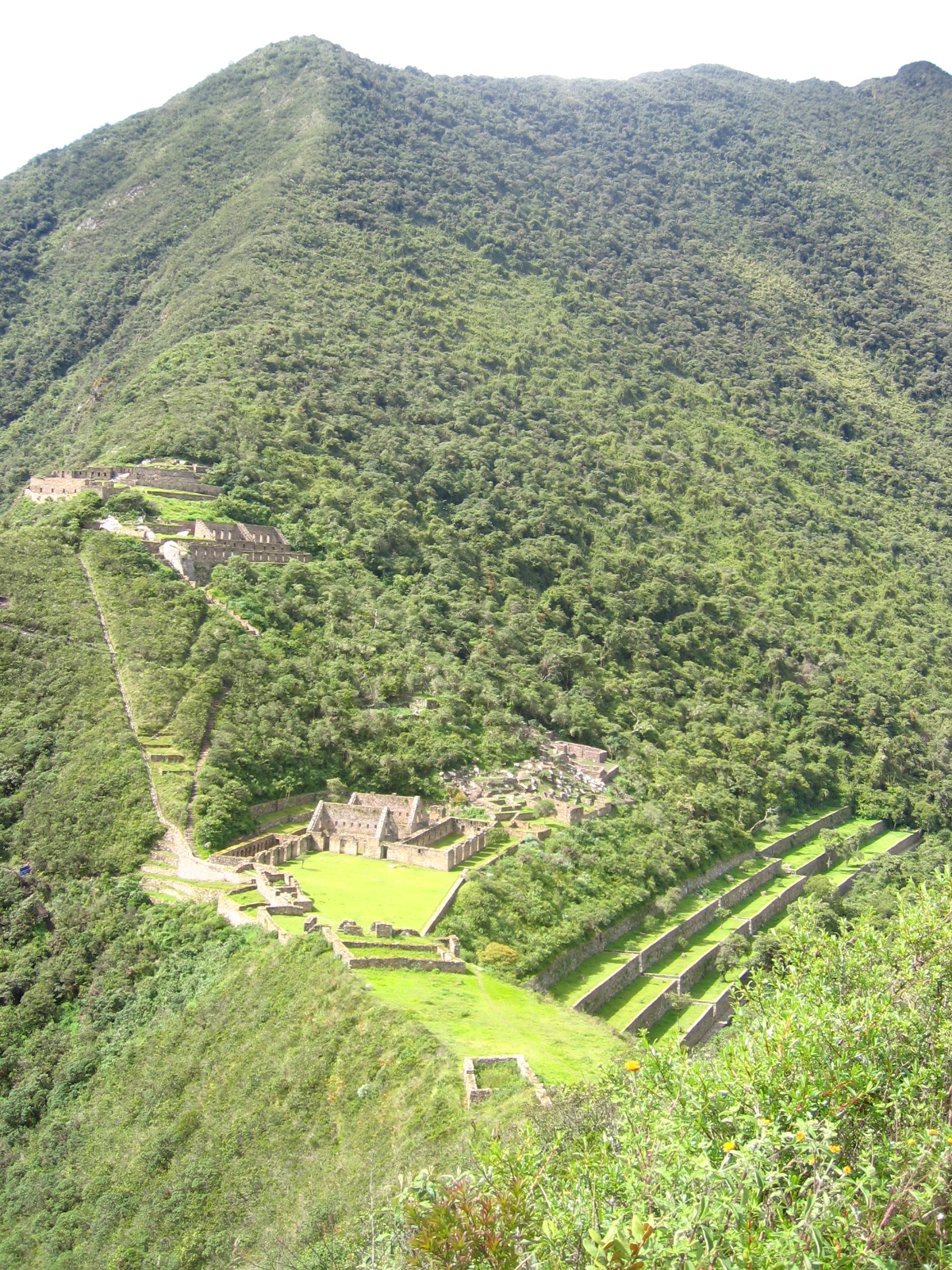
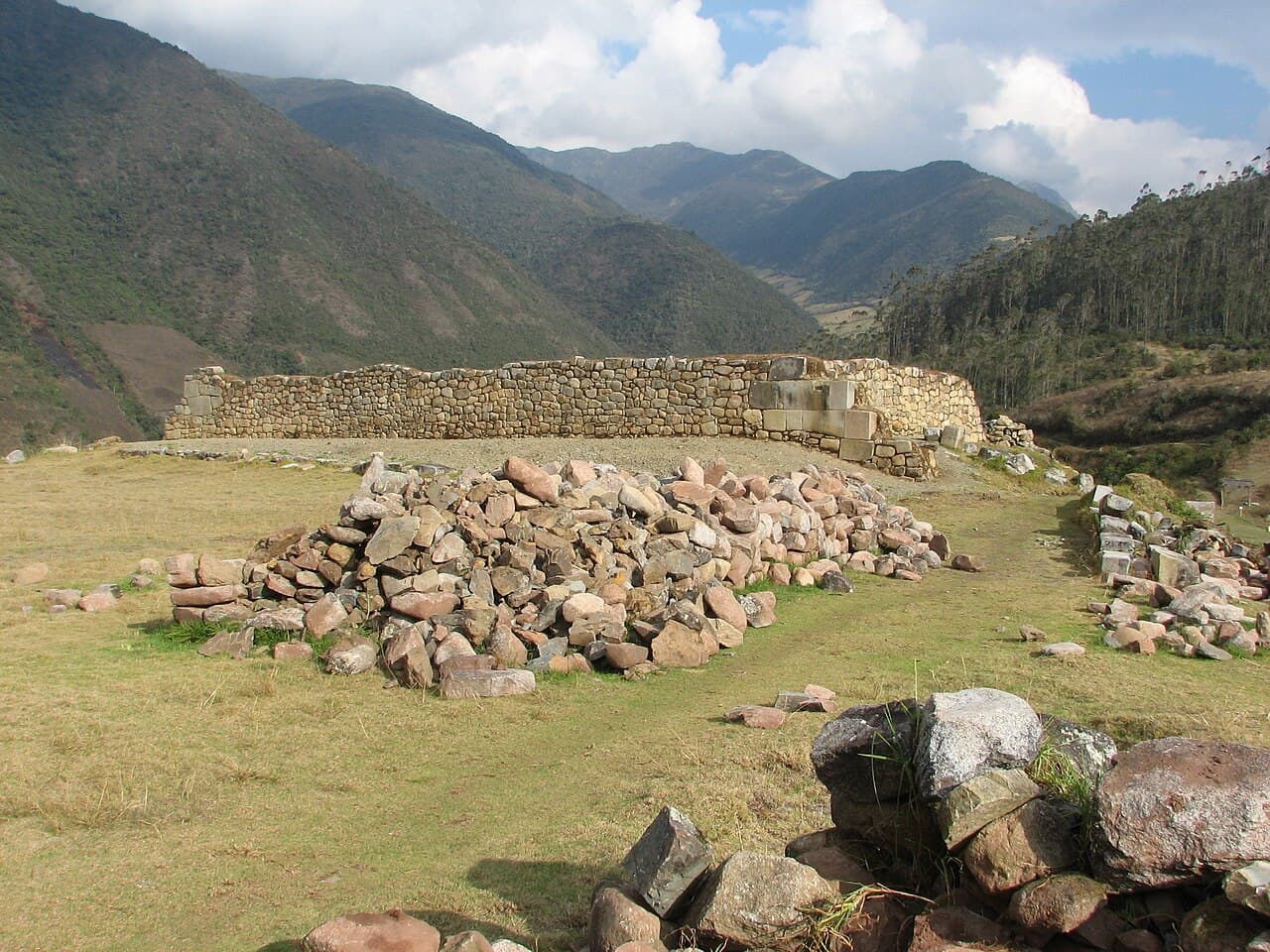
Vitcos served as a significant residence for Inca nobles and functioned as a ceremonial center during the era of the Neo-Inca State from 1537 to 1572. This archaeological site, locally known as Rosaspata or Rusaspata in Quechua, is situated in the Vilcabamba District of the La Convención Province, within the Cusco Region of Peru. Perched on a ridge, it overlooks the confluence of two small rivers and the nearby village of Pucyura, offering strategic views and natural defenses.
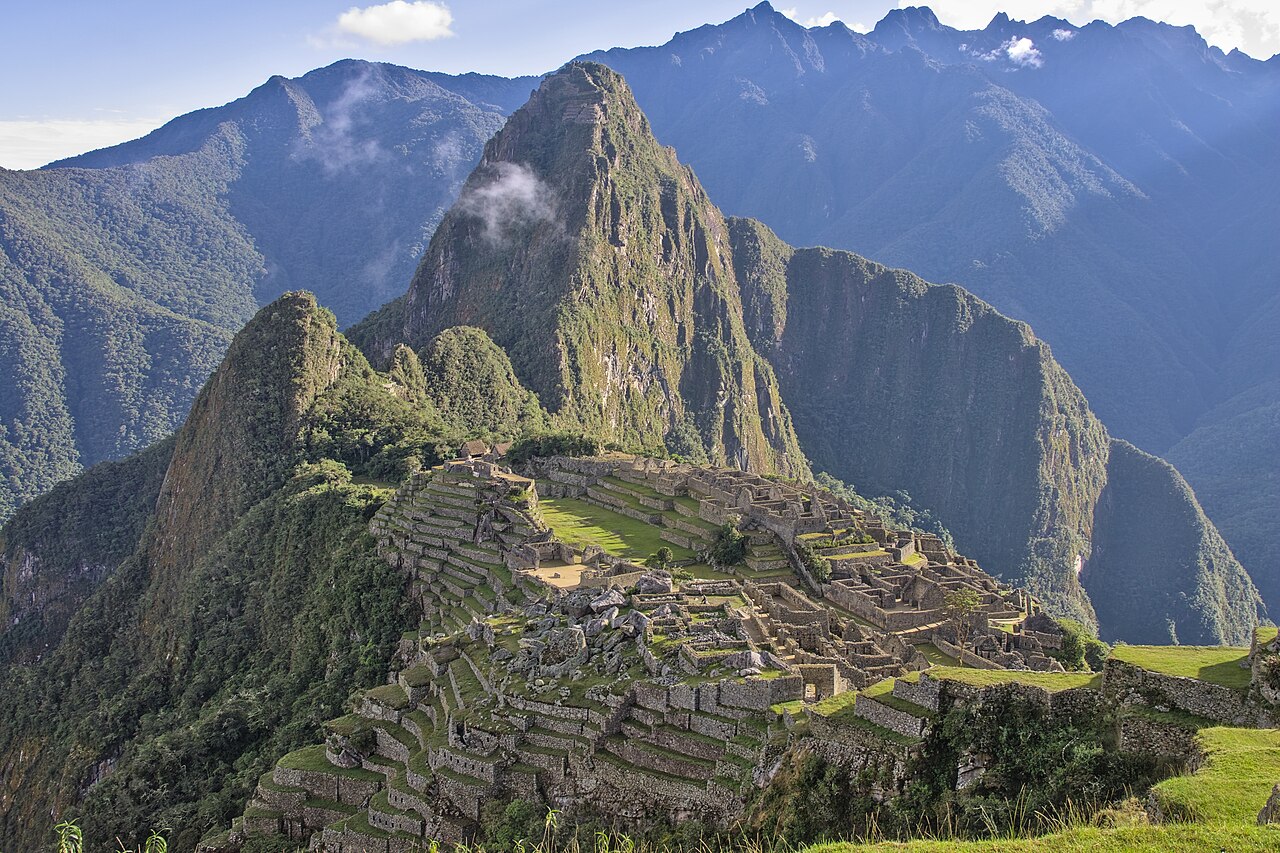
The Vilcabamba region was occupied by the Incas around AD 1450, with major centers established at Machu Picchu, Choquequirao, Vitcos, and Vilcabamba itself. Vitcos was frequently the residence of the rulers of the Neo-Inca State, which was the last bastion of Inca resistance against the Spanish conquest, lasting until 1572.
Historical context and significance
The Neo-Inca State emerged after the Spanish conquest of the Inca Empire, representing the continuation of Inca sovereignty in the remote highlands. Vitcos was a key political and ceremonial center during this period. It was one of the last strongholds where the Incas maintained their cultural and political identity before succumbing to Spanish forces.
The site was abandoned and largely forgotten after the fall of the Neo-Inca State. It was rediscovered in 1911 by the American explorer Hiram Bingham, who identified the ruins known to local Peruvians as Rosaspata as the ancient city of Vitcos. This discovery helped illuminate the final chapter of Inca resistance and the history of the Vilcabamba region.
Architectural features and layout
The ruins of Vitcos include the remains of an Inca palace, which stands out as the most prominent feature of the site. The palace complex was likely used by Inca rulers and nobility for both residential and ceremonial purposes. The architecture reflects typical Inca construction techniques, including finely cut stonework and trapezoidal doorways.
Approximately 1 kilometre (0.62 miles) south of the palace lies the ceremonial center known as Ñusta Hispana, or the "White Rock." This site contains important ceremonial structures and is closely linked to the functions of Vitcos as a religious and political hub. The presence of such a ceremonial center underscores the spiritual significance of Vitcos within the Neo-Inca State.
The location on a ridge provided natural defenses, with the site overlooking rivers and valleys below. This strategic positioning was typical for Inca sites, combining accessibility with protection.
Preservation and current status
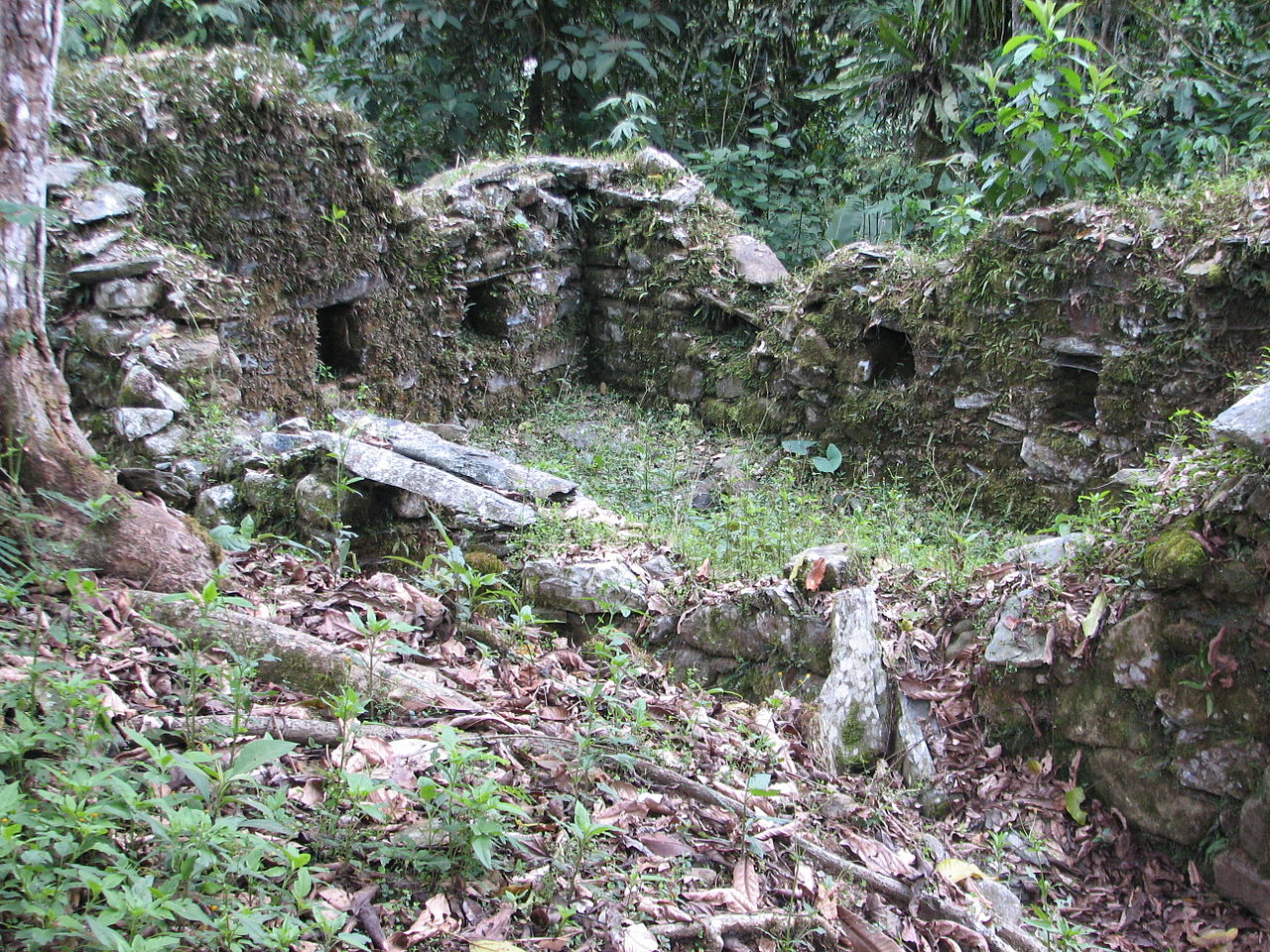
Today, Vitcos exists as archaeological ruins that provide valuable insights into the last phase of the Inca civilization. The site is classified as ruins, reflecting its condition after centuries of abandonment and exposure to natural elements. Despite this, the remains offer a clear view of Inca architectural styles and urban planning.
Vitcos is part of the broader cultural heritage of the Cusco region and contributes to understanding the Inca Empire's resilience during the Spanish conquest. It attracts researchers and visitors interested in Inca history, archaeology, and Andean cultures.
Visiting Vitcos
Access to Vitcos requires travel to the remote Vilcabamba District, which is less frequented than other Inca sites like Machu Picchu. Visitors can explore the ruins and the surrounding landscape, gaining a sense of the historical and cultural importance of the site. The proximity of the ceremonial center Ñusta Hispana adds to the experience, offering additional context on Inca religious practices.
Due to its remote location, visitors should prepare for a rugged journey and consider guided tours for a more informative visit. The site's preservation as ruins means that visitors can observe authentic Inca construction, although facilities may be limited.
Frequently asked questions (FAQ)
- When was Vitcos built and what was its purpose?
- Vitcos was built around the 15th century and served as a residence for Inca nobles and a ceremonial center during the Neo-Inca State from 1537 to 1572.
- How was Vitcos rediscovered?
- Vitcos was rediscovered in 1911 by explorer Hiram Bingham, who identified the ruins known locally as Rosaspata as the ancient Inca site of Vitcos.
- What are the main architectural features of Vitcos?
- The site features an Inca palace with finely cut stonework and trapezoidal doorways, along with the nearby ceremonial center Ñusta Hispana, known as the "White Rock."
- Is Vitcos accessible to visitors?
- Vitcos is accessible but located in a remote area of the Vilcabamba District, requiring preparation for a rugged journey. Guided tours are recommended for a comprehensive visit.
- Why is Vitcos historically significant?
- Vitcos was a key political and ceremonial center of the last Inca resistance against the Spanish, representing the Neo-Inca State's cultural and political continuity until 1572.
Photo gallery

Information
Loading map...
Visitor reviews
No reviews yet. Been here? Write the first review and help other travelers!
Write the first reviewVisited this castle? Share your experience
Your review helps other travelers and adds first-hand knowledge to our encyclopedia.