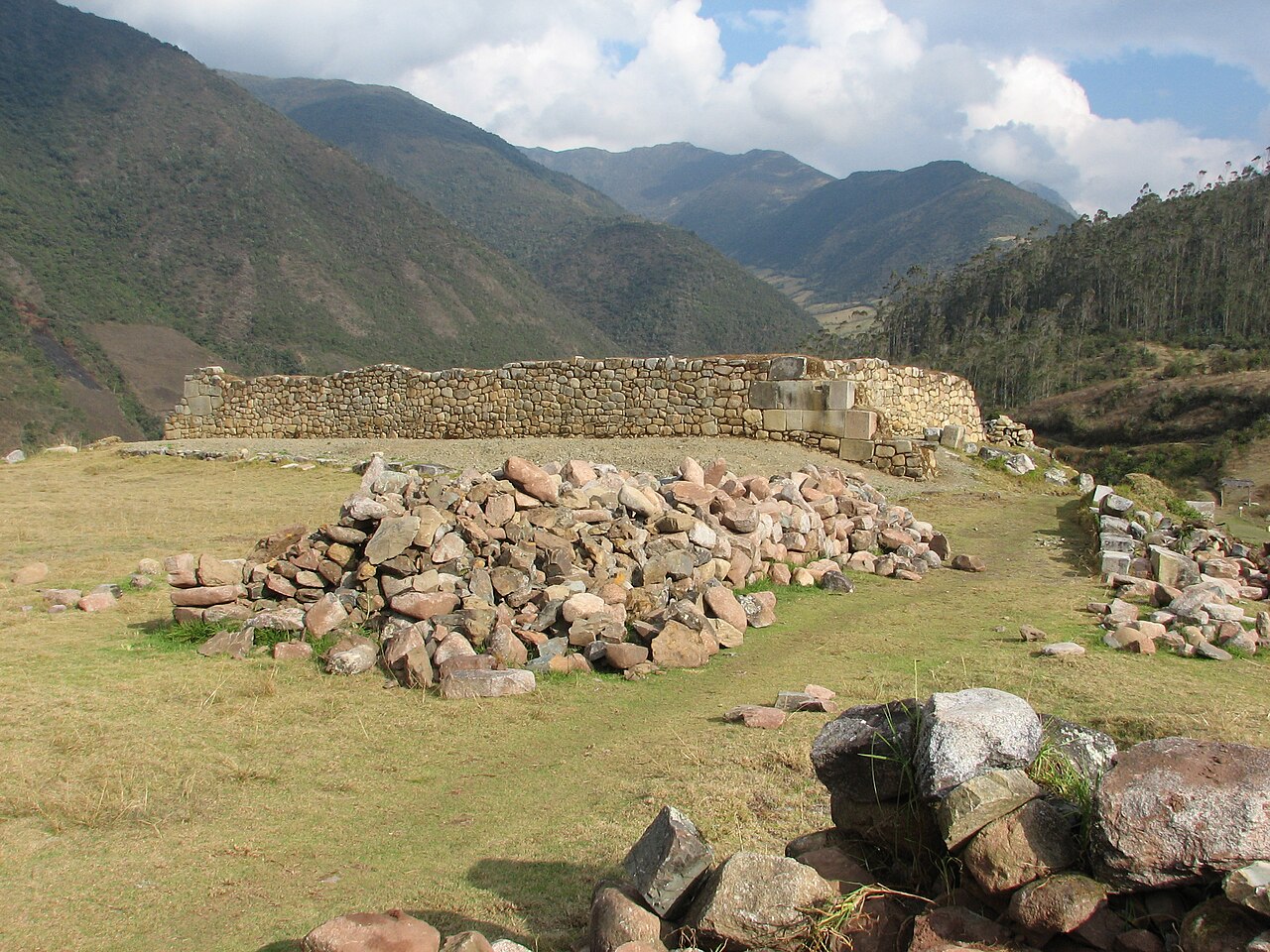
Vilcabamba, also known by its indigenous names Willkapampa in Aymara and Quechua, stands as one of the most significant archaeological sites in Peru. Often referred to as the Lost City of the Incas, Vilcabamba served as the final stronghold and capital of the Neo-Inca State from 1539 to 1572. Situated in the Echarate District of the La Convención Province, within the Cuzco Region, this site is located near the Chontabamba River, a tributary of the Urubamba River. Its name in Quechua means "sacred plain", reflecting the cultural and spiritual importance it held for the Inca people.
The ruins of Vilcabamba are commonly known today as Espíritu Pampa, or the "Plain of the Spirits." This name was given by local Peruvians and has become synonymous with the archaeological remains of the last Inca capital. The site was abandoned after the defeat of the Neo-Inca State by Spanish forces and their indigenous allies in 1572, marking the definitive end of organized Inca resistance to Spanish colonization.
Historical significance of vilcabamba
The Neo-Inca State represents the final chapter of the Inca Empire, which had been largely dismantled by Spanish conquest by the early 16th century. After the fall of Cuzco in 1533, the remaining Inca rulers retreated to Vilcabamba, where they established a refuge and continued to resist Spanish rule for over three decades. This period saw the site grow in political and cultural importance as the center of Inca governance and military strategy.
Vilcabamba was not just a military stronghold but also a ceremonial and administrative center. The Incas maintained their traditional religious practices and governance structures here, preserving aspects of their culture during a time of upheaval and conflict. The fall of Vilcabamba in 1572 to Spanish forces effectively ended the sovereignty of the Inca civilization, although indigenous resistance persisted in other forms.
Archaeological discoveries and explorations
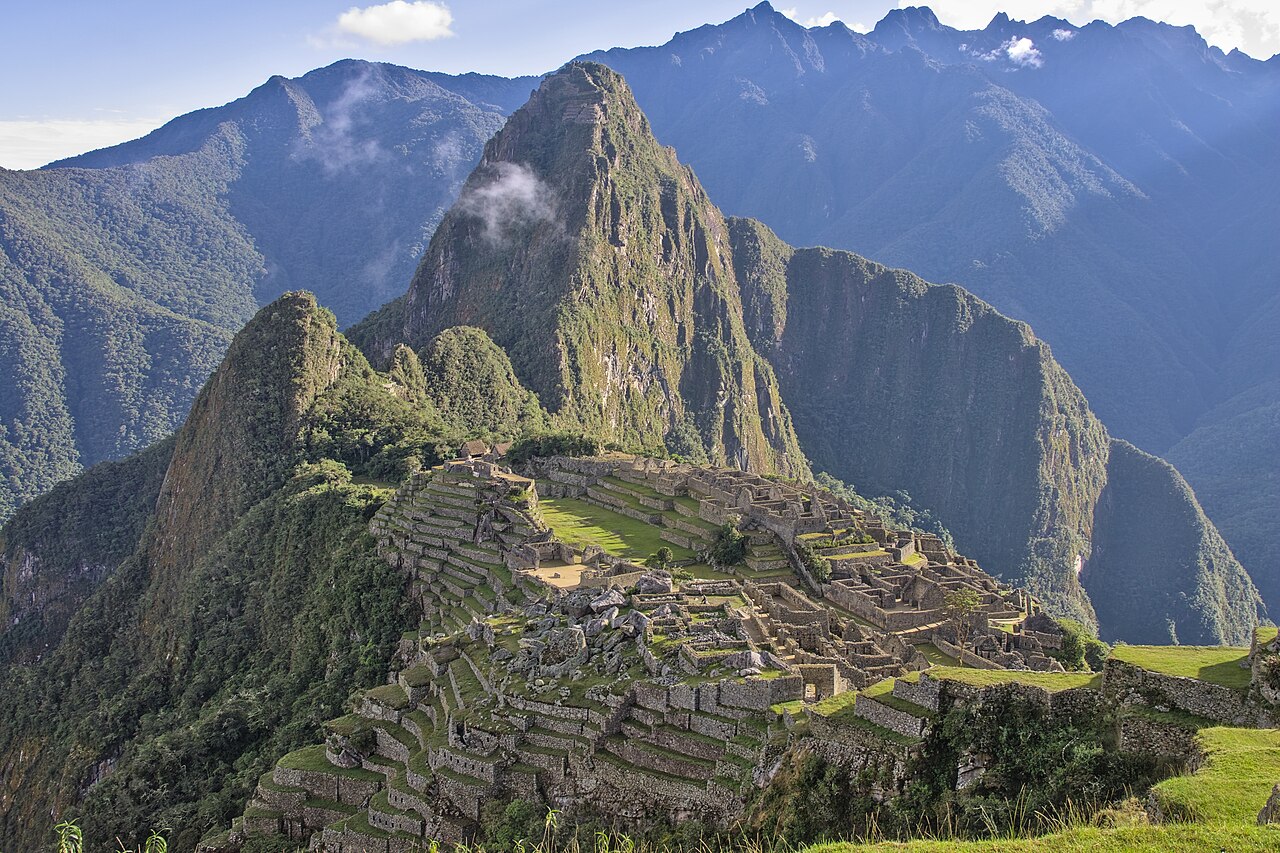
The exact location of Vilcabamba was lost for centuries after its abandonment. In 1911, the American explorer Hiram Bingham famously discovered Machu Picchu and initially believed it to be Vilcabamba. However, he also visited a site known as Espíritu Pampa, which local inhabitants identified as Vilcabamba. It was not until 1964 that Gene Savoy conclusively identified Espíritu Pampa as the true location of the lost city of Vilcabamba, a finding that has since been accepted by most archaeologists and historians.
Further archaeological work at Espíritu Pampa has revealed a complex of ruins including residential areas, ceremonial platforms, agricultural terraces, and defensive structures. In 2010, artifacts belonging to the Wari culture, dating back to around 700 AD, were uncovered at the site. This discovery extended the known history of occupation at Espíritu Pampa well before it became the Inca capital, indicating a long-standing significance of the location in pre-Inca times.
Architectural features and site layout
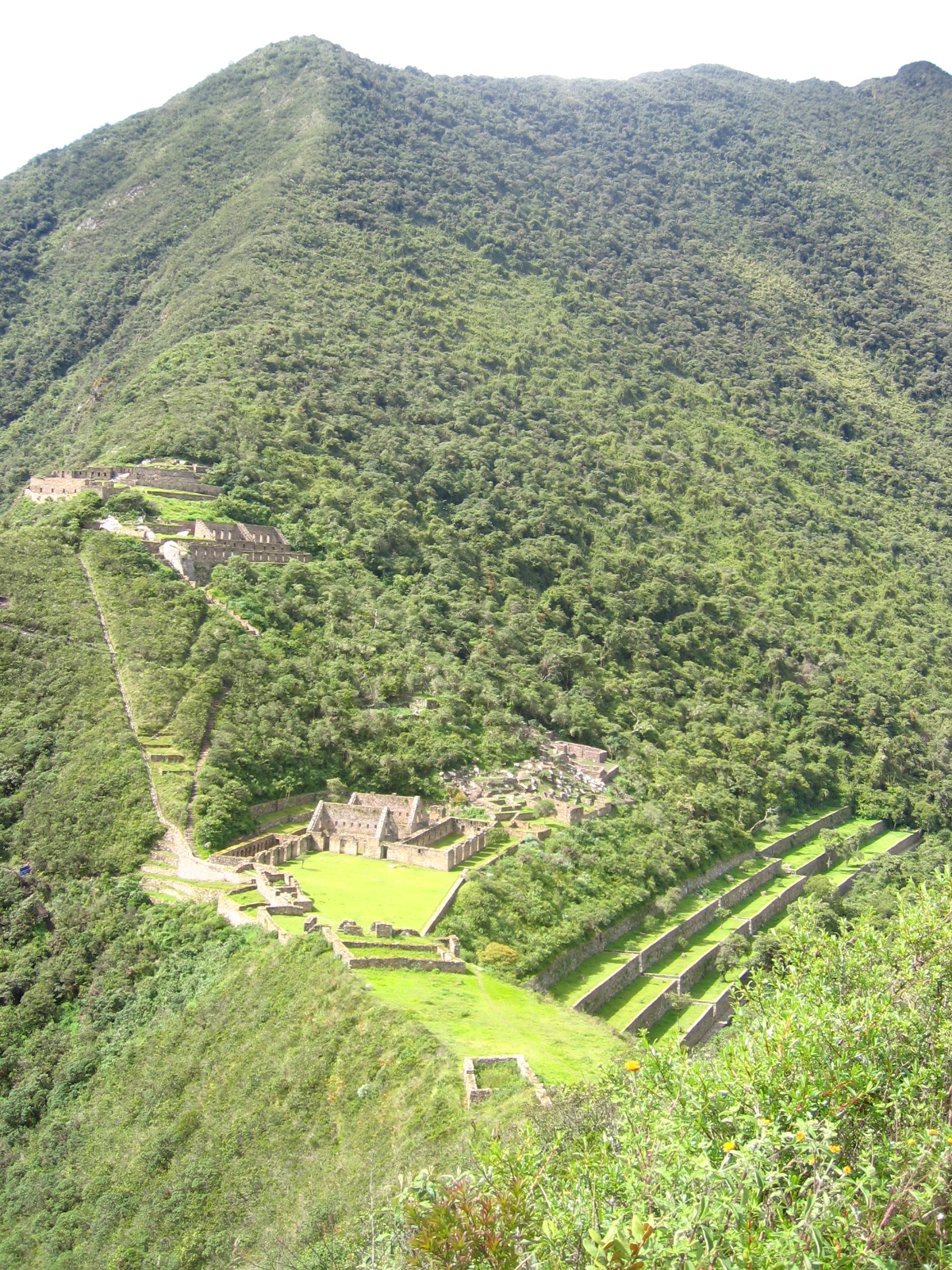
Vilcabamba's ruins illustrate typical Inca architectural styles, characterized by finely cut stonework and terracing adapted to the mountainous terrain. The settlement includes agricultural terraces that demonstrate advanced Inca engineering designed to maximize arable land on steep slopes. Defensive features such as walls and strategic positioning on elevated ground provided protection against invaders.
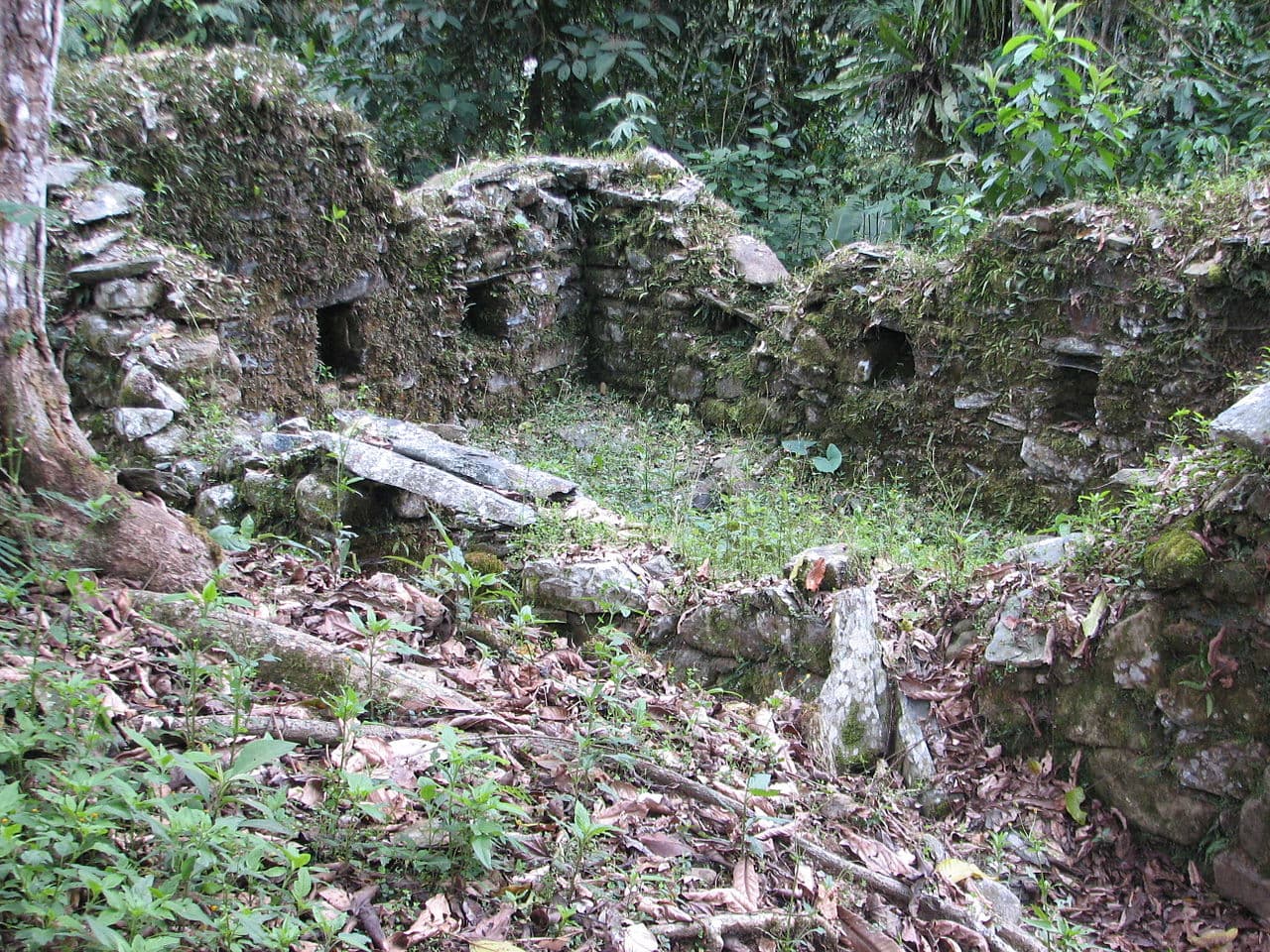
The site contains several ceremonial platforms and plazas that would have been used for religious and social gatherings. Residential structures, although now in ruins, reveal the organization of the community and the hierarchical nature of Inca society. The layout of Vilcabamba reflects a blend of practical military considerations and the spiritual significance of the landscape.
Accessibility and current status
Today, the ruins of Vilcabamba at Espíritu Pampa remain relatively remote and difficult to access. As of the early 21st century, the site was not reachable by vehicle, requiring visitors to undertake a trek through rugged terrain. This limited accessibility has helped preserve the ruins but also restricts tourism and archaeological work.
Ongoing archaeological investigations continue to reveal new insights into the history and culture of the Neo-Inca State. Preservation efforts focus on protecting the fragile ruins from environmental damage and human impact. Vilcabamba remains a site of great cultural heritage and historical importance, offering a unique window into the final years of the Inca civilization.
Distinguishing vilcabamba from other similarly named locations
It is important to distinguish this Vilcabamba from the town of Vilcabamba in Ecuador, which is unrelated. The Inca capital is sometimes referred to as Vilcabamba the Old to differentiate it from Vilcabamba the New, a Spanish-origin town located approximately 35 kilometers southeast of the ruins. This distinction helps clarify historical and geographical references in academic and tourist contexts.
Frequently asked questions (FAQ)
- How do I get to Vilcabamba from Cusco?
- To reach Vilcabamba from Cusco, you can take a bus or hire a taxi. The journey typically takes around 4-5 hours, depending on road conditions. It's advisable to travel early in the day to enjoy the scenic views along the way.
- What is the historical significance of Vilcabamba?
- Vilcabamba was the last refuge of the Inca Empire after the Spanish conquest, serving as a stronghold for the last Inca rulers. It is often referred to as the "Lost City of the Incas" and is rich in history and archaeological significance. The site provides invaluable insights into Inca culture and resistance against colonial forces.
- When was Vilcabamba built?
- Vilcabamba was established in the 16th century, around the 1530s, following the Spanish conquest of the Inca Empire. It served as a royal estate for the Inca leader Manco Inca, who sought to preserve Inca traditions and resist Spanish rule. The ruins present today reflect the architectural brilliance of the Inca civilization.
- Can I visit Vilcabamba year-round?
- Yes, Vilcabamba is open to visitors throughout the year, but the best time to visit is during the dry season from May to September. During this period, you can expect clearer skies and more pleasant temperatures for exploring the ruins. However, the rainy season from November to March can make access more challenging.
- Why is the architecture of Vilcabamba unique?
- The architecture of Vilcabamba is unique due to its blend of Inca engineering and the natural landscape. The structures are built using large stones fitted together without mortar, a hallmark of Inca construction. Moreover, the layout of the site is designed to harmonize with the surrounding mountains and rivers, showcasing the Incas' respect for nature.
- Is it possible to explore Vilcabamba without a guide?
- While it is possible to explore Vilcabamba without a guide, hiring one is highly recommended for a more enriching experience. Guides can provide you with historical context and insights that enhance the visit. Additionally, they can help navigate the site, which can be quite expansive and complex.
- What are the ticket prices for Vilcabamba?
- As of now, the entrance fee to Vilcabamba is generally affordable, costing around 10-20 soles per person. Prices may vary, so it's a good idea to check for any updates before your visit. Discounts may be available for students and children, providing value for families and budget travelers.
- What are the opening hours for Vilcabamba?
- Vilcabamba is typically open to visitors from 8:00 AM to 5:00 PM daily, allowing ample time to explore the site. It's advisable to arrive early to make the most of your visit, especially during peak tourist seasons. Always check for any changes in hours, especially around holidays.
- Are there nearby attractions to see while visiting Vilcabamba?
- Yes, nearby attractions include the archaeological sites of Sayhuite and the stunning landscapes of the Sacred Valley. You can also explore the charming town of Ollantaytambo, which offers a glimpse into traditional Andean culture. These sites provide a wonderful opportunity to deepen your understanding of Inca history and enjoy the natural beauty of Peru.
Photo gallery

Information
Loading map...
Visitor reviews
No reviews yet. Been here? Write the first review and help other travelers!
Write the first reviewVisited this castle? Share your experience
Your review helps other travelers and adds first-hand knowledge to our encyclopedia.