Choquequirao
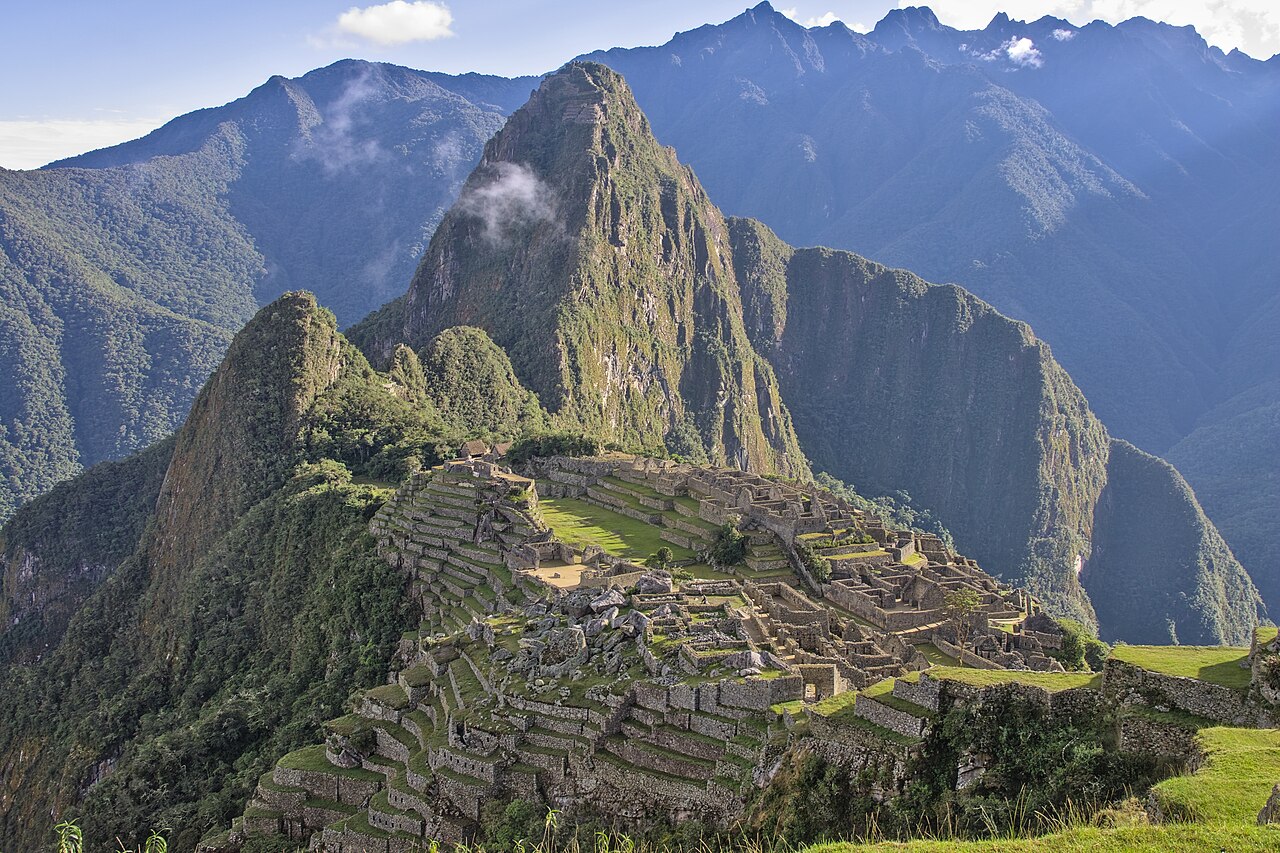
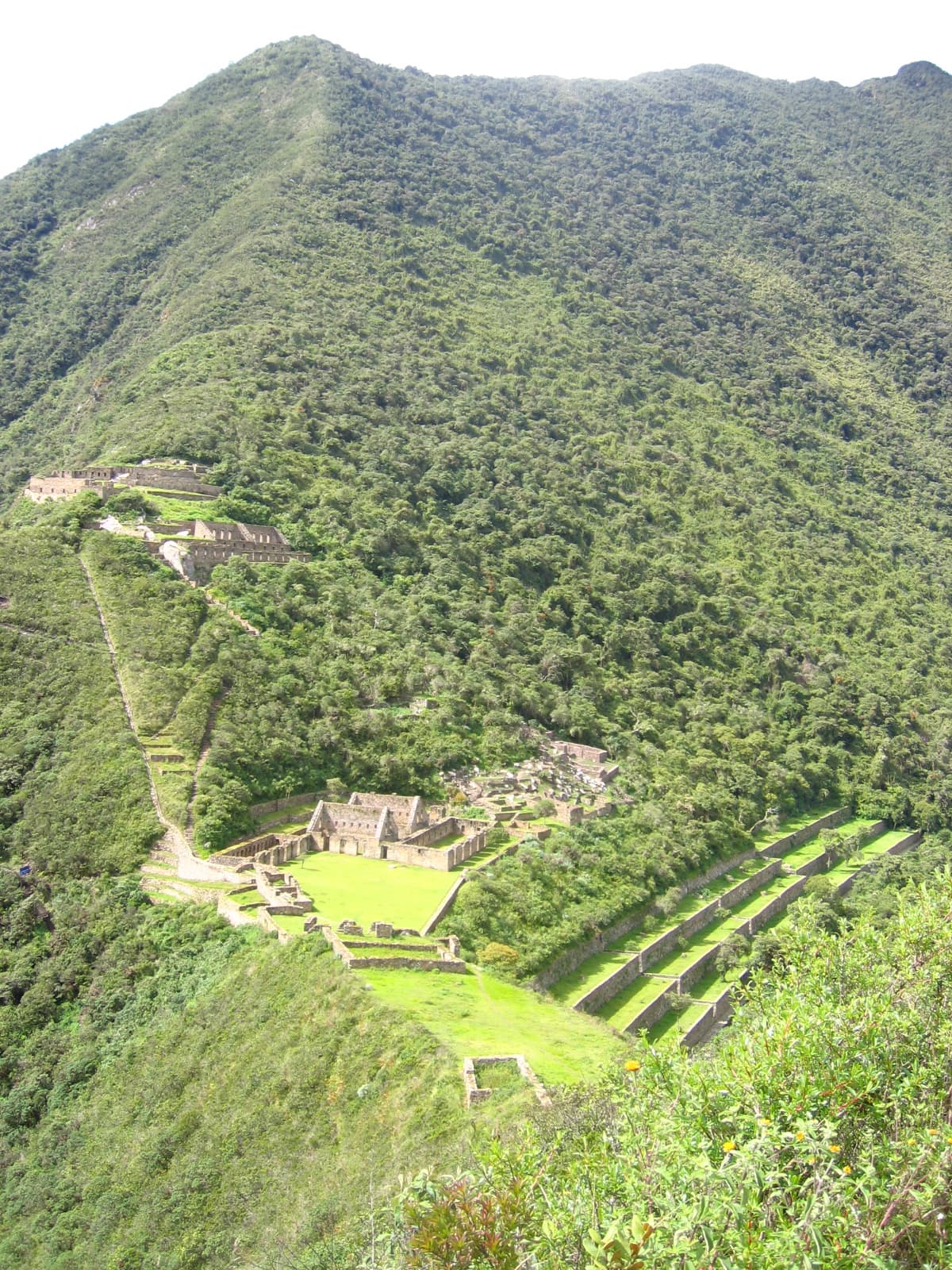
Choquequirao is a remarkable 16th-century Incan archaeological site located in the Cusco Region of southern Peru. Often referred to as the "sister city" of Machu Picchu, Choquequirao shares many architectural and cultural features with its more famous counterpart but remains far less visited due to its remote location and challenging access. The site is perched on a steep mountainside at an elevation of approximately 3,050 metres (10,010 feet) within the rugged Vilcabamba mountain range, overlooking the deep canyon of the Apurímac River, which lies about 1,450 metres below.
Geographical setting and access
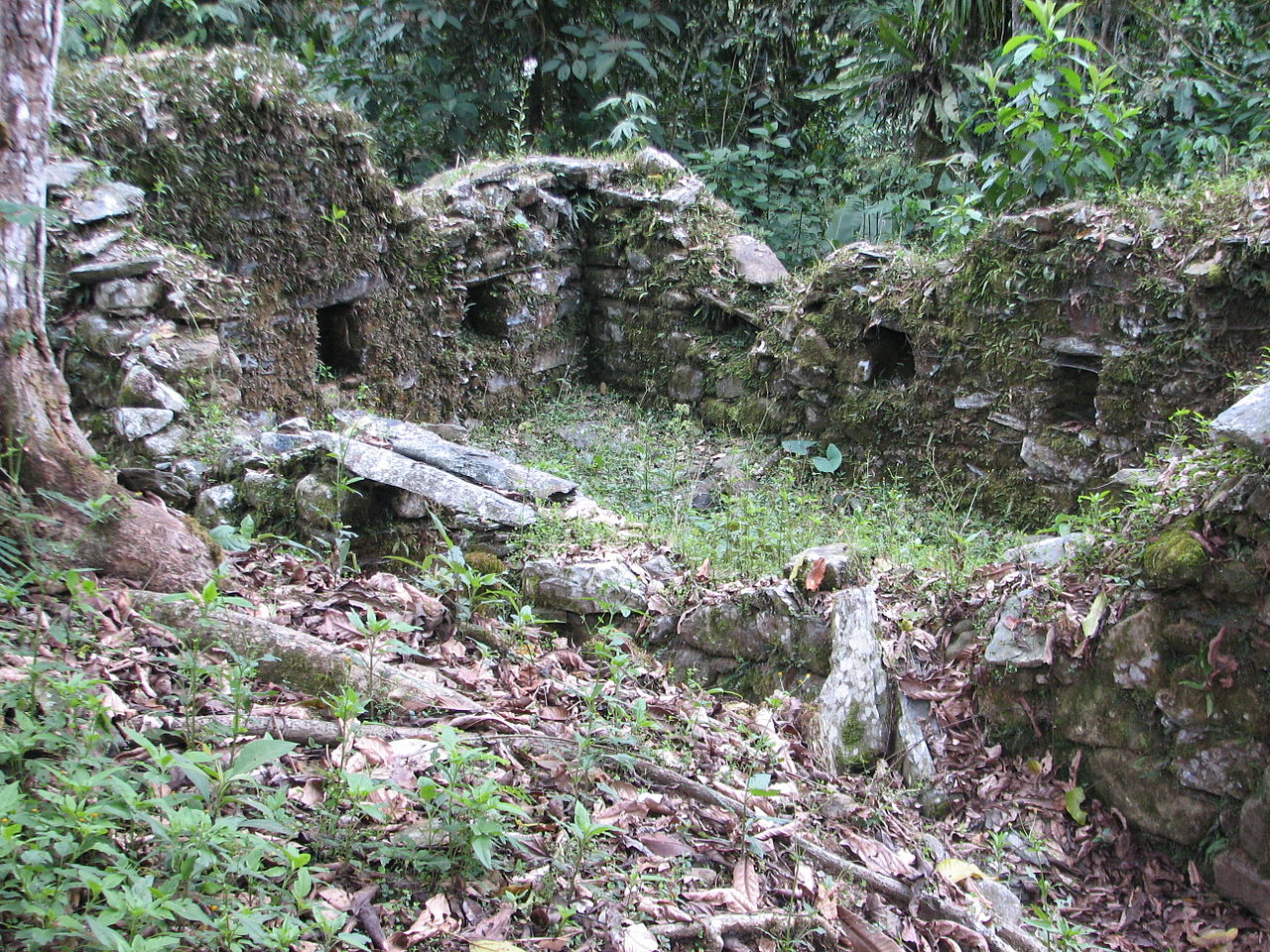
Situated in the Santa Teresa district of the La Convención province, Choquequirao occupies a strategic position on a truncated hilltop known as Sunch'u Pata. The site is enveloped by dense cloud forests and steep cliffs, which historically provided natural defenses. Today, the ruins are accessible only by a demanding two-day hike from the nearest road outside Cusco, making it a destination primarily for adventurous travelers and scholars. This isolation has contributed to the preservation of many of its features and limited large-scale tourism development.
Architectural layout and features
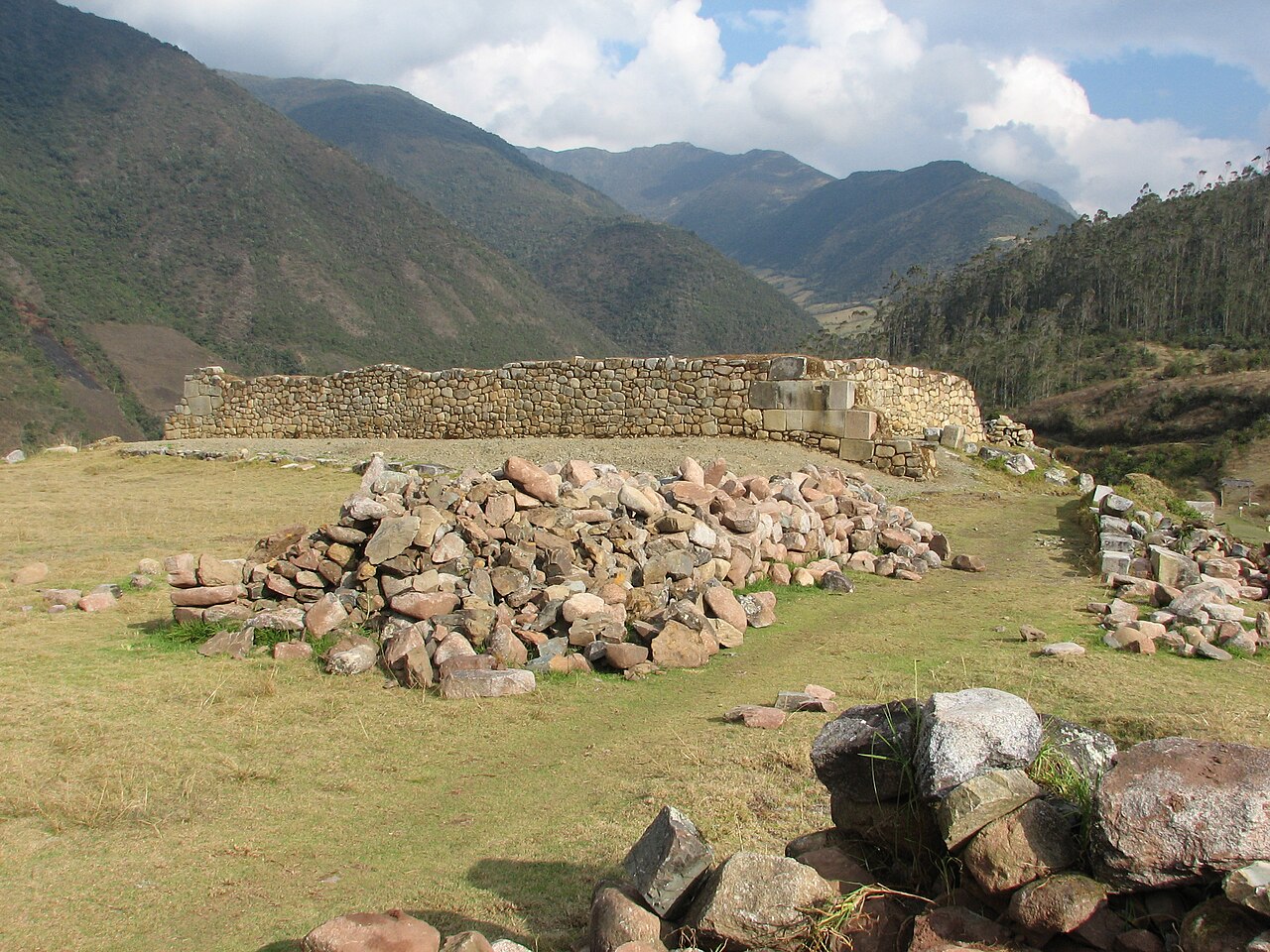
The Choquequirao complex spans approximately 1,800 hectares, although only about 30–40% of the site has been excavated and studied. The architecture exhibits the hallmark precision of Incan stone masonry, with finely cut and fitted stones that require no mortar. The site comprises a series of terraces, plazas, temples, residential quarters, and ceremonial spaces arranged around the central hilltop.
Terraces and agricultural engineering
One of the most striking features of Choquequirao is its extensive system of agricultural terraces, which were ingeniously constructed to maximize arable land on the steep slopes. These terraces also functioned as a sophisticated water management system, channeling rainfall to prevent erosion and support crop cultivation. Embedded within some terrace walls are unique white stone mosaics depicting llamas and other symbolic figures, reflecting the cultural and religious significance of these animals to the Inca civilization.
Ceremonial and administrative structures
The site served multiple functions, including as a ceremonial center and an administrative hub. Key buildings include temples and plazas designed for religious rituals and social gatherings. The layout suggests a planned urban center with spaces dedicated to governance and control, particularly as a checkpoint controlling access to the Vilcabamba region. The architecture incorporates trapezoidal doorways, niches, and windows typical of Incan design.
Historical significance and Inca resistance
Choquequirao holds a significant place in the history of the Inca Empire, especially during the period following the Spanish conquest. It became one of the last bastions of Inca resistance under the leadership of Manco Inca Yupanqui, who retreated to the Vilcabamba region to continue opposing Spanish rule. The site’s remote location and fortifications made it a stronghold where Incan culture and governance persisted for several decades after the fall of Cusco.
Archaeological research and preservation
Archaeological efforts at Choquequirao have been ongoing since the early 20th century, with modern excavations uncovering more of the complex’s vast layout and intricate details. Despite its partial excavation, the site provides invaluable insights into Incan urban planning, religious practices, and agricultural techniques. Preservation challenges remain due to the site's remote location, natural erosion, and the impact of increasing tourism.
Visitor experience and tourism
Visiting Choquequirao requires a significant physical effort, as the site is accessible only by a multi-day trek through mountainous terrain. The journey itself offers spectacular views of the surrounding Andes and the Apurímac River canyon. Visitors can explore the extensive ruins, including terraces, temples, and plazas, while gaining an appreciation for the engineering prowess and cultural heritage of the Inca civilization. Due to its limited accessibility, Choquequirao offers a more solitary and immersive experience compared to the heavily trafficked Machu Picchu.
Best time to visit
The ideal visiting period is during the dry season, typically from May to September, when trails are safer and weather conditions are more favorable. Visitors should prepare adequately with proper gear and possibly a guide to navigate the challenging terrain.
Nearby attractions
Close to Choquequirao are other Incan sites and natural landmarks within the Vilcabamba range, offering opportunities for extended exploration of Peru’s rich archaeological and ecological landscape.
Frequently asked questions (FAQ)
- How do I get to Choquequirao?
- To reach Choquequirao, visitors typically start from the town of Cachora, which is about a 4-hour drive from Cusco. From Cachora, a challenging 3 to 4-day trek is required to reach the ruins, or you can arrange for a guided tour that includes transportation and trekking support.
- What is the historical significance of Choquequirao?
- Choquequirao is known as the "Cradle of Gold" and was an important Inca site, believed to have served as a royal estate and a religious center. It is often considered the sister city of Machu Picchu, showcasing the architectural prowess of the Incas and their connection to the surrounding landscape.
- When was Choquequirao built?
- The construction of Choquequirao is believed to have begun in the 15th century during the reign of the Inca emperor Pachacuti. The site continued to be developed and used until the Spanish conquest in the 16th century, after which it fell into abandonment and obscurity.
- Can I visit Choquequirao year-round?
- Yes, Choquequirao is open for visitors year-round, but the best time to visit is during the dry season from May to September. During the rainy season, from November to March, the trails can be slippery and less accessible, making trekking more challenging.
- Why is Choquequirao less visited than Machu Picchu?
- Choquequirao is less visited primarily due to its remote location and the demanding trek required to reach it. This makes it a perfect destination for adventurous travelers seeking a quieter experience with fewer crowds compared to the more popular Machu Picchu.
- Is it possible to camp at Choquequirao?
- Yes, camping is allowed at Choquequirao, and many trekkers choose to set up camp near the site. There are designated camping areas, and it is advisable to bring your own camping gear or join a guided tour that provides camping services and equipment.
- What are the ticket prices for Choquequirao?
- As of now, the entrance fee for Choquequirao is around 60 soles for adults, with discounts available for students and children. It's important to check for any changes in pricing or additional fees for guided tours before your visit.
- What are the opening hours for Choquequirao?
- Choquequirao is open daily from 7:00 AM to 5:00 PM. Visitors are encouraged to arrive early to make the most of their exploration time, as the trek can be demanding and may require a full day to fully appreciate the site.
- What nearby attractions should I consider visiting?
- Nearby attractions include the Apurímac River and the stunning landscapes of the Vilcabamba mountain range. Additionally, the town of Cachora offers insights into local culture and serves as a great starting point for treks to Choquequirao.
Photo gallery

Information
Loading map...
Visitor reviews
No reviews yet. Been here? Write the first review and help other travelers!
Write the first reviewVisited this castle? Share your experience
Your review helps other travelers and adds first-hand knowledge to our encyclopedia.