Visborg
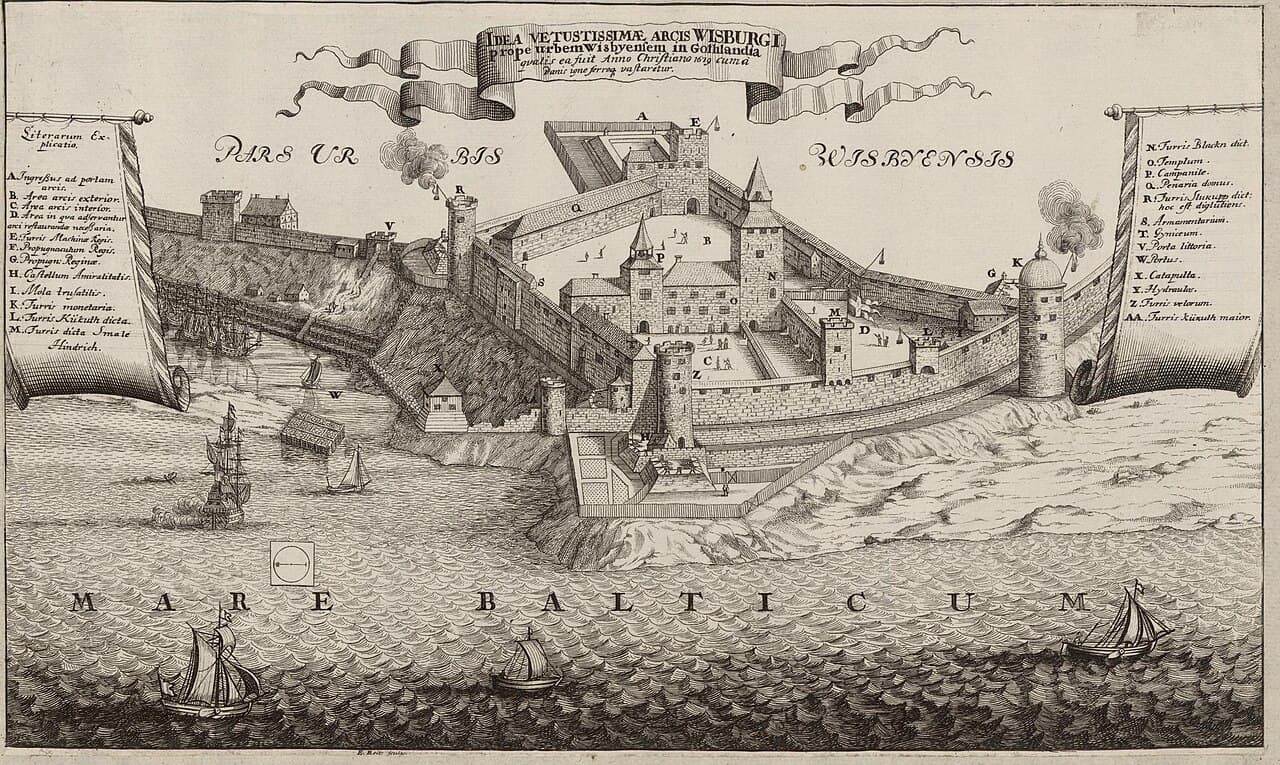
Visborg castle, also known as Wisborg, was a significant late medieval bastioned fortress located in the historic town of Visby on the Swedish island of Gotland. Constructed in the 15th century, the fortress was commissioned by King Erik of Pomerania, the ruler of the Kalmar Union, as a strategic stronghold and royal residence following his deposition. The castle played a crucial role in the military and political landscape of the Baltic region during this period.
Historical context and construction
The construction of Visborg castle began around the early 1400s, during a time when the Kalmar Union united the kingdoms of Denmark, Sweden, and Norway under a single monarch. King Erik of Pomerania sought to consolidate his power and secure his rule by building a formidable fortress on Gotland, an island that was strategically located in the Baltic Sea and vital for controlling trade routes. The fortress was erected on a promontory overlooking Visby’s harbor, providing commanding views and defensive advantages.
Visborg was designed as a bastioned fortress, a style that incorporated angled bastions projecting from the walls to allow defensive artillery to cover all approaches. This architectural approach was innovative for its time, reflecting the evolving military technology and the increasing use of gunpowder weapons in siege warfare. The fortress featured thick stone walls, multiple bastions, and a complex system of defensive structures including moats and ramparts.
Architectural features and layout
The castle’s layout was characterized by its massive curtain walls punctuated by bastions that provided overlapping fields of fire. The walls were constructed from locally quarried limestone, a common building material on Gotland, known for its durability. The fortress included a central keep or donjon, residential quarters for the king and his retinue, storage facilities, and garrison barracks.
Visborg’s design prioritized defense but also accommodated royal residence needs. The living quarters featured large halls and chambers, some decorated in the style of the period, though much of the interior detail has been lost due to the castle’s eventual destruction. The fortress also had a gatehouse that controlled access to the castle grounds, reinforced with heavy wooden doors and iron portcullises.
Role in regional conflicts and political significance
After King Erik’s deposition, Visborg castle remained a key Danish stronghold on Gotland. The island was a contested territory between Denmark and Sweden, and Visborg served as the main military base for Danish forces in the Baltic Sea. The fortress was involved in several conflicts during the 16th and 17th centuries, including skirmishes and sieges related to the shifting control of Gotland.
Visborg’s strategic importance was underscored during the Thirty Years’ War and other regional conflicts, as control of the fortress meant dominance over Baltic maritime trade routes. The castle’s bastioned defenses were adapted over time to meet the challenges of evolving artillery technology, maintaining its role as a formidable military installation.
Destruction and current state
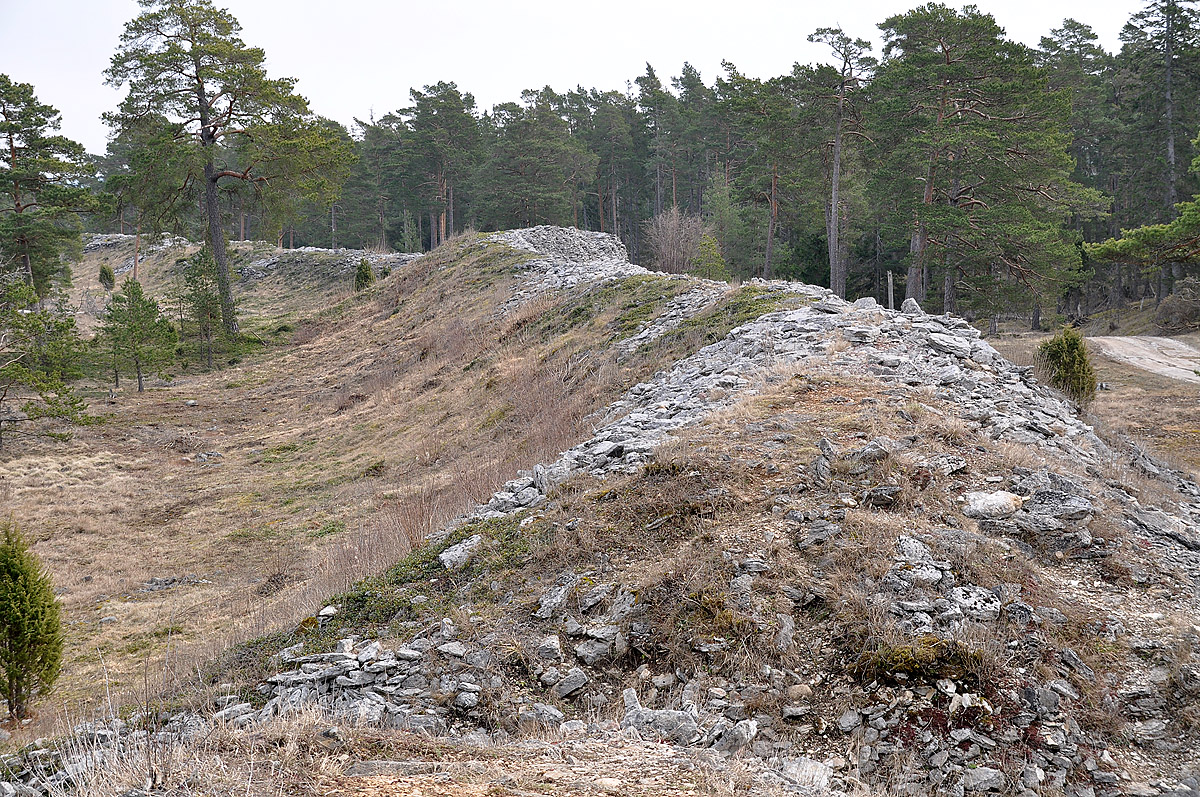
Visborg castle was ultimately destroyed in 1679 following the Treaty of Copenhagen and the shifting political landscape in Scandinavia. The fortress was deliberately dismantled to prevent its future military use. Today, only fragments of the original walls and bastions remain, overlooking the harbor of Visby. These ruins provide valuable insights into late medieval military architecture and the history of Gotland.
The site is accessible to visitors who can explore the remnants and enjoy panoramic views of the Baltic Sea. Interpretive signage and local museums in Visby offer additional context about the castle’s history and significance.
Visborg castle in cultural heritage
Visborg castle is an important cultural landmark in Gotland, reflecting the island’s turbulent history and its role in Baltic power struggles. The fortress stands as a reminder of the Kalmar Union’s influence and the military innovations of the late medieval period. Preservation efforts focus on maintaining the ruins and promoting public awareness of this historic site.
Frequently asked questions (FAQ)
- How do I get to Visborg Castle?
- Visborg Castle is located in the picturesque town of Visby on Gotland, Sweden. You can reach it by public transport from various parts of the island, or by car, with parking available nearby. The charming streets of Visby are also ideal for walking, making it easily accessible for visitors.
- What is the historical significance of Visborg Castle?
- Visborg Castle, built in the late 13th century, served as a royal residence and a fortress for the Hanseatic League. It played a crucial role in the defense of Gotland against invasions. Today, it stands as a testament to medieval architecture and the rich history of the region.
- When was Visborg Castle constructed?
- The construction of Visborg Castle began in 1270 and continued for several decades. It was primarily built to protect the town of Visby and to serve as a residence for the Swedish kings. Over the years, it has undergone various renovations and restorations.
- Can I visit Visborg Castle?
- Yes, Visborg Castle is open to visitors, allowing you to explore its historic grounds and learn about its fascinating past. Guided tours are often available, providing deeper insights into the castle's architecture and history. Be sure to check the castle's official website for current visitor information.
- Why is Visborg Castle a popular tourist destination?
- Visborg Castle is popular due to its stunning architecture, rich history, and scenic location overlooking the Baltic Sea. Visitors are drawn to its medieval charm and the opportunity to explore the remnants of a significant historical site. Additionally, the surrounding town of Visby offers unique shops and restaurants, enhancing the overall experience.
- Is it possible to tour the castle interior?
- Currently, the interior of Visborg Castle is largely in ruins and not fully accessible for tours. However, visitors can still explore the exterior and surrounding grounds, which provide a fantastic view of the castle's structure and its historical context. Occasionally, special events may offer limited access to certain areas.
- What are the opening hours for Visborg Castle?
- Visborg Castle typically opens its grounds to visitors from spring through autumn, with specific hours varying by season. It is recommended to check the official website or local tourism information for the most accurate and up-to-date opening hours before planning your visit.
- What is the best time to visit Visborg Castle?
- The best time to visit Visborg Castle is during the summer months, from June to August, when the weather is warm and many events are held in Visby. This period also allows you to enjoy the vibrant atmosphere of the town and the surrounding natural beauty. Spring and early autumn can also be pleasant, with fewer crowds and mild temperatures.
- Are there any nearby attractions to explore?
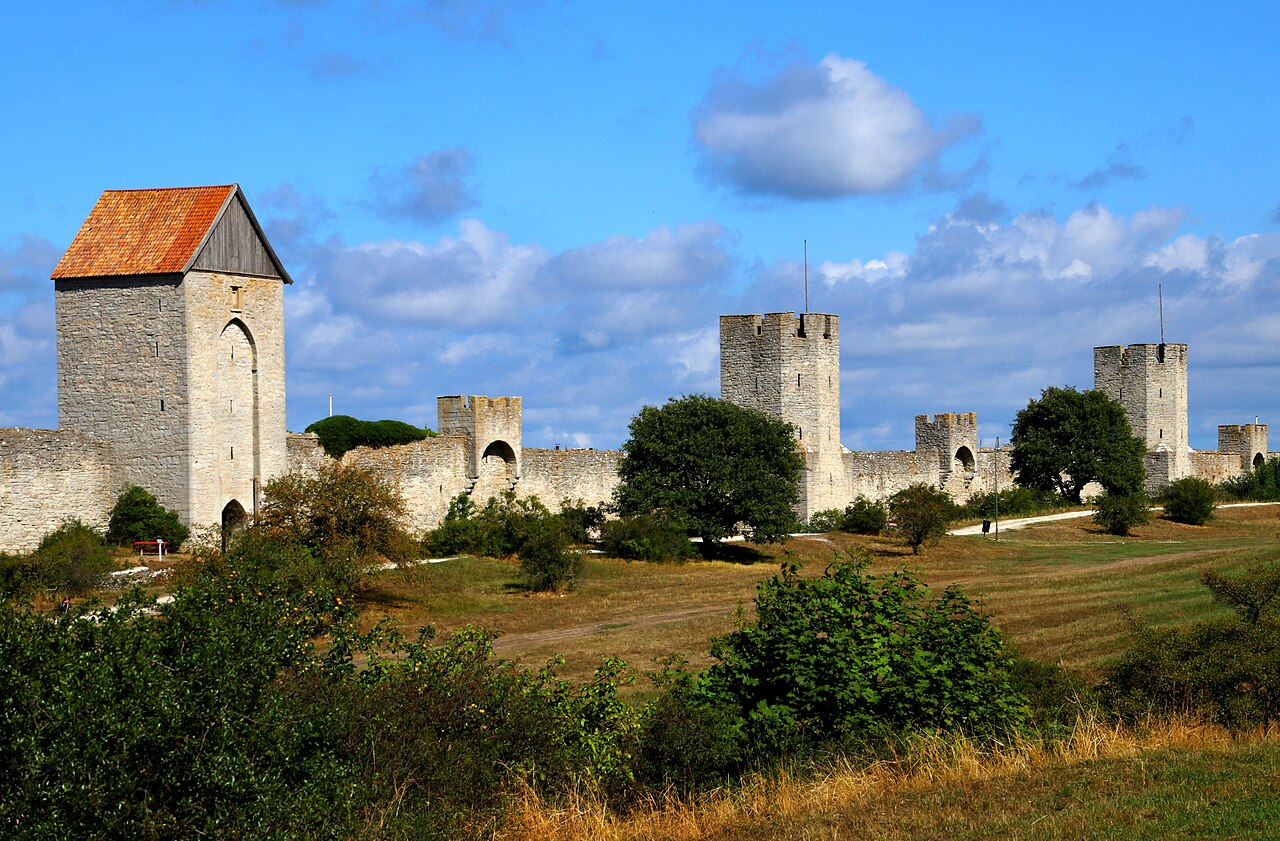
- Yes, Visby is rich in attractions, including the well-preserved medieval town walls and the charming cobblestone streets filled with shops and cafes. Additionally, nearby beaches and the beautiful landscapes of Gotland offer plenty of opportunities for outdoor activities. Don't miss the chance to explore the botanical gardens and historic churches in the area.
- What are the ticket prices for Visborg Castle?
- Entry to the grounds of Visborg Castle is usually free, but there may be fees for special events or guided tours. It is advisable to check the official website for any current ticket prices or special offers that may be available during your visit.
Photo gallery

Public domain
Information
Loading map...
Visitor reviews
No reviews yet. Been here? Write the first review and help other travelers!
Write the first reviewVisited this castle? Share your experience
Your review helps other travelers and adds first-hand knowledge to our encyclopedia.