Viroconium Cornoviorum
Viroconium Cornoviorum, also known as Uriconium, was a significant Roman city located near what is now the village of Wroxeter in Shropshire, England. As one of the largest Roman settlements in Britain, it served as a major administrative and military center in the province of Britannia. Founded in the 1st century AD, the city flourished throughout the Roman occupation and is estimated to have been the fourth-largest urban center in Roman Britain, with a population exceeding 15,000 inhabitants.
Historical context and significance
The site of Viroconium was originally established as a Roman legionary fortress around the time of the Roman conquest of Britain. Over time, it evolved into a substantial civilian settlement, becoming the civitas capital of the Cornovii tribe. Its strategic location near the River Severn facilitated trade and military logistics. The city played a crucial role in the Roman administration of the region and was a hub for commerce, governance, and culture.
Viroconium's significance extended beyond the Roman period, as archaeological evidence indicates continuous occupation into the early medieval period, likely until the late 7th or early 8th century. This prolonged habitation provides valuable insights into the transition from Roman Britain to the early medieval kingdoms.
Architectural features and urban layout
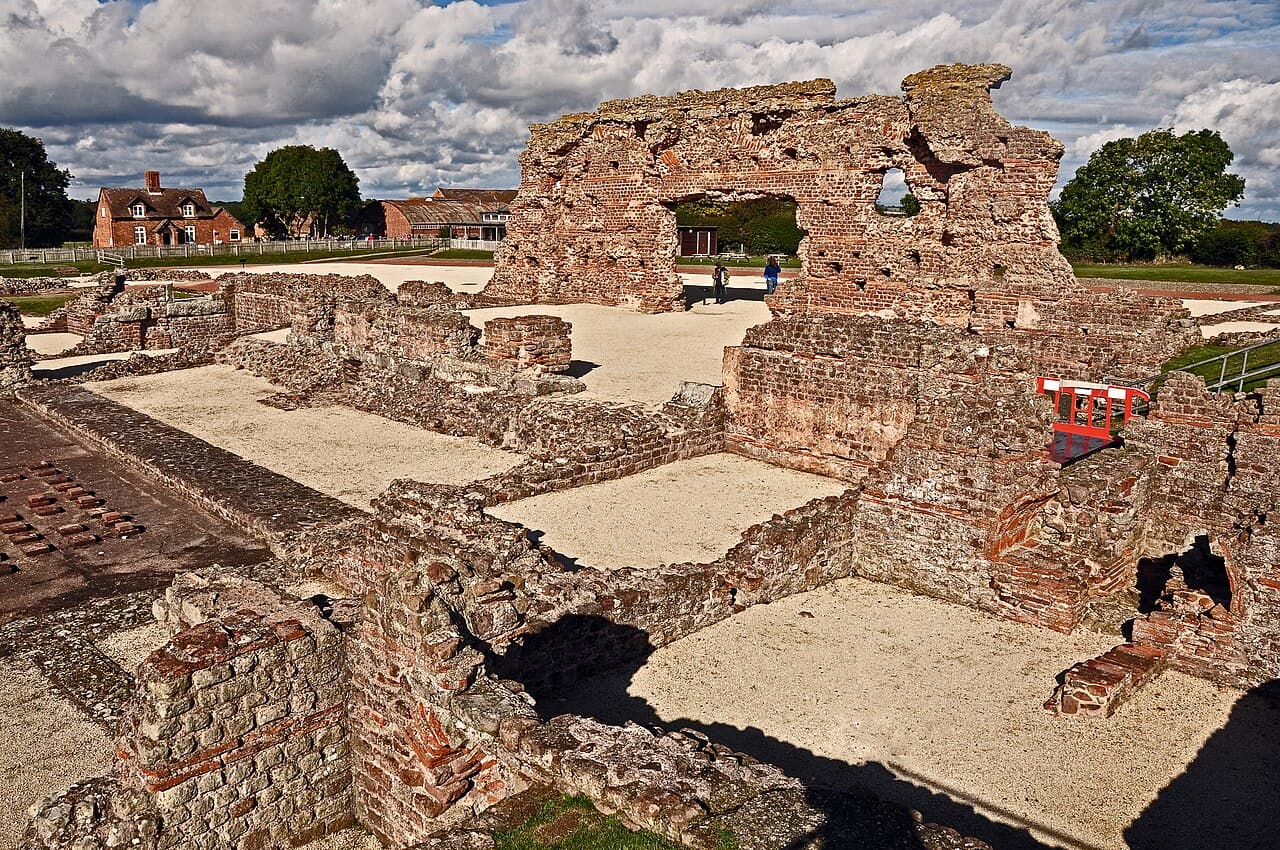
The city was laid out in a typical Roman grid pattern, featuring stone-built public buildings, baths, temples, and forums. The remains include large stone foundations and walls, which reveal the scale and sophistication of Roman urban planning. The city was enclosed by a defensive wall constructed in the 3rd century AD, reflecting concerns about increasing instability in the region.
One of the most notable architectural features is the partially reconstructed Roman house on site, which gives visitors a glimpse into domestic life during the Roman era. The house includes elements such as hypocaust heating systems and intricate mosaics, demonstrating the level of comfort and artistic achievement.
City defenses
The defensive walls of Viroconium were built using large sandstone blocks and included several gates and towers. These fortifications were designed to protect the city from raids and invasions during the turbulent later Roman period. The walls enclosed an area of approximately 173 acres (70 hectares), making it one of the largest walled cities in Roman Britain.
Public and religious buildings
Excavations have uncovered remains of public baths, which were central to Roman social life, as well as temples dedicated to Roman deities. These structures highlight the cultural and religious practices of the inhabitants and their integration into the wider Roman world.
Archaeological discoveries and preservation
Viroconium Cornoviorum is one of the most extensively excavated Roman sites in Britain. Archaeological work has revealed a wealth of artifacts, including pottery, coins, tools, and inscriptions, which provide detailed information about the daily lives, economy, and governance of the city.
The site is currently managed by English Heritage and features an on-site museum that displays many of the finds. Visitors can explore the extensive ruins, including the defensive walls, street layouts, and the reconstructed Roman house. The museum offers educational exhibits that explain the historical context and significance of the city.
Visiting viroconium cornoviorum today
Today, Viroconium Cornoviorum is a protected archaeological site open to the public. The remains are well preserved, allowing visitors to walk through the ancient streets and imagine life during the Roman occupation. The reconstructed Roman house is a highlight, providing an immersive experience of Roman domestic architecture and lifestyle.
The site is accessible year-round, with facilities including guided tours and educational programs. It is located about 5 miles east-southeast of Shrewsbury, making it a convenient destination for those interested in Roman history and archaeology.
Frequently asked questions (FAQ)
- How do I get to Viroconium Cornoviorum?
- Viroconium Cornoviorum is located near the town of Wroxeter, Shropshire. You can reach it by car via the A458 or take public transport to Shrewsbury and then a local bus to Wroxeter. There is ample parking available on-site for visitors.
- What is the historical significance of Viroconium Cornoviorum?
- Viroconium Cornoviorum was one of the largest Roman settlements in Britain and served as the capital of the Cornovii tribe. It played a crucial role in Roman Britain as a center for administration and trade, showcasing significant Roman architecture and urban planning. The site provides valuable insights into Roman life and culture in the region.
- When was Viroconium Cornoviorum established?
- Viroconium Cornoviorum was founded in the 1st century AD, around the time of the Roman conquest of Britain. It flourished throughout the Roman period and continued to exist well into the 5th century AD. The ruins that remain today reflect its importance during this era.
- Can I explore the ruins on my own?
- Yes, visitors can explore the ruins of Viroconium Cornoviorum at their own pace. There are informative signs throughout the site that provide details about the history and significance of various structures. Guided tours are also available for those who prefer a more in-depth experience.
- Why is the architecture of Viroconium Cornoviorum noteworthy?
- The architecture of Viroconium Cornoviorum is noteworthy for its combination of Roman engineering and local materials, showcasing the sophistication of Roman design. Notable features include the remains of a large forum, impressive public baths, and various domestic structures. These elements illustrate the advanced urban planning and lifestyle of its inhabitants.
- Is it possible to visit Viroconium Cornoviorum year-round?
- Yes, Viroconium Cornoviorum is open to visitors year-round, although certain facilities may be limited during the winter months. It’s advisable to check the official website for specific opening times and any seasonal events. Visiting during the warmer months allows for a more enjoyable outdoor experience.
- What are the ticket prices for Viroconium Cornoviorum?
- Ticket prices for Viroconium Cornoviorum vary depending on age and group size, with discounts available for children, seniors, and families. Generally, adult tickets are reasonably priced, and entry fees help support the site's preservation and maintenance. Check the official website for current pricing and any special offers.
- What is the best time to visit Viroconium Cornoviorum?
- The best time to visit Viroconium Cornoviorum is during the late spring to early autumn months, from May to September, when the weather is typically mild and pleasant. This period also coincides with various events and guided tours that enhance the visitor experience. Early mornings or late afternoons can offer a quieter atmosphere for exploration.
- Are there any nearby attractions to visit?
- Yes, there are several nearby attractions worth exploring, such as the Shropshire Hills Area of Outstanding Natural Beauty and the historic town of Shrewsbury. Visitors can also enjoy the nearby Wroxeter Roman City, which offers additional insights into Roman life. These attractions make for a well-rounded day of historical exploration.
Photo gallery

Information
Loading map...
Visitor reviews
No reviews yet. Been here? Write the first review and help other travelers!
Write the first reviewVisited this castle? Share your experience
Your review helps other travelers and adds first-hand knowledge to our encyclopedia.