Vindolanda
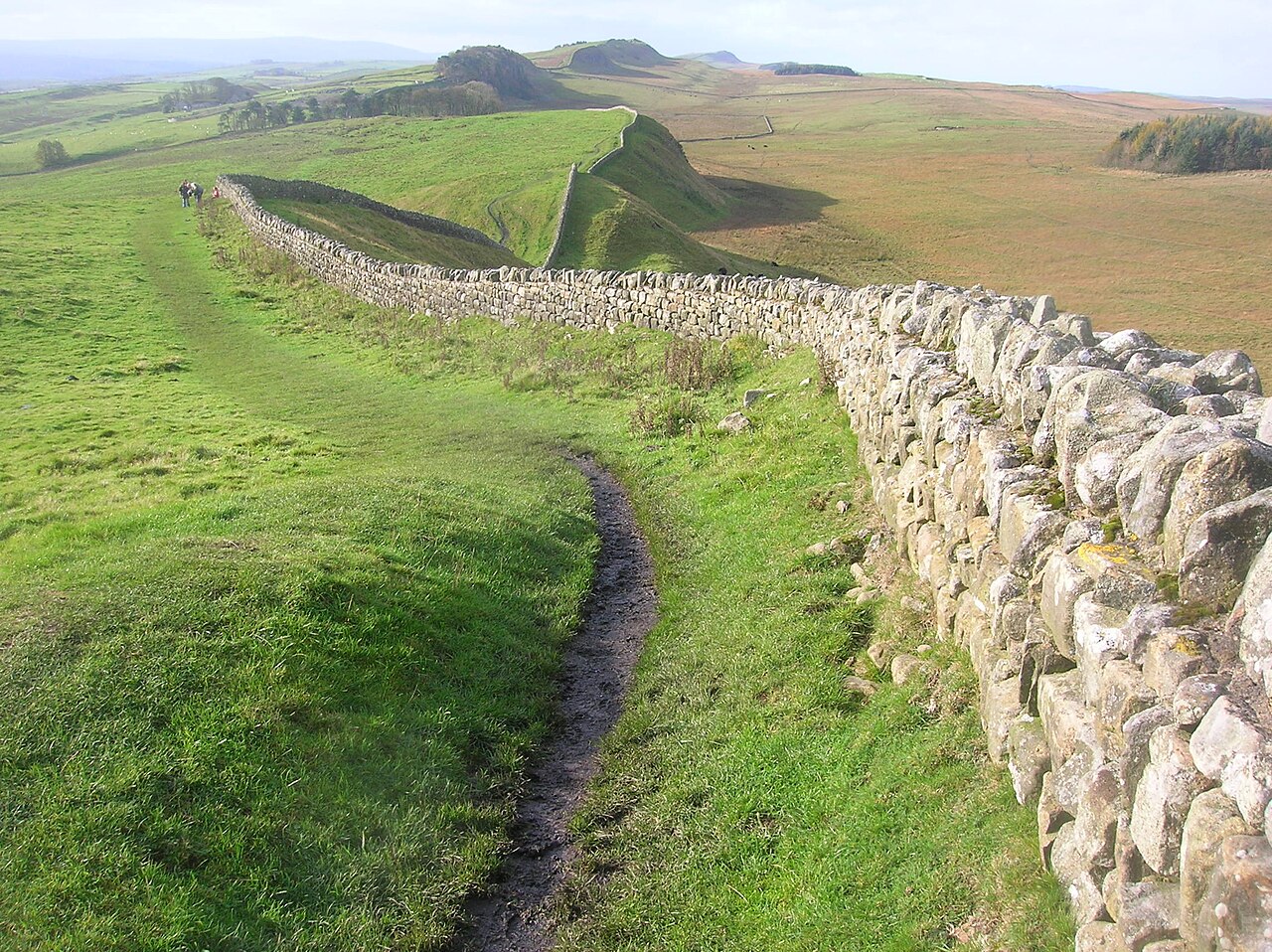
Vindolanda is a significant Roman auxiliary fort located just south of Hadrian's Wall in northern England, near the modern village of Bardon Mill in Northumberland. It predates Hadrian's Wall, with occupation beginning around 85 AD and continuing until approximately 370 AD. This fort was strategically positioned to guard the Stanegate, the Roman road connecting the River Tyne to the Solway Firth, an important military and trade route during the Roman occupation of Britain.
Historical context and strategic importance
Vindolanda was established during the early Roman conquest of Britain as part of a network of forts securing the northern frontier of the Roman Empire. The fort's location south of Hadrian's Wall indicates its role in the military system before the wall's construction around 122 AD. Vindolanda served as a base for auxiliary troops, non-citizen soldiers recruited from across the empire, who helped maintain Roman control over the region and monitored movements of local tribes.
The fort's proximity to the Stanegate road made it a vital point for communication and supply lines. The Stanegate itself was a key Roman road running east-west, facilitating troop movements and trade between forts and settlements along the northern frontier.
Archaeological discoveries and Vindolanda tablets
Vindolanda is especially renowned for the discovery of the Vindolanda tablets, a remarkable collection of thin wooden leaf-tablets inscribed with handwritten messages. These tablets date from the late 1st and early 2nd centuries AD and are among the oldest surviving handwritten documents found in Britain. They provide unparalleled insight into the daily life, military affairs, and social interactions of Roman soldiers and their families stationed at the fort.
The tablets include personal letters, official military reports, and requests for supplies, revealing details about the fort's garrison, local events, and even invitations to birthday parties. The preservation of these organic materials was made possible by the waterlogged conditions of the site, which have also yielded numerous other artifacts such as weapons, tools, pottery, and clothing.
Architecture and fort layout
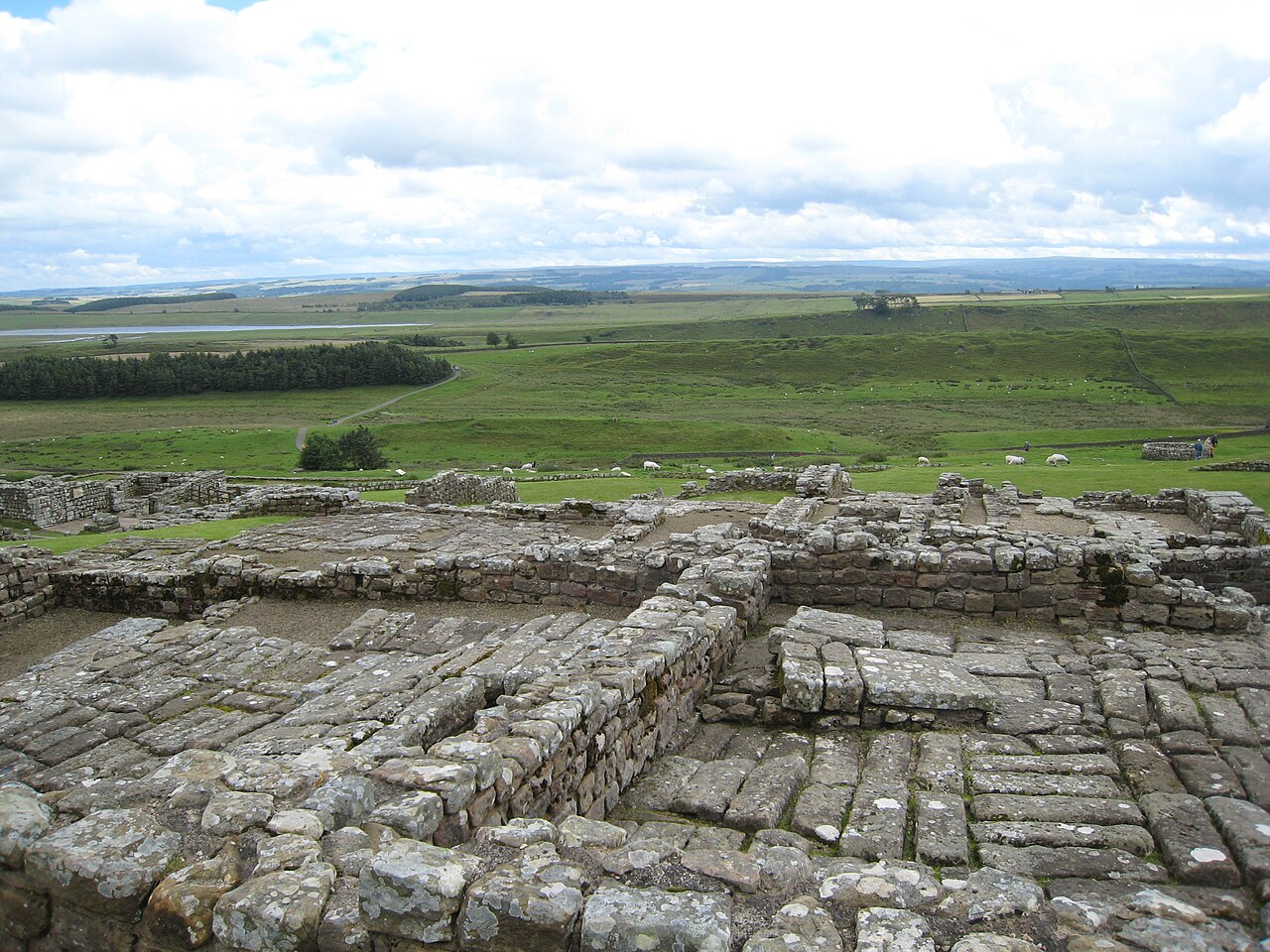
Vindolanda was originally constructed as a wooden fort and was rebuilt several times over its nearly three centuries of use. The fort's design evolved from a simple timber structure to more complex stone constructions. The layout typically featured a rectangular plan with defensive ramparts, ditches, and a surrounding wall.
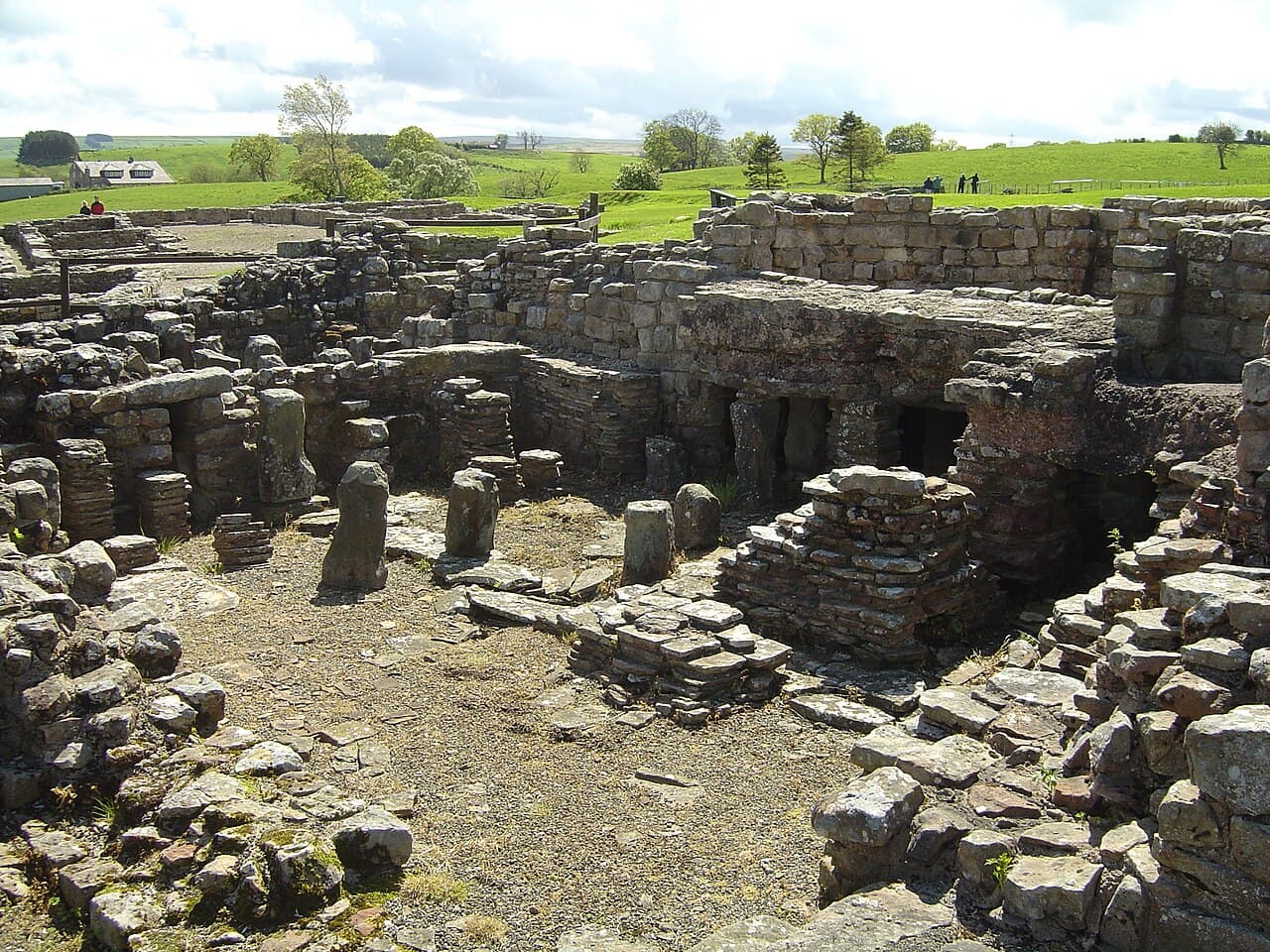
Key architectural features included gates controlling access, barracks for the auxiliary troops, a principia (headquarters building), granaries, workshops, and a bathhouse. The fort also contained a vicus, a civilian settlement that developed outside the walls, housing families of soldiers, traders, and artisans.
Defensive structures
The fort's defenses included a combination of earthen ramparts topped with wooden palisades in earlier phases, later replaced or supplemented by stone walls. The fort was surrounded by a deep ditch, enhancing its protection against attacks. The gates were fortified and often flanked by towers, enabling defenders to monitor and control entry points effectively.
Living quarters and facilities
The barracks were arranged in rows, providing accommodation for the auxiliary troops. The principia served as the administrative center, containing offices, a shrine for the standards, and storage rooms. Granaries ensured food supplies were kept dry and secure, while workshops supported maintenance and production of equipment.
Excavations and preservation
Archaeological excavations at Vindolanda began in the 1930s and have continued extensively, revealing a wealth of information about Roman military life on the northern frontier. The site's exceptional preservation conditions have allowed for the recovery of organic materials rarely found at other Roman sites, such as leather goods, wooden structures, and textiles.
Today, Vindolanda is a well-preserved archaeological site open to the public. Visitors can explore the remains of the fort, view the museum displaying the Vindolanda tablets and other artifacts, and learn about the Roman presence in Britain through interactive exhibits and guided tours.
Vindolanda's role in Roman Britain
Vindolanda provides critical evidence of Roman military strategy and frontier life during the early to late Roman period in Britain. The fort's long occupation and the rich archaeological record contribute significantly to understanding the Roman Empire's reach and administration in this remote region.
The site illustrates the daily routines of auxiliary soldiers, their interactions with local populations, and the logistical challenges of maintaining a distant military outpost. Vindolanda's discoveries continue to influence scholarship and public knowledge about Roman Britain.
Frequently asked questions (FAQ)
- How do I get to Vindolanda?
- Vindolanda is located near Bardon Mill in Northumberland, England. It is accessible by car and public transport, with nearby train stations and bus routes serving the area.
- What are the opening hours for Vindolanda?
- Vindolanda is open daily from 10:00 to 17:00, allowing visitors ample time to explore the site and museum.
- What is the significance of the Vindolanda tablets?
- The Vindolanda tablets are the oldest surviving handwritten documents in Britain, providing unique insights into Roman military and civilian life at the fort.
- Can I see the original Vindolanda tablets?
- Yes, the original tablets are displayed in the Vindolanda Museum, where visitors can view these rare artifacts and learn about their historical context.
- Is Vindolanda suitable for families?
- Vindolanda offers family-friendly exhibits and activities, making it an educational and engaging destination for visitors of all ages.
Photo gallery

Photo by Voice of Clam•Public domain
Information
Opening hours
10:00-17:00, daily
Ticket prices
£10 adult, £5 child
Current owner
English Heritage
Loading map...
Visitor reviews
No reviews yet. Been here? Write the first review and help other travelers!
Write the first reviewVisited this castle? Share your experience
Your review helps other travelers and adds first-hand knowledge to our encyclopedia.