Housesteads Roman Fort
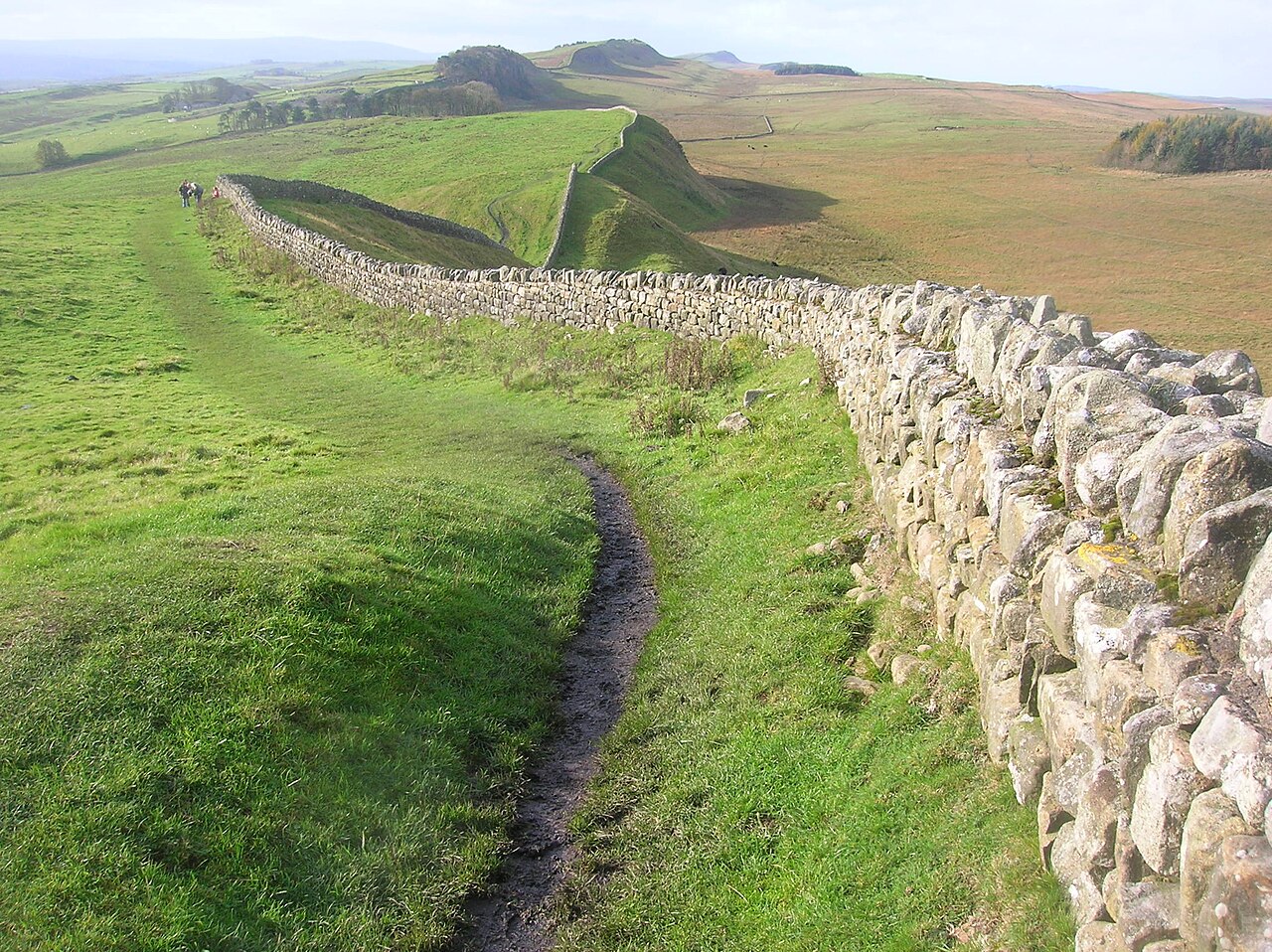
Housesteads Roman Fort is one of the most significant and best-preserved Roman military sites in Britain, located on Hadrian's Wall in Northumberland, England. Positioned dramatically on the end of a 1-mile (1.6 km) long crag of the Whin Sill, the fort overlooks the surrounding sparsely populated hills, offering commanding views that were strategically important for defense and surveillance during the Roman occupation. The fort’s location on this natural ridge made it a formidable bastion along the northern frontier of the Roman Empire.
Constructed in the early 2nd century AD, shortly after the completion of Hadrian's Wall around AD 122, Housesteads Roman Fort served as an auxiliary fortification designed to house a garrison of auxiliary troops rather than legionaries. It was occupied for nearly 300 years, witnessing the evolving military and political landscape of Roman Britain. The fort is often described as the "grandest station" on Hadrian's Wall due to its size, preservation, and the wealth of archaeological remains uncovered at the site.
Architectural features and layout
The fort is a classic example of a Roman auxiliary fort, built with a rectangular plan enclosed by strong stone walls and defensive ditches. The walls are punctuated by multiple towers and gates, which controlled access and provided defensive positions. The fort’s walls are well preserved, with many sections still standing to considerable height, allowing visitors to appreciate the scale and design of Roman military architecture.
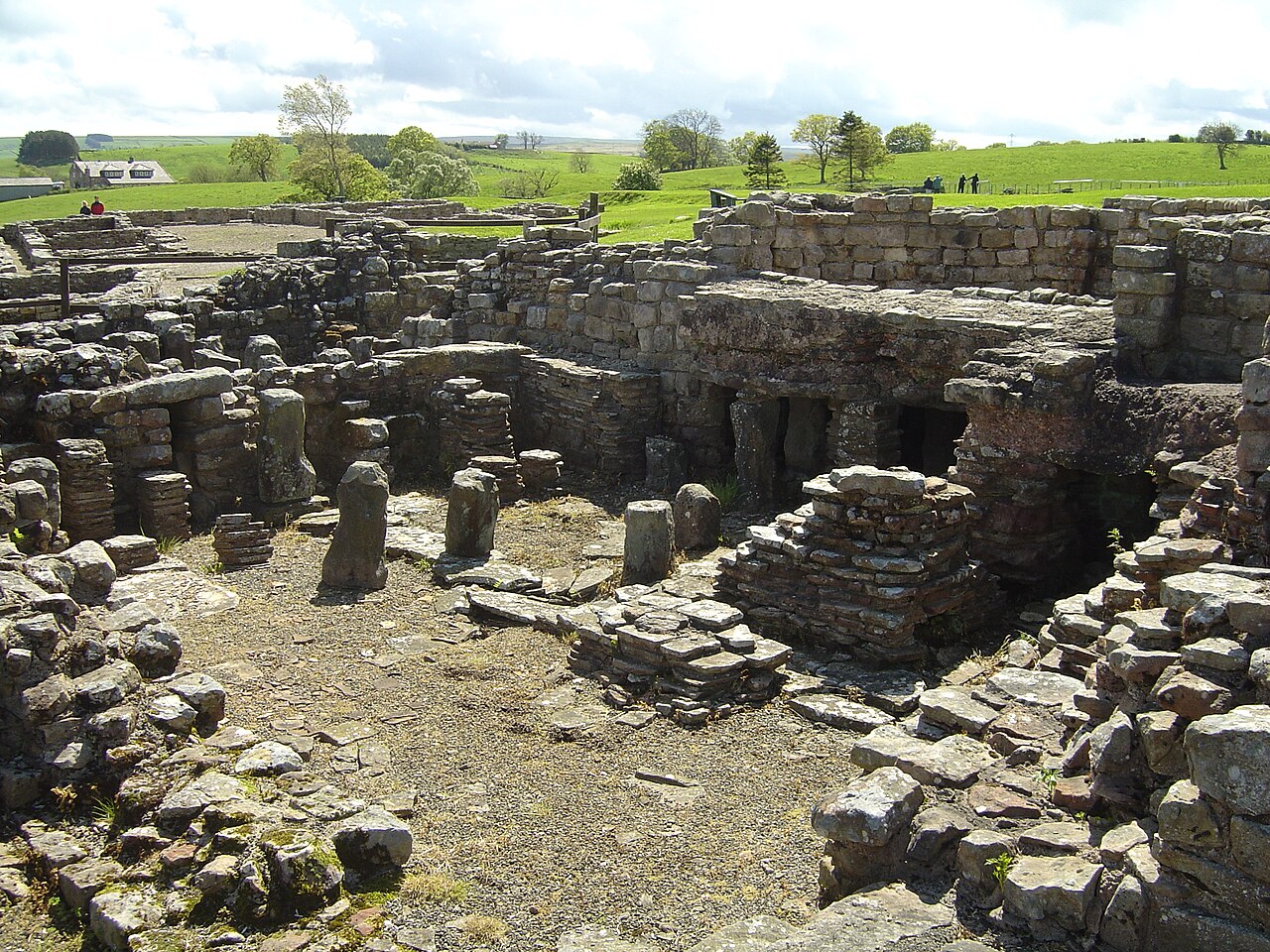
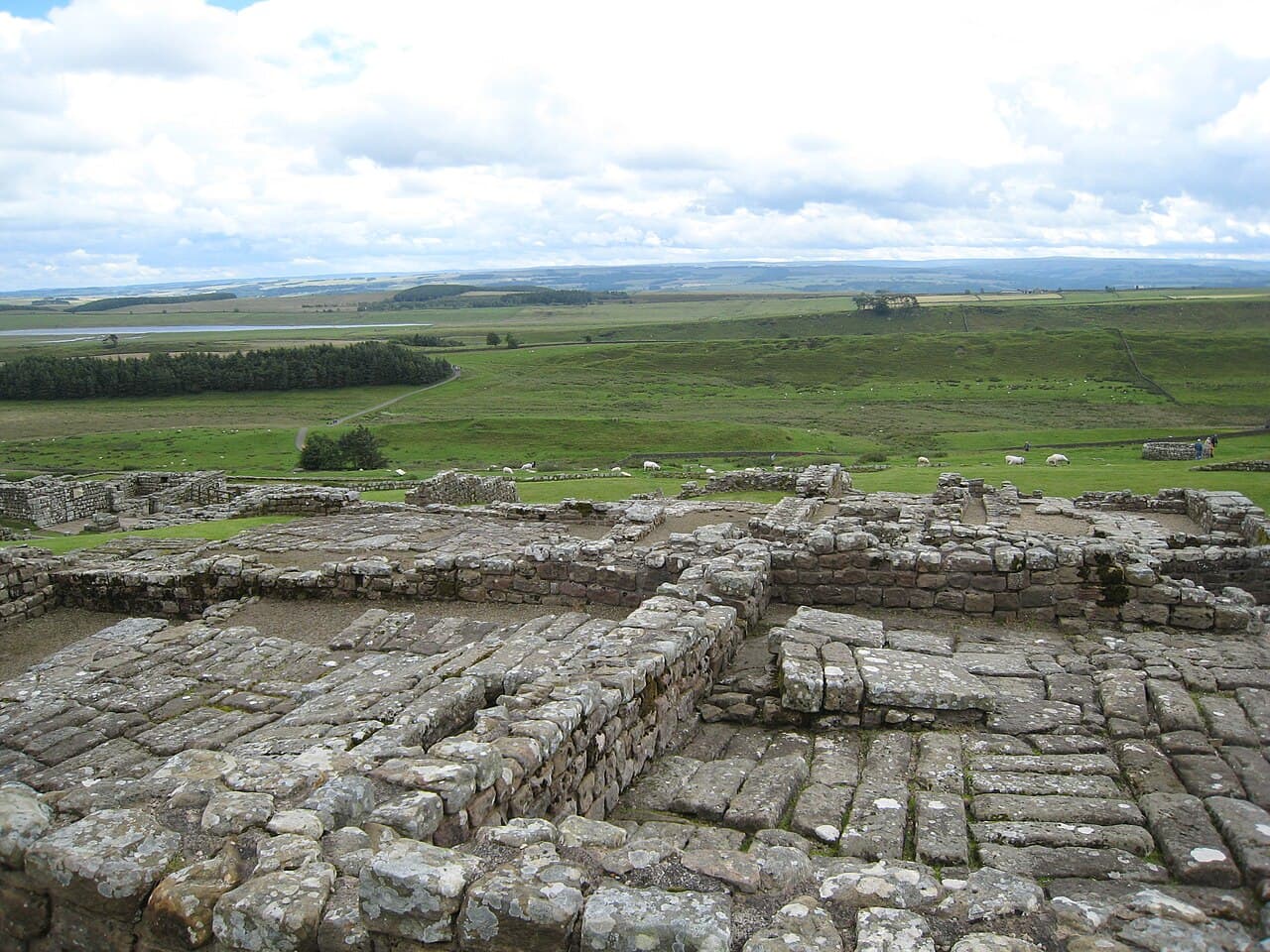
Within the fort’s walls, the layout follows a standard Roman military design with a grid pattern of streets dividing the internal space. Key structures include the principia (headquarters building), barracks for soldiers, granaries, workshops, and bathhouses. The principia was the administrative heart of the fort, containing the shrine to the standards and the offices of the commanding officers.
Defensive structures
The fort’s defensive system includes a deep ditch surrounding the stone walls, designed to impede attackers. The walls themselves were constructed of local sandstone and reinforced with corner towers and interval towers spaced along the perimeter. The main gates were fortified and flanked by towers, controlling entry points and allowing defenders to repel assaults effectively.
Living quarters and facilities
The soldiers' barracks were arranged in blocks with individual rooms, providing accommodation for the auxiliary troops stationed here. The fort also contained a hospital (valetudinarium), which is one of the best-preserved Roman military hospitals in Britain, indicating the importance of medical care for the garrison.
Historical significance and occupation
Housesteads Roman Fort was strategically placed to guard the central sector of Hadrian's Wall and to control movement across the frontier. It was part of a network of forts and milecastles that formed the defensive line of the Roman Empire's northern boundary in Britain. The fort was occupied by various auxiliary units throughout its history, including cavalry and infantry cohorts recruited from different parts of the Roman Empire.
The fort’s nearly 300 years of occupation saw it witness many changes, including periods of relative peace and times of conflict with northern tribes. It played a key role in the Roman military strategy of controlling and monitoring the frontier zone against incursions.
Archaeological discoveries and preservation
The site of Housesteads Roman Fort has been extensively excavated since the 19th century, revealing a wealth of artifacts and structural remains. Excavations have uncovered inscriptions, altars, personal items, weapons, and tools that provide insight into the daily lives of the Roman soldiers stationed here. The fort's museum displays many of these finds, contributing to our understanding of Roman military life.
Today, the fort is managed by English Heritage and owned by the National Trust. It is one of the most visited Roman sites in Britain, with well-maintained paths and interpretive signage to guide visitors through the ruins. The nearby museums at Chesters and the Great North Museum: Hancock in Newcastle upon Tyne also house important artifacts from the site.
Visiting Housesteads Roman Fort
The fort is accessible via public roads and offers visitors a chance to explore an extensive Roman military complex set in a striking landscape. The site includes a visitor center with exhibitions and facilities. Walking along the remains of Hadrian's Wall from Housesteads provides a tangible connection to Roman Britain's northern frontier.
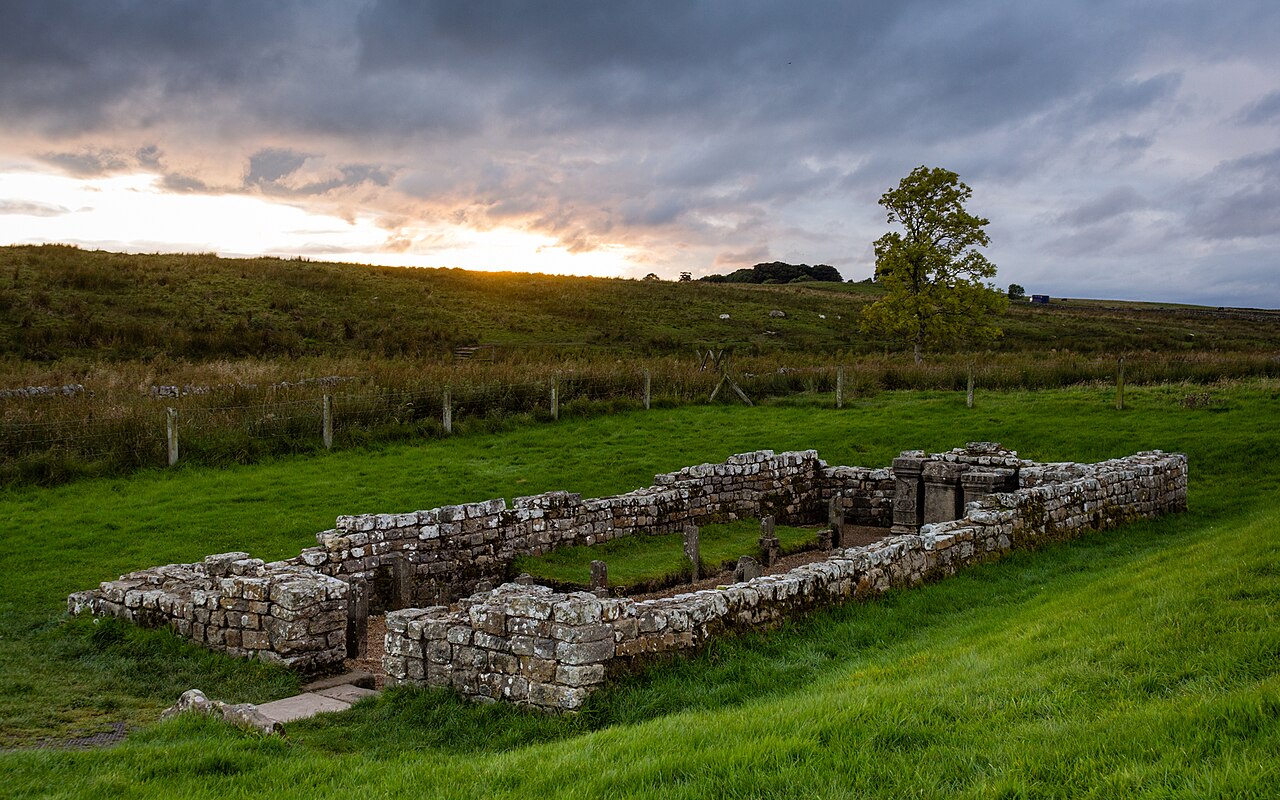
Visitors can explore the remains of the walls, gates, barracks, principia, and hospital, gaining a vivid impression of Roman military life and frontier defense. The dramatic setting atop the Whin Sill crag enhances the experience, combining natural beauty with deep historical significance.
Frequently asked questions (FAQ)
- How do I get to Housesteads Roman Fort?
- Housesteads Roman Fort is accessible by car, with parking available on-site. Additionally, there are public transport options, including bus services that connect to nearby towns. The fort is situated along Hadrian's Wall, making it a scenic destination for visitors.
- What is the historical significance of Housesteads Roman Fort?
- Housesteads Roman Fort, built around AD 124, served as a key military outpost along Hadrian's Wall. It played a crucial role in the defense of the Roman Empire's northern frontier and is one of the best-preserved Roman forts in Britain. The site offers insights into Roman military life and the history of the region.
- When was Housesteads Roman Fort built?
- Housesteads Roman Fort was constructed during the reign of Emperor Hadrian, around AD 124. It was part of the larger Hadrian's Wall, which was built to protect the Roman Empire from tribes to the north. The fort has been a site of archaeological interest since its discovery in the 19th century.
- Can I access Housesteads Roman Fort with a wheelchair?
- Yes, Housesteads Roman Fort is committed to accessibility and offers facilities for wheelchair users. While some areas may be uneven due to the fort's ancient architecture, there are designated paths and ramps to help navigate the site. Visitors are encouraged to check in advance for any specific accessibility needs.
- Why is Housesteads Roman Fort a popular tourist attraction?
- Housesteads Roman Fort is popular for its rich history, stunning views of the Northumberland countryside, and its significance as part of Hadrian's Wall. Visitors enjoy exploring the well-preserved ruins, including the granaries, barracks, and the commanding views of the surrounding landscape. The site also offers engaging exhibitions and information about Roman Britain.
- Is it possible to visit Housesteads Roman Fort year-round?
- Yes, Housesteads Roman Fort is open year-round, but opening hours may vary seasonally. During peak tourist season, the fort typically has extended hours to accommodate visitors. It's advisable to check the official website for the most current information regarding opening times and any special events.
- What are the ticket prices for Housesteads Roman Fort?
- Ticket prices for Housesteads Roman Fort are generally modest, with discounts available for children, seniors, and families. Admission fees contribute to the preservation of the site and its facilities. Visitors can purchase tickets on-site or online for convenience.
- What is the best time to visit Housesteads Roman Fort?
- The best time to visit Housesteads Roman Fort is during the spring and summer months when the weather is milder and the landscape is lush. These seasons also offer longer daylight hours, allowing for more time to explore. Additionally, visiting during weekdays can help avoid larger crowds.
- Are there any nearby attractions to Housesteads Roman Fort?
- Yes, there are several nearby attractions to Housesteads Roman Fort, including other sections of Hadrian's Wall and the beautiful Northumberland National Park. Visitors can also explore the quaint villages in the area, which offer a glimpse of local history and culture. The combination of natural beauty and historical sites makes this region a perfect destination for a day trip.
Photo gallery

Photo by Fryslan0109 at en.wikipedia•Public domain
Information
Loading map...
Visitor reviews
No reviews yet. Been here? Write the first review and help other travelers!
Write the first reviewVisited this castle? Share your experience
Your review helps other travelers and adds first-hand knowledge to our encyclopedia.