Hadrian's Wall
Hadrian's Wall stands as one of the most significant remnants of Roman military architecture in Britain. Constructed beginning in AD 122 during the reign of Emperor Hadrian, this vast defensive fortification marked the northern boundary of the Roman province of Britannia. The wall stretches approximately 73 miles (117.5 kilometres) from Wallsend on the River Tyne in the east to Bowness-on-Solway in the west, traversing the breadth of what is now northern England.
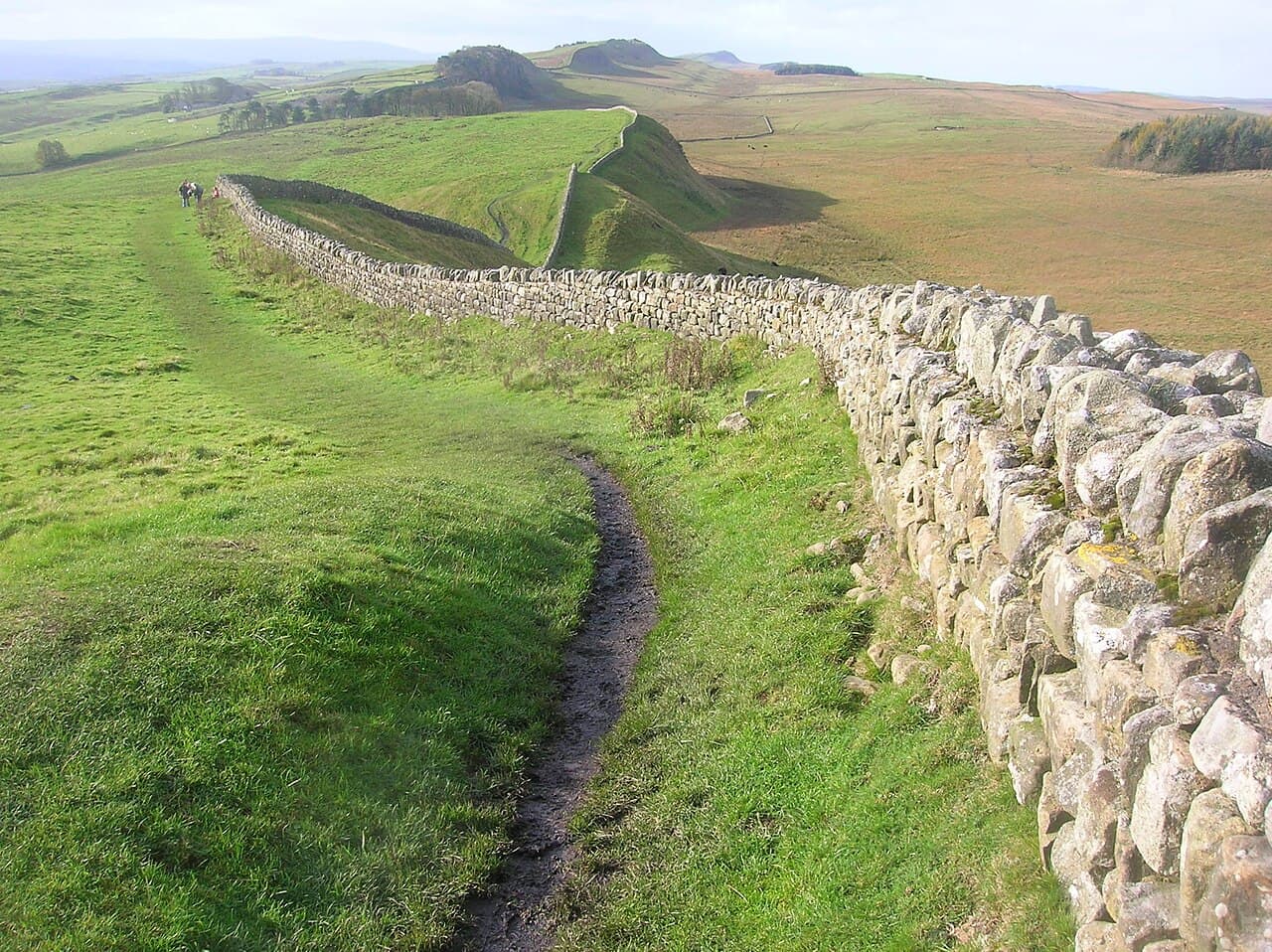
The primary function of Hadrian's Wall was military defense, designed to control movement and protect the Roman Empire from northern tribes. The wall was constructed in stone in its final form, featuring formidable ditches both in front and behind the structure to hinder attackers. Along its length, the wall was punctuated by a series of large Roman forts, smaller milecastles spaced at intervals of roughly one Roman mile, and numerous turrets positioned between milecastles to provide lookout and signaling points.
Architectural design and construction
The construction of Hadrian's Wall reflects advanced Roman engineering techniques of the early 2nd century. The wall's width varied but was generally around 3 meters (10 feet) wide, with a height that originally reached up to 5 meters (16 feet) in many sections. The stonework was carefully laid, with a rubble core sandwiched between faced stone blocks. The wall incorporated several gates that functioned as controlled entry points and likely served as customs posts for regulating trade and movement.
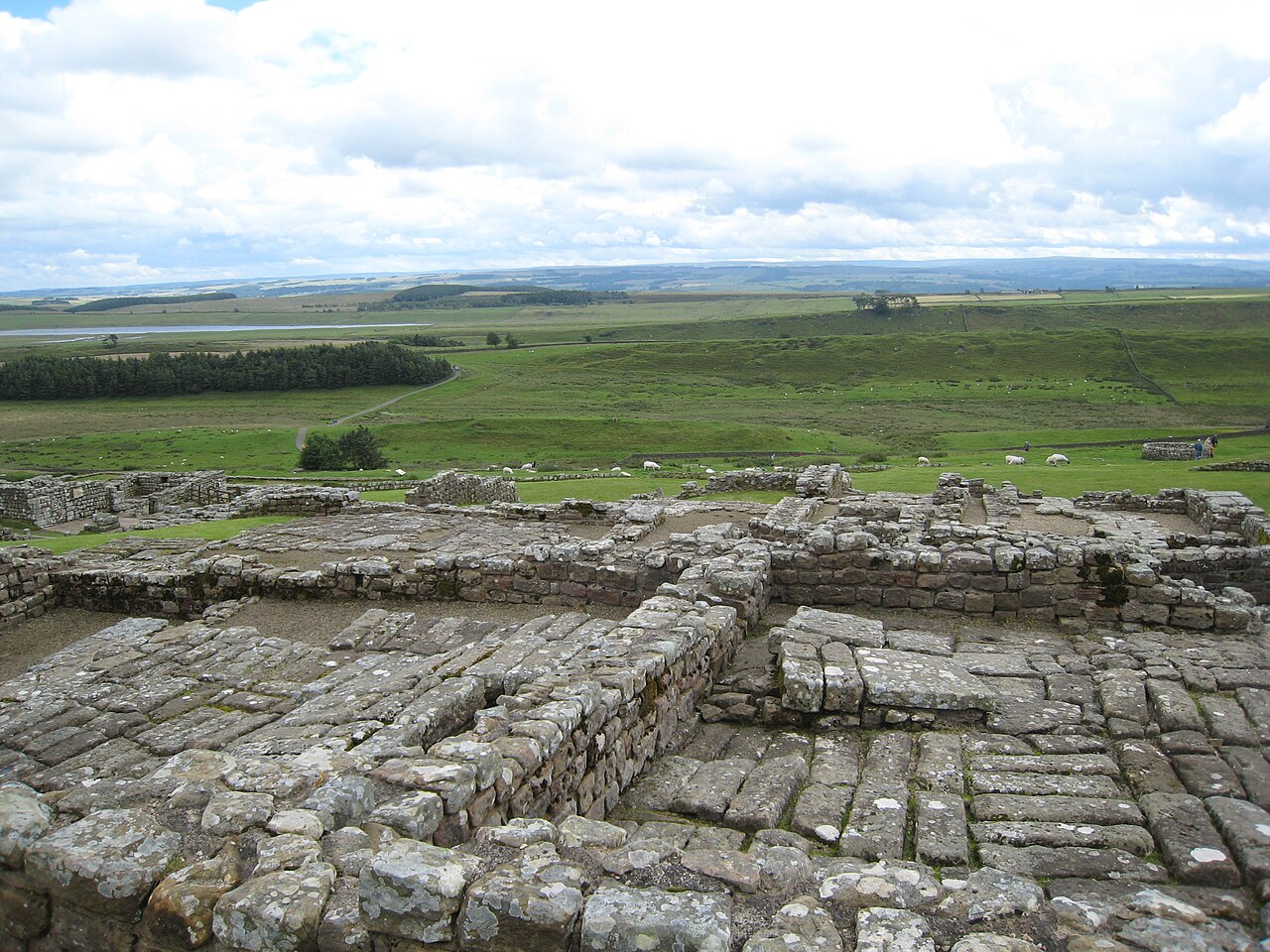
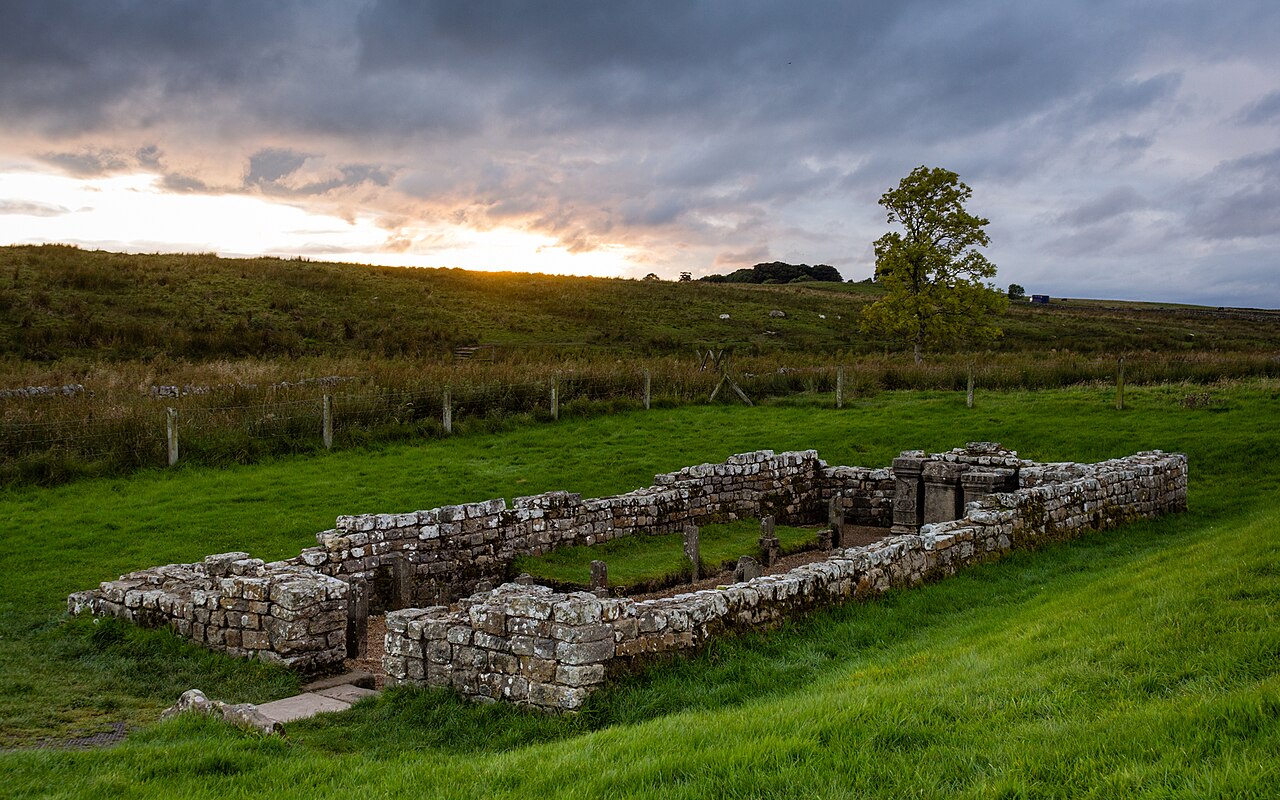
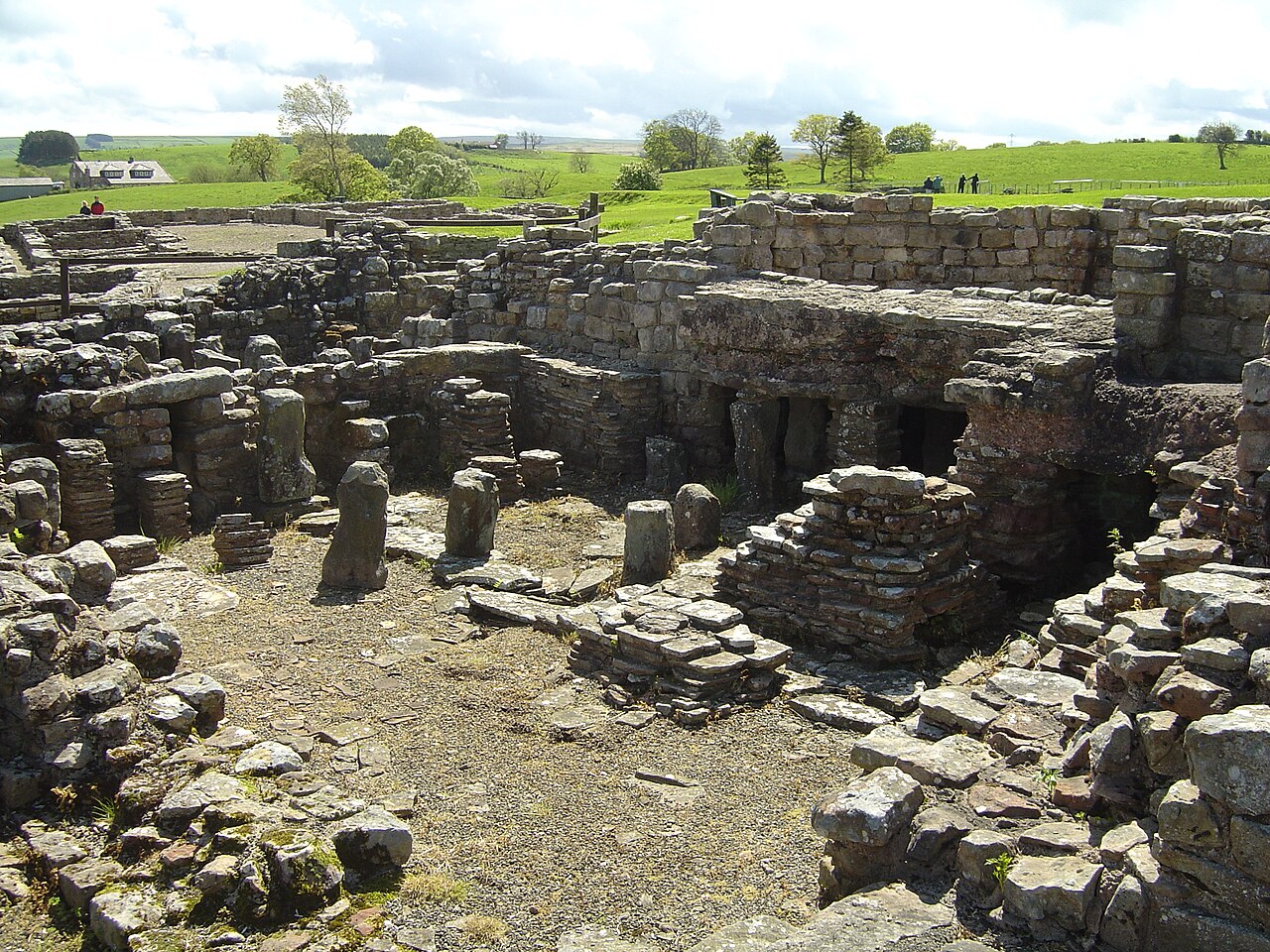
Along the wall, the Roman military established a network of forts such as Housesteads, Vindolanda, and Chesters, each housing several hundred soldiers. These forts were equipped with barracks, granaries, headquarters buildings, and defensive walls and towers, forming self-contained military bases. The smaller milecastles allowed for rapid troop deployment and surveillance, while the turrets provided vantage points for early warning of approaching threats.
The historical context and significance
Hadrian's Wall was built as part of Emperor Hadrian's policy to consolidate and defend the Roman Empire's boundaries rather than expand them further north. The wall marked a clear division between the Roman-controlled south and the unconquered territories to the north inhabited by various Celtic tribes. Although primarily a military fortification, the wall also played roles in customs control and symbolized Roman power and presence in Britannia.
Despite its strength, the wall was not impenetrable and witnessed several attacks and skirmishes during its active use. It remained in use for nearly three centuries before the Roman withdrawal from Britain in the early 5th century. After the Romans left, the wall gradually fell into disrepair, with much of its stonework repurposed for local buildings and infrastructure during the medieval and early modern periods.
Preservation, archaeology, and public access
Today, Hadrian's Wall is recognized as the largest Roman archaeological feature in Britain and is designated as a UNESCO World Heritage Site since 1987. Although much of the original masonry has been removed or reduced in height, significant sections of the wall's foundations and some standing walls remain visible. Archaeological excavations have uncovered extensive details about the Roman military presence, construction methods, and daily life along the frontier.
Many of the forts and milecastles along the wall are open to the public, with visitor centers and museums providing historical context and displays of artifacts. The Hadrian's Wall Path is a popular long-distance walking route that closely follows the wall's course, allowing visitors to experience the landscape and heritage of this ancient boundary.
Relationship with other Roman frontiers
Hadrian's Wall was briefly superseded by the turf-built Antonine Wall constructed around AD 142 further north in what is now central Scotland. However, the Antonine Wall was abandoned after a short period, and Hadrian's Wall resumed its role as the northern frontier of Roman Britain. Both walls are recognized today as important World Heritage Sites, reflecting the extent and complexity of Roman frontier defense systems in Britain.
Geographical and cultural significance
Although often mistakenly thought to mark the Anglo-Scottish border, Hadrian's Wall lies entirely within England. Its historical and cultural legacy, however, resonates across Britain as a symbol of Roman influence and the ancient history of the region. The wall continues to attract scholars, tourists, and history enthusiasts interested in Roman military architecture and Britain's early medieval past.
Frequently asked questions (FAQ)
- How do I get to Hadrian's Wall?
- Hadrian's Wall is accessible by car, bus, and train from major cities in the UK. The wall stretches across northern England, so be sure to check the specific site you wish to visit for the best transport options.
- What is the historical significance of Hadrian's Wall?
- Hadrian's Wall was constructed by the Romans under Emperor Hadrian around AD 122 as a defensive fortification marking the northern boundary of the Roman Empire in Britain. It represents an important piece of Roman military architecture and provides insight into the life and culture of the time.
- When was Hadrian's Wall built?
- Construction of Hadrian's Wall began in AD 122 and took approximately six years to complete. The wall was built to defend the Roman frontier and control immigration and trade.
- Can I walk along Hadrian's Wall?
- Yes, visitors can enjoy walking along various sections of Hadrian's Wall, with many trails available for hiking enthusiasts. The Hadrian's Wall Path is a popular 84-mile trail that allows you to experience the wall and its scenic surroundings.
- Why is Hadrian's Wall a UNESCO World Heritage Site?
- Hadrian's Wall was designated a UNESCO World Heritage Site in 1987 due to its historical importance and cultural significance. It showcases the engineering prowess of the Romans and the impact of their empire on the landscape of Britain.
- Is it possible to visit Hadrian's Wall year-round?
- Yes, Hadrian's Wall can be visited year-round, although some areas may have limited access during the winter months. It’s recommended to check local visitor center hours and trail conditions before planning your visit.
- What are the opening hours for Hadrian's Wall attractions?
- Opening hours for attractions along Hadrian's Wall vary by site and season. Generally, visitor centers are open daily from 10 AM to 5 PM, but it’s best to check specific sites for the most accurate times.
- What nearby attractions can I visit while at Hadrian's Wall?
- In addition to Hadrian's Wall itself, visitors can explore attractions such as Housesteads Roman Fort, Vindolanda, and the Roman Army Museum. These sites provide additional context and exhibit artifacts related to Roman history in Britain.
Photo gallery

Information
Loading map...
Visitor reviews
No reviews yet. Been here? Write the first review and help other travelers!
Write the first reviewVisited this castle? Share your experience
Your review helps other travelers and adds first-hand knowledge to our encyclopedia.