Villimpenta Castle
Villimpenta Castle is a historic fortress located in the town of Villimpenta in northern Italy. Originally constructed in the 11th century, the castle began its existence as a fortified monastery, serving both religious and defensive purposes during the High Medieval period. Its strategic location in the Lombardy region made it an important stronghold in controlling local territories and trade routes.
Origins and early history
The initial construction of Villimpenta Castle in the 11th century reflects the typical medieval trend of fortifying religious establishments to protect against raids and local conflicts. The castle's early form combined monastic buildings with defensive walls and towers, allowing it to function as both a spiritual center and a military outpost. This dual role was common in the region during the turbulent times of the Middle Ages.
14th-century restoration and Scaligeri influence
In the 14th century, the castle underwent significant restoration and strengthening under the control of the Scaligeri family, a powerful noble dynasty that ruled over Verona and its surroundings. The Scaligeri enhancements included reinforcing the curtain walls and rebuilding or adding towers to improve the castle's defensive capabilities. These modifications aligned with the military architectural advancements of the late medieval period, emphasizing stronger fortifications to withstand sieges and artillery.
Architectural features
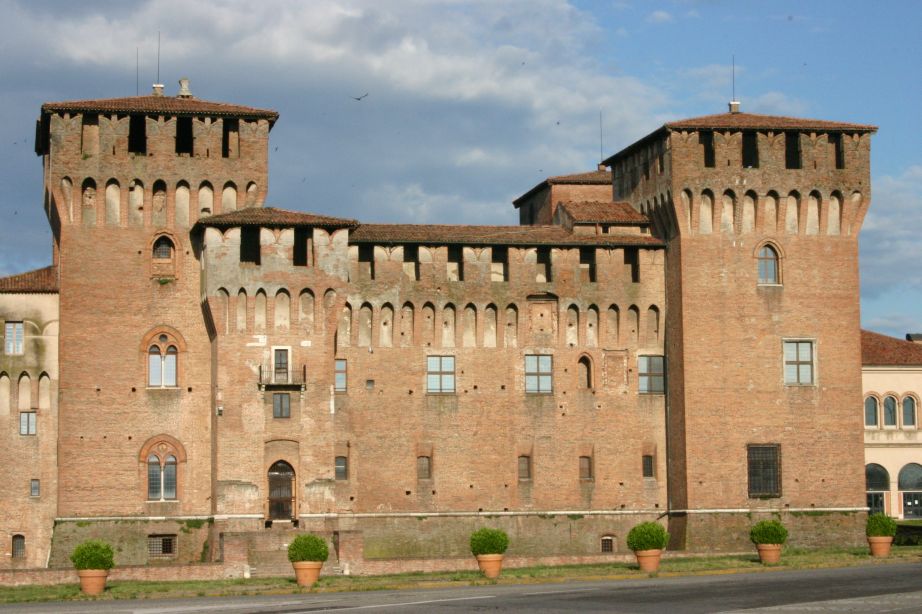
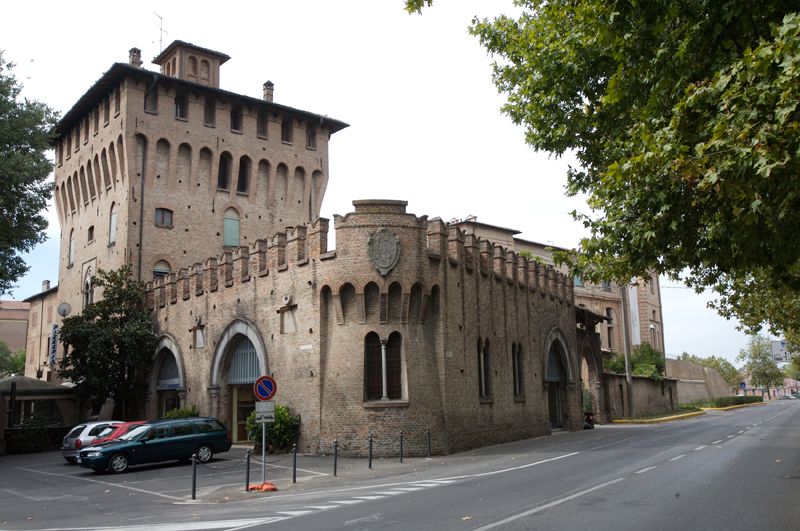
The surviving elements of Villimpenta Castle today primarily include the towers and sections of the curtain walls. The towers are characteristic of medieval military architecture, designed for surveillance and defense. The curtain walls, constructed of stone, formed a protective enclosure around the castle's inner buildings, creating a secure courtyard. The castle's layout reflects its evolution from a monastic complex to a fortified military structure.
Historical significance and legacy
Villimpenta Castle represents an example of the transformation of medieval religious sites into fortified residences and military strongholds. Its association with the Scaligeri family ties it to the broader history of northern Italy's political and military struggles during the Middle Ages. Although much of the original monastic architecture has not survived intact, the castle remains a valuable cultural and historical landmark in the region.
Current condition and preservation
Today, Villimpenta Castle is partially preserved, with the towers and curtain walls still standing as visible reminders of its medieval past. The site offers insight into the architectural styles and defensive strategies of the High Medieval period in Italy. Preservation efforts have focused on maintaining these structures to ensure their survival for future generations.
Visiting Villimpenta Castle
Visitors to Villimpenta can explore the castle ruins and appreciate the medieval architecture in the context of the town's historical setting. The castle's remains provide a tangible connection to the region's medieval heritage and the legacy of the Scaligeri family. While the castle is not fully intact, its surviving features offer a glimpse into the military and monastic functions it once served.
Frequently asked questions (FAQ)
- When was Villimpenta Castle originally built?
- Villimpenta Castle was originally constructed in the 11th century as a fortified monastery during the High Medieval period.
- Who restored Villimpenta Castle in the 14th century?
- The castle was restored and strengthened in the 14th century by the Scaligeri family, a noble dynasty from Verona.
- What remains of Villimpenta Castle today?
- Today, visitors can see the surviving towers and curtain walls, which reflect the castle's medieval defensive architecture.
- What type of castle is Villimpenta Castle?
- Villimpenta Castle is classified as a hill castle, built on elevated terrain for strategic defense.
- Can visitors explore Villimpenta Castle?
- Yes, the castle ruins are accessible to visitors, offering insight into its historical and architectural significance.
Information
Loading map...
Visitor reviews
No reviews yet. Been here? Write the first review and help other travelers!
Write the first reviewVisited this castle? Share your experience
Your review helps other travelers and adds first-hand knowledge to our encyclopedia.