Villehardouin's Castle
Villehardouin's Castle stands as a monumental testament to the turbulent history of the Peloponnese region in Greece. Constructed in 1249 by William II of Villehardouin, the prince of Achaia, this hill castle crowns a 620-meter high hill overlooking the ancient city of Sparta. The castle was originally built as a strategic fortress during the High Medieval period, serving as a key stronghold for the Frankish Principality of Achaea, which emerged in the aftermath of the Fourth Crusade and the fragmentation of the Byzantine Empire.
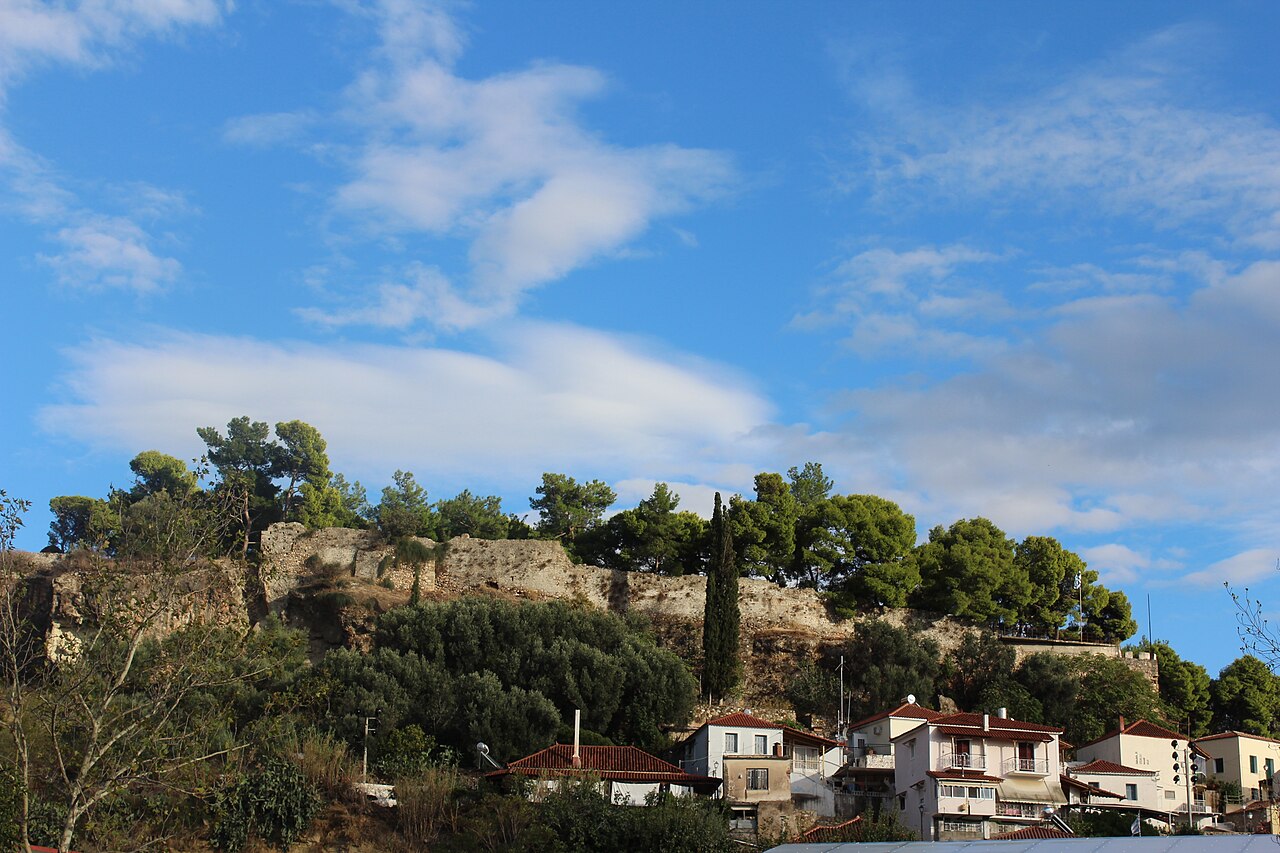
The castle's location atop a steep hill provided a commanding view over the surrounding Eurotas river valley to the east and the rugged Taygetos mountains to the west, underscoring its military and administrative significance. The fortress was part of a larger fortified complex that eventually developed into the fortified town of Mystras, known as the "wonder of the Morea." This complex became a vital center of power and culture in the region, especially after the Byzantine reconquest.
Historical background and political significance
The Principality of Achaea was one of the Latin states established by Western European crusaders after the capture of Constantinople in 1204. As a vassal state of the Latin Empire, it initially owed allegiance to the Kingdom of Thessalonica. However, after the fall of Thessalonica to Theodore Komnenos Doukas, the despot of Epirus, in 1224, Achaea rose to prominence as a dominant power in southern Greece.
Villehardouin's Castle was a symbol of Frankish authority in the Peloponnese. The castle's construction was part of a broader effort to consolidate Frankish control and defend against Byzantine attempts to reclaim the region. Despite its Frankish origins, the castle was surrendered to the Byzantines in 1262 following the Battle of Pelagonia, marking a significant shift in regional power.
Under Byzantine rule, the castle became the administrative and military center of the Despotate of Morea, a semi-autonomous province founded in the mid-14th century. The Despotate used Mystras and its castle as a seat of power, fostering a flourishing of Byzantine art, architecture, and culture. This period saw the construction of palaces, churches, and monasteries within the fortified area, making Mystras a vibrant medieval city.
Architectural features and fortifications
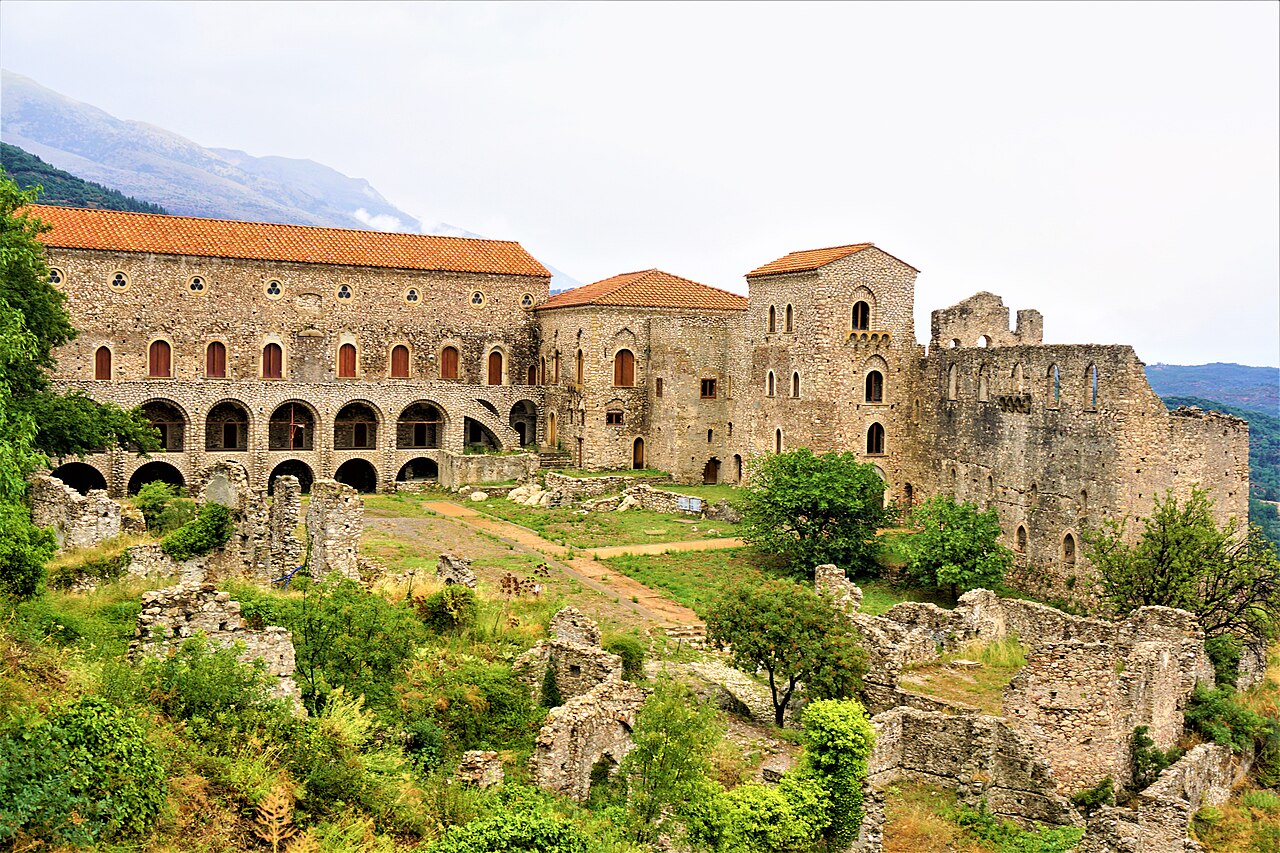
The fortress complex is characterized by a double enceinte—two concentric defensive walls that provide layered protection. The upper circuit of walls encloses significant buildings such as the Mystras Palace on the northern slope and the Pantanassa Monastery to the east. The lower walls extend from the town's northwestern edge, encompassing religious sites like the Vrontochion Monastery and the Perivleptos Monastery.
The castle's main entrance is guarded by a large rectangular Byzantine tower, which defends the inner gate and controls access to the central courtyard. Within the walls, visitors can find remains of barracks that housed soldiers, a large water cistern essential for withstanding sieges, and a chapel indicating the fortress's religious significance.
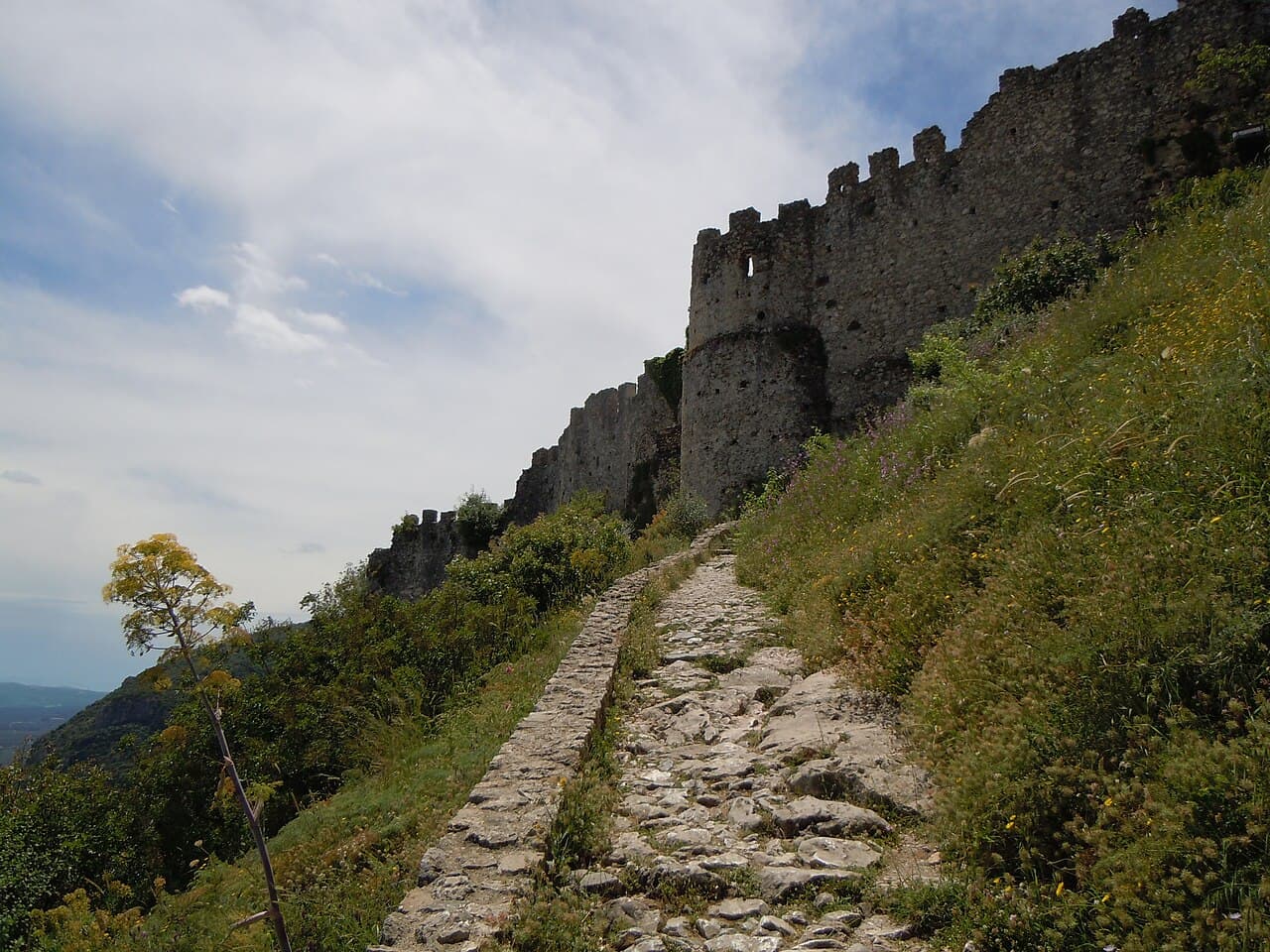
Defensive structures include a combination of square and round towers strategically placed along the walls to cover all approaches. The southern and southeastern sides benefit from natural protection by steep cliffs, creating a formidable natural barrier against attackers. These fortifications reflect adaptations to evolving military technologies, including modifications made during the Ottoman period to accommodate artillery.
Later history and cultural legacy
After the Byzantine period, the castle fell to the Ottoman Empire in 1460. The Ottomans, recognizing the fortress's strategic importance, made further modifications to its defenses, including the addition of gun emplacements to counter artillery threats. The castle also experienced periods of Venetian occupation, reflecting the contested nature of the Peloponnese during the early modern era.
Today, the ruins of Villehardouin's Castle remain a prominent historical site. The fortress's impressive remains offer insight into the complex layers of Frankish, Byzantine, Ottoman, and Venetian influences that shaped the region. Mystras itself is recognized as a UNESCO World Heritage Site, celebrated for its well-preserved medieval architecture and its role as a center of Byzantine culture and power.
Visiting villehardouin's castle and exploring mystras
Visitors to Villehardouin's Castle can explore the extensive ruins that include defensive walls, towers, and the remains of important buildings such as palaces and monasteries. The site offers breathtaking panoramic views of the surrounding landscape, including the fertile Eurotas valley and the rugged Taygetos mountain range.
The castle's elevated position and well-preserved fortifications provide a tangible connection to the medieval past of the Peloponnese. Nearby, the town of Mystras offers additional historical and cultural attractions, including Byzantine churches adorned with exquisite frescoes and a variety of monastic complexes.
Exploring the castle and the broader Mystras site allows visitors to immerse themselves in a rich historical narrative that spans Frankish crusaders, Byzantine rulers, and Ottoman conquerors. The site is accessible by road from Sparta and is a must-visit destination for those interested in medieval history, castle architecture, and Byzantine culture.
Frequently asked questions (FAQ)
- What is the historical significance of Villehardouin's Castle?
- Villehardouin's Castle, located in Mystras, Greece, was built in the 13th century and served as a key fortification during the Frankish and Byzantine periods. It is named after Geoffrey de Villehardouin, a prominent leader of the Fourth Crusade. The castle represents an important example of medieval architecture and the military history of the region.
- When was Villehardouin's Castle constructed?
- Construction of Villehardouin's Castle began in 1249, and it was completed in subsequent years as it expanded in response to military needs. The castle played a vital role in the defense of the Peloponnese during the Byzantine era. Its strategic location allowed for control over the surrounding landscape.
- Can I visit Villehardouin's Castle?
- Yes, Villehardouin's Castle is open to visitors who wish to explore its historical and architectural significance. Guided tours are available, allowing guests to learn about the castle's history and its role in the region. Visitors are encouraged to check the opening hours before planning their trip.
- What are the opening hours for Villehardouin's Castle?
- Villehardouin's Castle typically opens from 8:00 AM to 7:30 PM during the summer months and has reduced hours during the winter. It's advisable to verify the current hours on the official website or at the ticket office, as they may vary seasonally or due to special events.
- Is it possible to access Villehardouin's Castle with limited mobility?
- Access to Villehardouin's Castle can be challenging for those with limited mobility due to uneven terrain and staircases. However, some areas may be accessible with assistance. It's recommended to contact the site in advance to inquire about specific accessibility options and accommodations.
- What is the best time to visit Villehardouin's Castle?
- The best time to visit Villehardouin's Castle is during the spring and fall when the weather is mild and the crowds are smaller. This allows for a more enjoyable experience while exploring the castle and its surroundings. Summer can be quite hot, and winter may bring fewer visitors.
- Are there any nearby attractions to visit along with Villehardouin's Castle?
- Yes, visitors can explore the nearby archaeological site of Mystras, a UNESCO World Heritage site, which features stunning Byzantine churches and palaces. Other attractions include the Byzantine Museum and the picturesque villages in the surrounding area. Combining these sites makes for a rich historical experience.
- What are the ticket prices for Villehardouin's Castle?
- Ticket prices for Villehardouin's Castle may vary, typically ranging from a few euros for adults and discounted rates for students and seniors. Children under a certain age may enter for free. It's best to check the official website or contact the ticket office for the most current pricing information.
Photo gallery

Information
Loading map...
Visitor reviews
No reviews yet. Been here? Write the first review and help other travelers!
Write the first reviewVisited this castle? Share your experience
Your review helps other travelers and adds first-hand knowledge to our encyclopedia.