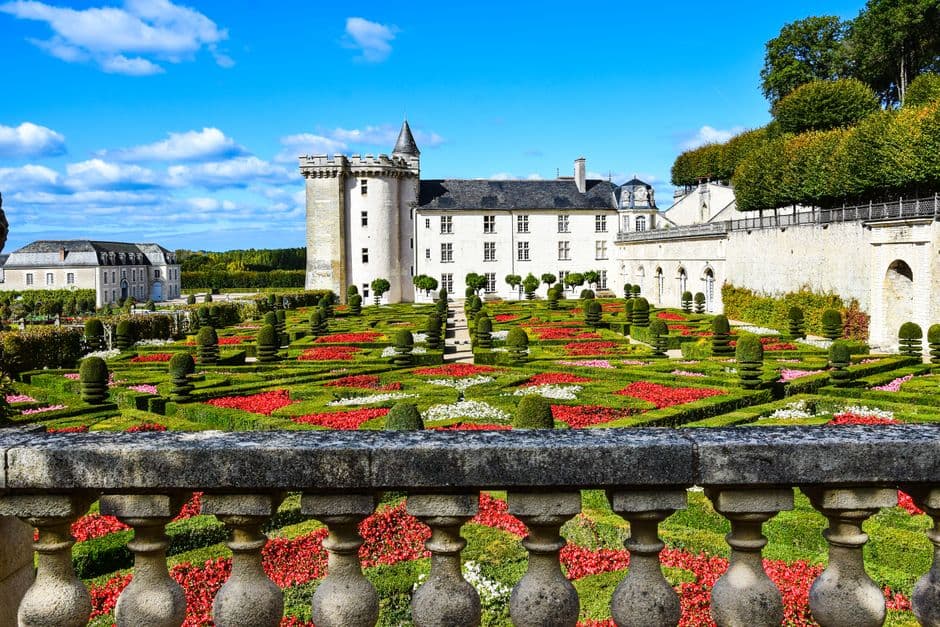
Villandry Castle
Villandry Castle, located in the heart of Centre-Val de Loire near the town of Villandry, France, stands as a magnificent example of Renaissance architecture and landscape design. Constructed in the early 16th century, this château is renowned not only for its elegant stone structure but also for its world-famous formal gardens that attract hundreds of thousands of visitors annually. The castle and its grounds represent a harmonious blend of architectural grandeur and horticultural artistry, making it one of the most celebrated estates in the Loire Valley.
Historical origins and construction
The site where Villandry Castle now stands was originally known as Colombier, featuring a medieval fortress with a 14th-century keep. This keep holds historical significance as the meeting place between King Philip II of France and Richard I of England during efforts to negotiate peace. In 1532, Jean Le Breton, the Controller-General for War under King Francis I, acquired the property and initiated the construction of the current château. The building incorporated the existing medieval keep, around which the new Renaissance-style residence was developed.
The château was completed during the Renaissance period, showcasing architectural features typical of the era such as symmetrical façades, classical proportions, and decorative stonework. The castle served as a prestigious residence for the Le Breton family for over two centuries, reflecting their status and influence.
Ownership changes and historical events
After the Le Breton family, the property passed to the Marquis de Castellane. During the French Revolution, the château was confiscated, reflecting the widespread upheaval of aristocratic estates at the time. In the early 19th century, the castle came under the ownership of Emperor Napoleon Bonaparte, who acquired it for his brother, Joseph Bonaparte.
In 1906, the castle was purchased by Joachim Carvallo, a Spanish scientist and philanthropist who dedicated his life and fortune to restoring the château and its gardens. Carvallo's vision was to revive the château’s Renaissance grandeur and create gardens that complemented the architectural beauty of the estate. He was also instrumental in founding the first French association for the protection of private monumental heritage in 1924, opening Villandry’s grounds to the public and inspiring preservation efforts across France.
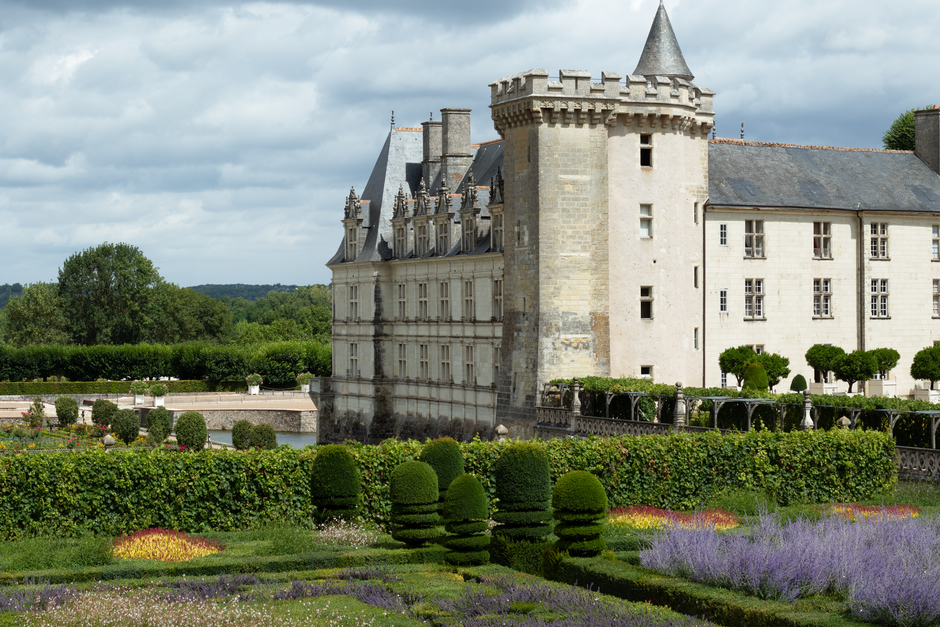
Photo by Sipal Photography • Pexels License
Architectural features of the château
The château itself is a fine example of Renaissance architecture with a rectangular plan centered around the original medieval keep. The structure features symmetrical façades adorned with classical pilasters, ornate cornices, and mullioned windows. The slate roof and the slate-covered towers emphasize the French Renaissance style. Inside, the château contains richly decorated rooms, including reception halls and private chambers that reflect the aristocratic lifestyle of its former inhabitants.
The château also includes an eighteenth-century building known as "the hearing," a neoclassical structure with a slate roof. This building historically served as a place where the Marquis de Castellane met with local farmers and peasants who maintained the estate lands. The hearing has been carefully restored to preserve its historical character.
Gardens of Villandry: a horticultural masterpiece
Restoration and design philosophy
The gardens at Villandry are among the most famous in France and are considered a pinnacle of Renaissance garden design. When Joachim Carvallo acquired the château, the gardens had fallen into neglect. He undertook a massive restoration project, guided by his scientific approach and artistic sensibility, to recreate the gardens in the style of the original Renaissance layouts.
The gardens cover approximately three hectares and are organized into multiple terraces, each with distinct themes and designs. Carvallo’s work was so influential that the gardens were awarded the status of Remarkable Garden of France.
Key garden areas
- Ornamental garden: Divided into two main sections, the ornamental garden features intricate parterres with carefully clipped box hedges forming geometric patterns. The first section was designed with input from Sevillian painter Lozano and landscaper Javier Winthuysen, blending artistic and horticultural expertise. The second section symbolically connects the vegetable garden and the water garden.
- Water garden: This garden dates back to the early 20th century when Carvallo restored the water mirror, a reflecting pool that enhances the visual symmetry and tranquility of the grounds.
- Decorative vegetable garden: The highlight of the gardens, this area consists of nine identical squares planted with vegetables and flowers arranged to create a vibrant checkerboard effect, a classic feature of Renaissance horticulture.
- The maze: Located on the second terrace, the labyrinth is a Renaissance-style maze symbolizing the journey of life, imbued with Christian meaning. Unlike typical mazes designed to confuse, this one represents progression and reflection.
- Garden of the Sun: Situated on the highest terrace, this garden is surrounded by lime trees and was developed in the early 20th century as part of Carvallo’s extensive modifications to restore the château’s gardens to their Renaissance origins.
- Wooded park: Covering about three hectares, the wooded area includes a wooden gazebo added in 2003, accessible via a charming path that offers unique perspectives of the gardens.
Legacy and cultural significance
In 1934, Villandry Castle was designated a Monument historique in recognition of its architectural and historical importance. It is also part of the UNESCO World Heritage Site encompassing the Loire Valley, celebrated for its concentration of exceptional châteaux.
Today, Villandry remains under the stewardship of the Carvallo family, who continue to maintain and develop the château and gardens. It is one of the most visited castles in France, attracting visitors worldwide who come to experience its unique blend of Renaissance architecture and formal garden design.
The château’s gardens are especially praised for their meticulous maintenance, seasonal displays, and the way they illustrate the principles of Renaissance landscape architecture. Villandry offers visitors a rare opportunity to explore a historic château where architecture and horticulture are perfectly intertwined.
Visiting Villandry Castle
Visitors to Villandry can explore the château’s richly decorated interiors, stroll through the extensive gardens, and enjoy panoramic views from the terraces. The site offers guided tours, educational programs, and seasonal events that highlight the château’s heritage and horticultural excellence.
The castle’s location, approximately 15 km west of Tours, makes it accessible for day trips from this major city in the Loire Valley. The combination of historical architecture and stunning gardens ensures Villandry Castle remains a must-see destination for lovers of history, art, and nature.
Frequently asked questions (FAQ)
- What is the historical significance of Villandry Castle?
- Villandry Castle, built in the early 16th century, is renowned for its stunning Renaissance architecture and its beautifully terraced gardens. It represents the culmination of the French Renaissance style and is a testament to the era's artistic and cultural advancements.
- When was Villandry Castle built?
- Villandry Castle was constructed between 1532 and 1540. It was commissioned by Jean Le Breton, a minister of King Francis I, and has since undergone various restorations to maintain its historical integrity.
- Can I visit the gardens at Villandry Castle?
- Yes, visitors can explore the gardens at Villandry Castle, which are among the most famous in France. The gardens feature intricate designs and a variety of plant species, making it a perfect spot for nature lovers and photography enthusiasts.
- What are the opening hours for Villandry Castle?
- Villandry Castle typically opens from 9:00 AM to 7:00 PM during the peak season, with reduced hours in the off-peak months. It's advisable to check the official website for any seasonal changes or special events that might affect opening times.
- Is it possible to access Villandry Castle with a wheelchair?
- Yes, Villandry Castle is accessible for visitors with limited mobility. The castle offers facilities to assist those with disabilities, including wheelchair access to the gardens and certain areas of the castle.
- What are the ticket prices for Villandry Castle?
- Ticket prices for Villandry Castle vary, with discounts available for children and students. As of the latest updates, adults typically pay around €11, while children under 18 can enter for free when accompanied by an adult.
- When is the best time to visit Villandry Castle?
- The best time to visit Villandry Castle is during the spring and early summer months when the gardens are in full bloom. Additionally, visiting in the fall can provide a beautiful backdrop with autumn colors, making it a picturesque experience.
- What nearby attractions can I explore after visiting Villandry Castle?
- After visiting Villandry Castle, you can explore the charming town of Azay-le-Rideau or the historic Château d'Azay-le-Rideau, both within a short drive. The region is also rich with wineries and offers plenty of opportunities for wine tasting tours.
Photo gallery


Information
Website
Visit websiteFeatured in
Articles on the Castlopedia blog that feature Villandry Castle.
Sources & official resources
Verify the information above using these authoritative references.
Loading map...
Visitor reviews
No reviews yet. Been here? Write the first review and help other travelers!
Write the first reviewVisited this castle? Share your experience
Your review helps other travelers and adds first-hand knowledge to our encyclopedia.


